Newsletters




Türkiye is preparing to ban a range of single-use plastic products in a move aimed at reducing plastic pollution and supporting the country’s environmental sustainability goals.
The regulation is being prepared by the Ministry of Environment, Urbanization and Climate Change and is expected to come into force by the end of the year.
The draft regulation seeks to prohibit the sale and distribution of several commonly used single-use plastic items that contribute significantly to environmental pollution.
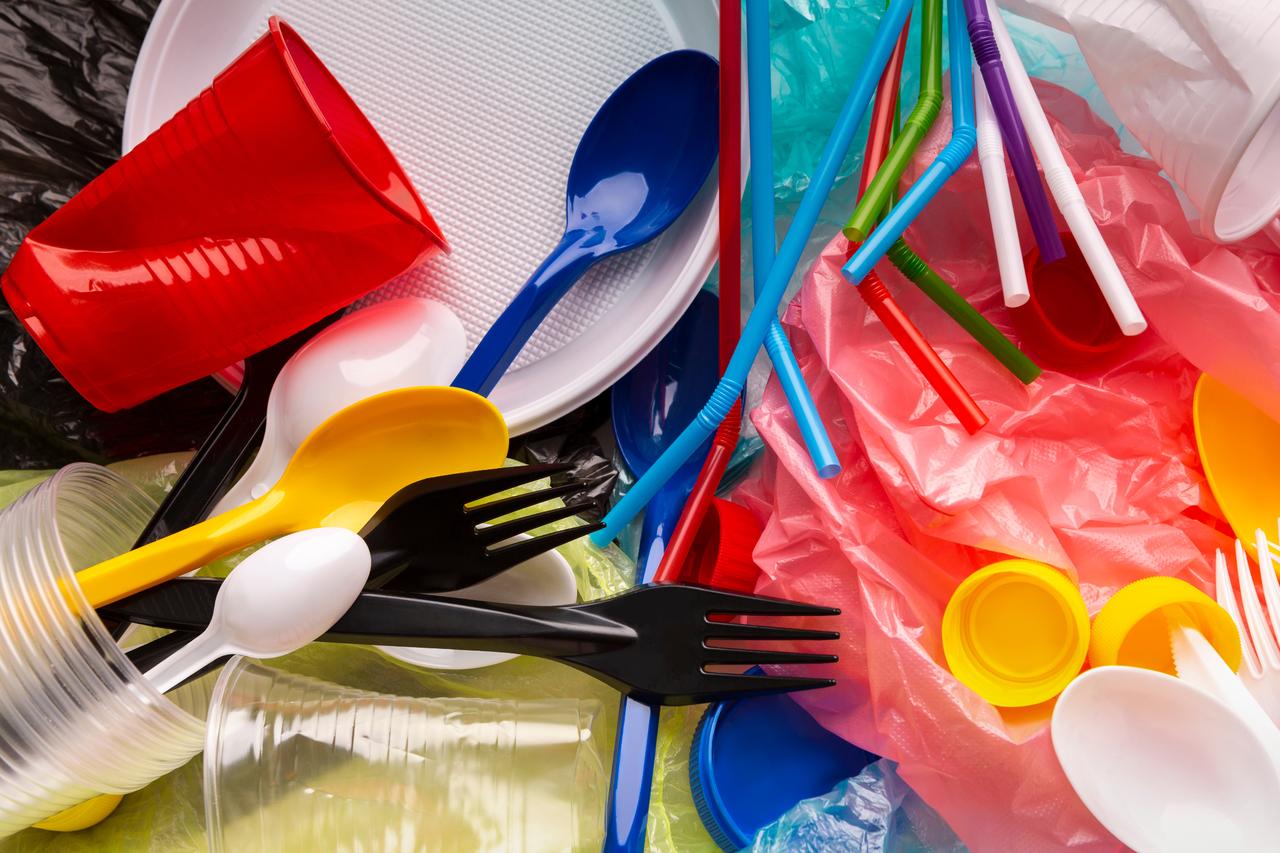
These include plastic forks, knives, spoons, plates, straws, beverage cups, stirrers and cotton swabs with plastic stems. The proposal also targets food containers and beverage cups made from expanded polystyrene (EPS), commonly known as foam packaging.
Authorities plan to encourage the use of environmentally friendly alternatives such as glass, porcelain, wood and cardboard products in place of plastic items.
The initiative forms part of Türkiye’s broader environmental strategy under the Zero Waste Movement, which focuses on reducing waste generation and increasing recycling rates across the country.
The government has already introduced a deposit return system to promote the recycling of beverage packaging.
Officials estimate that eliminating these single-use plastics from the market could prevent approximately 1.5 million tons of carbon dioxide equivalent emissions annually while saving nearly 1.5 billion Turkish lira in waste management costs.
Data from the Turkish Statistical Institute show that Türkiye consumed more than 709,000 tons of single-use plastic products in 2022, including plastic cups, food containers, plates, straws, and disposable cutlery. Consumption has continued to increase in subsequent years.
The regulation is also intended to align Türkiye’s environmental policies with the European Union's Single-Use Plastics Directive adopted in 2019. Several European countries, including France, Germany and Spain, have already implemented similar restrictions on disposable plastic products.
A survey conducted during the preparation of the regulation indicates strong public support for reducing plastic waste.
According to the findings, 77.65% of respondents support reducing the use of single-use plastics in daily life, while 60.02% support banning certain products altogether.
The draft regulation is expected to be opened for consultation with public institutions, civil society organizations and industry representatives in the coming weeks. After incorporating feedback, authorities plan to finalize the regulation and implement it by the end of the year.


 Set as preferred source
 Set as preferred source



 8 min read