Newsletters


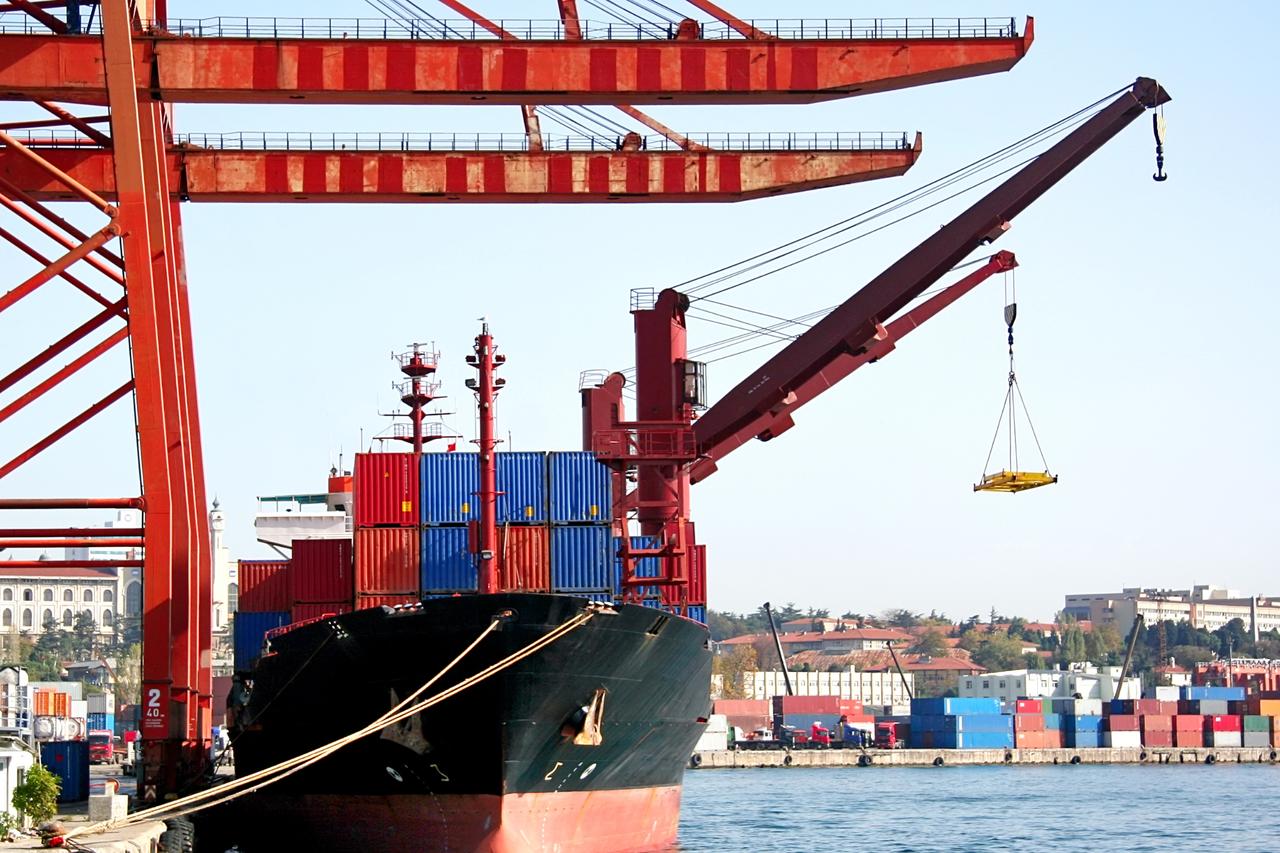


A long-standing value-added tax (VAT) exemption for domestically sourced inputs under Türkiye’s inward processing procedure expired at the end of 2025, prompting criticism from exporters who warn of heightened financial pressure and disruption to production-linked exports.
The inward processing procedure is a trade facilitation mechanism that allows manufacturers to import or procure raw materials and intermediate goods without taxes or customs duties, provided that the final product is exported.
Implemented in 1998 through a temporary clause added to the VAT Law, the exemption allowed exporters to source goods from domestic suppliers without paying VAT upfront.
With the exemption no longer in effect, suppliers can no longer issue VAT-exempt invoices for goods delivered under inward processing certificates and must charge VAT on domestic purchases, with reimbursement available only through standard refund processes.
The situation is likely to impact labor-intensive, export-oriented small and medium-sized enterprises (SMEs), which often operate with tight margins and limited access to affordable financing. According to the Turkish Statistical Institute (TurkStat), small and medium-sized enterprises (SMEs) accounted for 29.6% of Türkiye’s total exports in 2024, which amounted to $261.85 billion.
Türkiye ended 2025 with $273.43 billion in exports, reflecting a 4.5% increase compared to the previous year.
Criticizing the move, Turkish exporters say the removal of the exemption will severely impact their liquidity and force them to rely on high-interest loans to maintain operations.
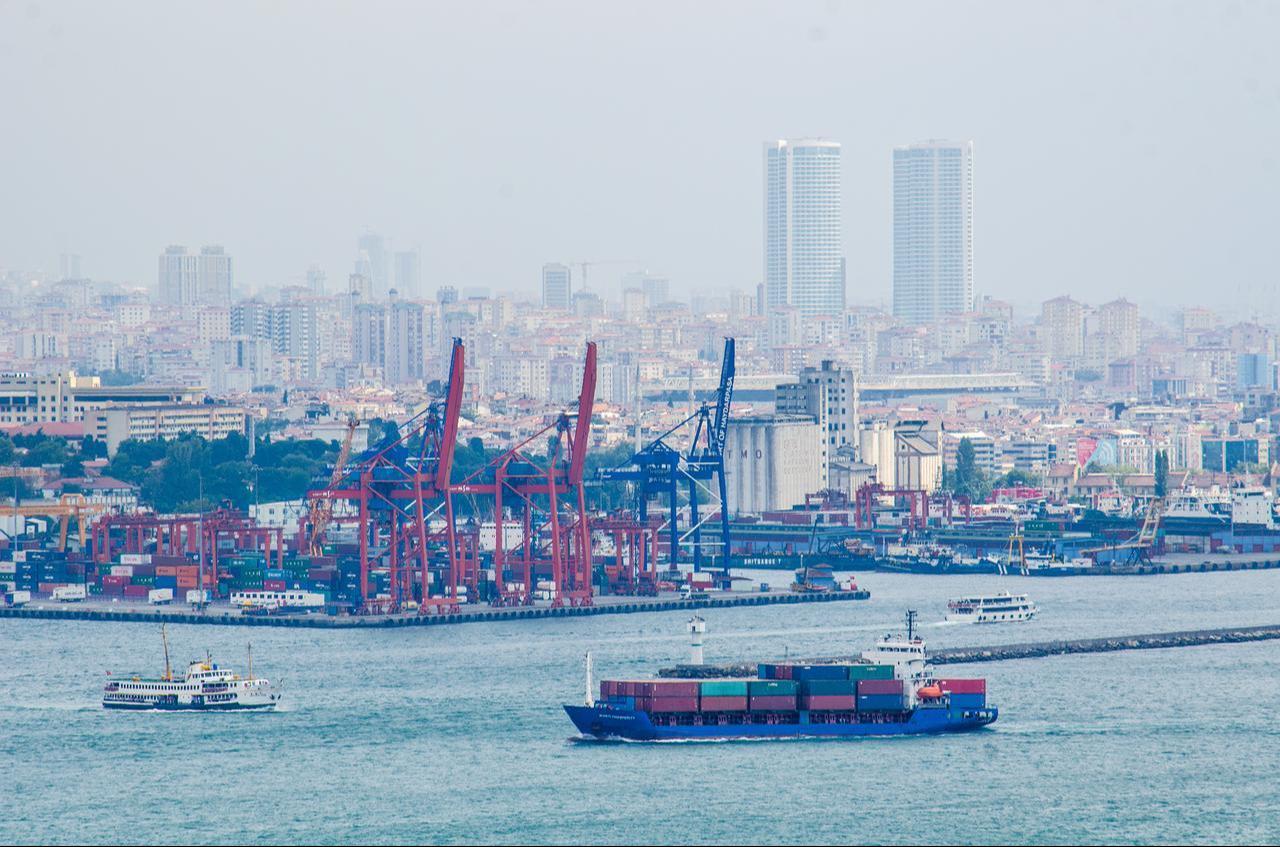

Adil Pelister, chairperson of the Istanbul Chemicals and Chemical Products Exporters' Association (IKMIB), noted that the change would pose an additional financial burden for chemical exporters already facing high input costs, urging the government to preserve the mechanism in a way that continues to support export-oriented production. "A retroactive application would be beneficial for the sector," he told business-focused ekonomim.com.
In the apparel industry, businesses are already facing rising labor costs and elevated financing expenses, Seref Fayat, head of the apparel and ready-wear assembly at the Union of Chambers and Commodity Exchanges of Türkiye (TOBB), said. "Right now, firms are in survival mode," Fayat stated, calling for an extension of the exemption to ease the financial burden. "With so many cost pressures, we’re not in a position to absorb even an additional one percent financial burden."
Ali Bakaner, a board member of the Istanbul Ferrous and Non-Ferrous Metals Exporters’ Association (IDDMIB), highlighted the positive impact the VAT exemption had on exports and warned that failing to renew it would place an undue financial strain on exporting firms. He emphasized the particular challenge posed by lengthy VAT refund processing periods, which, he said, further weakens exporters’ financial strength.


 Set as preferred source
 Set as preferred source


 1 min read
 1 min read