Newsletters


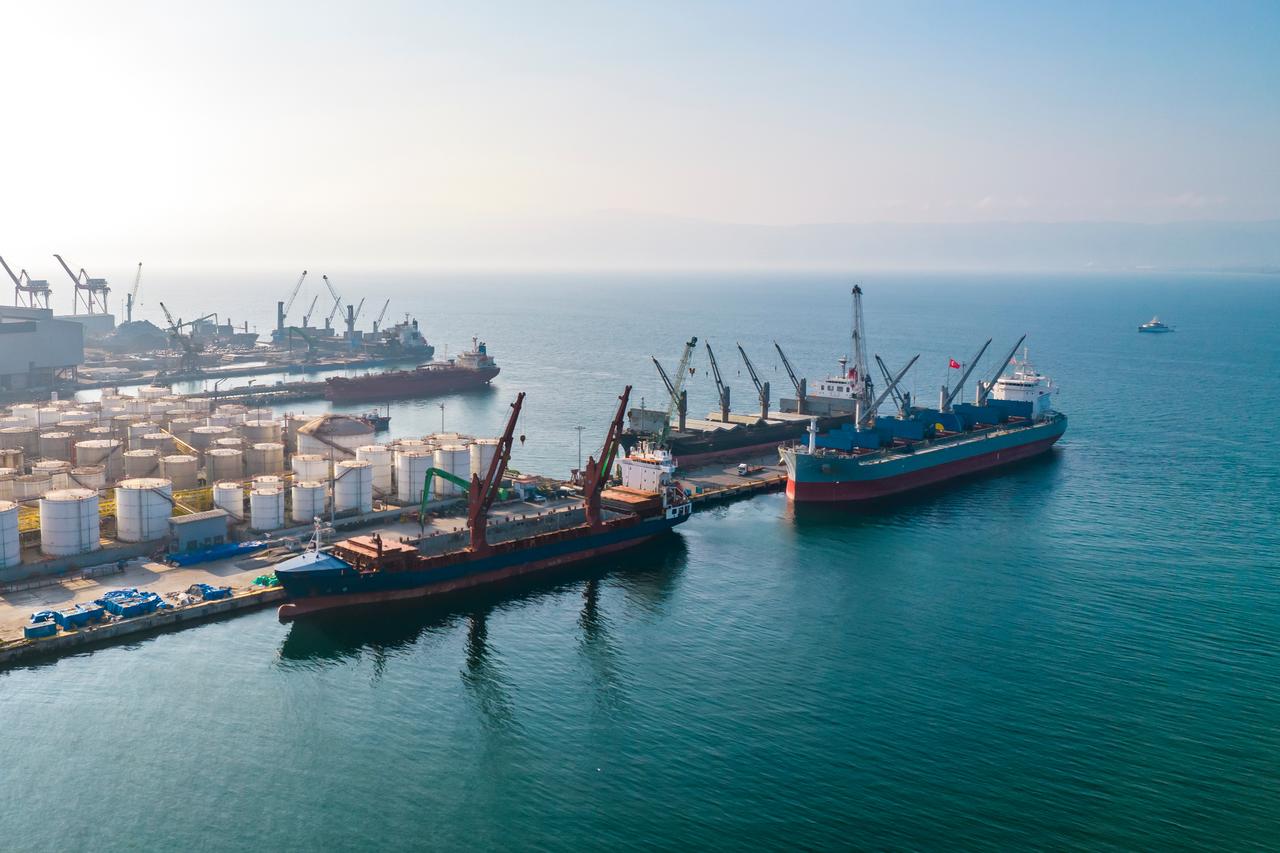


Türkiye’s foreign trade deficit climbed to $92.09 billion in 2025, up 12% compared to the previous year, according to data released by the Trade Ministry.
Both exports and imports grew over the year, pushing the total foreign trade volume to $638.96 billion, up 5.5% compared to 2024.
Total exports in 2025 rose by 4.5% to reach $273.43 billion, while imports grew at a faster pace of 6.3%, amounting to $365.52 billion.
In December alone, exports increased by 12.8% year-on-year to $26.41 billion, while imports rose 11.2% to $35.83 billion. The monthly foreign trade deficit stood at $9.42 billion, a 6.9% increase from the same period the previous year.
Overall trade volume for December reached $62.24 billion, reflecting an 11.9% year-on-year expansion.
The export-to-import coverage ratio rose by 1.0 percentage point to 73.7%, while it fell to 85.2% excluding energy and to 90.1% when both energy and gold were excluded.
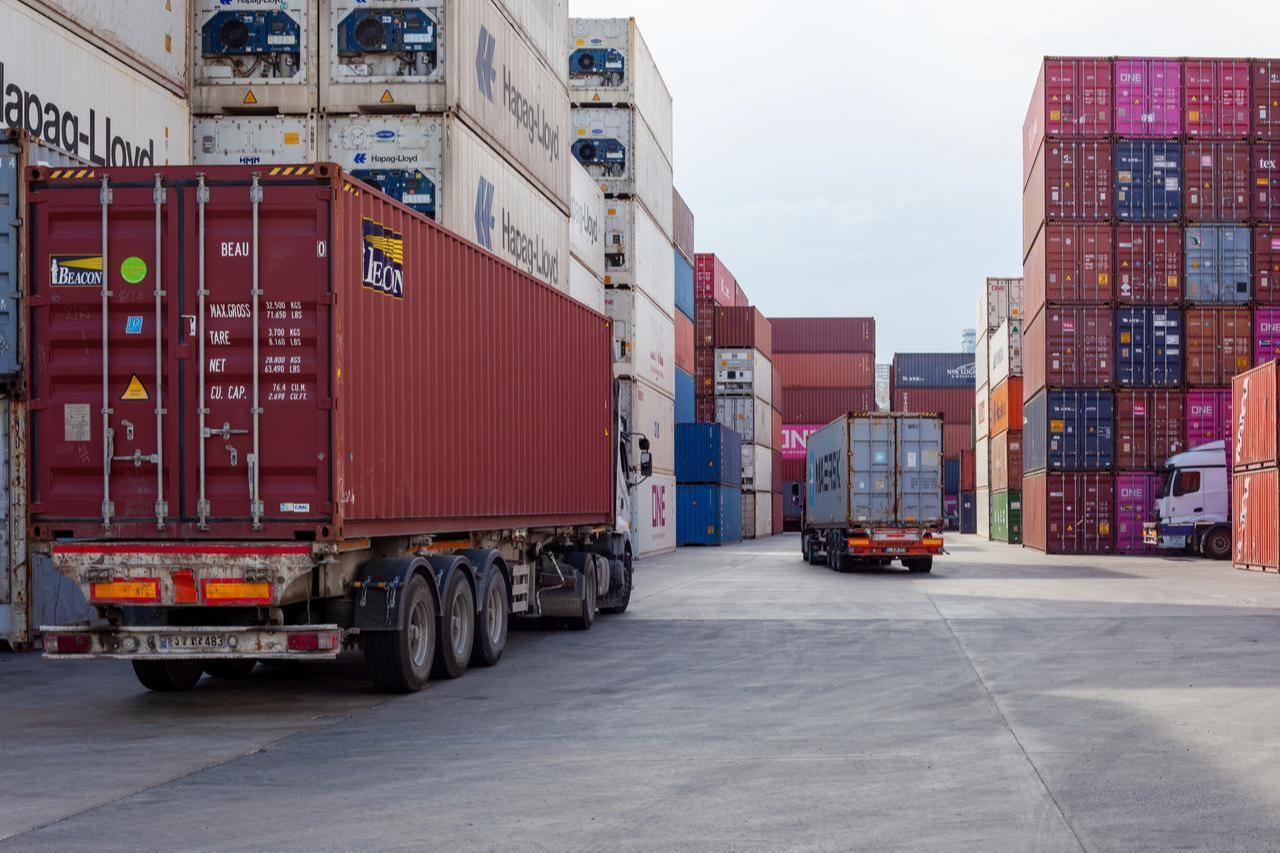

In December 2025, Türkiye’s exports were led by intermediate goods, which rose 6.4% to $11.77 billion. Consumer goods followed at $8.5 billion, up 1.3%, while capital goods increased sharply by 33.9% to $4.66 billion.
Germany remained the largest destination for Turkish exports with $1.76 billion, followed by the United States ($1.56 billion) and the United Kingdom ($1.51 billion).
On the import side, intermediate goods also dominated, increasing 6.3% to $23.49 billion. Imports of capital goods surged 38.6% to $6.41 billion, while consumer goods climbed 6.8% to $5.79 billion.
The manufacturing sector accounted for 80.9% of total imports, or $28.99 billion. Mining and quarrying made up 12.4% ($4.44 billion), and agriculture-related sectors contributed 4.3% ($1.53 billion).
China was Türkiye’s top import partner in December with $4.65 billion in shipments, ahead of Russia ($3.73 billion) and Germany ($3.03 billion).


 Set as preferred source
 Set as preferred source


 1 min read

 1 min read