Newsletters


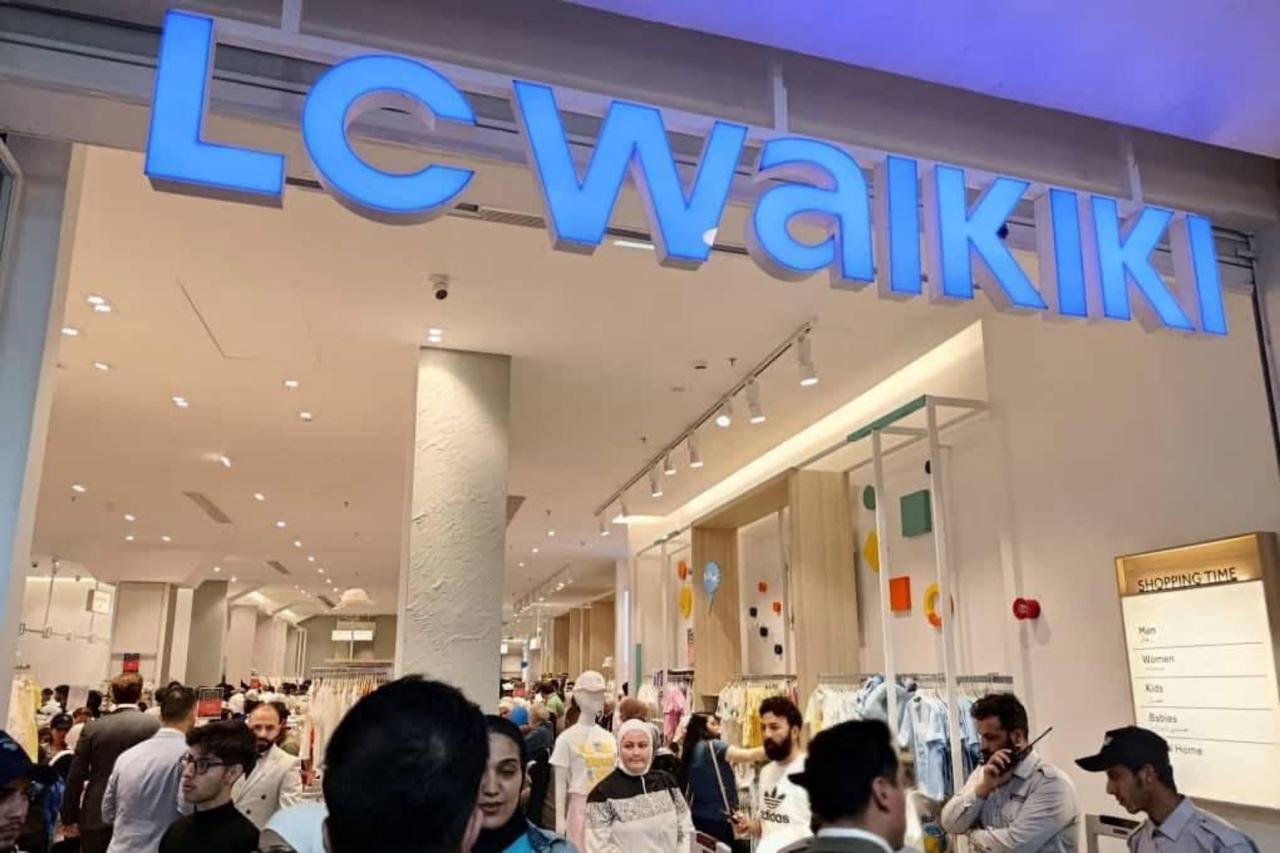


Syria is drawing fresh interest from Turkish garment companies as it works to rebuild an industry heavily damaged during years of war, with leading retailer LC Waikiki starting production in Aleppo in June and other firms assessing new investments.
The country received 234 investment applications covering the textile and ready-to-wear sectors during the first half of 2026, according to the Syrian media. The applications cover new facilities, factory upgrades and renewed production lines, and the figure refers to investment applications rather than actual factories.
The Syrian administration is seeking to support new production lines through financing, customs and tax incentives, with projects also covering the restart of idle factories and the expansion of existing capacity.
LC Waikiki is so far the clearest Turkish example of a company moving into direct production in Syria. The Turkish retailer had a presence in the country before the war, including a store, and had established a local company as it sought to expand its network.
The company opened its first post-war store at Damascino Mall in Damascus in May, offering men's, women's and children's clothing. Syrian reports also said the company planned further outlets in Aleppo, Homs, Latakia and a second Damascus location as part of a broader expansion plan.
Alongside its retail expansion, LC Waikiki has opened its first factory in Syria at the Al-Rai Industrial City in the Aleppo countryside, where production has begun. The plant has 150 employees, with plans to raise the workforce to 1,000 within three years.
The factory serves the Syrian market and has also started exporting products to European Union countries and the UAE, according to Syria's Ministry of Economy and Industry.
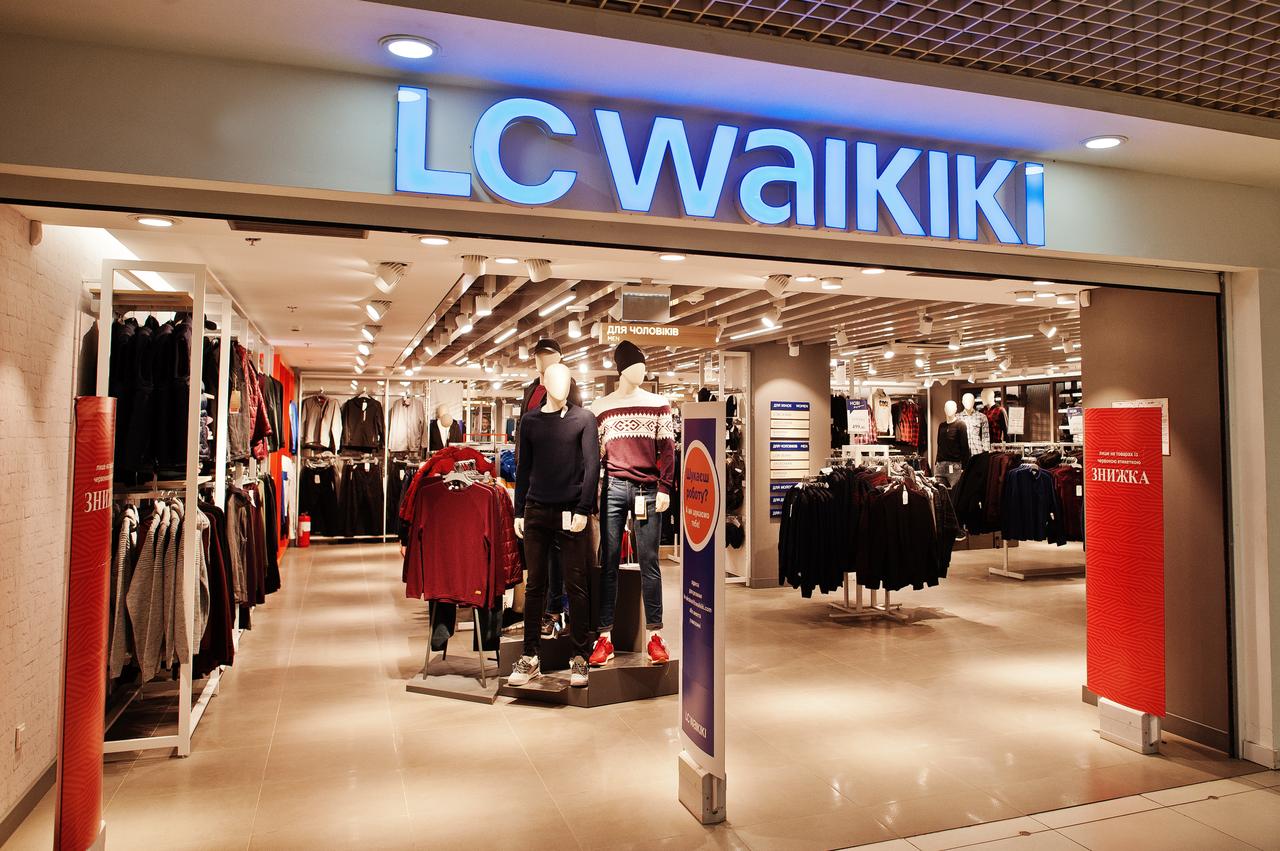

LC Waikiki's move comes as other Turkish companies examine ways to take part in Syria's industrial recovery.
Isparko is evaluating the possibility of establishing a factory through partnerships with Syrian local investors, company executive Umit Kerim said during Syria-Turkey business talks, business-focused ekonomim.com reported. The company has not completed a factory investment but is assessing production opportunities in the country.
The Turkish interest also extends to textile machinery and industrial equipment. Mikrotx is working with Turkish investors on projects to establish new textile and yarn factories in Syria, while Mersan and Tumkalip are involved in cooperation talks linked to the rebuilding of production capacity.
Syria's textile sector suffered major capacity losses during the war as factories were damaged and investors and skilled workers left the country. The administration has identified the industry as a priority area for recovery.
More recently, NASTEX 2026 in July brought together more than 300 companies from over 25 countries to discuss financing, production upgrades, incentives, digitalization and exports.


 Set as preferred source
 Set as preferred source


 1 min read

 1 min read