Newsletters


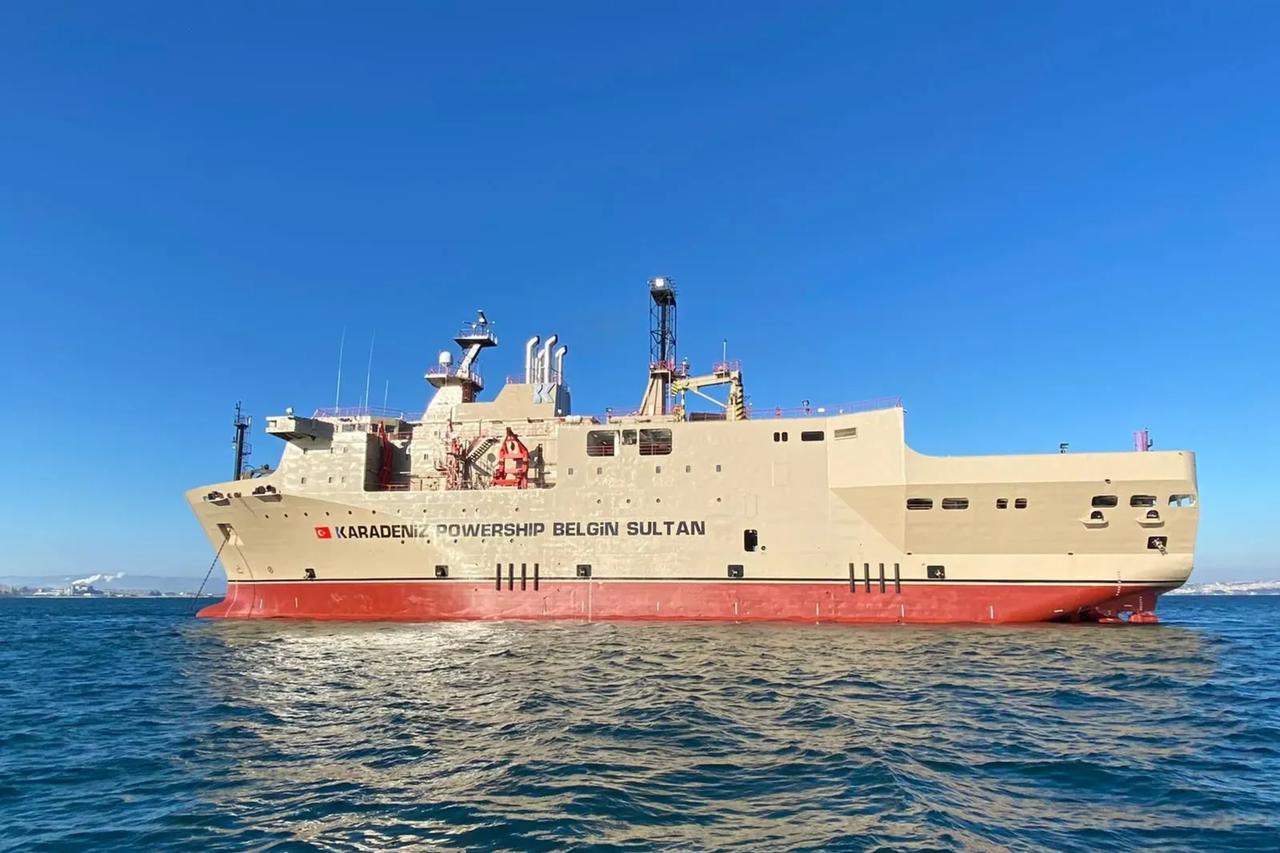


A Turkish floating power plant, Belgin Sultan, has helped reconnect parts of Cuba to electricity as the island grapples with worsening outages driven by fuel shortages, with U.S. sanctions limiting its ability to receive oil shipments.
The vessel, operated by Turkish energy conglomerate Karpowership, resumed generating power using its plug-and-play system to quickly feed electricity into the grid, Turkish media reported.
Belgin Sultan, with a capacity ranging from 15 MW to 76 MW, joins two other Turkish ships, Suheyla Sultan and Erol Bey, already operating in Havana. Together, they support electricity generation across several regions, helping restore supply after repeated disruptions.
In a statement, the Turkish company stressed that the development should not be seen as a new investment or expansion, but as a continuation of ongoing operations.
"With fuel supply restored, existing ships have been brought back online," it said. "The ongoing work is characterized as both humanitarian and infrastructural support."
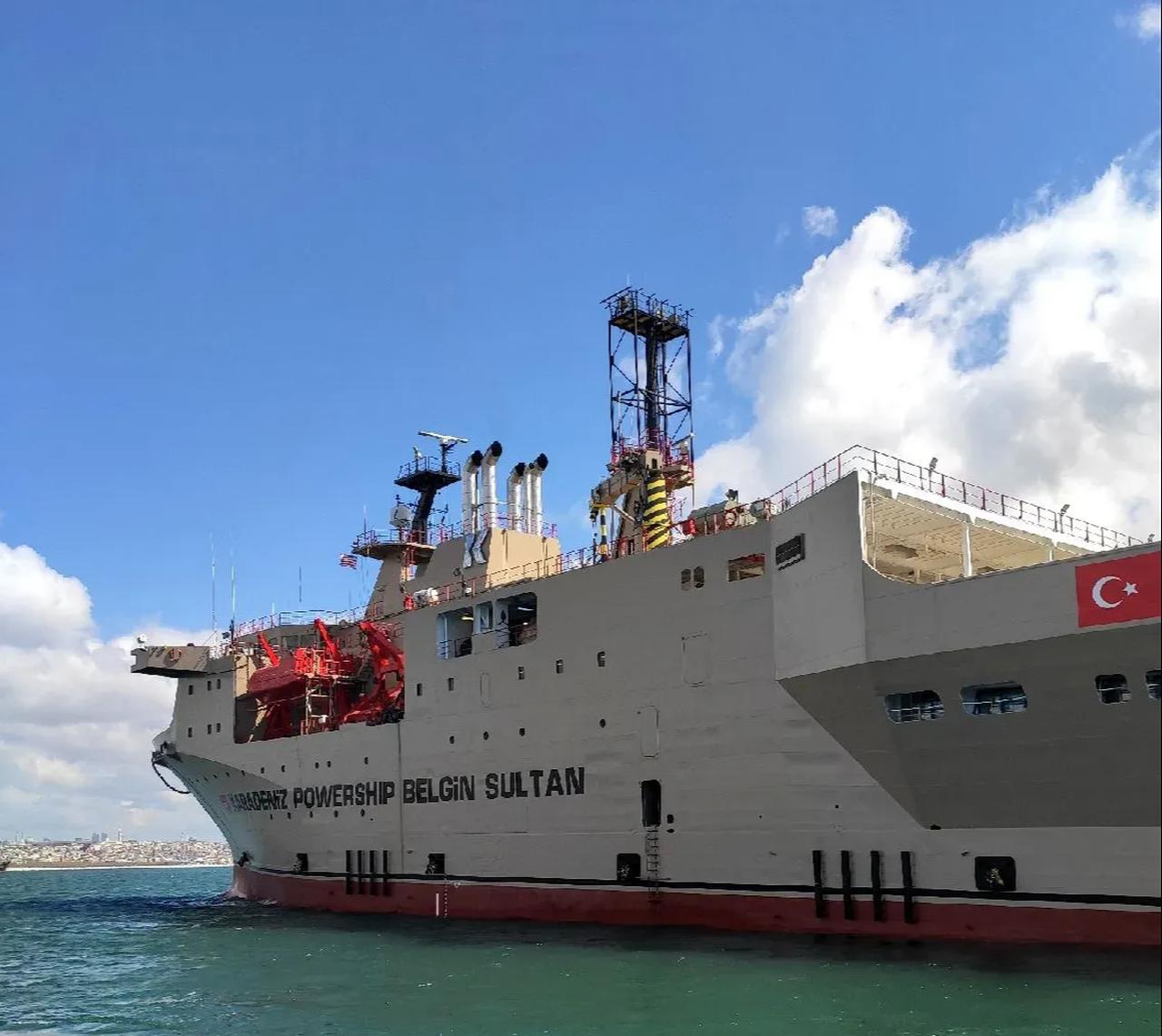

Turkish power ships have been active in Cuba since 2019, forming a key part of the country’s emergency energy response. Energy production by Karpowership had faltered in recent months due to fuel supply constraints, which forced some facilities offline.
The company had also scaled back operations at times due to payment issues, maintaining limited output with fewer assets and a land-based plant. A Russian tanker delivered 100,000 tons of crude oil to Cuba on March 30, helping restart stalled facilities and allowing power generation to resume after a period of inactivity.
Cuba’s power plants, averaging more than 40 years in service and operating at around 34% efficiency, remain under strain from years of underinvestment. As of 2026, Turkish power ships account for roughly 25% of the island’s electricity supply.


 Set as preferred source
 Set as preferred source


 1 min read
 1 min read