Newsletters


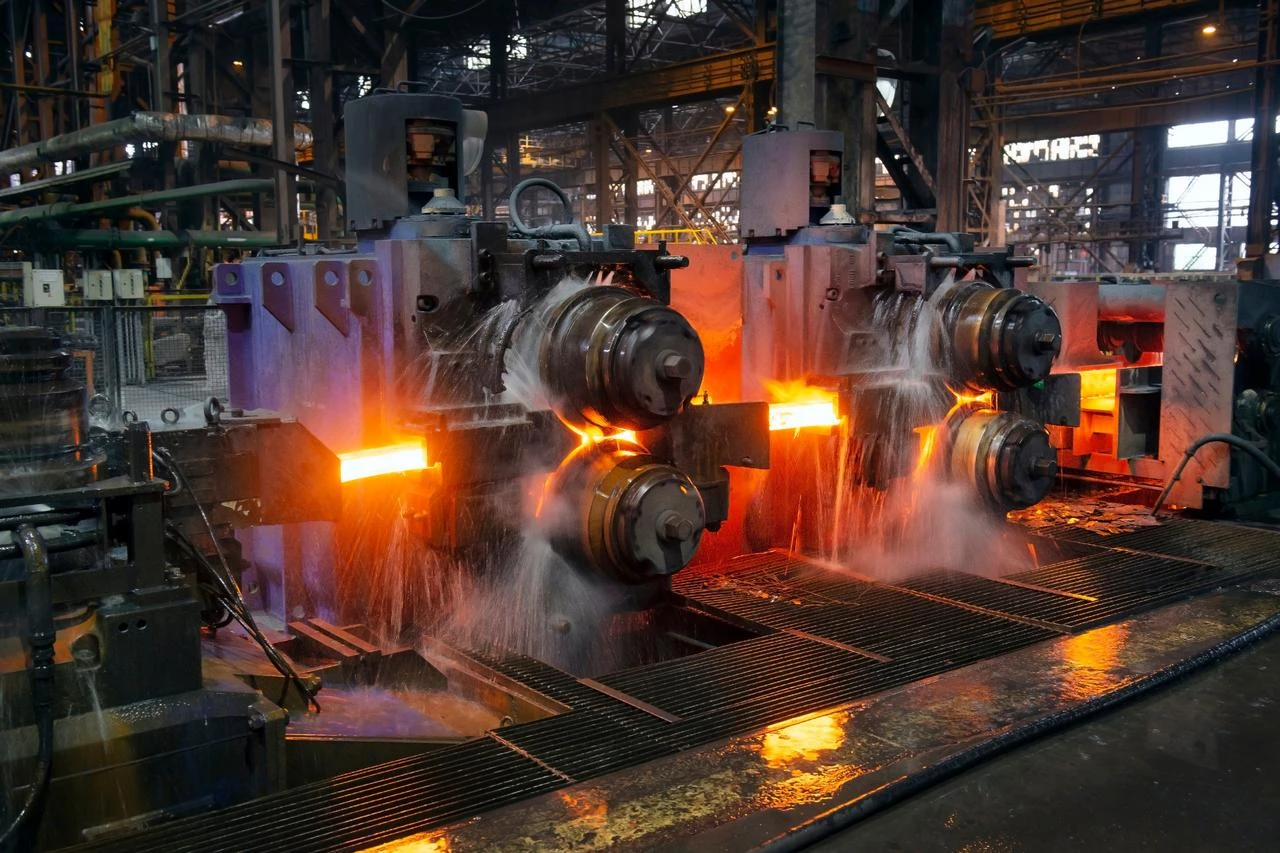


Türkiye's steel product exports jumped 28.4% year-on-year to 1.7 million metric tons in June, helping reverse a five-month slowdown as stronger demand from the Middle East and South America offset continued weakness in the European Union market, industry data showed.
Export revenues rose 29.7% from a year earlier to $1.2 billion during the month, according to the Turkish Steel Producers' Association (TCUD). For the first six months of 2026, steel product exports increased 2.5% to 7.8 million tons, while their value edged up 1.3% to $5.3 billion.
TCUD Secretary General Veysel Yayan said the industry's strong June performance reversed the decline recorded during the first five months of the year, driven mainly by robust demand from the Middle East and South America.
Exports to the Middle East jumped 80% to 212,600 tons in June, while shipments to South America surged 406% to 182,500 tons, he highlighted.
The United Kingdom and South America emerged as the fastest-growing export markets during the first half of the year. Shipments to the UK soared 246% to 407,000 tons, while exports to South America climbed 81% to 643,000 tons.
Turkish steel exports to the European Union fell 22% year-on-year to 2.6 million tons in the first half of 2026, leaving the bloc as the only regional market where shipments declined.
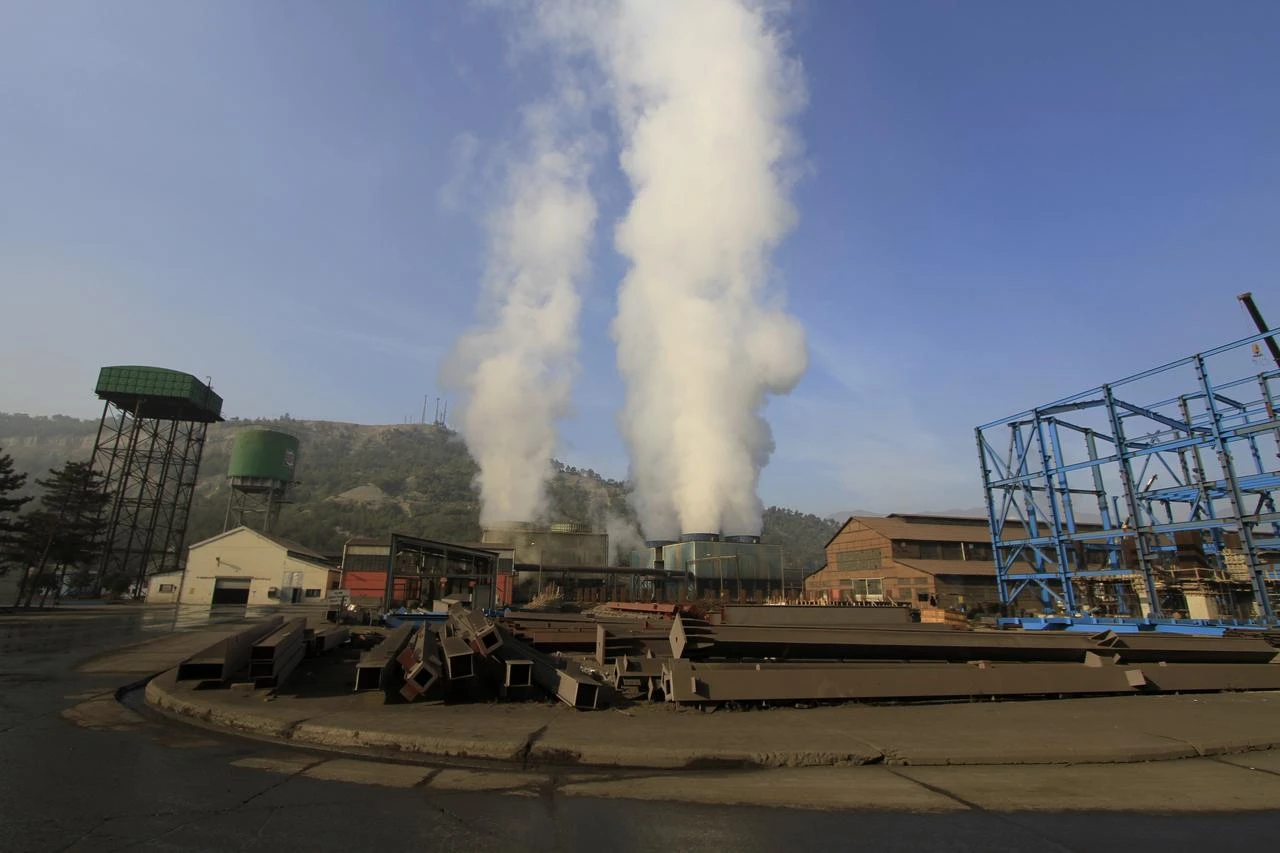

Türkiye's crude steel output rose 14.7% year-on-year to 3.3 million tons in June, bringing first-half production to 19.8 million tons, up 8.1% from a year earlier and helping the country retain its position as the world's seventh-largest crude steel producer.
Final steel product consumption increased 6.6% to 19.9 million tons over the first six months of the year.
Steel imports slipped 0.8% in June to 1.8 million tons, while first-half imports edged up 0.3% to 9.3 million tons. The sector's export-to-import coverage ratio improved to 83% from 80% a year earlier.
Looking ahead, Yayan called for stronger support from Turk Eximbank, the country's state-owned export credit agency, saying easier access to export financing and investment loans would help steelmakers expand higher value-added production, accelerate low-carbon investments and strengthen their competitiveness abroad.


 Set as preferred source
 Set as preferred source


 1 min read
 1 min read