Newsletters


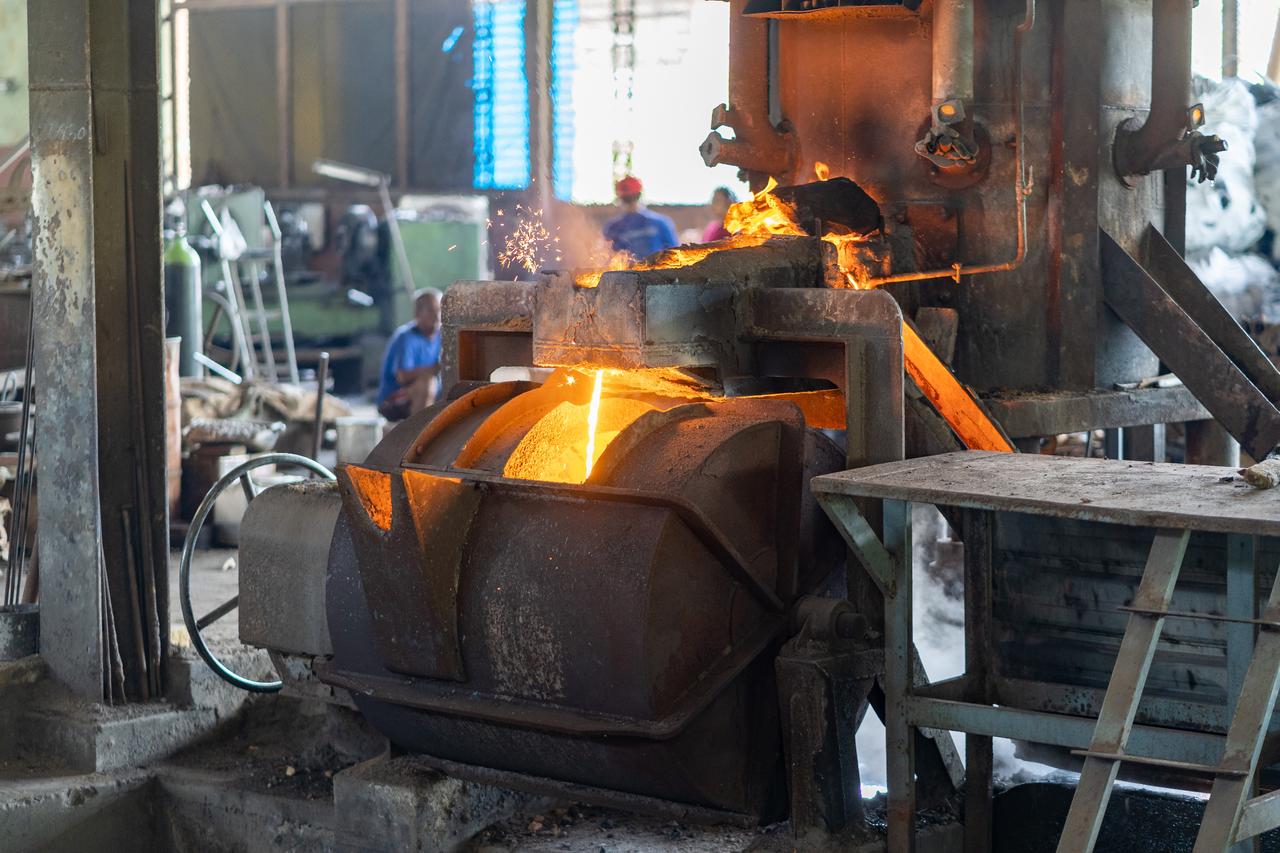


Türkiye’s steel imports climbed sharply in March, rising 38.2% year-on-year to 1.6 million tons as domestic demand stayed strong, with producers increasingly calling for action against unfairly priced imports to protect the domestic industry, particularly from Asia.
The latest data shows the sector closing the first quarter with gains in both production and consumption, even as export performance weakens and cost pressures build.
Crude steel output reached 3.3 million tons in March, marking a 6.4% increase compared to the same month last year. Over the January–March period, production rose 5.3% to 9.7 million tons.
Final product consumption jumped 20.9% in March to 3.2 million tons, while first-quarter consumption expanded 8.9% to 9.9 million tons.
Steel exports edged up 5% in March to 1.5 million tons, with value increasing slightly by 0.5% to $1 billion.
However, the broader quarterly picture shows a slowdown. Export volumes dropped 6.8% year-on-year to 3.5 million tons, while export value fell 9.4% to $2.3 billion.
At the same time, imports continued to outpace exports. In the first quarter, imports rose 2.6% to 4.3 million tons, although their total value slipped 1.5% to $3 billion.
The export-to-import coverage ratio declined from 84.5% last year to 77.8% this year, signaling a widening trade gap.
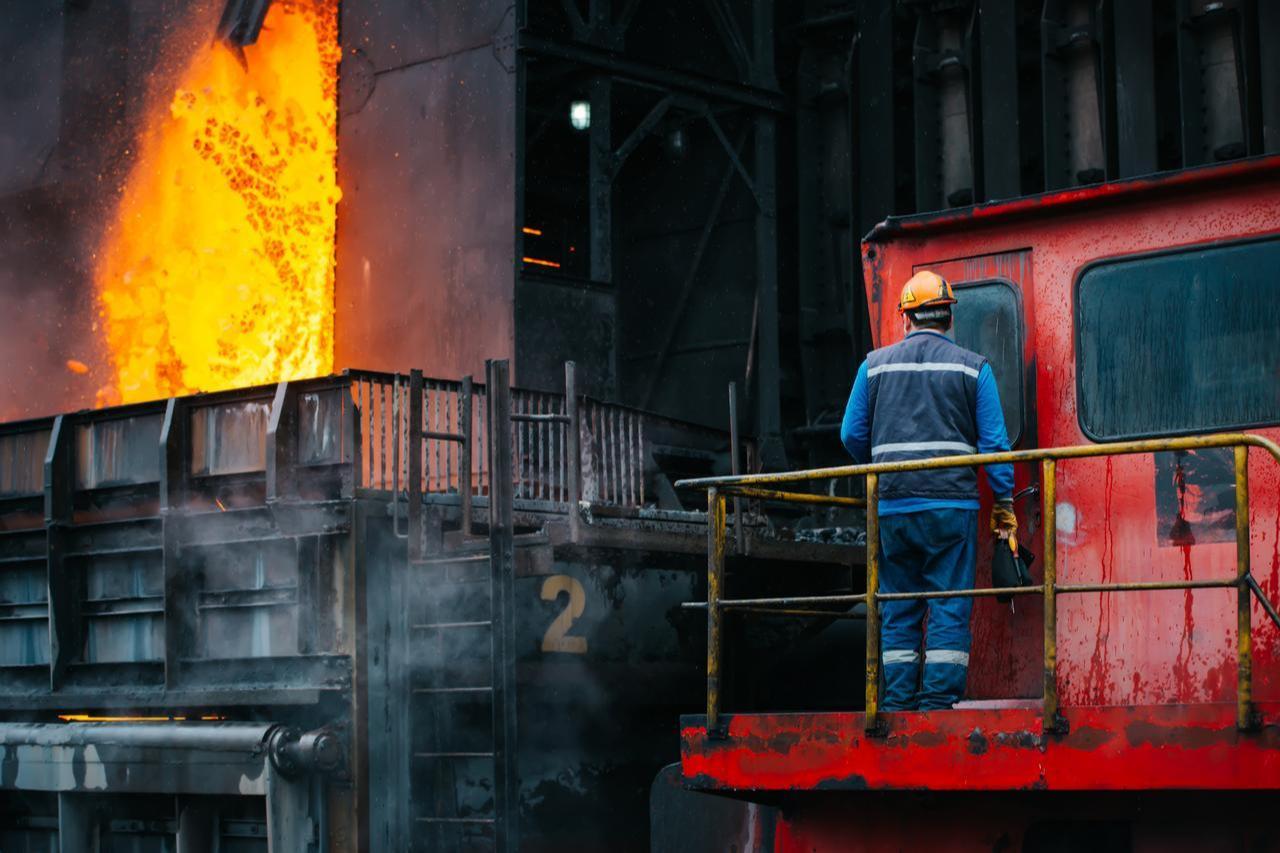

Industry representatives point to shifting global conditions reshaping trade flows. Tensions in the Gulf and Middle East are reworking supply chains, while Chinese producers, facing cost pressure, are taking a more cautious approach to orders.
"Geographical proximity and quality advantages have made Turkish steel more visible in the European market," Veysel Yayan, secretary-general of the Turkish Steel Producers’ Association, told Anadolu Agency.
He noted that rising scrap and energy prices, along with higher freight and insurance costs, are pushing production expenses upward and straining competitiveness.
Yayan also highlighted tightening global trade policies. The European Union’s new import restrictions, the United Kingdom’s plan to cut quota levels by 60%, and growth strategies in India and Indonesia centered on steel are all reshaping the competitive landscape.
He added that as protectionist measures spread across both developed and developing economies, stronger safeguards against dumped imports are becoming increasingly critical for Türkiye’s steel sector.


 Set as preferred source
 Set as preferred source


 1 min read
 1 min read