Newsletters




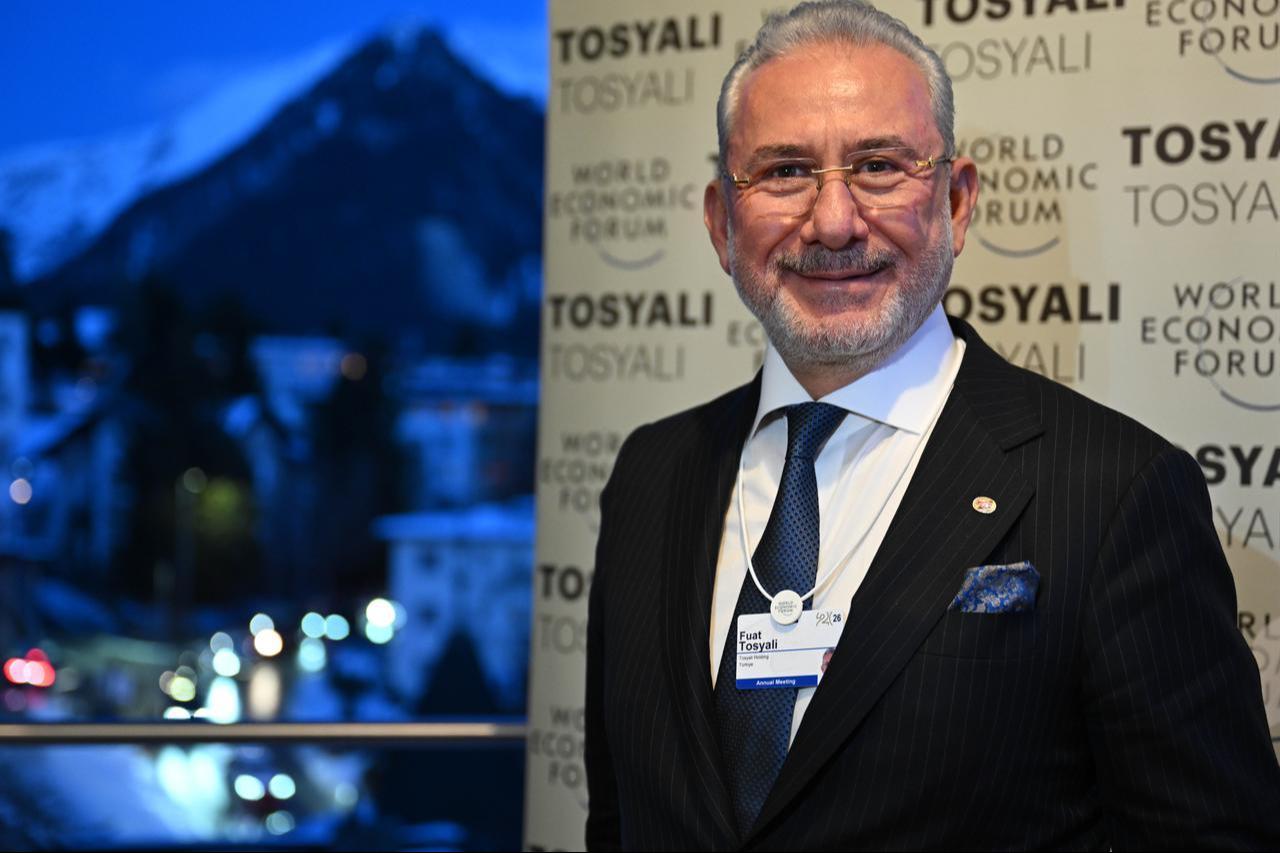
The EU should lift steel import quotas imposed on countries like Türkiye and Algeria, which are considered upstream producers with sustainable manufacturing processes, Fuat Tosyali, chairman of one of Türkiye's largest steelmakers, Tosyali Holding, said on Tuesday.
The European Commission has adopted a proposal to tighten import limits by up to 47%, reducing annual tariff-free steel imports to 18.3 million tons by July 2026.
Speaking on the sidelines of the World Economic Forum (WEF) in Davos, Switzerland, Tosyali referred to the plan and said, "If the EU wants to sustain its steel industry, it must liberalize steel imports from upstream suppliers such as Türkiye and Algeria."
Tosyali emphasized that including Türkiye in the EU’s quota cuts, despite its strategic role in feeding the European steel value chain, undermines the EU's own industrial goals.
"Measures introduced to shield the EU from Asian imports, particularly from China, are also being applied to Türkiye, but this undermines the future of the EU’s own steel industry," he told state-run Anadolu Agency.
He advocated prioritizing low-emission producers like Türkiye and Algeria to support the EU’s shift toward green steel, adding that removing import quotas on these upstream suppliers would help secure supply chains while advancing cleaner industrial practices across the bloc.
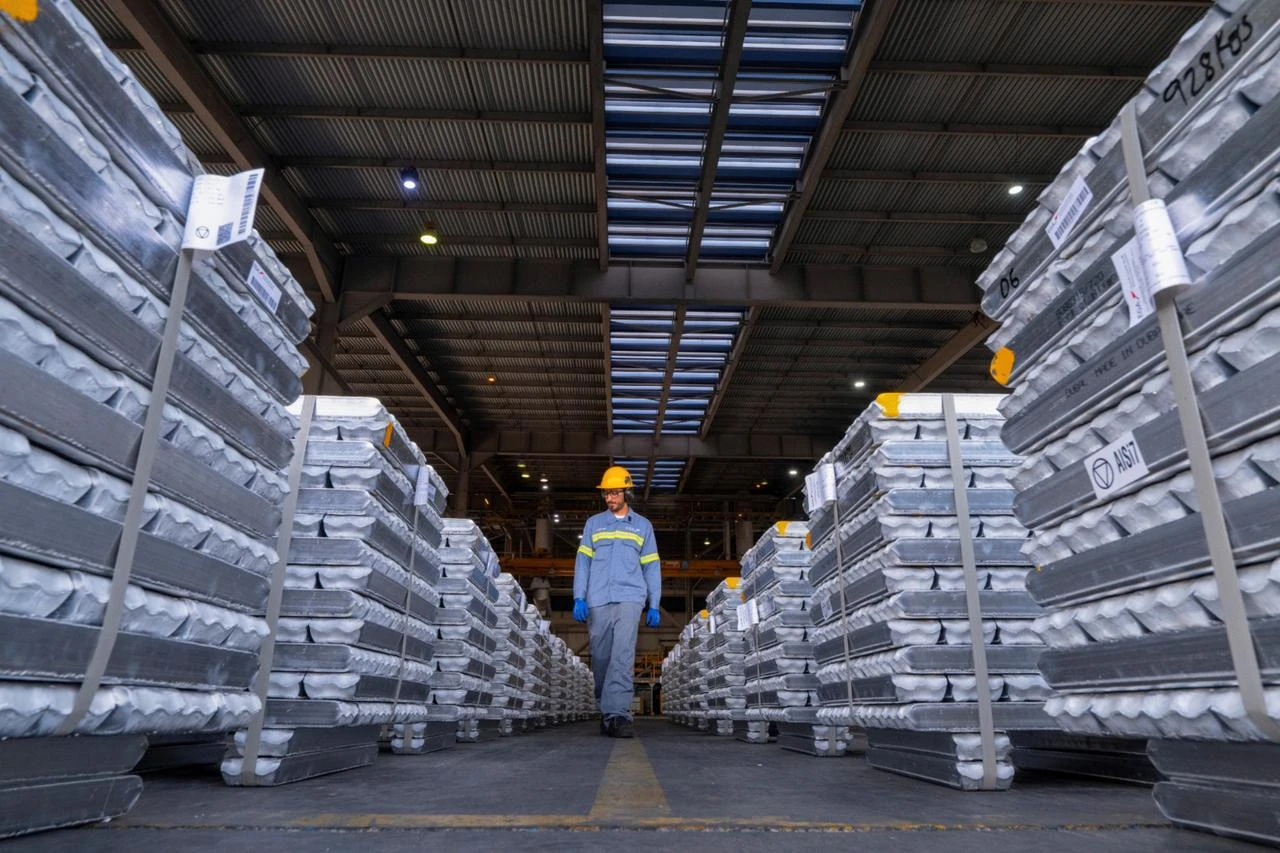
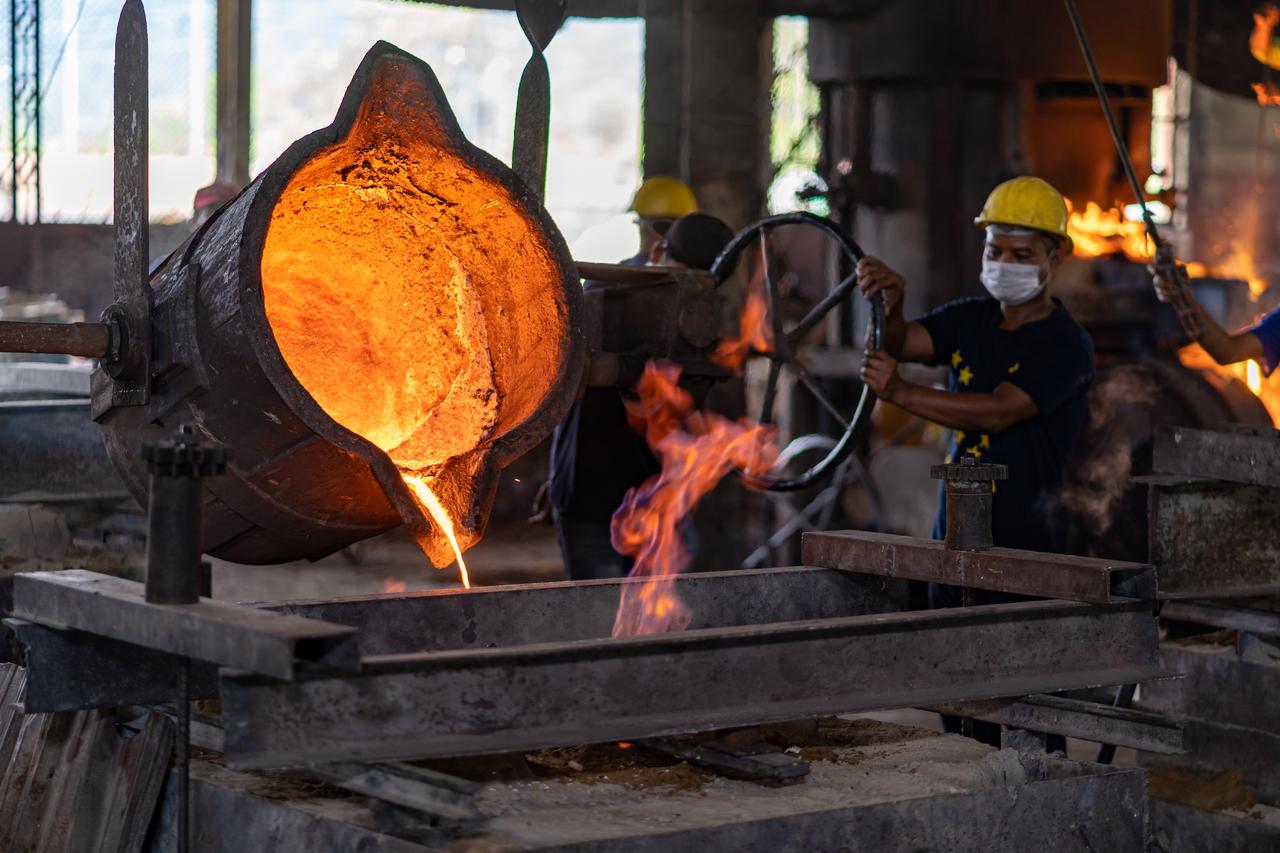
In the first 11 months of 2025, Türkiye produced 34.6 million tons of crude steel, surpassing Germany to become Europe’s leading steel producer, according to the World Steel Association.
During the same period, Türkiye’s steel exports to EU member states amounted to 5.43 million tons, generating €3.65 billion ($4.28 billion) in revenue, Eurostat data showed.

Tosyali also pointed to long-standing imbalances in the global steel market, particularly the dominant role of China.
"China alone accounts for roughly half of global crude steel production," he said, noting that this imbalance is further exacerbated by structural overcapacity, state-backed supply expansion, weakening global demand, and increasingly strict trade and carbon policies.
Tosyali estimated that the current global excess capacity in steel production stands at roughly 680 million tons and warned this could rise above 720 million tons by 2027.
According to Tosyali, this environment continues to erode price stability and production planning across markets.
Highlighting the sector’s role in global warming, Tosyali warned against public support for high-emission plants with outdated technology.


 Set as preferred source
 Set as preferred source


 1 min read
 1 min read