Newsletters


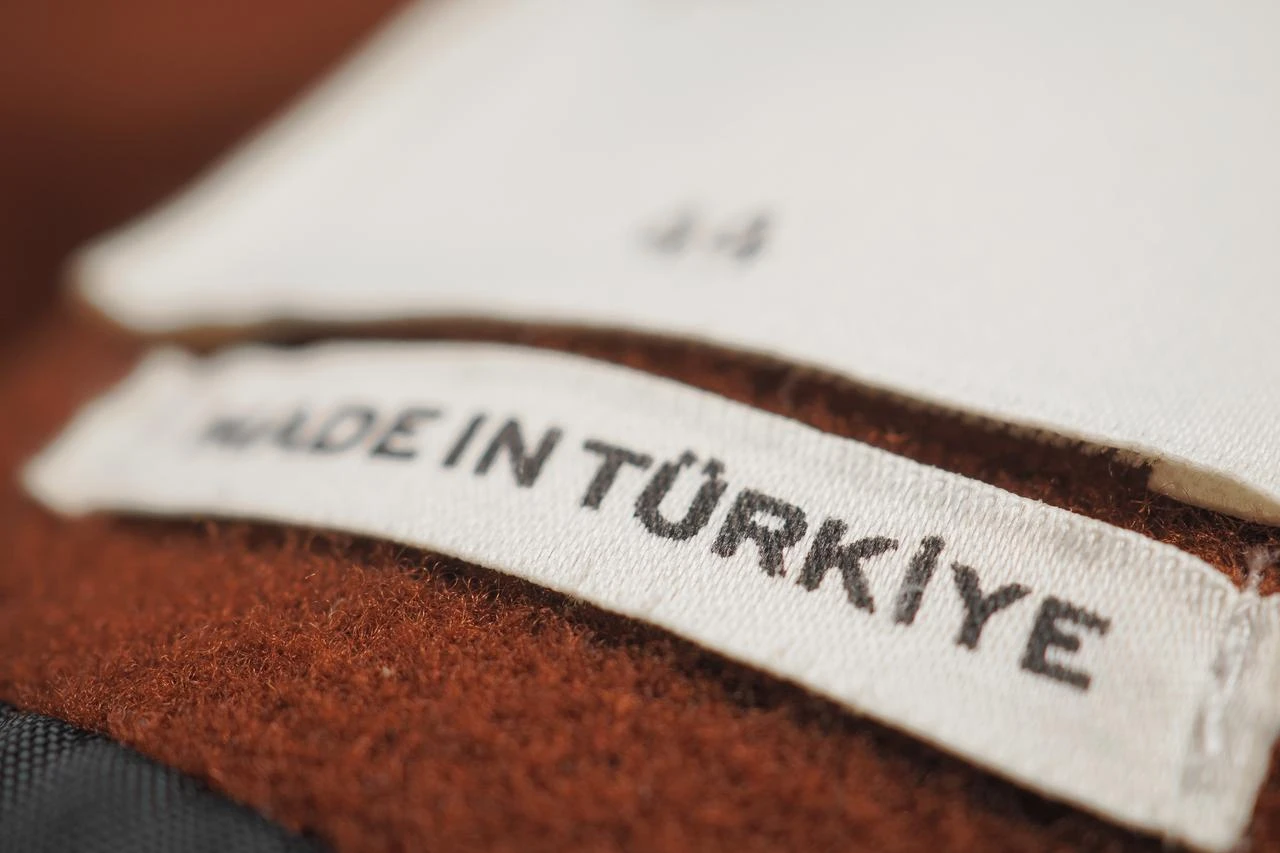


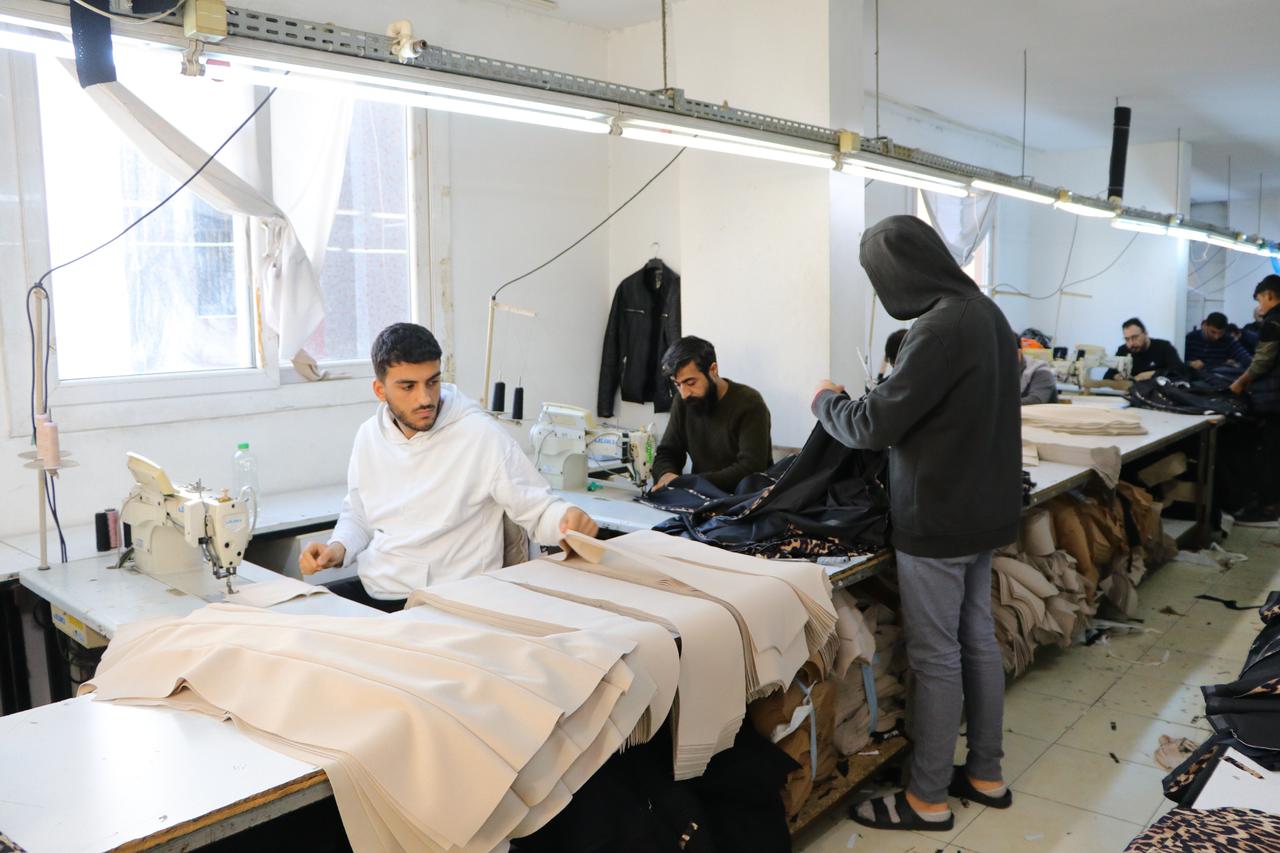
Turkish textile and apparel industry representatives are pushing back against a new 12.5% U.S. tariff on imports from Türkiye, warning the measure could severely undermine their competitiveness in one of the world's largest clothing markets, DW Turkish reported Friday.
The new tariff regime, signed by U.S. President Donald Trump and in effect since July 25, has caused frustration across Türkiye's textile, apparel and clothing industries, which were already struggling with rising costs, company closures and widespread job losses.
Industry representatives argue that Türkiye has been unfairly placed at a disadvantage against major competitors and are calling on President Recep Tayyip Erdogan and other Turkish officials to press Washington to reconsider the measure.
Erdal Bahcivan, chairman of the Istanbul Chamber of Industry (ISO), described the U.S. decision as a "clear injustice" against the Turkish textile and apparel sector.
Bahcivan said the additional 12.5% tariff would weaken Turkish companies against competing producers and argued that the measure was inconsistent with principles of fair and reciprocal trade.
He also noted that Türkiye is not among the countries that consistently run large trade surpluses with the United States, questioning why it had been subjected to treatment similar to economies that do.
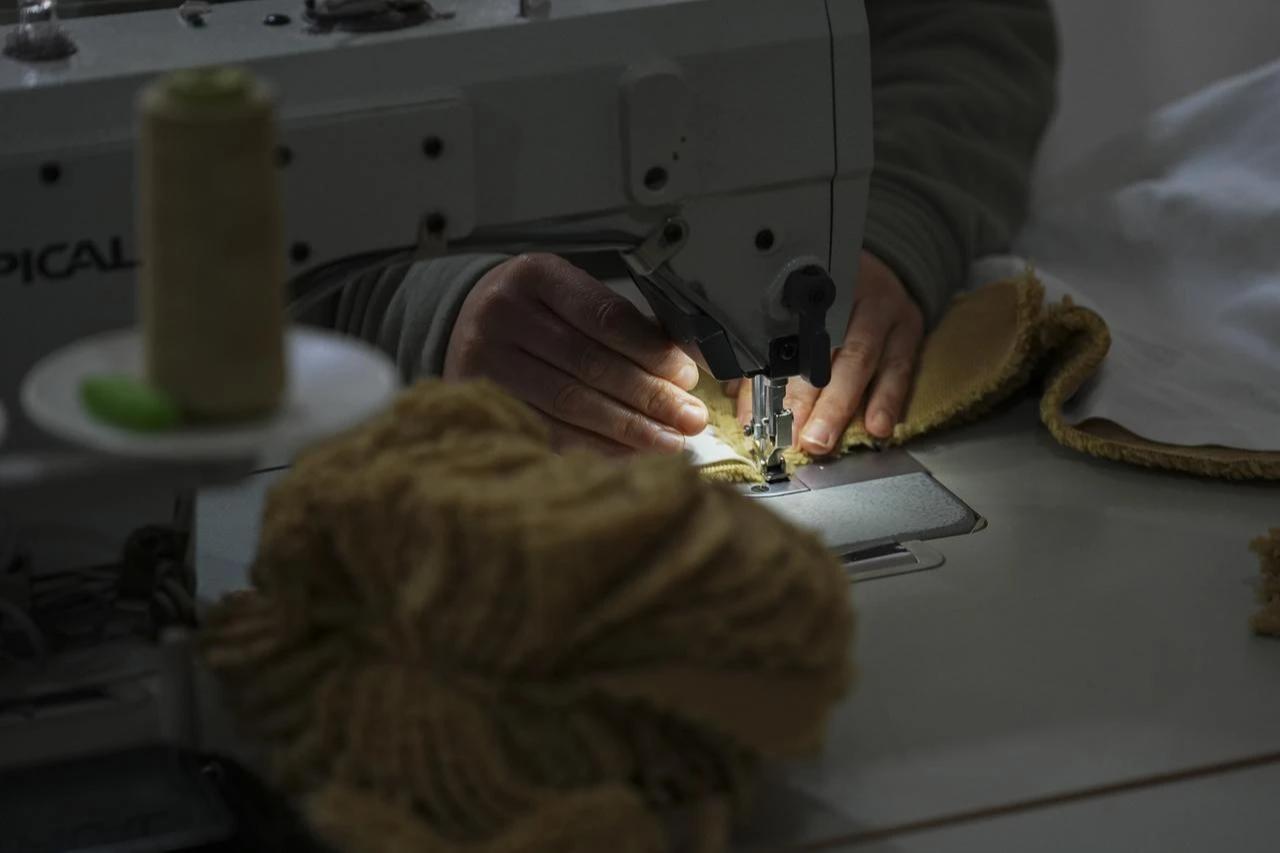

Türkiye exported a combined $26.2 billion worth of textiles, apparel and clothing in 2025, according to Turkish Exporters Assembly (TIM) figures cited in the report.
Apparel and clothing accounted for $16.8 billion of that total, while textile and raw material exports amounted to $9.4 billion.
Exports from those industries to the United States reached $1.4 billion during the same period, giving the American market a 5.3% share of Türkiye's total textile and clothing exports.
Although that share remains relatively modest, access to the United States is considered particularly important for Turkish producers because the country imports more than $100 billion worth of textiles and clothing annually.
Türkiye also remains one of the world's leading textile exporters.
According to the World Textile and Raw Materials Foreign Trade Report 2025 cited by DW Turkish, global exports of textiles and raw materials declined 1.3% last year to $349.3 billion.
Türkiye ranked fifth among the world's largest exporters in the sector, behind China, European Union countries, India and the United States.
Türkiye held a 3.3% share of the global market, with technical textiles, woven fabrics, home textiles and knitted fabrics among its leading export categories.

The tariff decision has also angered traders and manufacturers in Istanbul's Laleli district, one of Türkiye's best-known centers for textile and apparel trade.
Giyaseddin Eyyupkoca, chairman of the Laleli Industrialists and Businesspeople Association (LASIAD), told DW Turkish that Turkish businesses felt betrayed by Trump, who has repeatedly referred to Türkiye as a friend.
"We got stabbed in the back by a friend," Eyyupkoca said, describing the industry's reaction to the decision.
He said exporters were already going through a difficult period and that the additional tariff would add another major burden at a time when businesses were struggling to remain competitive.
According to the report, Eyyupkoca questioned the economic justification for the decision, pointing to what he described as strong relations between Ankara and Washington.
He said he believed political considerations were behind the measure and called for Erdogan to intervene at the highest level to seek its reversal.
Seref Fayat, chairman of the apparel and clothing sector council at the Union of Chambers and Commodity Exchanges of Türkiye (TOBB), also criticized Washington's decision, arguing that tariffs designed to penalize countries running trade surpluses with the United States should not be applied in the same way to Türkiye.
Fayat said Türkiye had been subjected to a tariff it did not deserve.
He said the latest changes had increased the tariff burden on Turkish products to 29%, while the corresponding rate for EU countries stood at 16.5%.
The disparity, he said, leaves Turkish companies in a weaker position not only against European producers but also against major Asian competitors such as Bangladesh, Vietnam and Indonesia.
According to the report, Fayat said Türkiye had effectively lost its competitive advantage against those countries in the U.S. market.
The tariff dispute comes as Turkish exporters have been attempting to expand their presence in the United States while confronting difficult conditions in traditional markets and increasing domestic production costs.
Fayat said Turkish Trade Ministry and Foreign Ministry officials were already in contact with U.S. counterparts in an effort to resolve the issue.
He expressed hope that the talks would produce a positive result soon and said Türkiye should at minimum receive the same tariff treatment applied to EU countries.
According to Fayat, the United States has become Türkiye's second-largest export destination after Germany based on the latest figures, increasing the importance of resolving the tariff dispute.
 1 min read
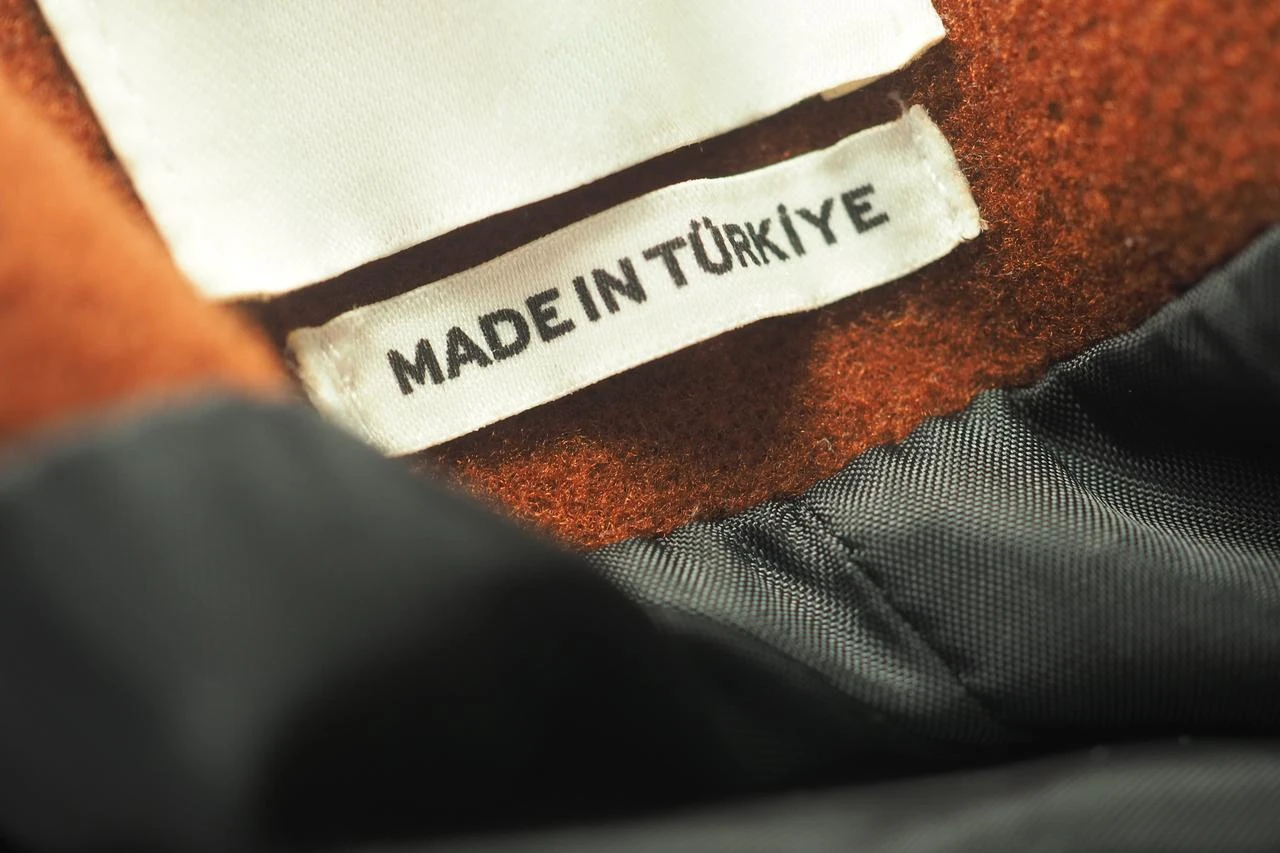
The new U.S. measure comes at an especially difficult time for Türkiye's textile and clothing sector.
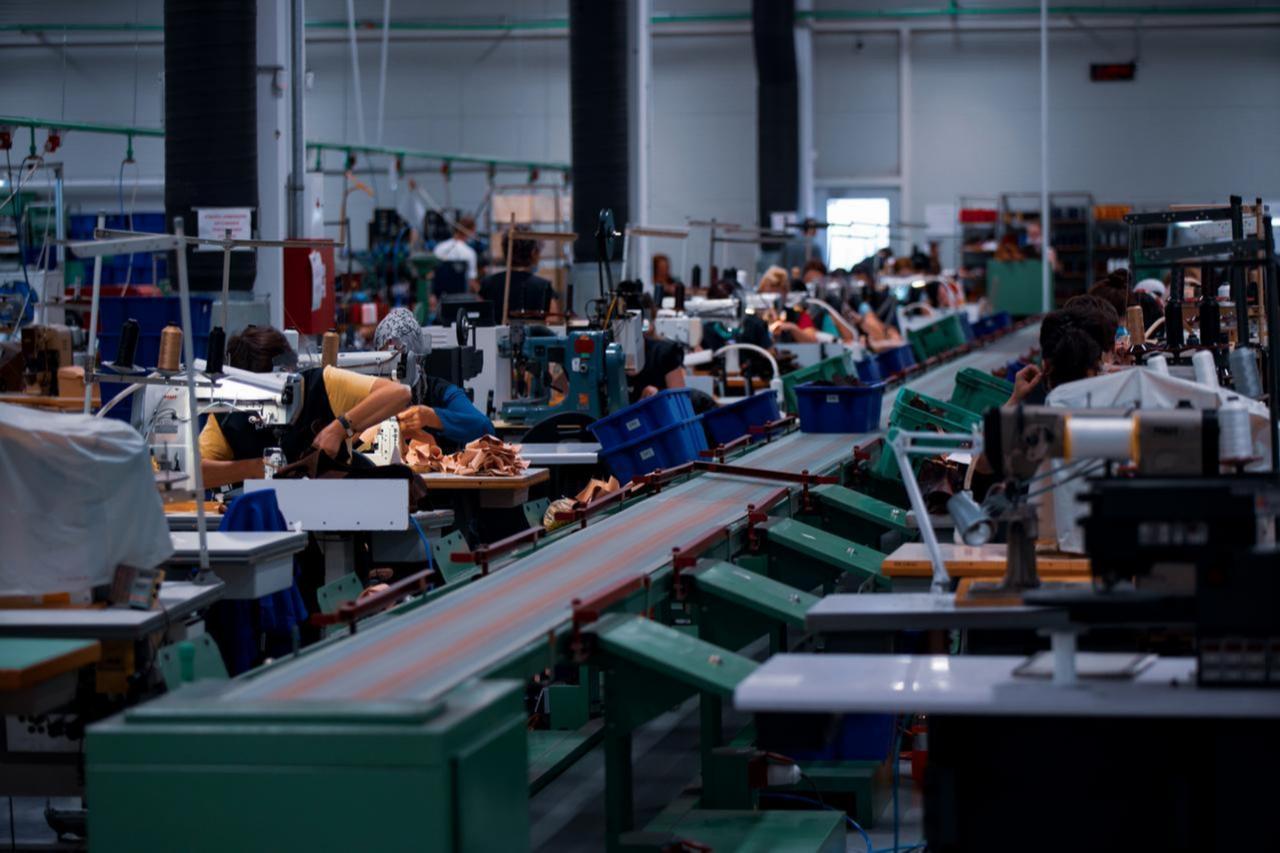
Once widely described as one of the country's main sources of employment, the industry has been losing companies and workers as high inflation and rising production costs erode manufacturers' margins.
More than 200 Turkish companies have also moved production to Egypt, according to the report, seeking lower operating costs.
Social Security Institution (SGK) figures cited by DW Turkish show that 1,011 textile companies closed between December 2024 and May 2026, reducing the number of companies operating in the sector to 18,450.
Employment in the textile industry fell by 41,086 over the same 18-month period.
The decline was even sharper in apparel.
A total of 4,766 apparel companies closed during the same period, while employment fell by 80,686.
Taken together, Türkiye's textile and apparel industries lost 5,777 companies and 121,772 jobs in the 18 months through May.
The report said employment losses across the two industries have exceeded 300,000 over the past three years.


 Set as preferred source
 Set as preferred source


 1 min read