Newsletters


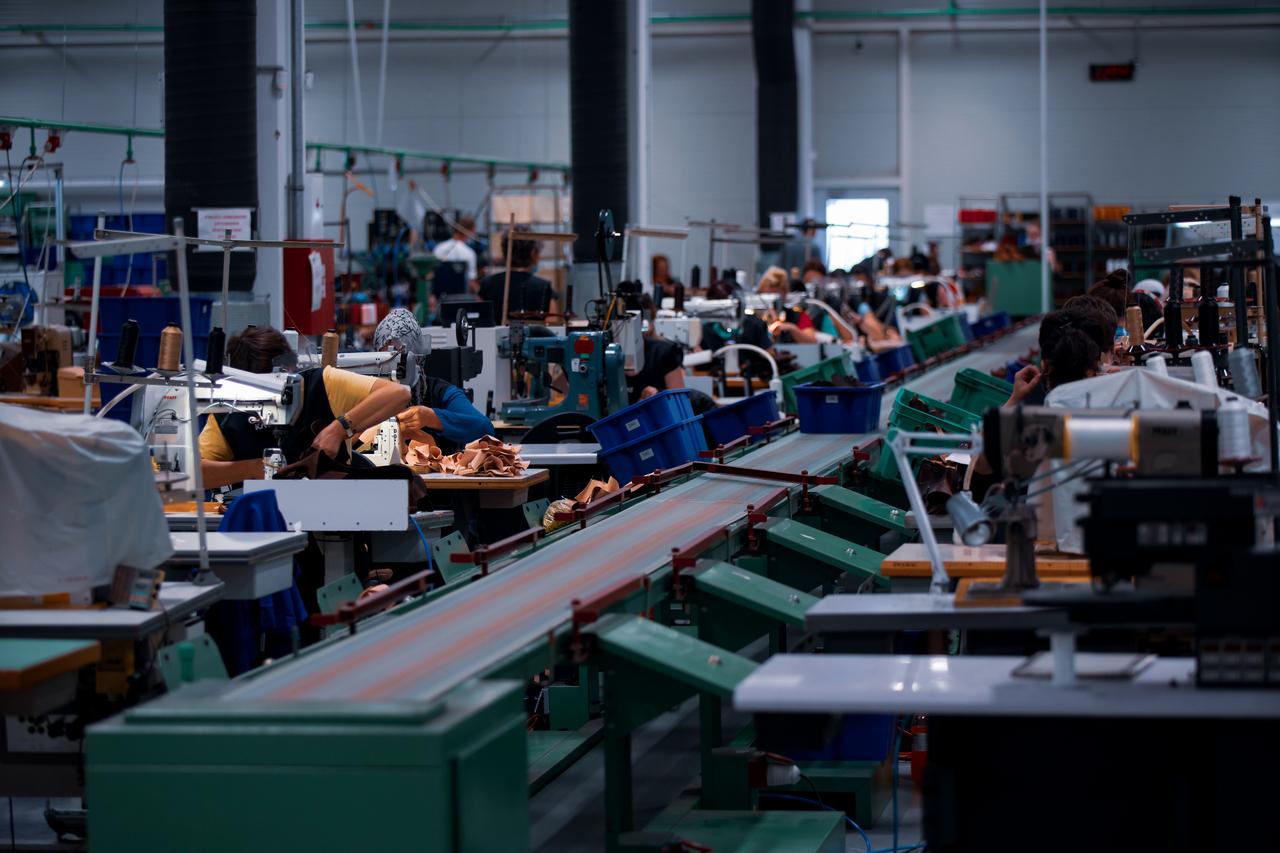


Türkiye’s textile and ready-to-wear industry, one of the country’s long-standing economic mainstays, is experiencing what industry leaders describe as its most severe downturn in at least two decades, with over 300 companies filing for bankruptcy protection this year and job losses exceeding 300,000 over the past two years.
The sharp contraction of the sector is now described by stakeholders as a structural breakdown rather than a temporary disruption, citing collapsing export demand, rising production costs, and a shrinking labor pool as key drivers of the crisis.
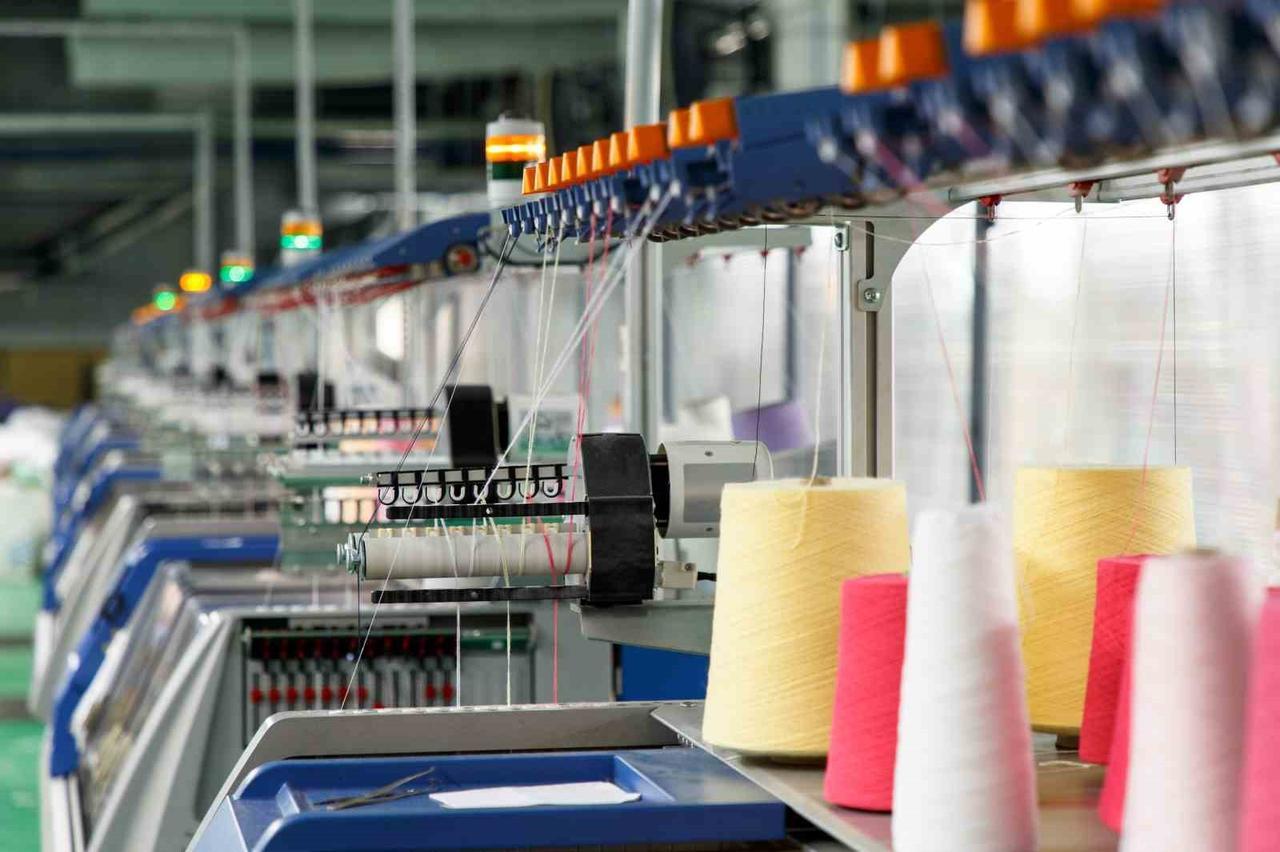
According to Türkiye daily, in major textile hubs such as Istanbul, Denizli, Bursa, Gaziantep and Kahramanmaras, many factories have either shut down entirely or reduced their operational capacity to as low as 30%–40% of normal levels.
Meanwhile, exports, traditionally the sector’s lifeline, have also remained strained, driven by weak demand from Europe and rising input costs.
Türkiye’s textile exports reached $8.6 billion as of November, while ready-to-wear exports totaled $15.5 billion, together accounting for $24.1 billion, maintaining the sector’s position as one of Türkiye’s leading export-oriented industries. However, the total also reflects a 23.6% decline from 2022’s record high of $31.56 billion during the same period, according to official figures.
Turkish manufacturers are increasingly struggling to remain competitive against producers in Asia, notably China, Bangladesh, and Vietnam, who offer lower prices backed by cheaper labor and energy.

Istanbul’s once-bustling textile trade districts—Merter, Osmanbey, and Laleli—are seeing widespread closures.
These areas, formerly popular with foreign buyers, especially from Russia, Ukraine, Kazakhstan, Georgia, and Central Asia, now feature rows of shuttered showrooms. Retailers cite a steep fall in orders, rising costs, and a lack of access to financing as critical pressures.
Shop owners also report a major shift in foreign purchasing habits, including a sharp decline in cash buyers. Changing perceptions of safety in the region and worsening economic conditions in client countries have further discouraged buyers from returning.
The industry is also grappling with a fast-declining supply of low-cost labor. Syrian refugees, who have long formed a large part of the workforce in labor-intensive segments such as sewing, dyeing, and cutting, are increasingly returning to their home country.
At the same time, younger Turkish workers show little interest in entering the sector, exacerbating the labor shortage.
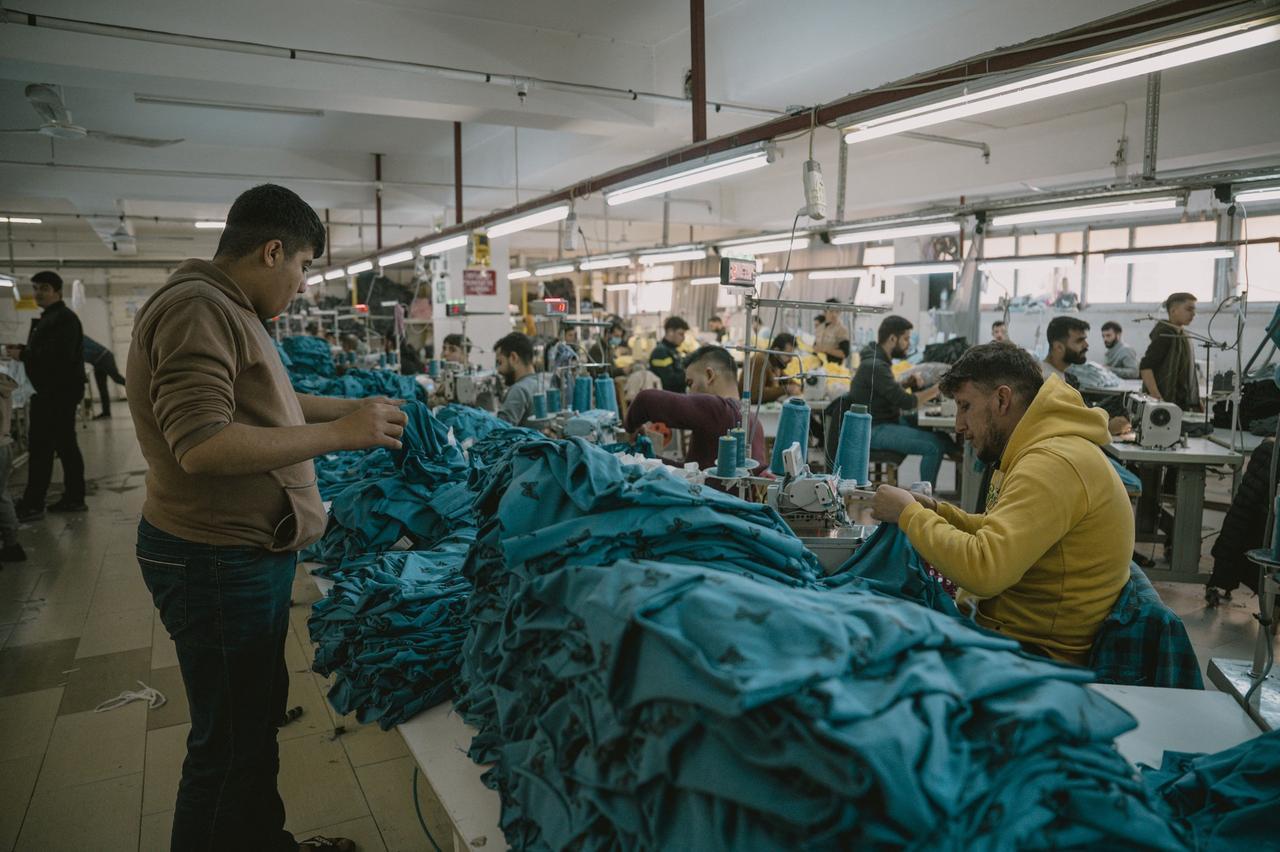
As traditional export markets contract and Türkiye's products become less price-competitive, many manufacturers say they can no longer cover even basic production costs. Some are opting to exit the sector altogether, shifting into warehousing, logistics, or other commercial activities with more stable margins.
Ahmet Oksuz, head of the Istanbul Textile and Raw Materials Exporters’ Association, stressed the wider impact of company failures, stating, "A firm filing for concordatum affects not only itself but hundreds of suppliers of raw materials, products, and services."
He warned that if concordatum coverage is not limited to debts owed to banks and public institutions and instead includes market liabilities, "the continuity of trade will be at risk."
Oksuz also emphasized the need for a new roadmap focused on "technological transformation, branding, technical textiles, and sustainable production" to overcome the current bottleneck.


 Set as preferred source
 Set as preferred source


 1 min read

 1 min read