Newsletters


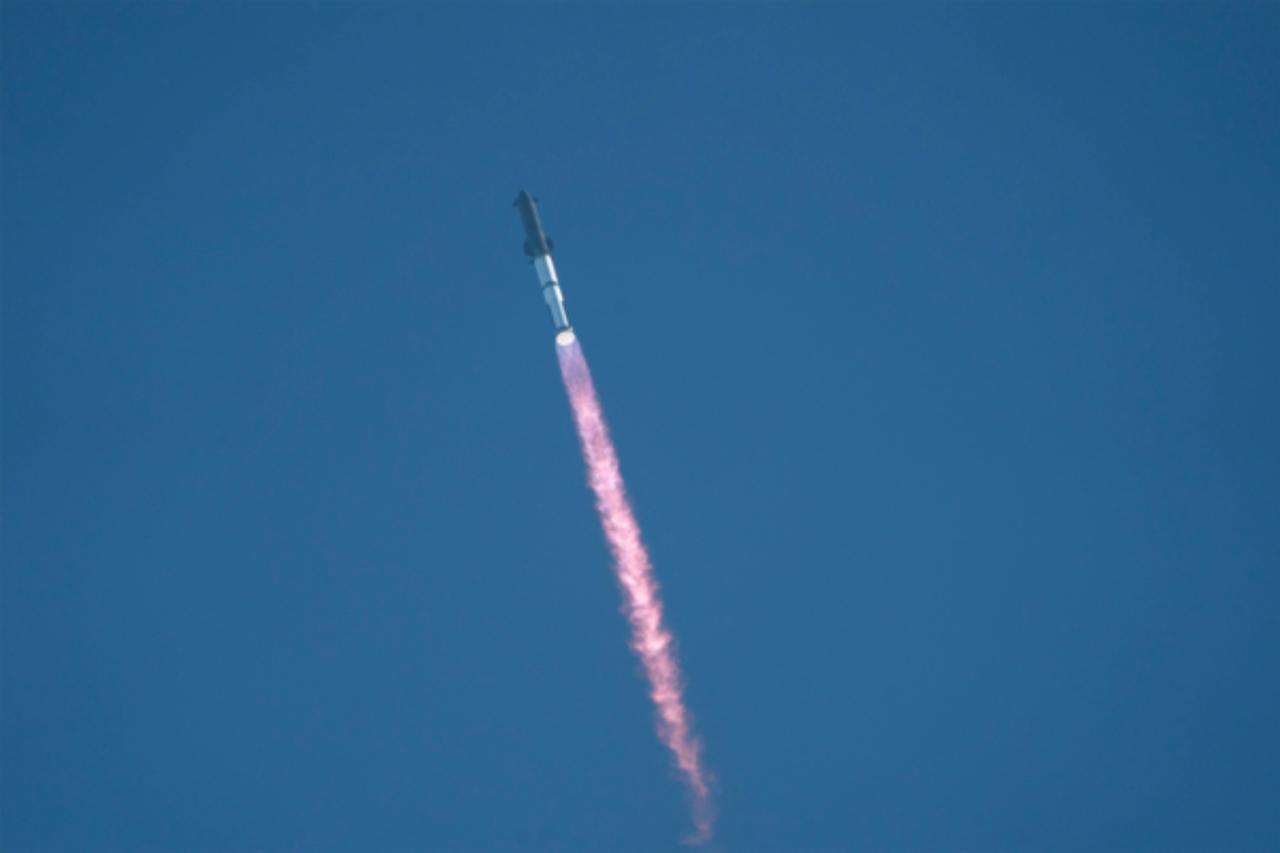


Türkiye's space technology capabilities are advancing rapidly through the development of domestically produced propulsion systems, with indigenous rocket motors now achieving operational milestones in orbit.
DeltaV Space Technologies General Manager Mehmet Kahraman, speaking to a state-run Anadolu Agency (AA) reporter on Monday, said that the company's propulsion systems are beginning to establish operational records on satellites of various sizes, noting, "With the space operational records gained, we are demonstrating that our space motors are proven products that have validated their maturity."
DeltaV Space Technologies, established in 2017 as a subsidiary of the Presidency of Defense Industries (SSB), was created to develop systems, technologies, and subsystems that would provide Türkiye with independent access to space.
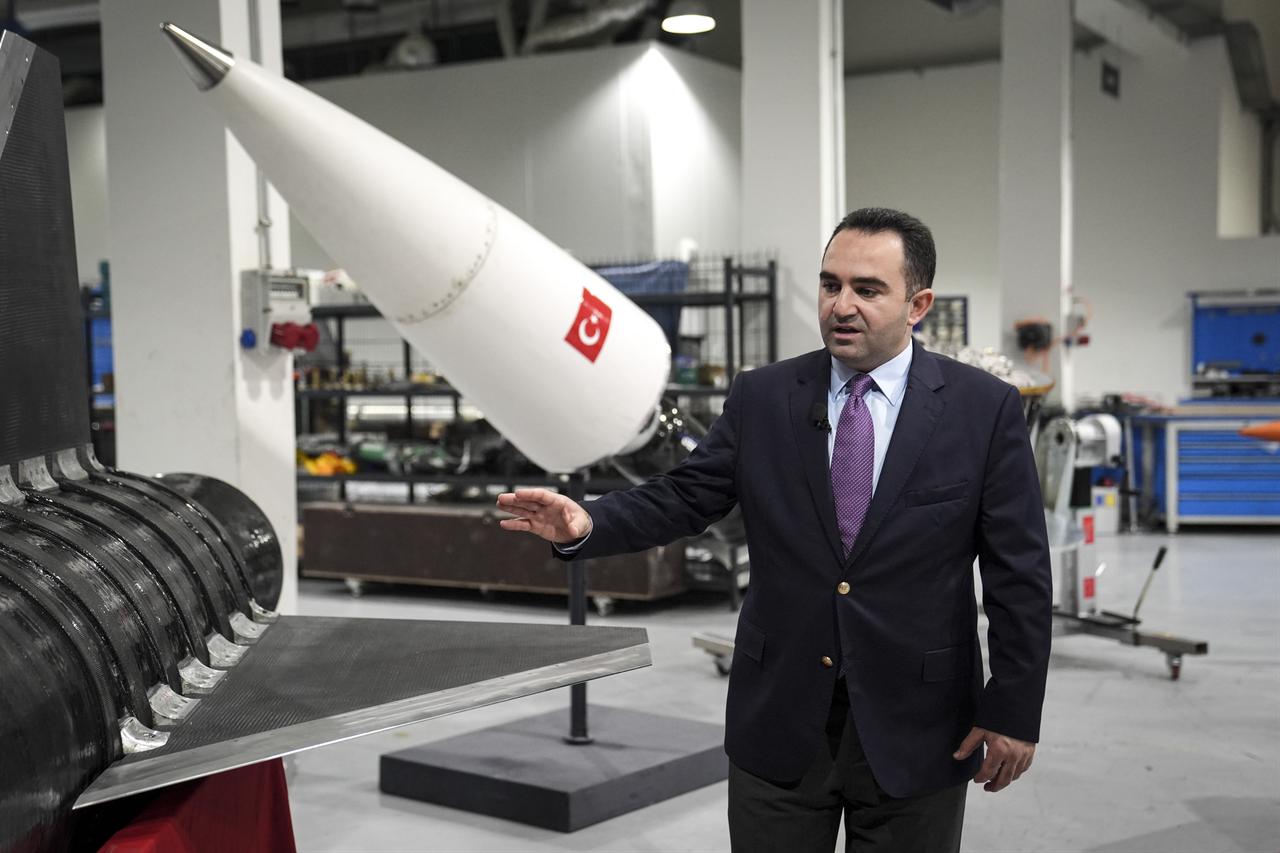

Kahraman explained the company's foundational work in developing critical space access technologies by stating, "In our initial projects, we began developing subsystems that would provide independent space access. We developed sounding rockets that reach altitudes above 100 kilometers."
"We continued to increase our capabilities and activities in the space sector. Using the technologies we obtained, we gained the capability to develop technologies in the defense industry field," Kahraman added.
Kahraman later emphasized that developing liquid-fueled motors for orbit transfer and high-altitude missions represents a critical advancement, saying, "We have begun developing liquid-fueled motors that can perform orbit transfers for satellites and large space vehicles or provide the effects to reach higher orbits, and we are making rapid progress in this area."
 1 min read
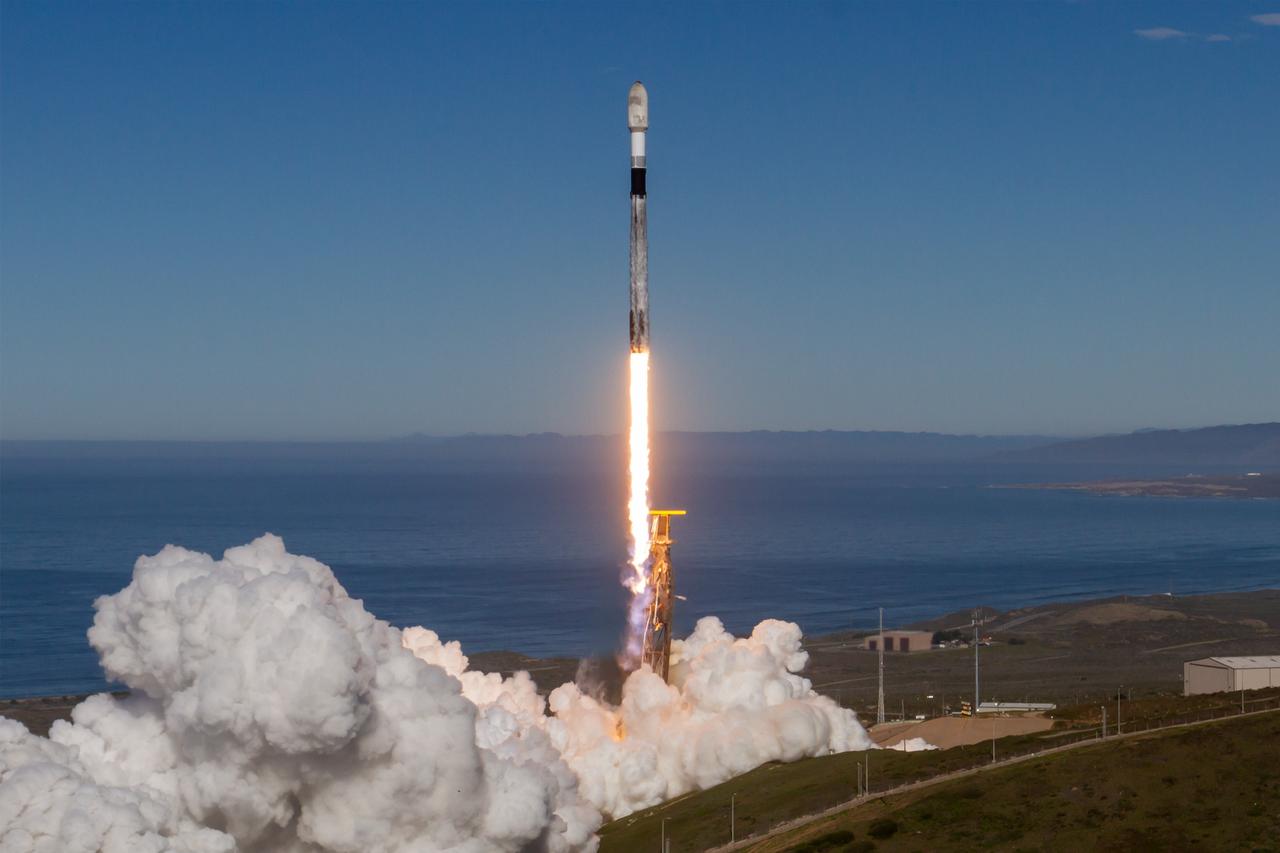
One of DeltaV's most important projects is the Lunar Research Program Project (AYAP), conducted in partnership with Türkiye's Space Agency (TUA) and TUBITAK Space.
"We developed a space vehicle and this space vehicle has a domestically and nationally produced propulsion system. With this product, we want to perform a hard landing on the Moon. It is a propulsion platform developed entirely with original engineering and has very long burn durations. Currently, the plan is to launch this in 2027," Kahraman noted.
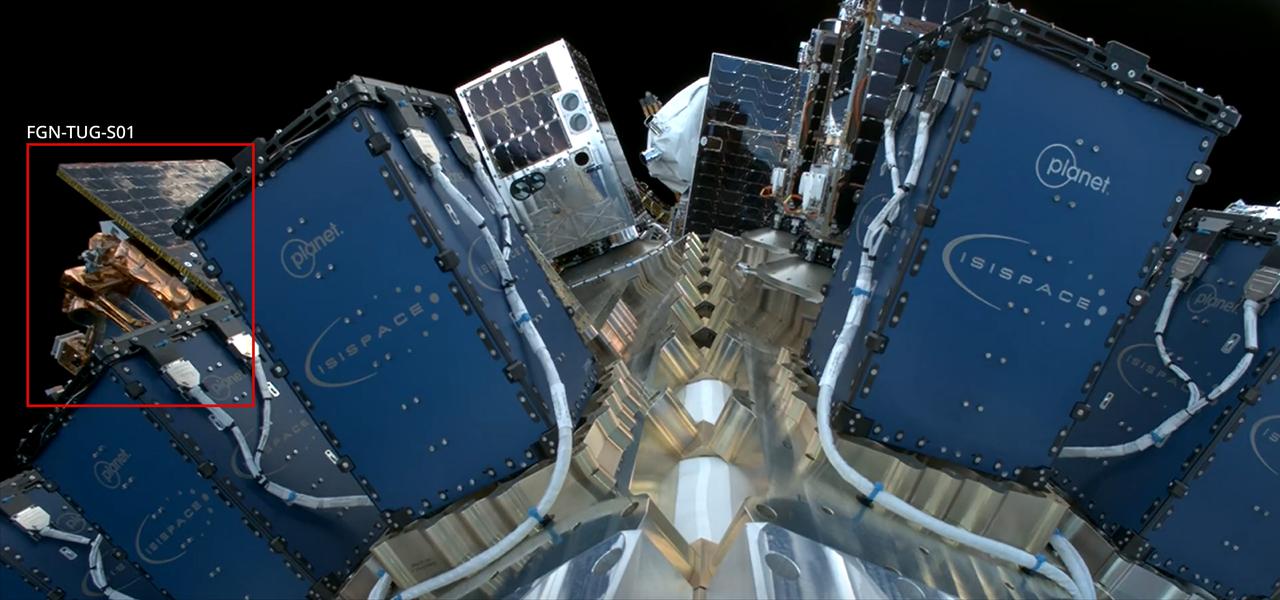
Kahraman explained that satellites require chemical propulsion systems for orbital operations, adding, "These are motors that allow a satellite to remain in an orbit, control its orientation, and perform orbit corrections. Until now, these systems were imported from abroad."
"We developed chemical propulsion systems domestically, and these systems have begun establishing operational records on our customers' satellites," he added.
The domestically developed propulsion systems are now operating in satellites of various sizes, according to the DeltaV Space Technologies General Manager.
"With the space operational records gained, we are demonstrating that our space motors are proven products that have validated their maturity," he stated.
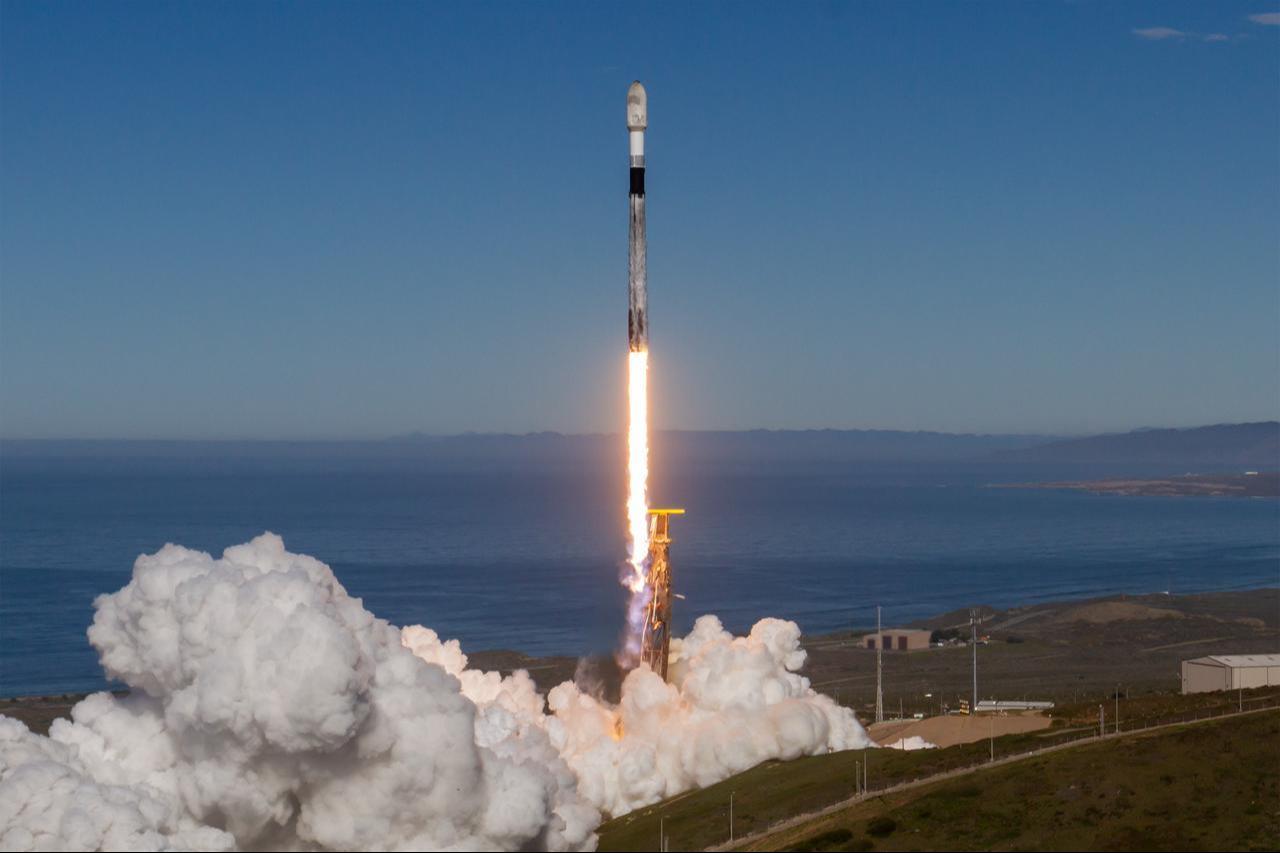
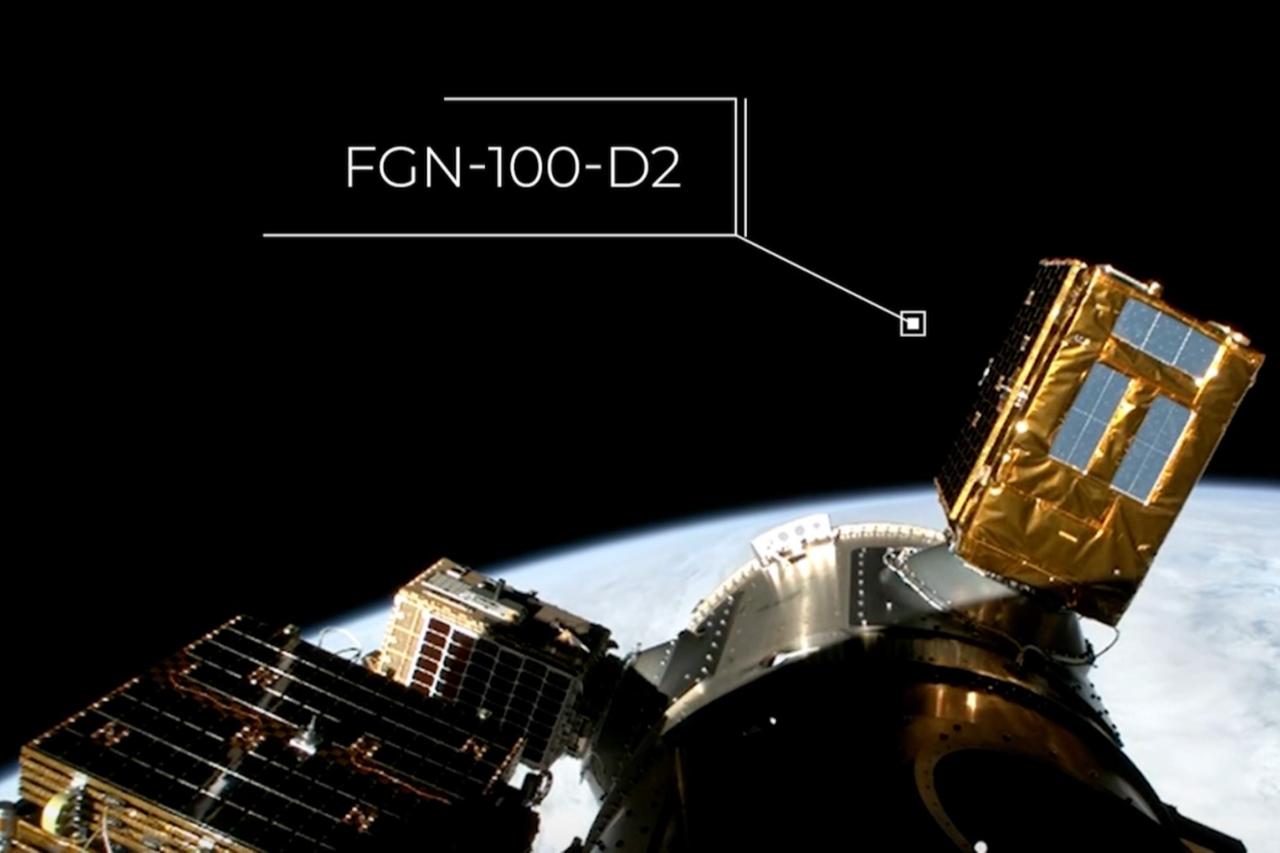
Kahraman noted that DeltaV supplies propulsion motors to satellite developers, including Fergani Space and Turkish Aerospace Industries (TAI), and will continue to do so.
"These technologies are products that you can obtain from only a few places in the world. One of the critical components of satellites, particularly for satellites above a certain size, chemical propulsion rocket motors are a necessity. DeltaV, with its original, domestic, and national capabilities, has developed these products and continues to develop more advanced versions," he said.
"Our journey starting with hybrid in space currently continues with single-propellant thrusters, and our products are establishing records in space. We have begun developing liquid-fueled motors that can perform orbit transfers for satellites and large space vehicles or provide the effects to reach higher orbits, and we are making rapid progress in this area," Kahraman continued.
He emphasized that independent space access requires developing launch vehicles, adding, "To have your own launch vehicles, the first thing you must do is develop your own liquid-fueled rocket motor technology."
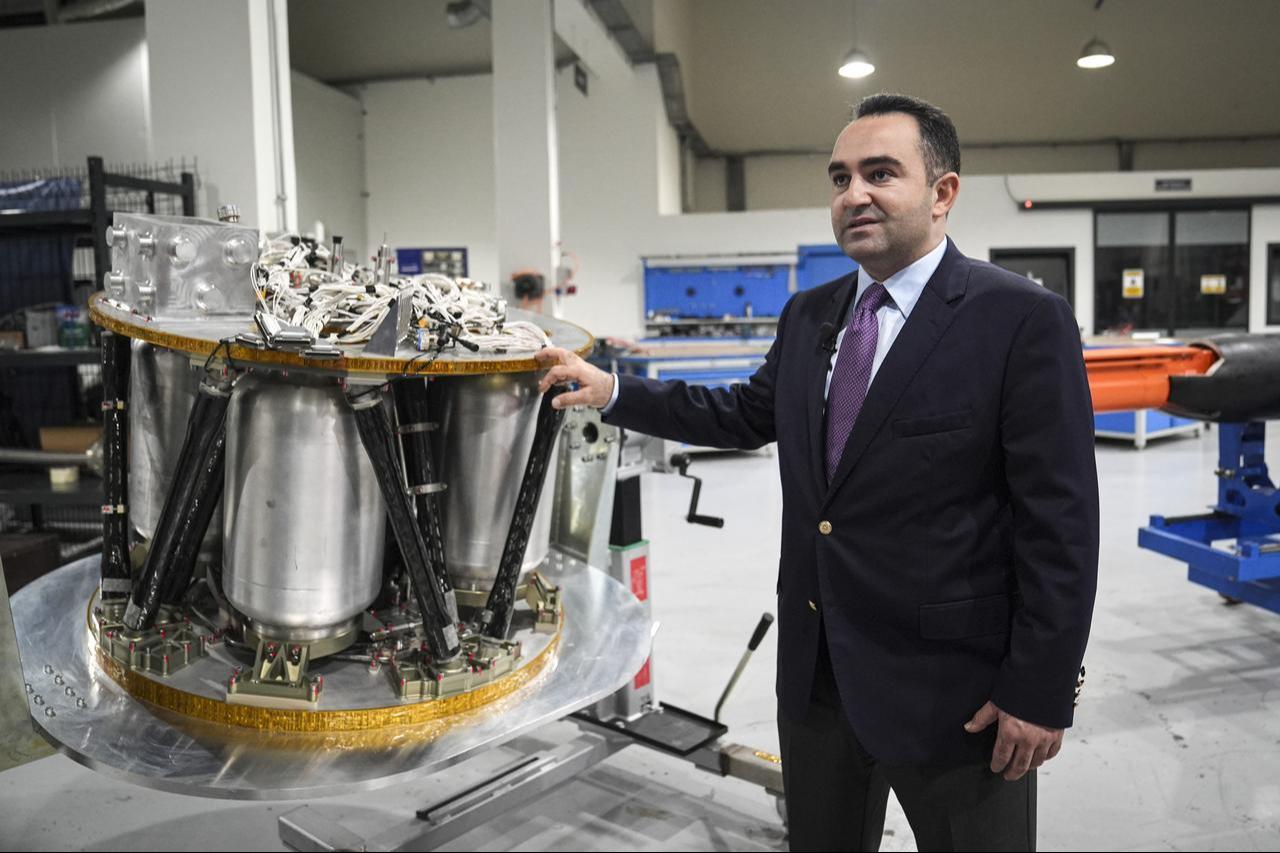
Kahraman highlighted DeltaV's position among the world's leading companies in hybrid rocket technology, saying, "DeltaV developed an original internal ballistics technology with its own engineering and scaled it 220 times. We launched and tested these at three different scales."
"We developed one of Türkiye's few large rocket motors and accelerated the first stage of the hypersonic test platform (HISTEP) with it. Overall, the system reached an altitude above 200 kilometers, and with the hybrid rocket, it broke the world altitude record," he said.
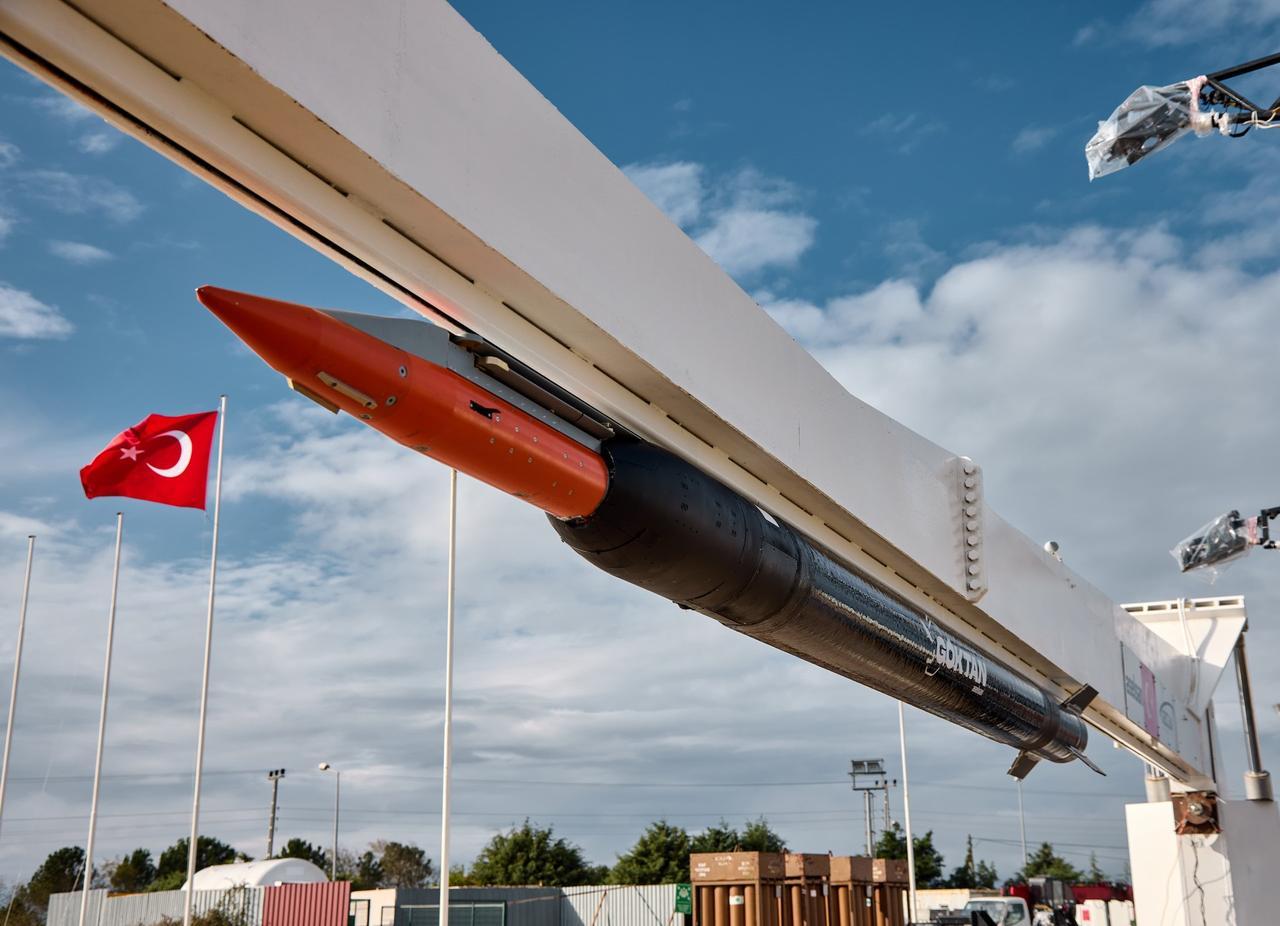
DeltaV worked on the Goktan project, which enables Aselsan's TOLUN ammunition to be fired by mounting it on a rocket system. "We originally developed the rocket system, separation mechanism, and canister for this project," Kahraman noted.
DeltaV Space Technologies General Manager discussed DeltaV's development of ramjet propulsion systems for supersonic applications, noting, "Ramjet motors operate at supersonic speeds. The ability to travel at high speeds and perform maneuvers at high speeds is important. It is critical to develop systems that can cruise like an aircraft and at the same time travel 2.5 to 3 times faster than the speed of sound."
"We started this as an internal project and set the goal of real-condition firing in the air, and we developed the ramjet motor in a short time and conducted real-condition firing," he added.
General Manager Kahraman also emphasized the rapid development timeline for the ramjet system, saying, "DeltaV designed the ramjet propulsion system within months. DeltaV attached its ramjet-powered aircraft to its own developed rocket motor and separated and fired this system at approximately 2.5 mach speed. We verified that the ramjet fired in real air conditions through telemetry unit data with different sensor readings collected on the platform."
"With this test, for the first time, a ramjet motor launched with a ground-launched motor fired in the air. We are talking about a system capable of operating at supersonic speeds. Hitting it and seeing it is very difficult," he added.
Kahraman lastly outlined the strategic applications of ramjet technology across defense and aviation sectors by commenting, "We will advance the ramjet propulsion system and develop it in different scales. Ramjet motors are not only used in cruise missiles but also in 6th-generation fighter aircraft."
"For these aircraft to move in subsonic and supersonic speed regimes, in addition to the known turbojet or turbofan motors, they also require ramjet motors. Therefore, we can use this technology for various cruise missiles in the defense sector and for aircraft that can travel at supersonic speeds of 2.5-3 Mach," he concluded.


 Set as preferred source
 Set as preferred source


 1 min read