Newsletters


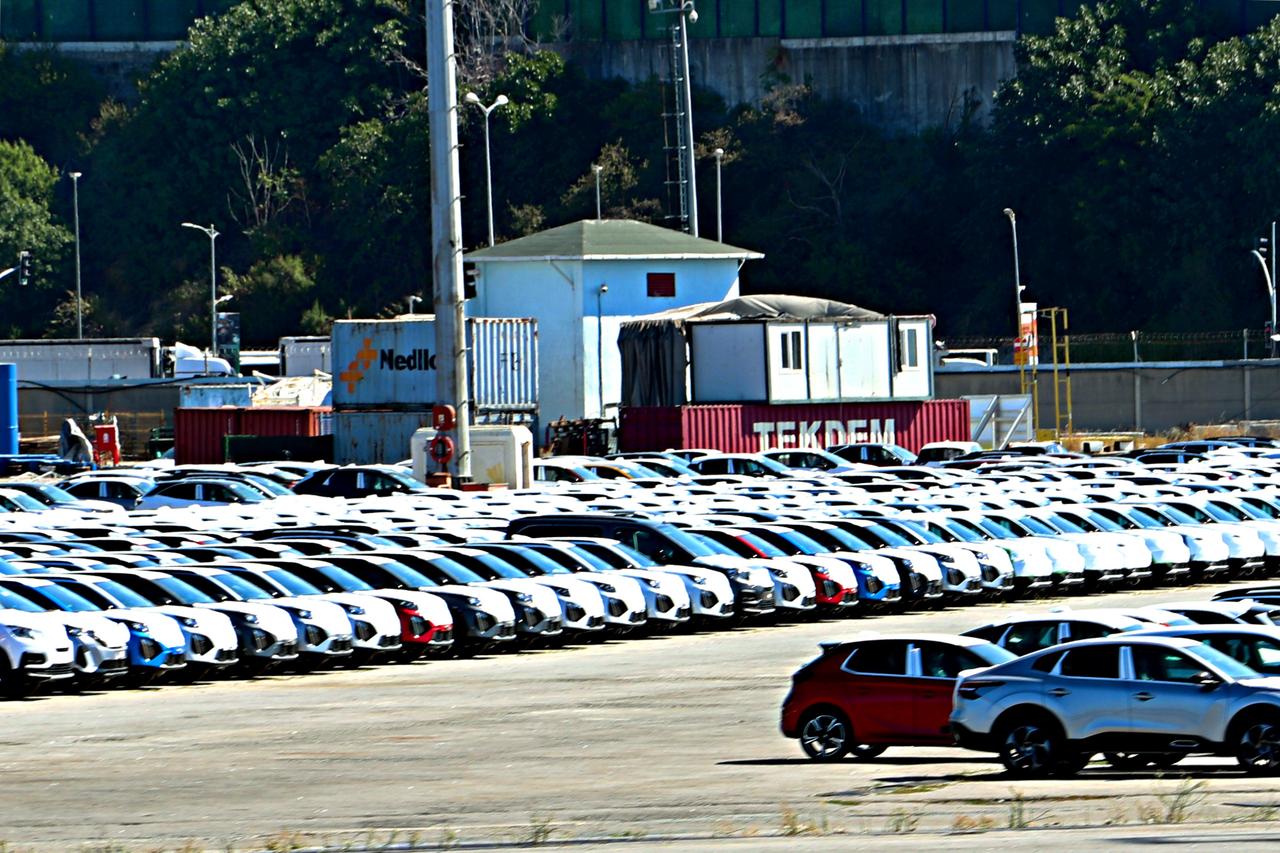


Türkiye’s auto sales are expected to fall below the 100,000-unit mark this March as the energy shock from the Iran war rattles the market. This signals a sharper slowdown after a relatively stable start to the year.
Industry data indicates that sales of passenger cars and light commercial vehicles, which reached a record 116,900 units in March last year, are now expected to fall below 100,000 units, according to officials from Türkiye Automotive Distributors and Mobility Association (ODMD), pointing to a contraction of nearly 15%.
The downturn follows February’s decline, when total sales fell by 3% year-on-year to 88,039 units, marking the first contraction after a prolonged period of growth.
Sector representatives said rising uncertainty linked to the conflict in the Middle East has led both individual buyers and fleet operators to delay purchases. The shift in sentiment has reduced overall demand and slowed market activity.
Honda Türkiye Vice President Bulent Kilicer said the slowdown is visible across both company-level performance and the broader market. "We are also observing the slowdown in the market. For now, there is no increase in prices and campaigns continue, but forward-looking risks are pulling demand back slightly," he told business-focused ekonomim.com.
Kilicer added that cost pressures may intensify in the medium term. "With rising oil prices and the impact of inflation, distributors may have to adjust prices, and this could push demand down further. Increases in oil prices directly affect production, logistics and insurance costs."
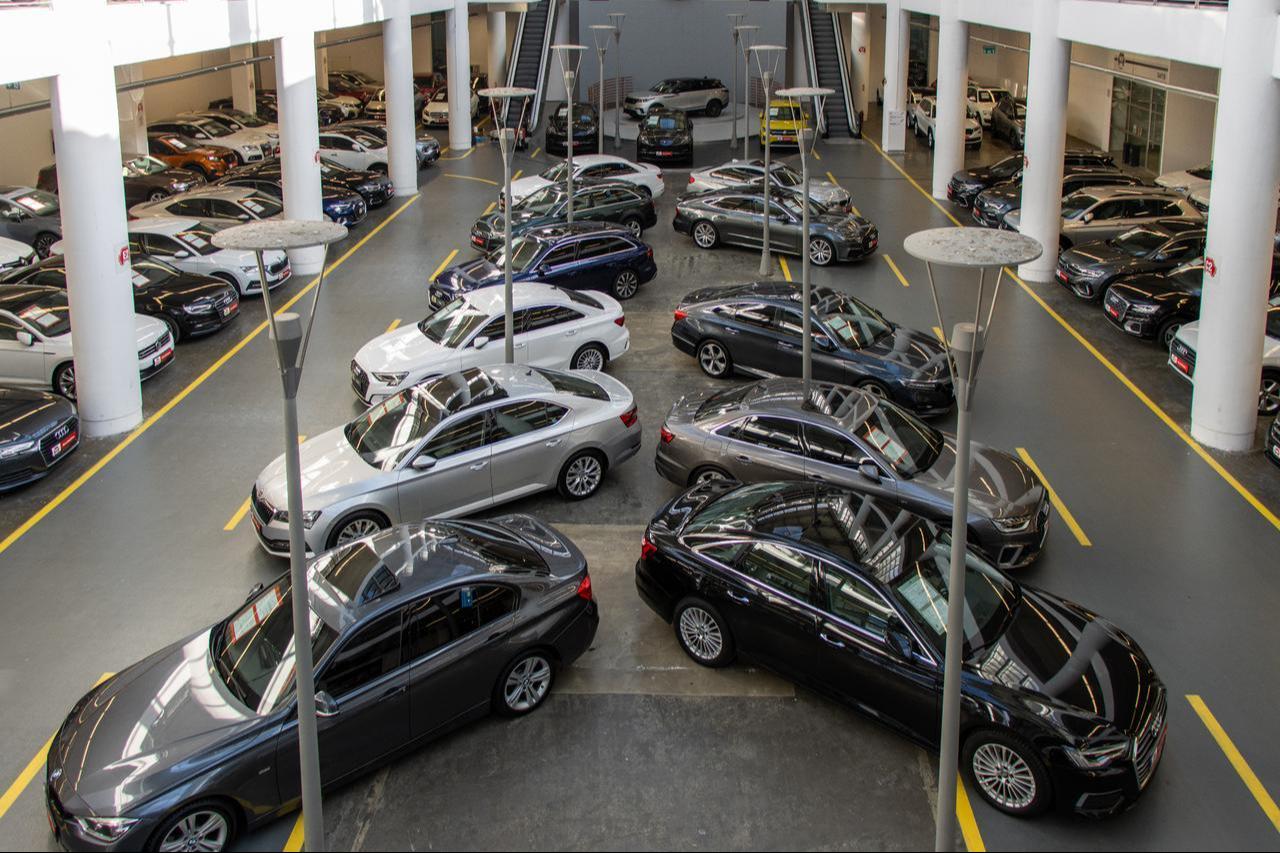

Financing conditions have also weighed on sales. Alp Gulan, chairman of Gulan Automotive, said expectations for March had initially exceeded 100,000 units but weakened after the outbreak of conflict.
"With the start of the war, interest in alternative investment tools increased and demand weakened," he explained. Gulan said higher loan rates are pushing fleet companies to rethink purchases they had postponed while waiting for cheaper financing.
Uncertainty on the cost side is increasing, with higher expenses for petrochemicals, plastic components and transportation creating upward pressure on vehicle prices. Industry sources warn that these factors could soon be reflected in retail pricing.
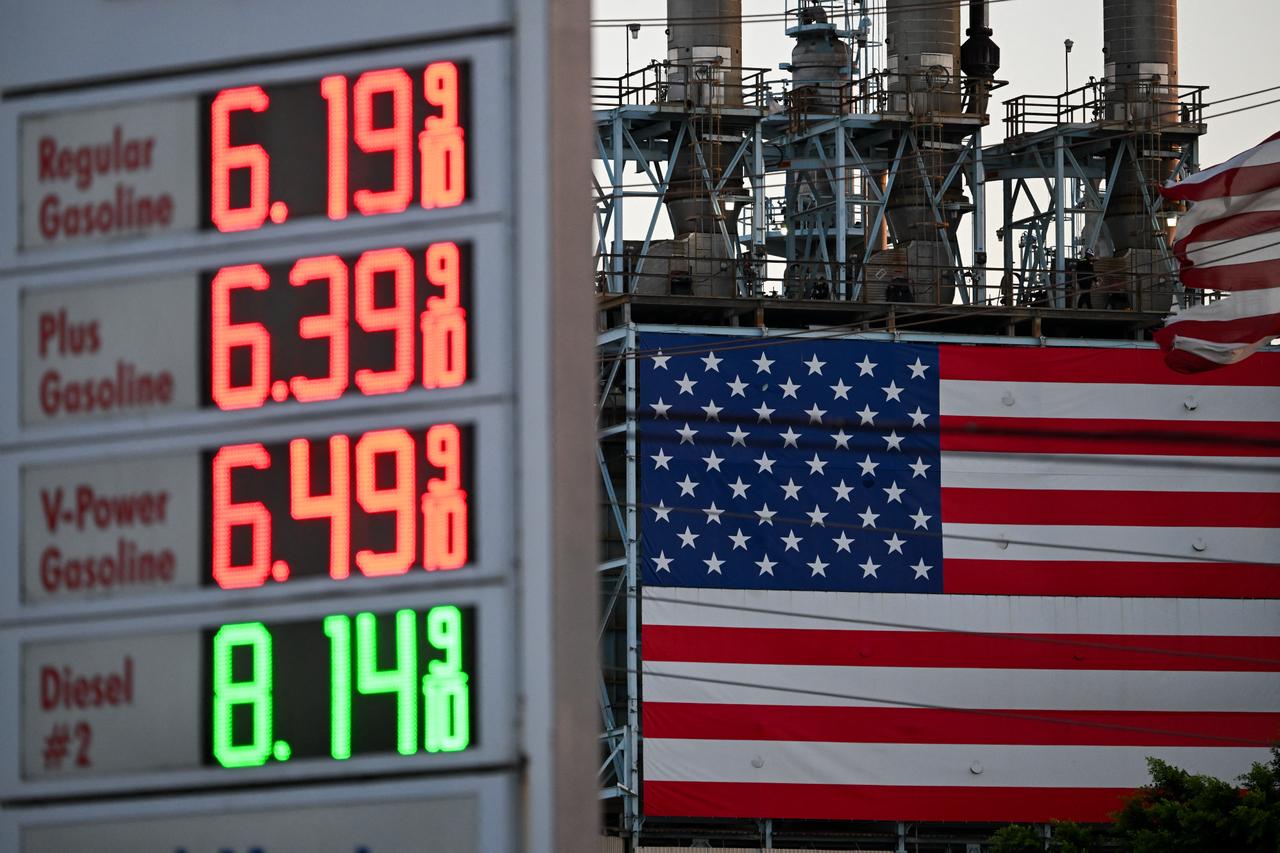
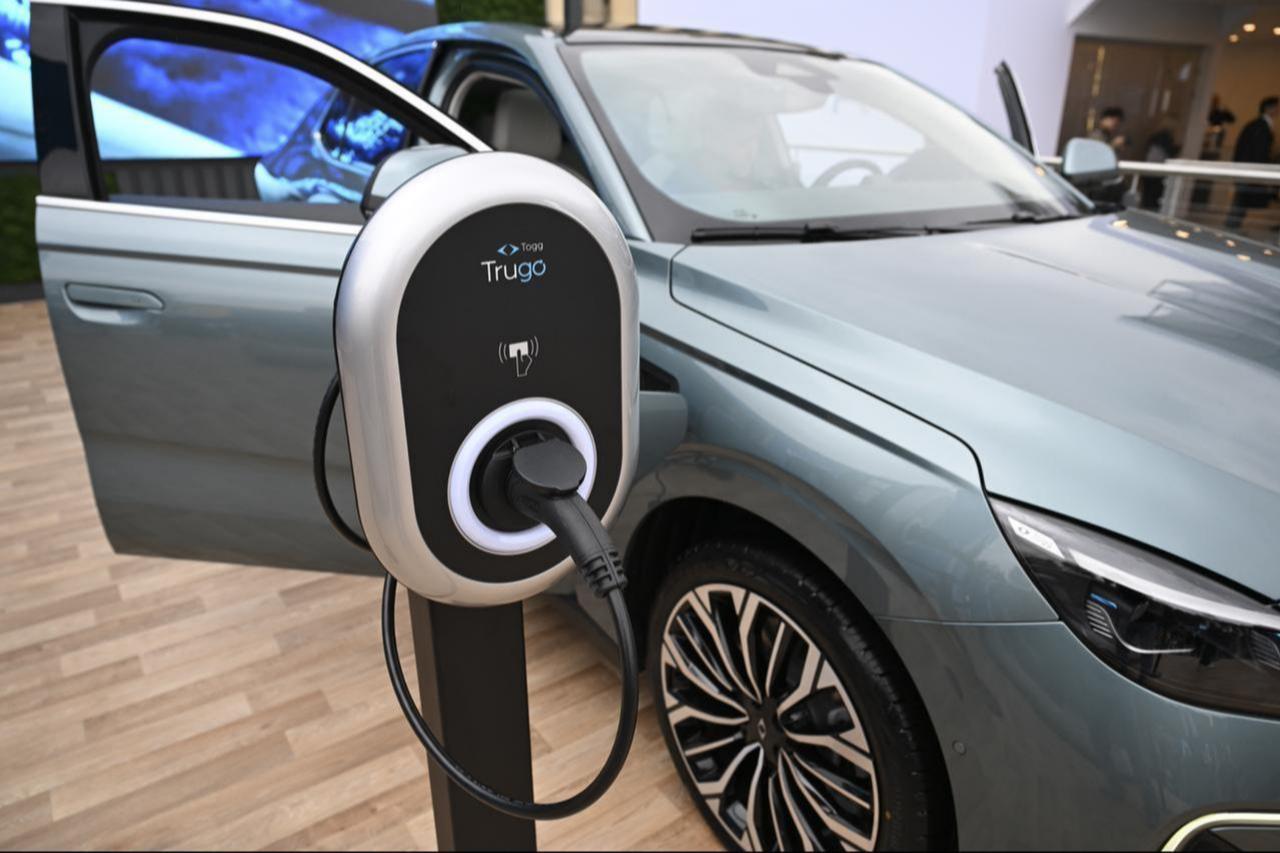
Rising fuel prices amid the Hormuz chokepoint are also pushing both consumers and businesses toward alternative mobility solutions, industry observers note, implying a faster transition to electric vehicles, particularly within corporate fleets.
In 2025, combined fully electric and hybrid car sales reach 487,338 units, accounting for more than a third of total sales, marking a 70% increase compared to the previous year.


 Set as preferred source
 Set as preferred source


 1 min read
 1 min read