Newsletters


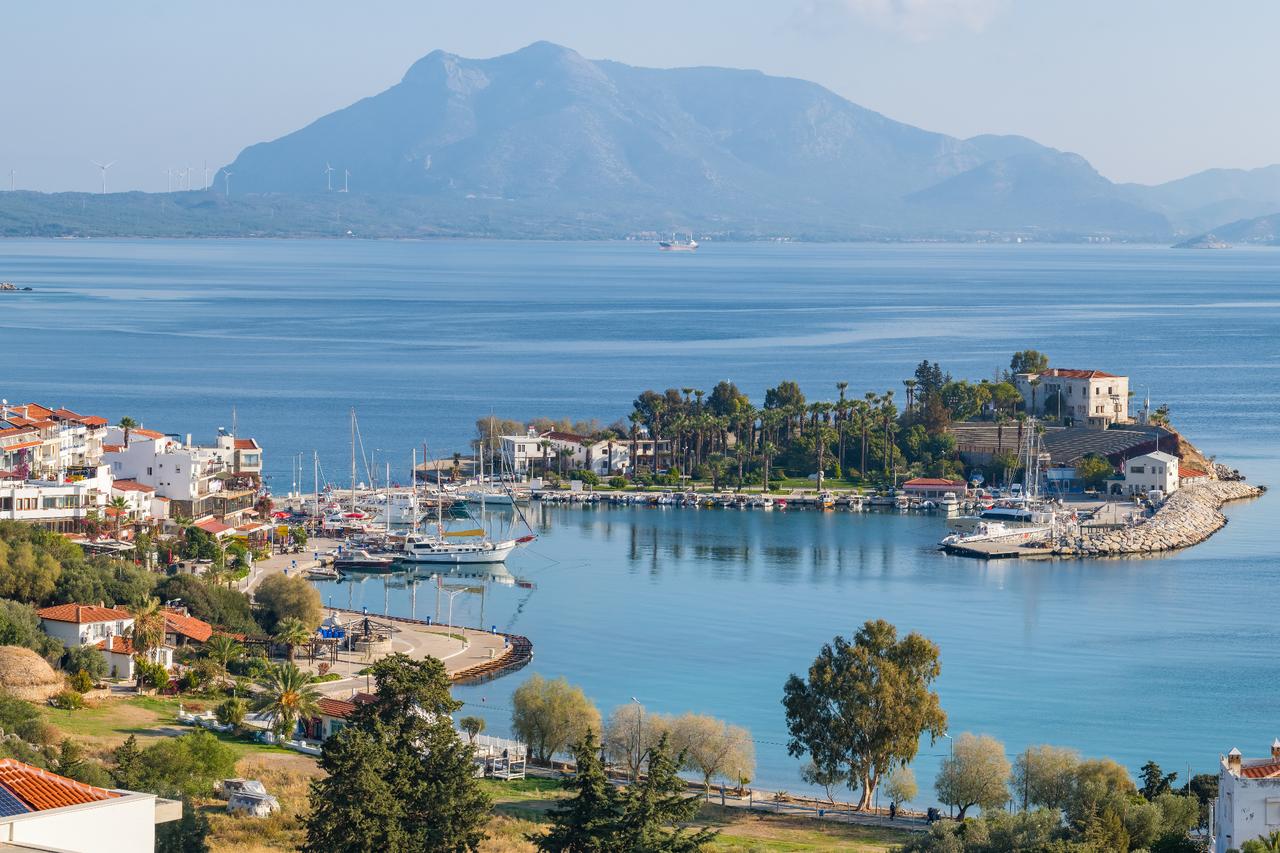


Türkiye ranked fourth among Organisation for Economic Co-operation and Development (OECD) and partner countries for growth in international tourist arrivals since before the COVID-19 pandemic, with arrivals increasing 21% from 51.2 million in 2019 to 62 million in 2025, according to the OECD's Tourism Trends and Policies 2026 report.
Japan ranked first, with international tourist arrivals rising from 31.9 million in 2019 to 42.7 million in 2025, a 34% increase. It was followed by Norway, where arrivals climbed from 5.9 million to 7.5 million (28%), and Denmark, which grew from 7.4 million to 9 million (22%).
However, annual growth slowed to 2% in 2025 from 60.6 million a year earlier, falling short of the OECD average of 3.4% and well below the gains recorded by top-performing destinations such as Brazil (37%), Egypt (20%), Japan (16%) and Norway (12%).
Firuz Baglikaya, president of the Association of Turkish Travel Agencies (TURSAB), described tourism as one of the sectors most vulnerable to geopolitical tensions, pandemics, natural disasters, economic fluctuations and climate-related risks.
"Success in tourism is measured not only by growth figures but also by how prepared and resilient the sector is against crises," Baglikaya told Anadolu Agency (AA).
"The most important factor behind Türkiye's achievement is the crisis management experience gained by our travel agencies and other industry stakeholders over the years."
Baglikaya said travel agencies were key to diversifying source markets, developing new destinations, and responding to shifting visitor demand.
"Travel agencies are the driving force behind market diversification, destination development, and creating new tourism products," he said.
"Their experience and expertise should be reflected more strongly in shaping Türkiye's tourism policies."
He also called for tourism to be measured by visitor spending, average length of stay, and its wider economic contribution, not just arrival numbers.
Citing protests against overtourism in destinations including Barcelona and Venice, he urged greater investment in higher-value tourism segments such as culture, gastronomy, health, congresses, sports, cruise and rural tourism while spreading tourism activity across more regions and throughout the year.
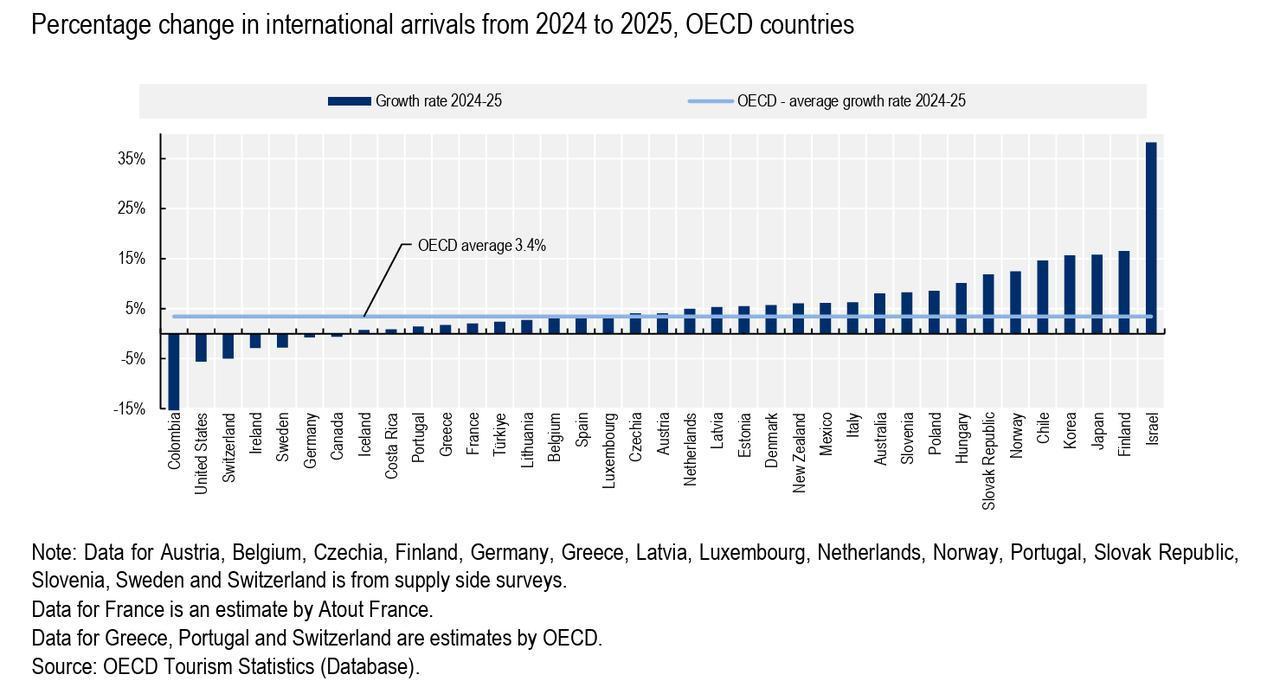

The OECD estimated that international tourist arrivals across its member countries rose 3.4% in 2025 from a year earlier to a record 847 million, following 8.1% growth in 2024. Despite growing uncertainty, the organization said the recovery underscored tourism's continued role as a driver of economic growth.
"Tourism has proven resilient in recent years, reaffirming its role as a driver of economic growth despite rising uncertainty," the report said.
The report also warned that geopolitical tensions, particularly the conflict in the Middle East, were creating fresh challenges for the industry.
It said the fighting disrupted global travel flows, drove up transport and energy costs, and hit destinations that rely heavily on Gulf aviation hubs.
The OECD added that travelers were increasingly weighing safety, affordability and the risk of disruptions when planning trips, prompting airlines and tourism operators to adjust their strategies.
"Travel patterns, particularly in the near term, may continue to be shaped by considerations around safety, potential disruptions, and affordability," the organization said.
It noted that uncertainty persists despite the recent Islamabad Memorandum of Understanding, which outlined U.S.-Iran talks aimed at reaching a lasting peace.
The OECD also called on governments to strengthen destination management, improve crisis preparedness, expand the use of digital tools and artificial intelligence, and invest in more resilient tourism infrastructure.
Tourism directly accounted for an average of 4% of gross domestic product (GDP), 6.3% of employment and 19.3% of service exports across OECD economies, and the report stressed the sector's significance for member countries' economies.
"Building a more competitive and resilient tourism sector will require targeted investment and stronger policy alignment to support SMEs, modernize infrastructure, improve connectivity, and deliver more sustainable outcomes," the report concluded.


 Set as preferred source
 Set as preferred source


 1 min read
 1 min read