Newsletters


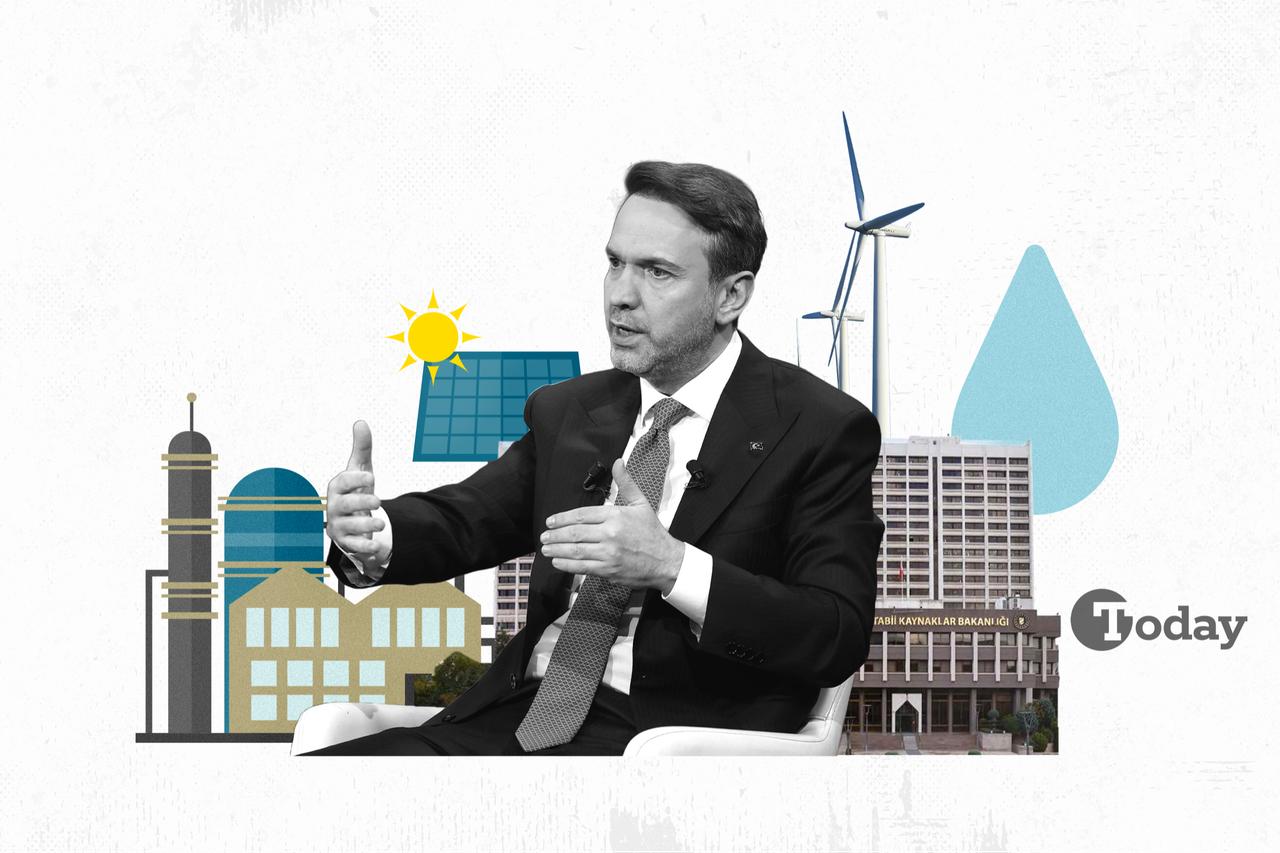


Türkiye has not received any proposal from Washington to end Iranian natural gas imports, Energy and Natural Resources Minister Alparslan Bayraktar said Friday.
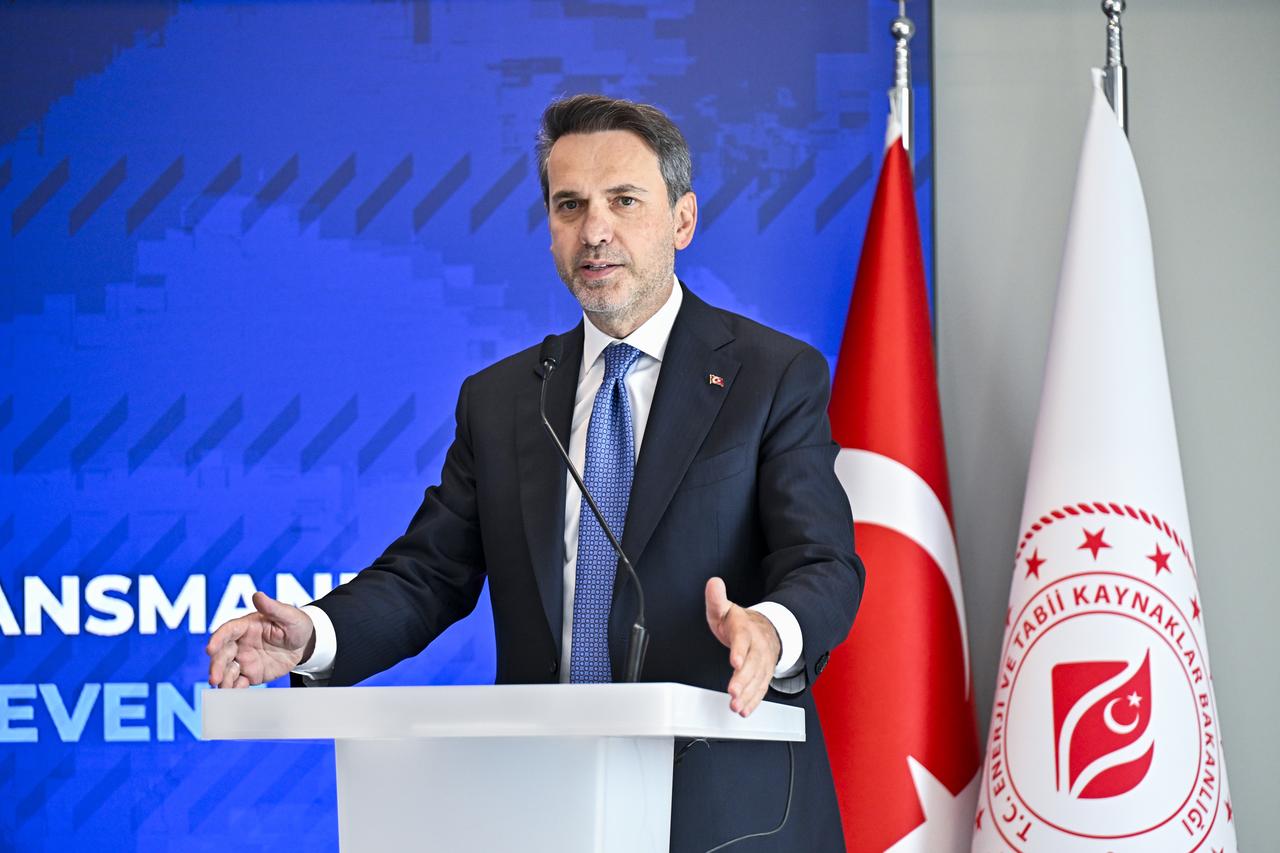
Speaking at the launch of the International Energy Agency’s "Türkiye Energy Policy Review" report in Istanbul, Bayraktar told reporters that Ankara continues to closely follow developments surrounding its gas ties with Tehran without giving further details on the matter, state-run Anadolu Agency reported.
"As we enter winter, our natural gas storage facilities are full. Hopefully, we do not foresee any problems with supply security, both in natural gas and in other areas," Bayraktar said.
Türkiye's 25-year gas agreement with Iran expired July 29, with neither side confirming whether it had been extended or canceled. Signed in Tehran on Aug. 8, 1996, the deal called for Iran to supply Türkiye with 10 billion cubic meters of natural gas annually.
The pipeline built under the agreement stretches approximately 1491 kilometers from Dogubayazit through Erzurum, Sivas and Kayseri to Ankara, with a branch extending through Kayseri and Konya to Seydisehir, according to information from the Turkish energy ministry.
The contract provided for deliveries of up to 9.6 billion cubic meters of natural gas annually through the Tabriz-Ankara pipeline.
Türkiye imported 4.5 billion cubic meters of Iranian gas during the first half of the year, accounting for nearly 14.8% of its total imports during the period.
Bayraktar acknowledged in April that the agreement was nearing expiration, adding that talks on a possible extension could take place, although no negotiations were underway at the time.

The agreement’s expiry comes as Washington steps up pressure on Iran’s international financial and commercial ties.
U.S. Treasury Secretary Scott Bessent launched the "Operation Economic Outcast" campaign on Aug. 24, describing it as an effort to sever the economic lifelines supporting the Iranian regime and the Islamic Revolutionary Guard Corps.
Bessent has urged governments and financial institutions to cut their economic ties with Iran, warning that those continuing to facilitate Iranian financial activity could face U.S. sanctions.
The measures target five sectors, including digital assets, technology, gold, aviation and shipping, while Washington has not, however, publicly identified a definitive list of countries that will face secondary sanctions under the campaign.
Türkiye has continued importing gas from Iran since 1996, and Washington has refrained from targeting the trade despite several warnings, including those issued after the agreement was signed in 1996 and during the tougher sanctions regime introduced in 2012.
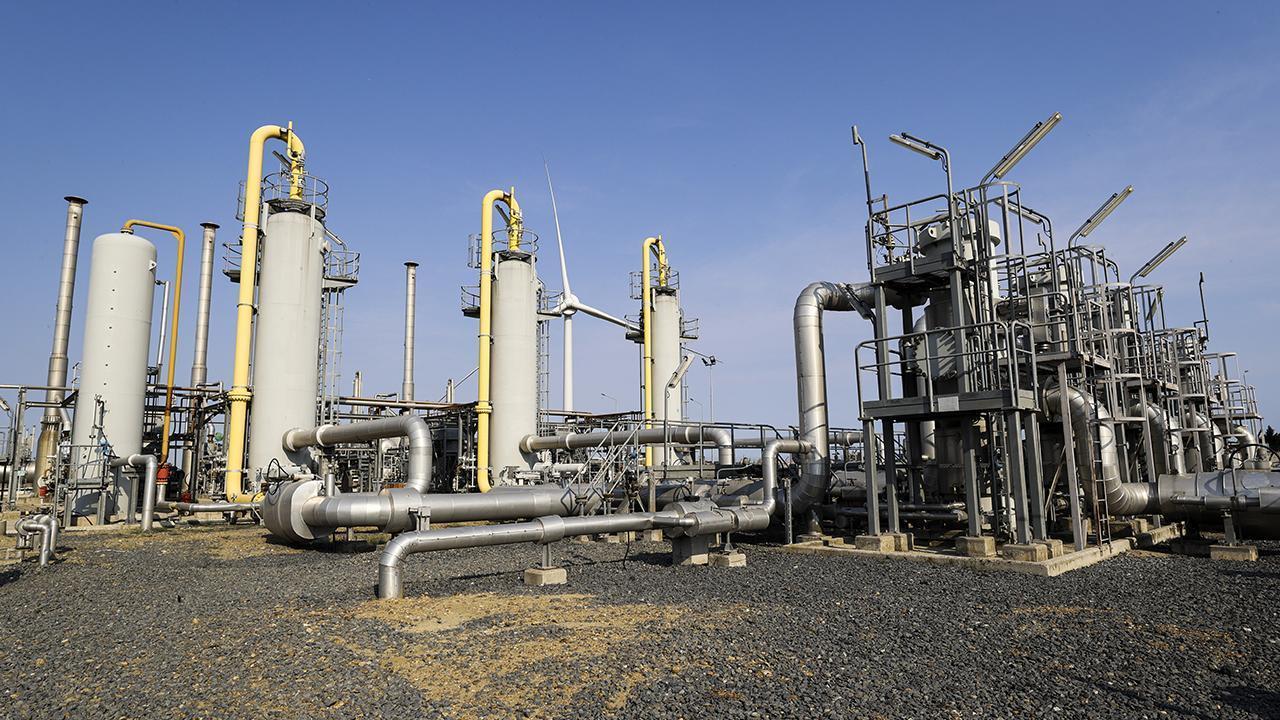
Bayraktar also highlighted Türkiye’s plans to expand its natural gas infrastructure, increase the capacity of its gasification facilities and develop its pipeline network.
"We have been telling our neighbors and countries in the region for a long time: We can extend the existing pipelines in Türkiye to Basra and enable some of the oil from Kuwait, Iraq or the Gulf Cooperation Council countries to reach world markets through a different route," he said.
The Iraq-Türkiye pipeline currently has a capacity of 1.5 million barrels per day, which Türkiye can increase, Bayraktar added. He also pointed to the possibility of transporting Qatari gas to Türkiye and through the country to Europe via a pipeline.
The plans come as disruptions around the Strait of Hormuz, a major passage for global oil and LNG supplies, put greater focus on alternative energy routes following the start of the war with Iran.


 Set as preferred source
 Set as preferred source


 2 min read

 1 min read