Newsletters


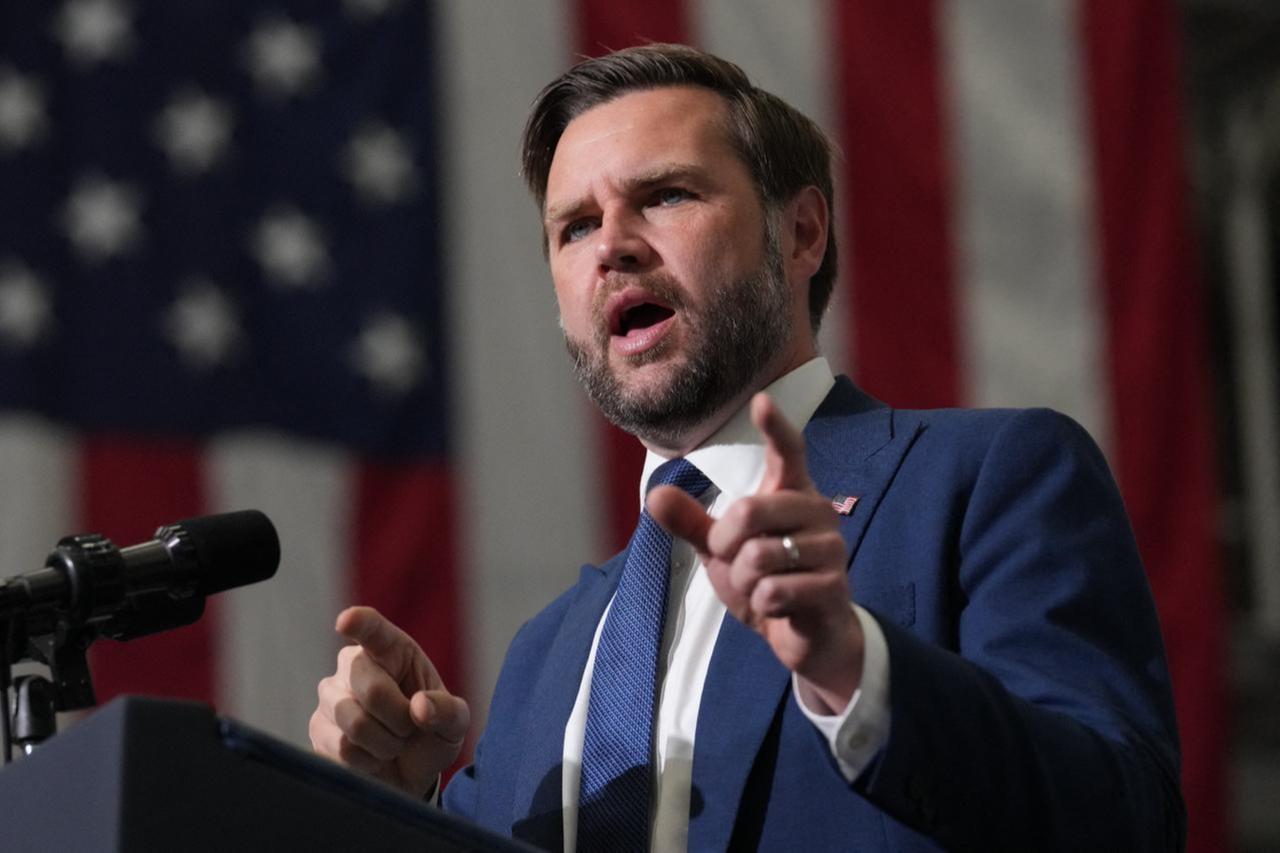


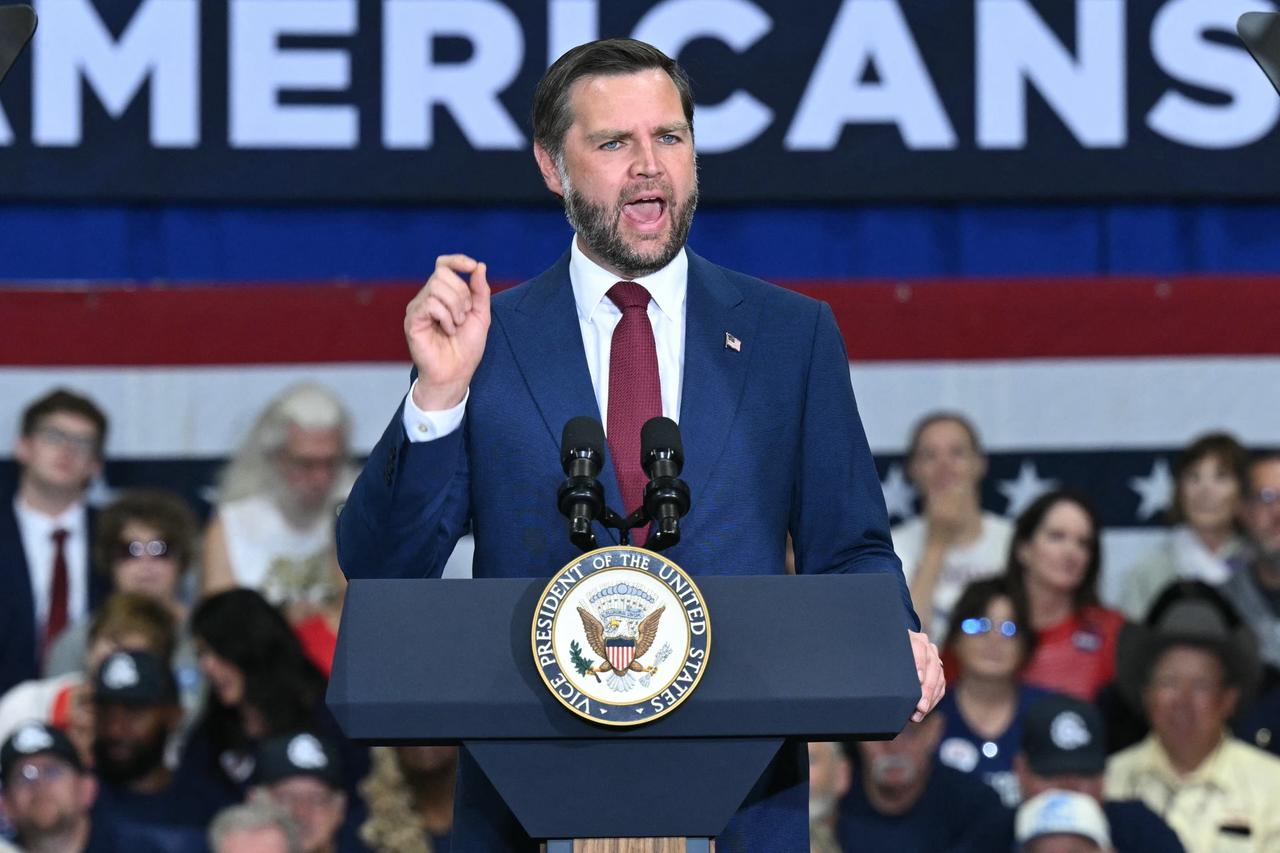
Türkiye is among several countries helping the United States ensure Iran faces economic consequences for firing on commercial shipping, US Vice President JD Vance said Thursday during a White House press briefing.
Responding to a question about whether economic measures to isolate Iran could succeed without China's participation, Vance named Türkiye alongside Azerbaijan, the United Arab Emirates, Saudi Arabia and Qatar as countries doing what he called "a lot of good things" to help the United States hold Iran accountable for attacks on commercial vessels.
Vance framed the effort as part of a broader strategy to deny Iran the economic resources it would need to rebuild its nuclear program, should Tehran choose to do so. He added that the administration had not yet seen evidence of such an attempt.
On China's role specifically, Vance said he believed Beijing was "willing to play ball," despite some policy disagreements between Washington and Beijing.
He contrasted China's conduct with Iran's, saying Beijing has been "much more responsible" and does not resort to firing on commercial shipping when it does not get its way in international disputes.
Türkiye, a NATO member that shares a border with Iran, has historically sought to maintain working relationships with both Washington and Tehran, a balancing act that has often placed it in a position to play a role in regional diplomatic and economic matters.
Vance did not elaborate on the specific nature or scale of Türkiye's cooperation with the US-led pressure campaign, nor did he take further questions on the subject during the briefing.
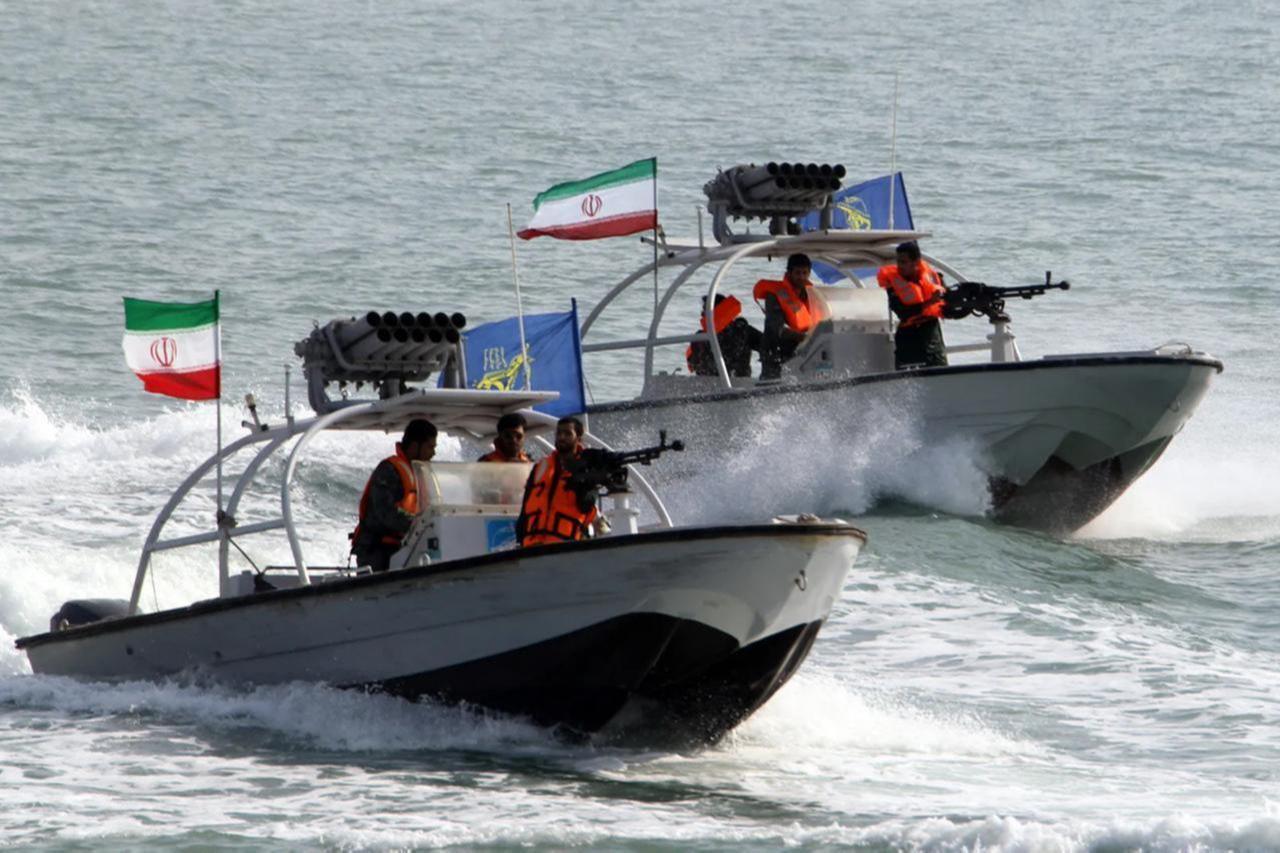

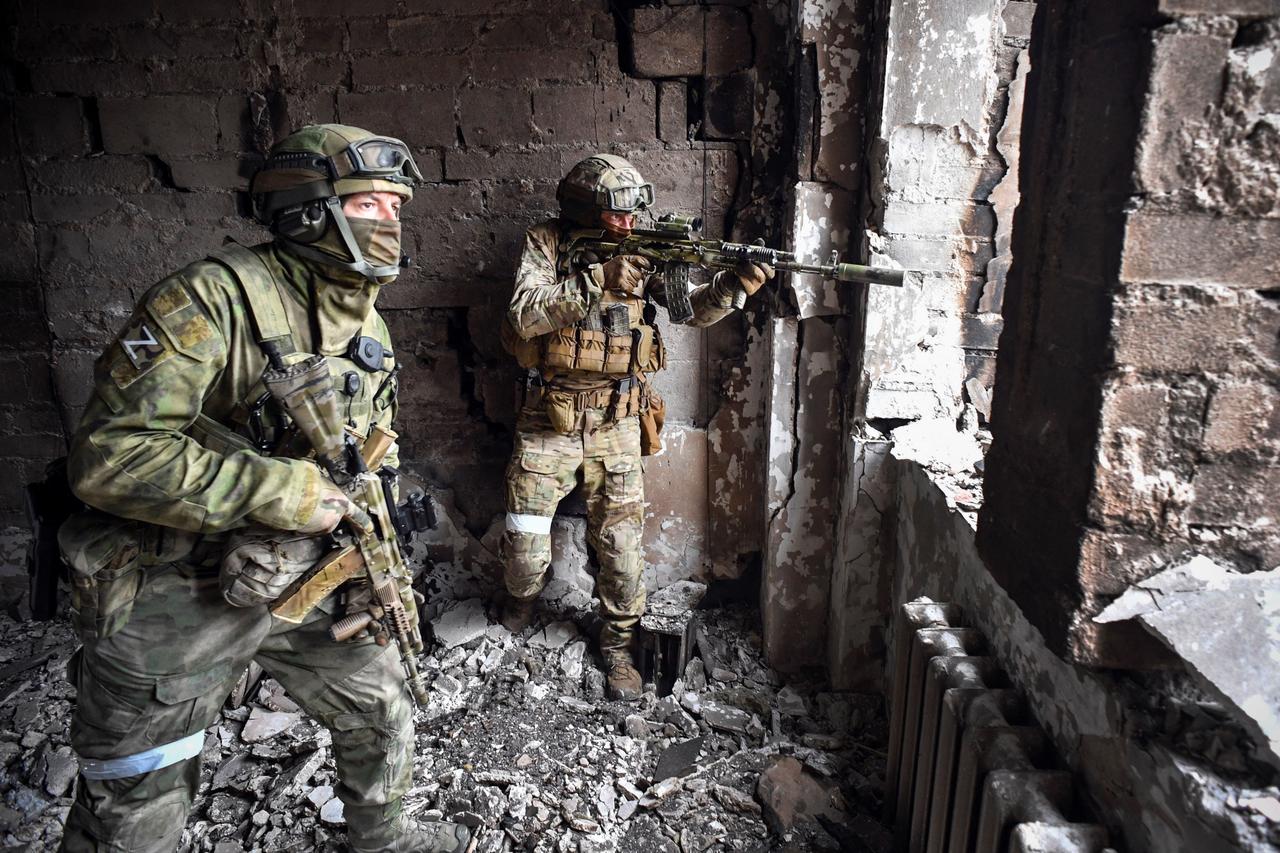
Much of the briefing, Vance's first in several weeks, centered on the state of hostilities with Iran. Asked whether the conflict would be resolved by the November midterm elections, Vance said he "wouldn't call it a war" and noted there is "no active shooting right now." He said major combat operations lasted about six weeks and that Iran's nuclear facilities, industrial base and conventional military had been destroyed.
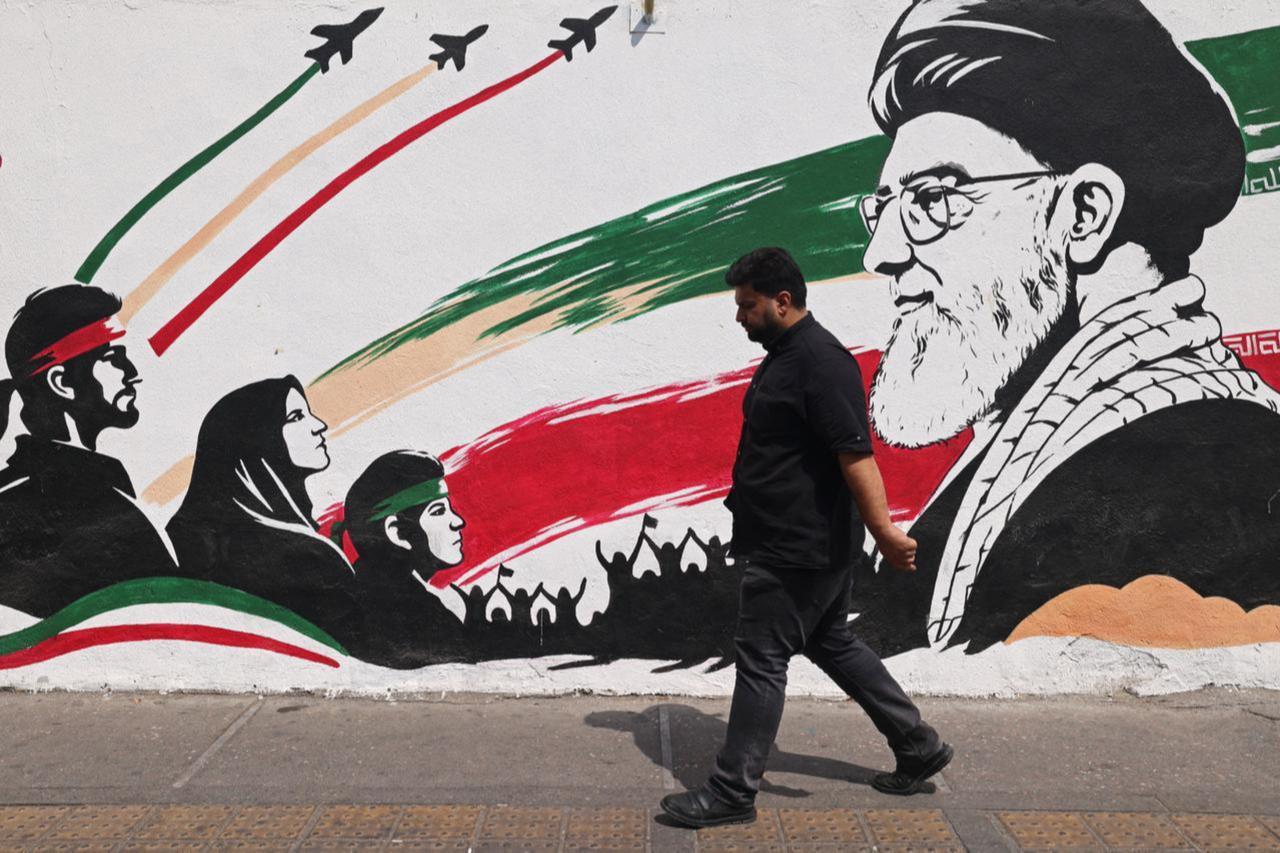
Pressed on when Iran would stop firing at commercial ships, Vance said he did not know, adding that reporters would "have to ask the Iranians." He said the United States and Iran are not currently in negotiations and will not resume talks until Iran halts attacks on commercial vessels.
Vance also said "everything that could happen is on the table" to pressure Tehran, listing economic, military, diplomatic and covert measures as options, though he declined to detail how the US might engage with Iran in the future.
Vance was also asked about reports of a US strike that killed four people at a wedding celebration in southern Iran.
He said the matter is under investigation, expressed skepticism about Iranian state media's account of the incident, and said the US military does not target civilians. He said any mistakes are examined and that the incident is being investigated "very fully."
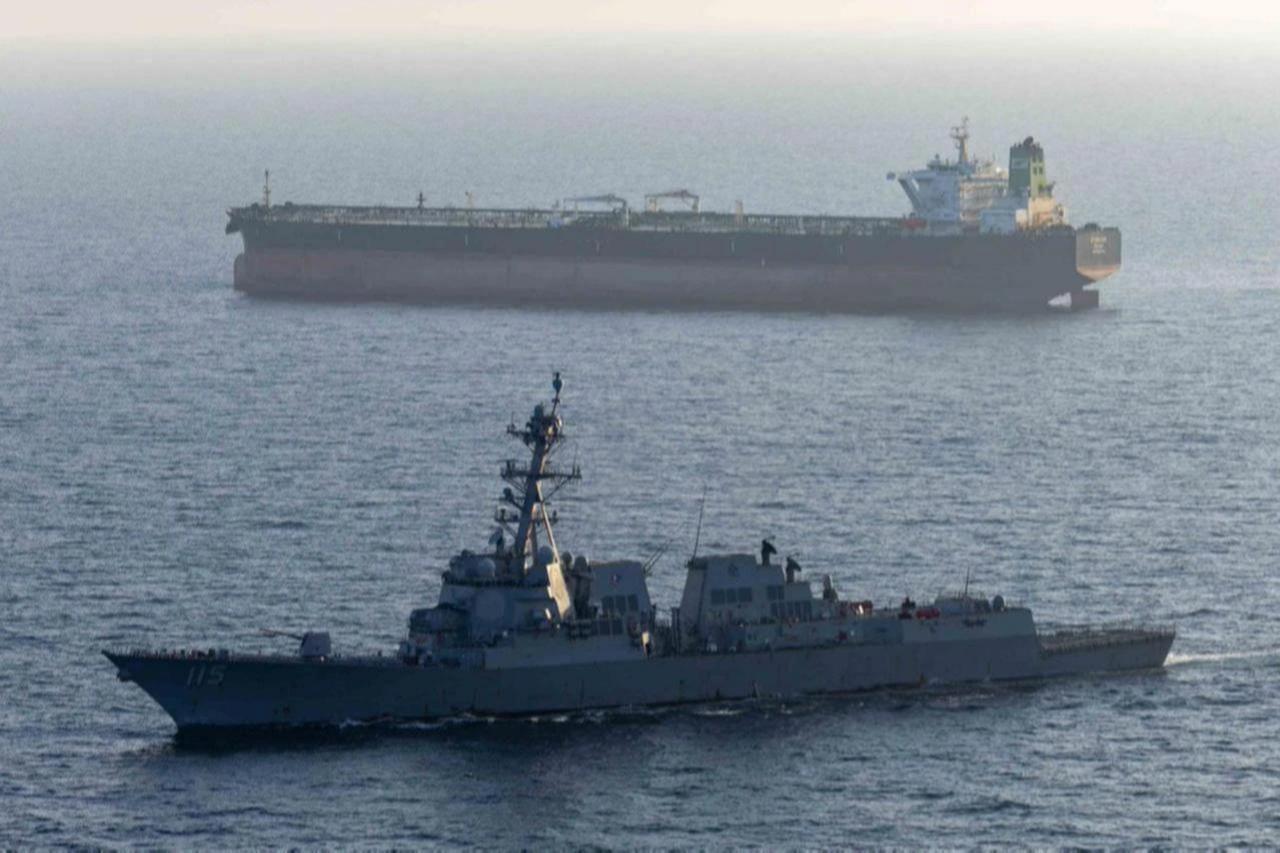
Vance addressed questions about when Americans could expect lower gas prices, acknowledging that prices remain high in part because of Iranian attacks on commercial shipping.
He said 15 million barrels of oil passed through the Strait of Hormuz the previous night, which he attributed to US efforts to keep shipping lanes open, warning that a "catastrophic global energy crisis" would otherwise be underway.
He again pointed to the US-Venezuela oil deal, which he described as a "win-win" for both countries, saying it had led to the creation of a new 65-billion-barrel US oil reserve.
Vance criticized the previous Biden administration for lowering petroleum reserves, and separately criticized European allies for not doing more to help stabilize world energy markets, asking why the US should be the only country working to keep global supplies stable.
On the economy, Vance was pressed on why Republicans and the Trump administration should not be blamed for high prices. He said inflation had reached a "record high" under the Biden administration and that the current administration is focused on fixing it rather than assigning blame.
He cited policies including the removal of taxes on Social Security, tips and overtime pay, and pointed to new factory and facility construction as evidence of job creation. He said the country's inflation problem "was not created in a day" and argued that Democrats would reverse the administration's efforts to bring down prices.
Vance was also asked about bond market volatility and rising yields, saying the Federal Reserve should lower interest rates and that doing so would be "proper and responsible." He referred more detailed questions on the topic to Treasury Secretary Scott Bessent.
Vance faced questions on several additional subjects. On cybersecurity, he said he was confident the US homeland is secure but expects continued attempts by Iranian hackers, describing Iran's cyber capabilities as "quite limited" compared with other actors. He said the greater threat comes from other countries.
Asked about the resignation of Army Secretary Dan Driscoll, Vance credited Defense Secretary Pete Hegseth with reviving what he called the military's "warrior spirit" and said the armed forces are in a better position than 18 months ago, while adding that work remains to address problems that developed over time.
On the future of White House press briefings, Vance said the administration would continue outgoing press secretary Karoline Leavitt's practice of including non-legacy and digital media outlets.
Asked about his political future, including whether he would support Hegseth or Texas Senator Ted Cruz in a potential 2028 presidential bid, Vance declined to commit, saying his focus is on the upcoming midterm elections.


 Set as preferred source
 Set as preferred source


 1 min read
 1 min read