Newsletters


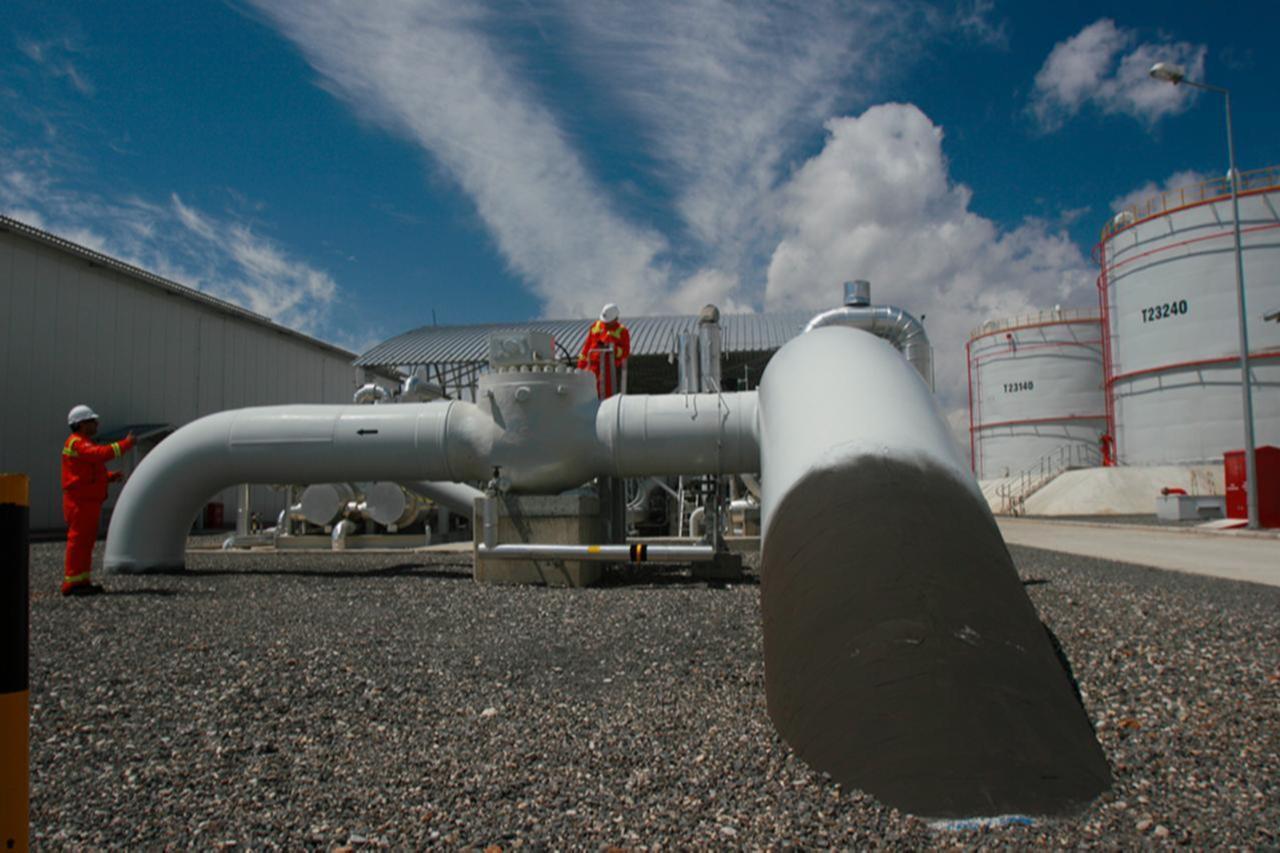


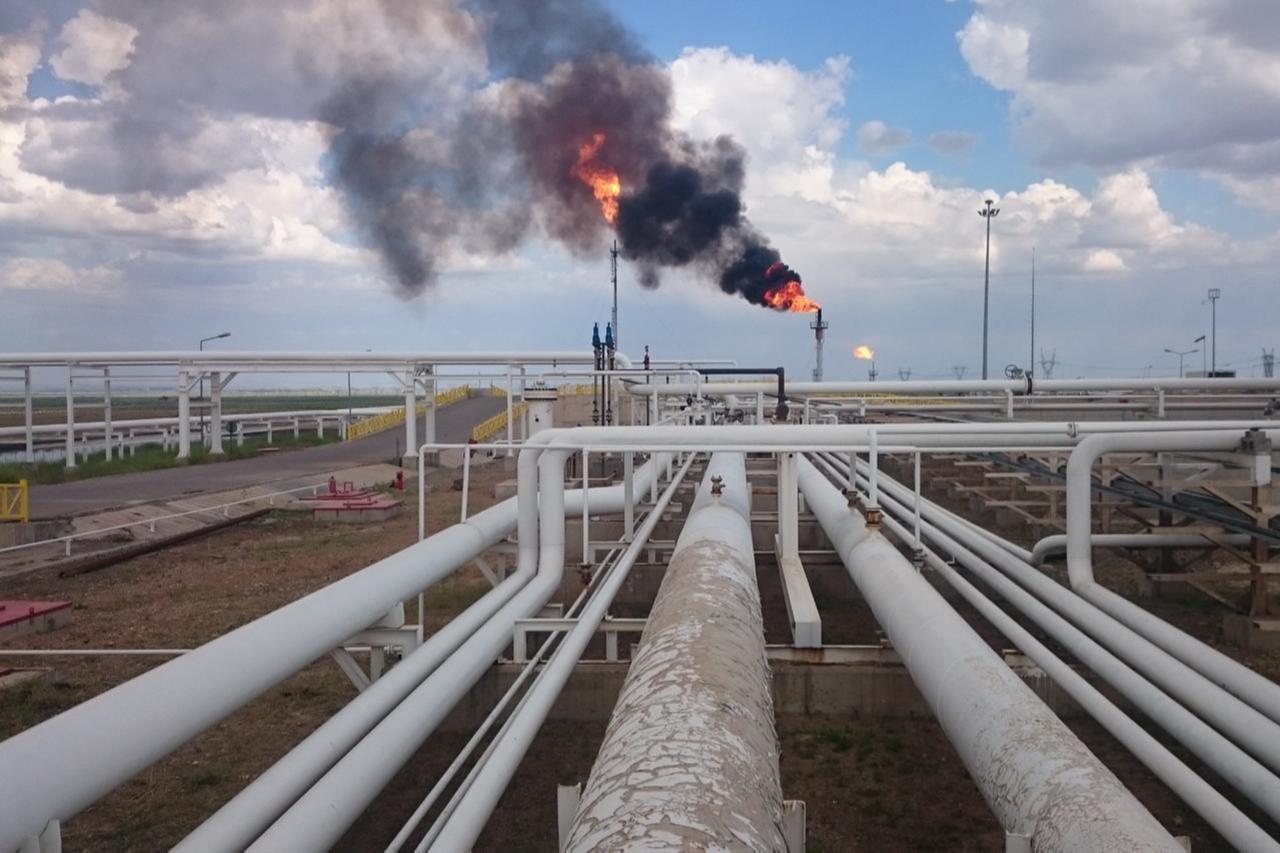
Energy and Natural Resources Minister Alparslan Bayraktar reiterated on Wednesday, March 18, that Türkiye has put forward a plan to extend the Iraq-Türkiye oil pipeline toward Basra, aiming to create an alternative export route in case of disruptions through the Strait of Hormuz.
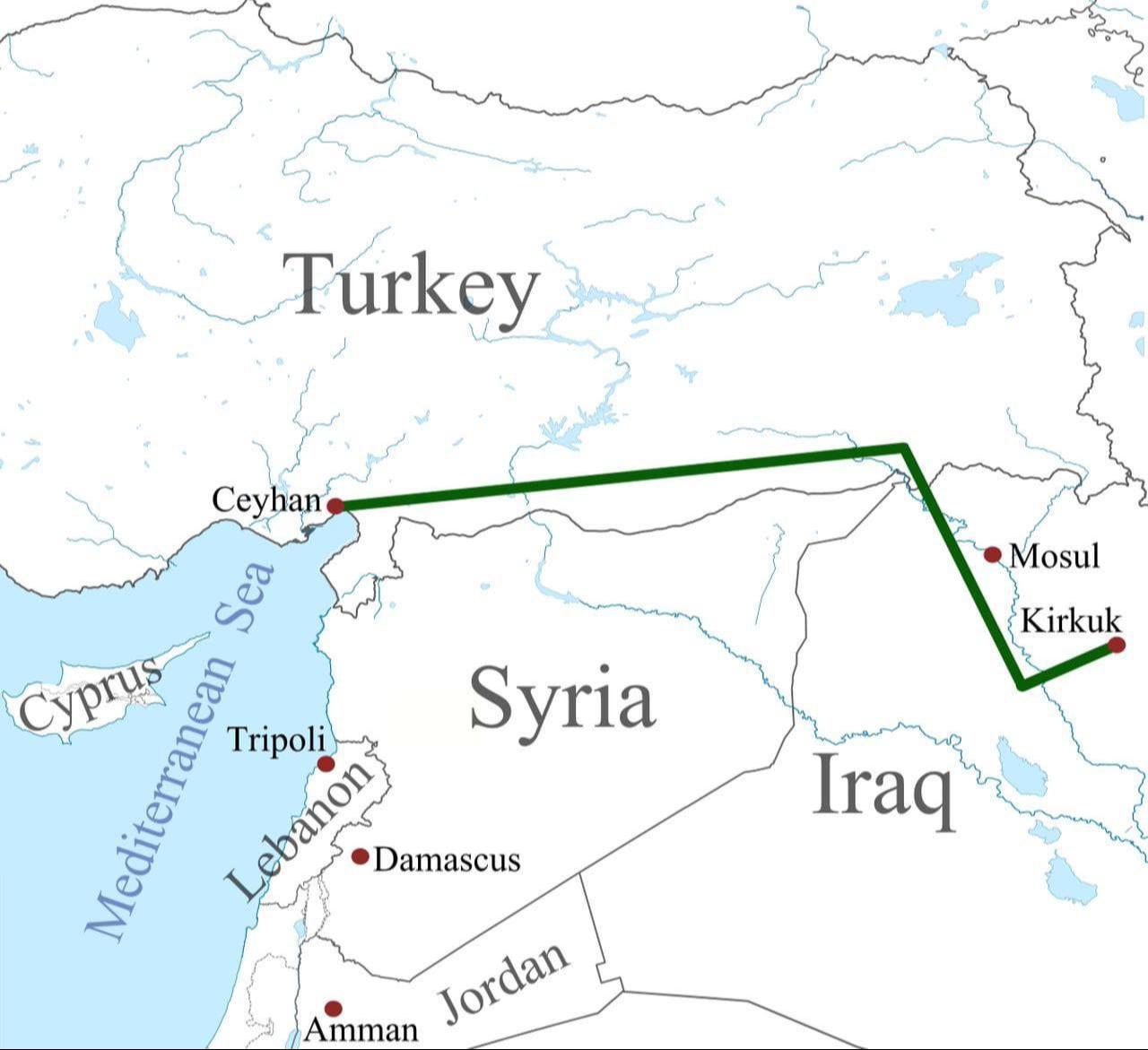
Addressing the resumption of flows from Iraq’s Kirkuk fields to Türkiye’s Ceyhan port, Bayraktar said Ankara had long warned about the vulnerability of Gulf export routes.
"We asked what would happen if Hormuz were to close and how Iraq would export its oil. We proposed extending the pipeline from Kirkuk to Basra," he said, adding that the move would provide an alternative export route and strengthen regional supply security.
Since the Iran war began on Feb. 28, Iraq has faced an export squeeze after the closure of the Strait of Hormuz, with exports falling by around a third from previous levels of 1.4 million barrels per day, prompting Baghdad to seek alternative routes for energy flows. Following a deal with the Kurdish Regional Government (KRG), oil flow restarted on Wednesday morning, carrying crude from Iraq’s Kirkuk fields to Türkiye’s Ceyhan port through a route passing via the KRG region.
The Kirkuk-Ceyhan pipeline is expected to carry 250,000 barrels per day, significantly below its total capacity of 1.5 million barrels per day, the minister stressed. Bayraktar said boosting pipeline utilization and expanding routes could help stabilize regional flows, particularly during periods of geopolitical tension.
"Iraq currently exports around 3 million barrels of crude oil per day. About 1.5 million barrels of this, nearly 50%, could be transported through this pipeline and reach new customers, particularly in the Mediterranean basin," Bayraktar indicated. "We have been saying this for years, and perhaps it is now better understood by our counterparts."

On Türkiye’s energy supply, Bayraktar said the country has no dependence on Hormuz, imports only limited volumes of LNG from Qatar, and sources crude from Iraq and Saudi Arabia at around 10% of total supply, a structure that does not pose a risk to overall supply security.
"We procure LNG from around 12 different countries, and we also supply our natural gas through pipelines from four different countries," he said. "Therefore, we have not experienced any issues related to supply security in natural gas or crude oil so far."
Bayraktar said Türkiye has pursued a diversification strategy over the past decade, while continuing its oil and natural gas exploration and production programs without interruption. "Türkiye has also diversified routes, while continuing to increase infrastructure and storage capacity. With these investments, we have effectively prepared for today," he noted.


 Set as preferred source
 Set as preferred source


 2 min read
 1 min read