Newsletters


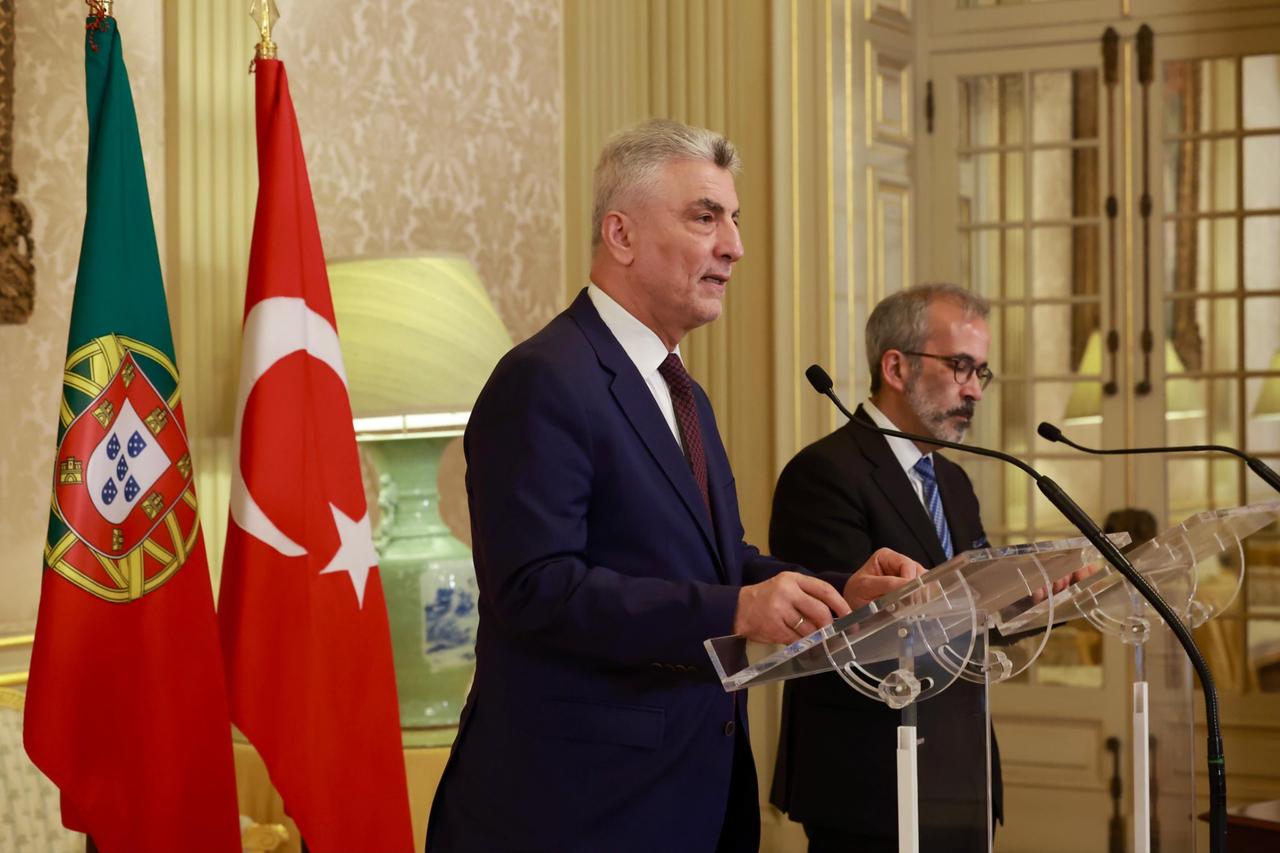


Türkiye is positioning its contractors and investors to take part in Portugal’s large-scale urban development projects estimated to be worth up to €60 billion ($70 billion), Trade Minister Omer Bolat said Wednesday.
In a social media post, Bolat stated that he held talks with Foreign Minister Paulo Rangel and Infrastructure and Housing Minister Miguel Pinto Luz during the fifth Joint Economic and Trade Committee (JETCO) meeting, where discussions centered on cooperation in contracting and technical consultancy services linked to the planned projects.
Portugal is preparing a sweeping investment program over the next three years, with €50 billion allocated to infrastructure projects and an additional €10 billion set aside for the construction of 123,000 housing units.
The pipeline spans transport, communication, and urban development works, including airports, rail systems, ports, and large-scale residential construction, forming one of the country’s most extensive development drives in recent years.
Bolat framed the program as a key opening for Turkish firms, noting that their international experience positions them to take on major roles across both infrastructure and housing segments.
Turkish contractors have completed 12,838 projects in 138 countries, with a combined value approaching $559 billion, giving them a strong footing in complex, large-scale developments, he highlighted.
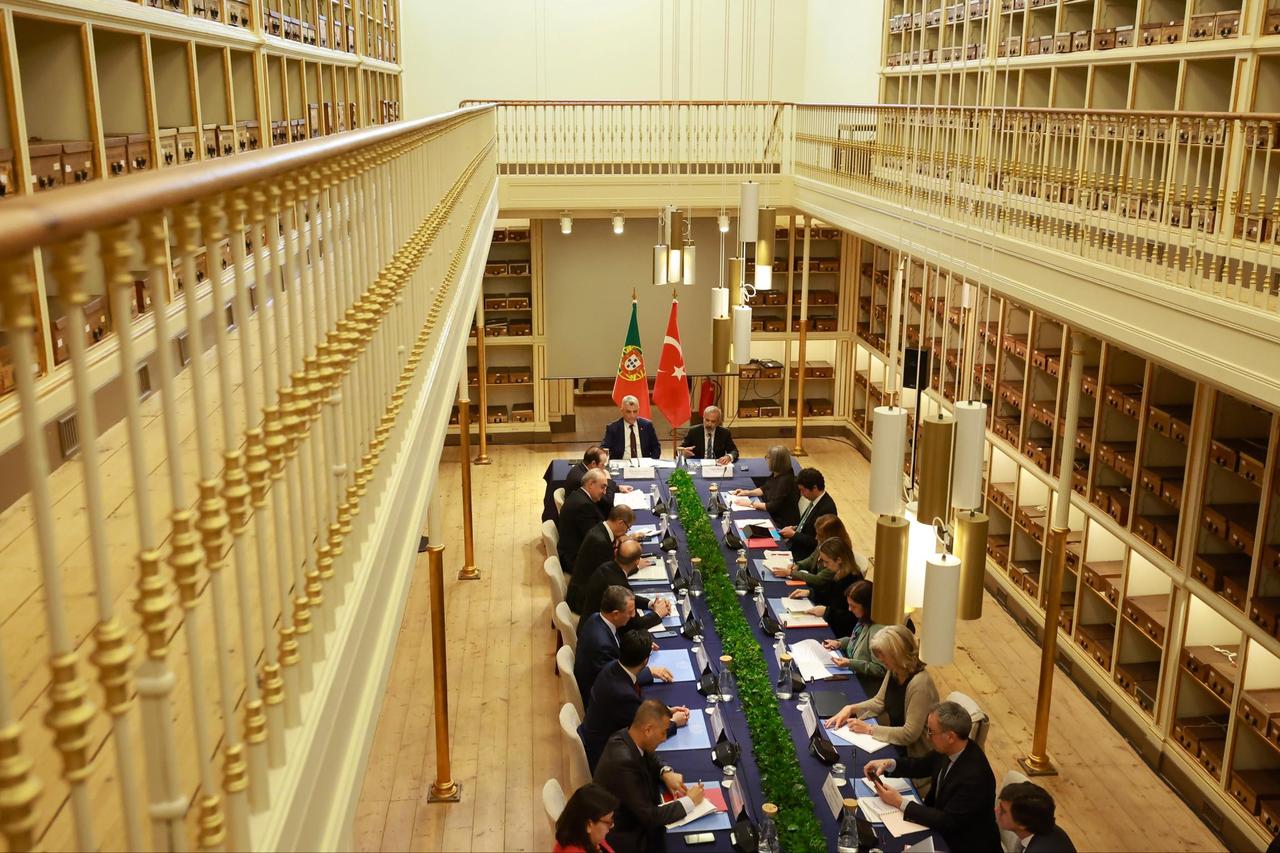

Bilateral trade between Türkiye and Portugal reached a record $3.7 billion last year, reflecting a steady expansion in economic ties.
Both countries now aim to lift that figure to $5 billion within the next two years, a target reinforced during the latest JETCO meeting, Bolat said.
Beyond official contacts, more than 50 Turkish and Portuguese business representatives took part in roundtable meetings in Lisbon, covering sectors such as logistics, information technologies, engineering, shipbuilding, and manufacturing.
The sessions, organized with the support of the Foreign Economic Relations Board (DEIK) and Portugal’s Trade and Investment Agency (AICEP), focused on aligning expectations and opening new channels for investment and partnerships.
Cooperation agreements signed between institutions are expected to support direct business engagement and facilitate new project links between companies.


 Set as preferred source
 Set as preferred source


 1 min read

 1 min read