Newsletters




Türkiye ramped up efforts to build new energy corridors to bring Basra oil and Qatari and Turkmen gas to its territory as part of plans to reposition itself at the center of regional supply routes, Energy Minister Alparslan Bayraktar said on Friday.
Speaking at an energy summit in Antalya, Bayraktar described the ongoing disruptions in the Strait of Hormuz amid the Iran conflict as one of the most severe energy disruptions in recent history, reinforcing the need for new infrastructure and diversified routes.
Türkiye, he suggested, is aiming to turn the current crisis into an opportunity by anchoring new supply lanes that connect regions and stabilize markets.
At the core of Türkiye’s strategy is a set of cross-border projects designed to open new supply routes and strengthen resilience, Bayraktar explained.
"We believe it is essential to implement a pipeline that will transport Turkmen gas across the Caspian to Türkiye and from Türkiye to Europe," the minister said.
The proposed Trans-Caspian route would carry gas from Turkmenistan, a major exporter with an annual capacity of around 80 billion cubic meters, across the Caspian Sea to Azerbaijan, where it would link into existing infrastructure and flow onward to European markets via Türkiye.
The concept dates back to the late 1990s, when a U.S.-backed plan envisioned transporting Turkmen gas under the Caspian to Baku and further west through the South Caucasus. Although Turkmenistan, Azerbaijan, Georgia and Türkiye signed agreements in Istanbul in 1999, the project was later put on hold due to disputes.
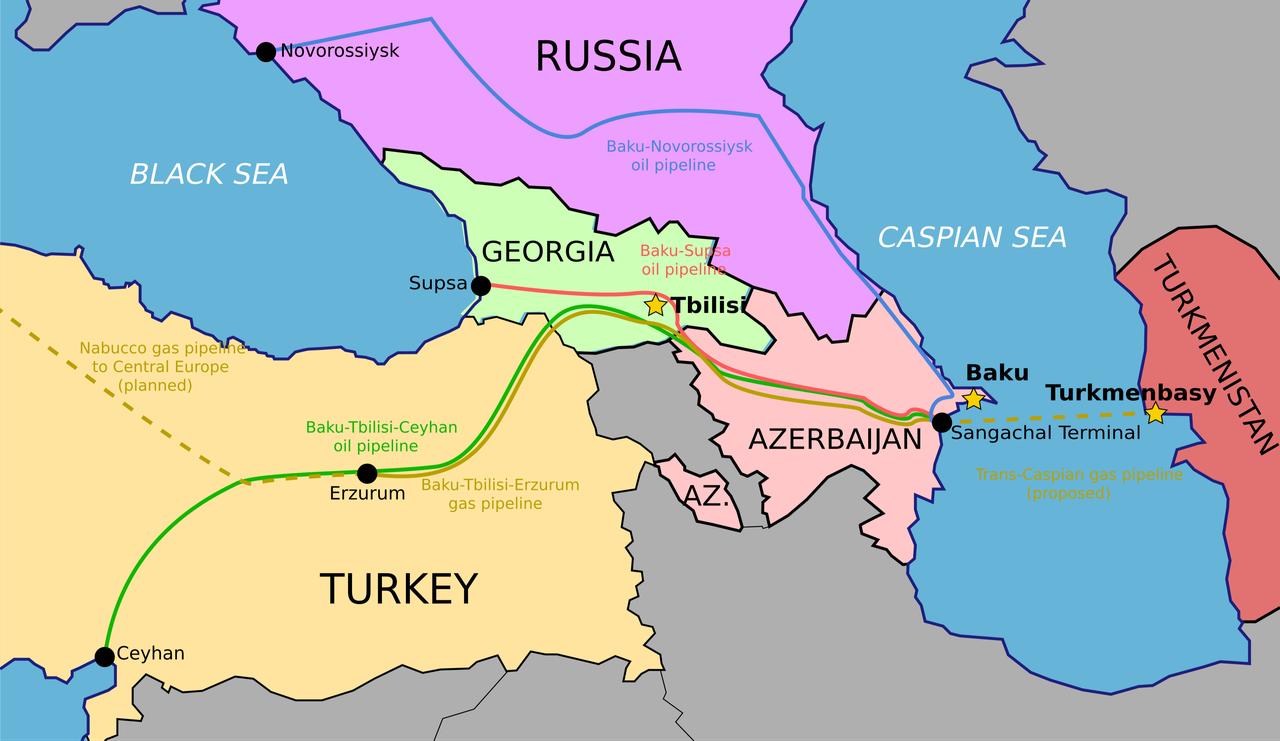

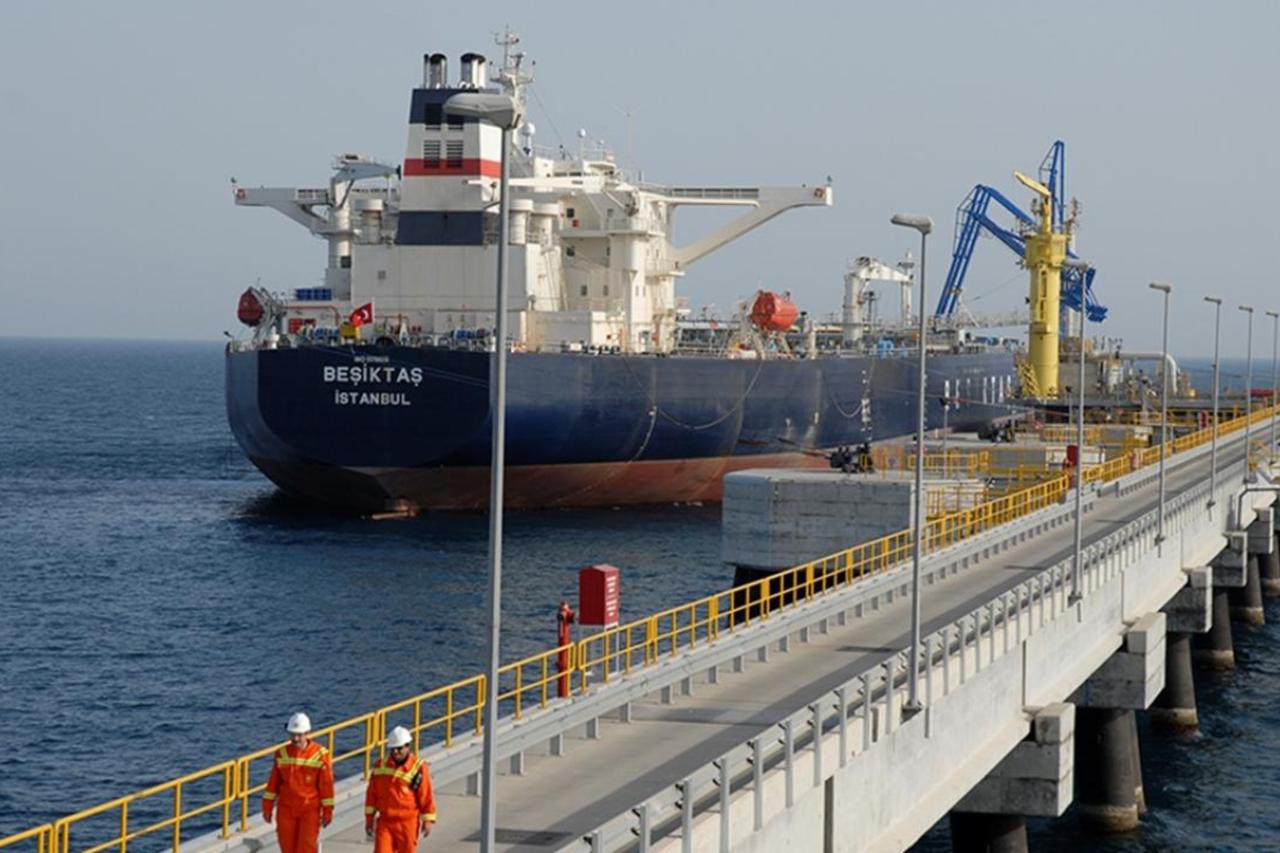
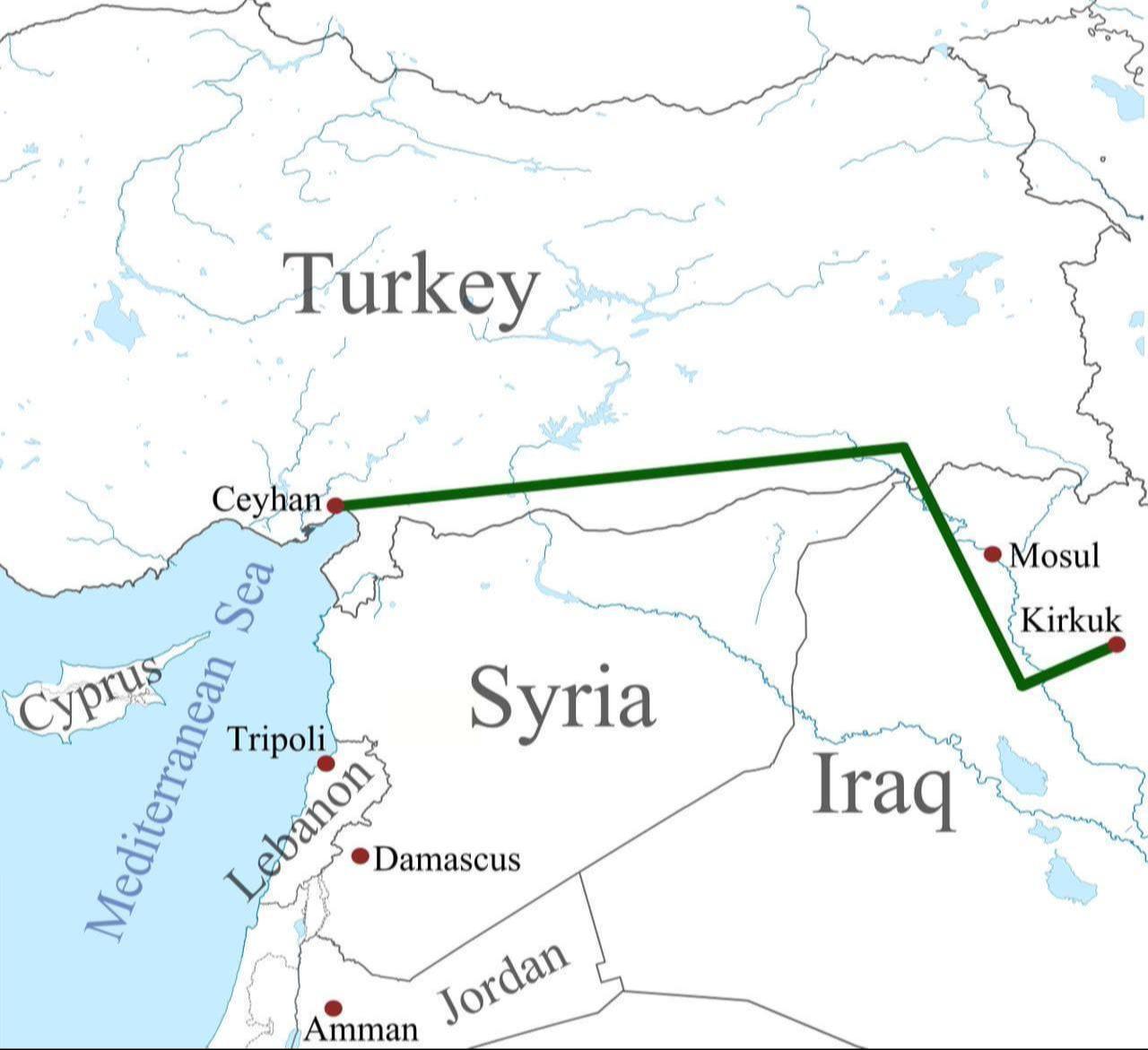
Bayraktar also pointed to plans to extend the Iraq-Türkiye oil pipeline further south. "Extending the Iraq-Türkiye crude oil pipeline to Basra is something we have long emphasized, and the recent crisis has clearly shown how important this is not only for Türkiye and Iraq but for global oil markets," he stated.
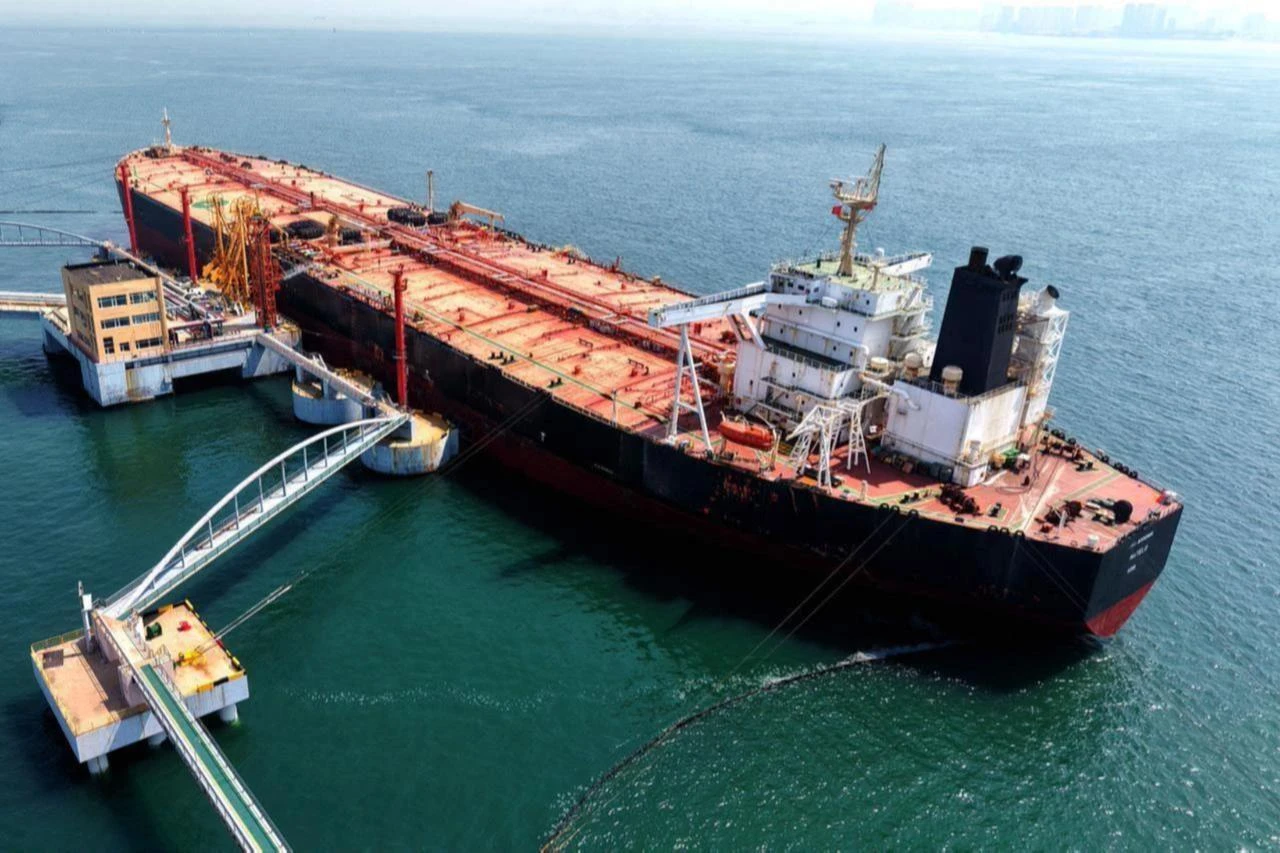
Iraq is grappling with a deep export disruption after tanker movement through the Strait of Hormuz stalled, slashing oil output by around 80% to roughly 1.2–1.3 million barrels per day and pushing the country into a critical situation given its heavy reliance on oil for nearly 90% of state revenues.
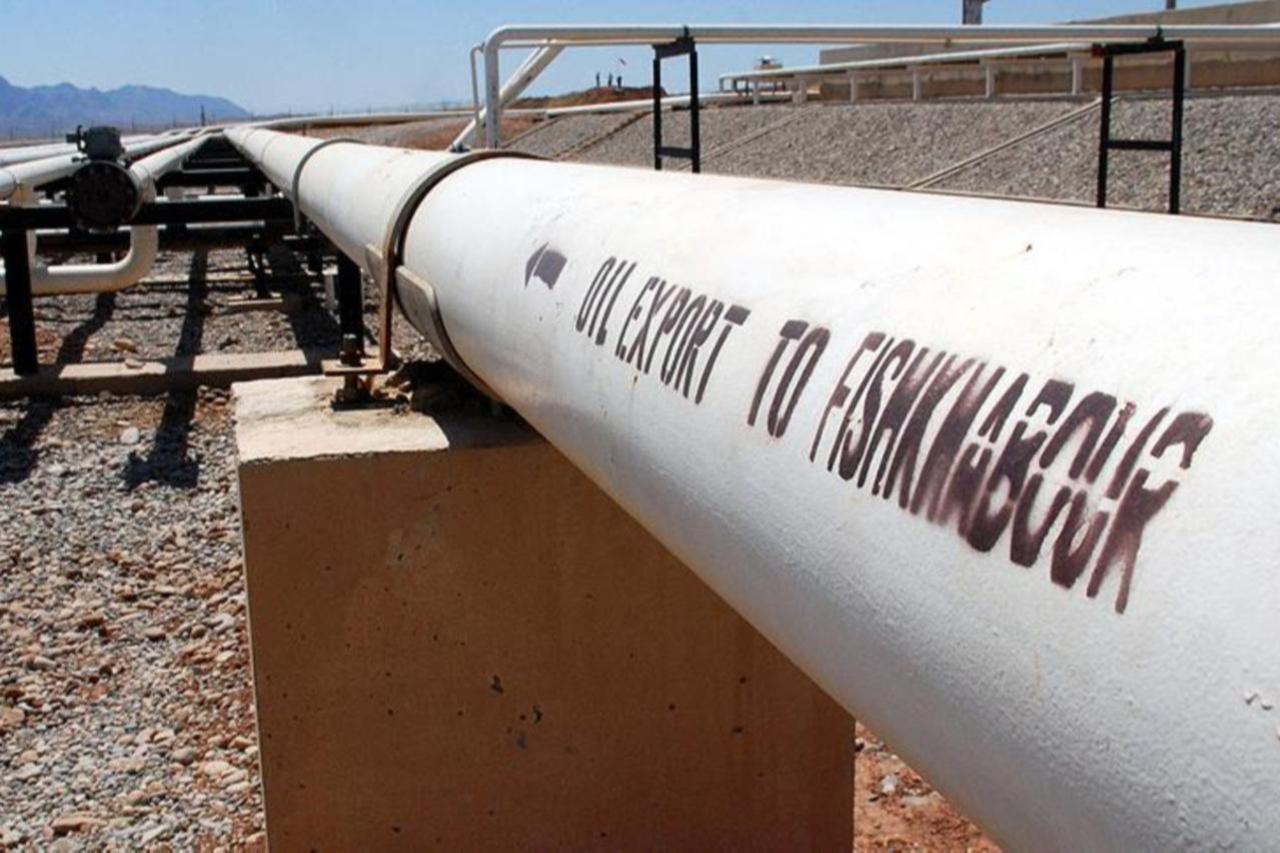
One of the major remaining export routes for Iraq is the Ceyhan-Kirkuk pipeline, which carries crude from northern fields to Türkiye’s Mediterranean coast, offering a critical alternative as other routes remain constrained.
Baghdad reached a deal with the Kurdistan Regional Government in March to restart oil exports via Erbil’s pipeline network, targeting up to 250,000 barrels per day on top of the KRG’s existing 200,000 barrels per day—still far below the line’s roughly 1.5 million bpd capacity.
Plans to extend the route down to Basra, the country’s main export terminal, are seen as a key alternative corridor to ease ongoing bottlenecks.
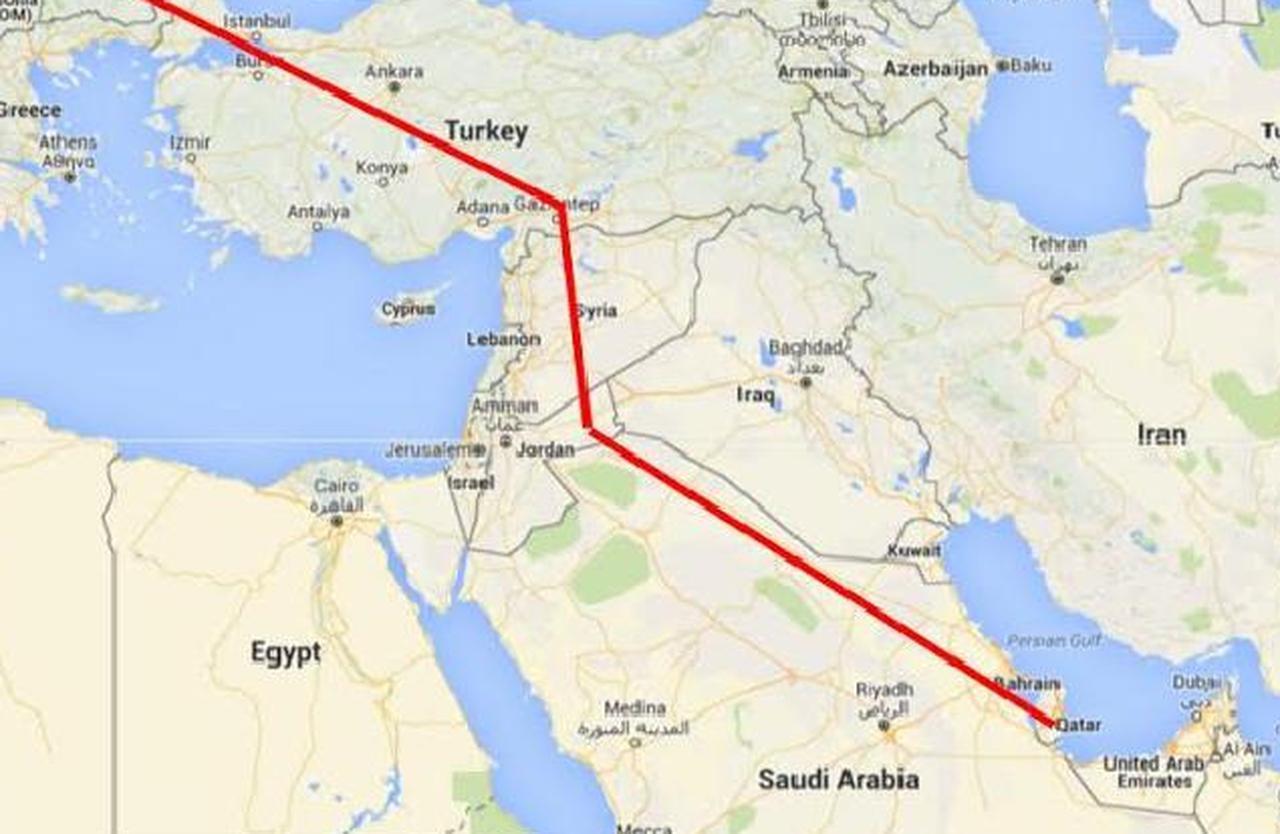
Another proposal centers on gas flows from the Gulf. "A natural gas pipeline that could bring gas from Qatar to Türkiye is also an extremely important project in light of recent supply and price shocks in global markets," Bayraktar highlighted.
The idea of a pipeline bringing gas from Qatar to Türkiye has resurfaced after the end of the Syrian civil war and the fall of Bashar al-Assad, who had reportedly opposed the project when it was first proposed more than a decade ago, though it remains largely conceptual.
During the conflict, Qatar, which accounts for roughly 20% of global LNG supply, saw its exports heavily disrupted as shipments depend almost entirely on the Strait of Hormuz, a route that handles nearly all of its outbound gas flows.
Türkiye is also pushing ahead with cross-border electricity links as part of a broader diversification drive.
Referring to a recent agreement involving Azerbaijan, Georgia, Türkiye and Bulgaria, Alparslan Bayraktar said the deal will allow renewable electricity generated in Azerbaijan to reach European markets.
He added that work is ongoing on a regional transmission line stretching from Saudi Arabia to Türkiye, describing it as a potential alternative energy corridor for both Türkiye and Europe.
At home, the minister said Ankara has rolled out extensive subsidies since the COVID-19 pandemic to shield households from rising costs.
"Over the past three years, our bill support for natural gas and electricity has reached approximately ₺1.85 trillion ($41 billion) at current prices," he noted.
He explained that the system has been redesigned to better target consumption levels. "We have moved to a structure where low consumption benefits from support, while high consumption is excluded," he said, signaling a shift toward a more targeted subsidy model.


 Set as preferred source
 Set as preferred source


 1 min read
 1 min read