Newsletters


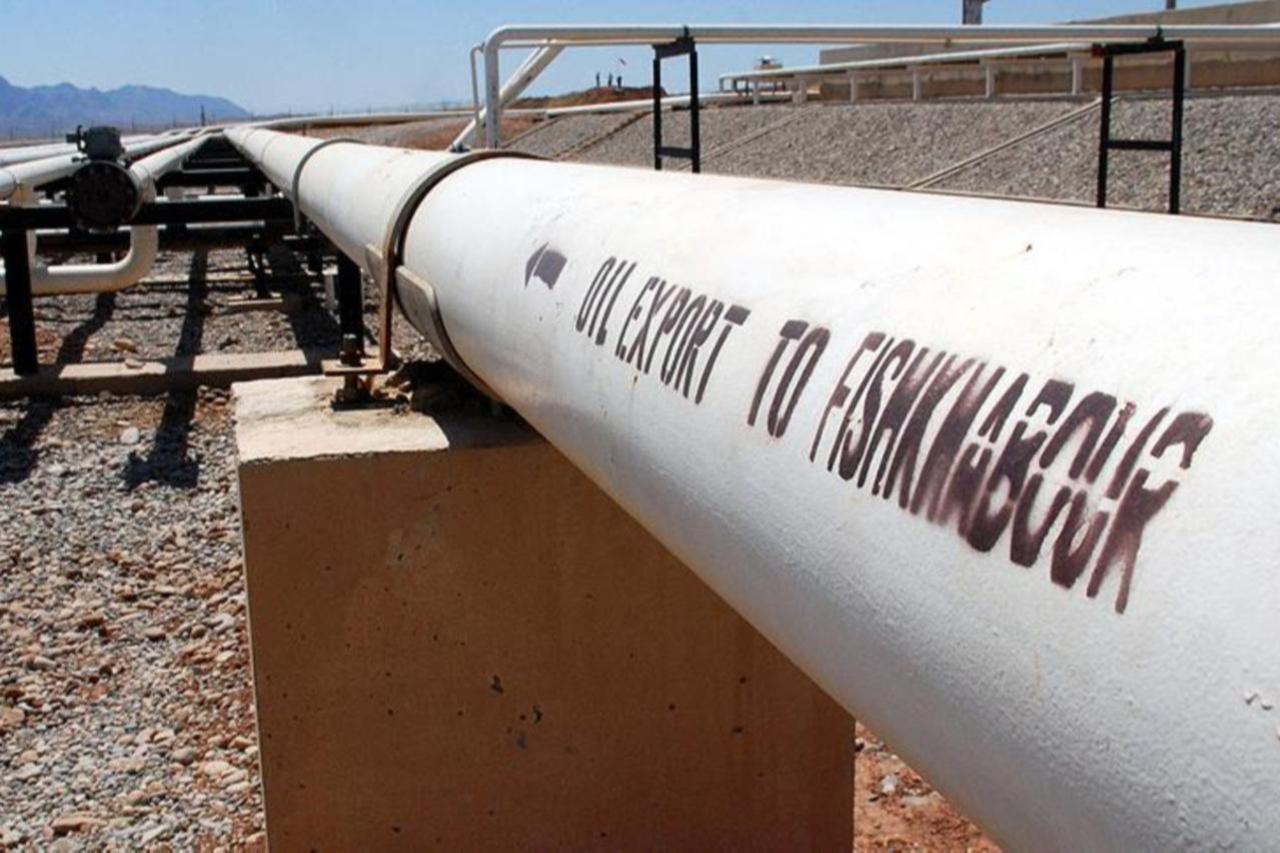


Türkiye is assessing a "new energy architecture" in the region to create alternative routes for Iraqi oil and Qatari gas, as disruptions linked to tensions around the Strait of Hormuz halt a significant share of regional exports during the ongoing conflict involving Iran, Energy Minister Alparslan Bayraktar stated on Wednesday.
"One question that comes to mind is what will happen after this crisis. A new energy architecture or a new page will open," Bayraktar told state-run Anadolu Agency. "We are thinking about what opportunities there may be for us."
The minister pointed out that Iraq’s oil exports, which total 3.5 million barrels per day, have effectively stopped due to constraints tied to the strait, stressing that the long-running pipeline linking Iraq’s Kirkuk oil fields to central Türkiye is a key option.
The pipeline, in operation for around 50 years, has a capacity of 1.5 million barrels per day, which would allow Iraq to reroute part of its exports.
Flows through the Kirkuk-Ceyhan pipeline resumed in late 2025 after Baghdad and the Kurdish Regional Government (KRG) reached a revenue-sharing deal following a long-standing arbitration case. In March, the sides also agreed to pump 250,000 barrels of Kirkuk oil through the KRG section of the pipeline.
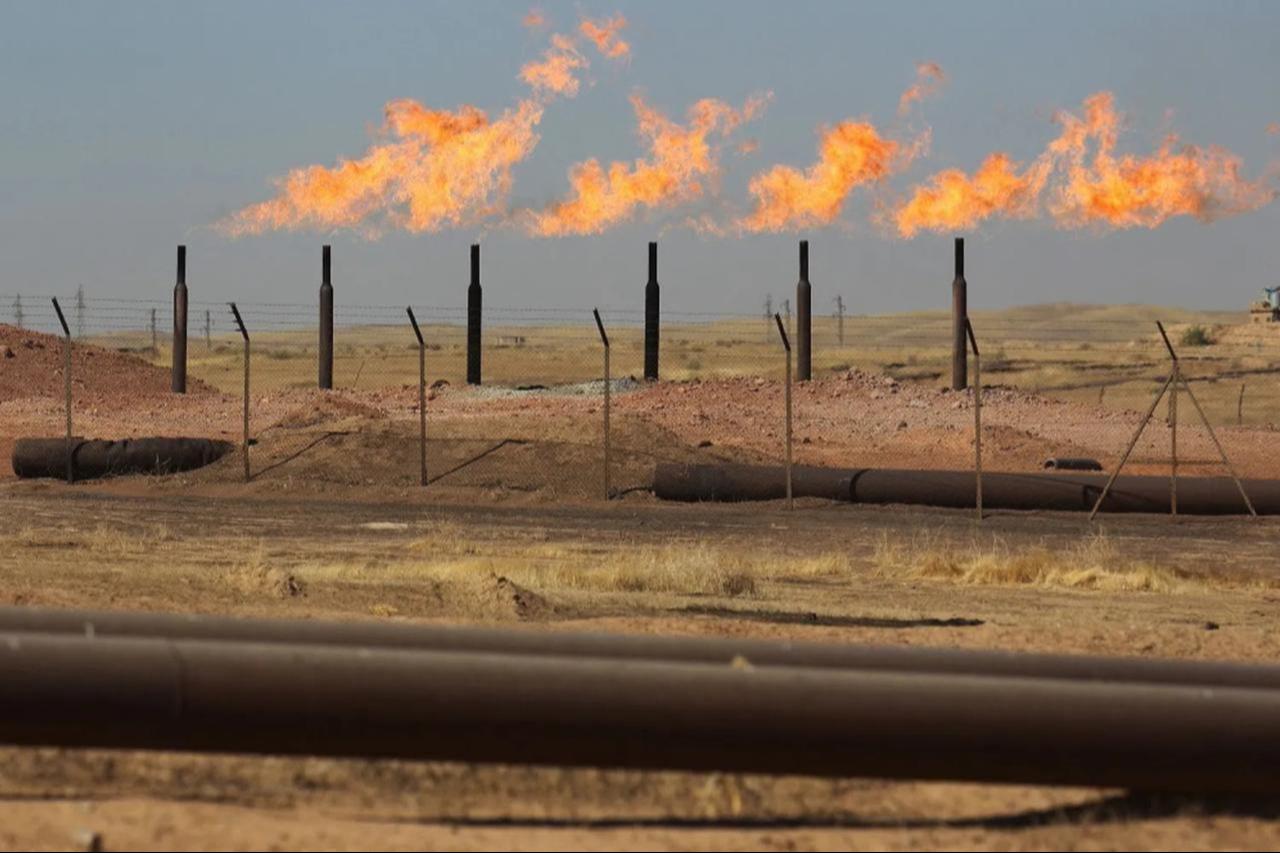

While Türkiye plans to terminate the bilateral oil pipeline agreement with Iraq by 2026 and replace it with a new deal, another arbitration case continues. Bayraktar said the pipeline remains under arbitration and stressed the need for a negotiated outcome.
Türkiye is also revisiting options to transport liquefied natural gas from Qatar through a different route, while bringing a long-discussed trans-Caspian pipeline for Turkmen gas back into focus. "We have put forward a Turkmen gas pipeline crossing the Caspian. This must be seriously on the table," he said, referring to previous arrangements in which Turkmen gas was supplied to Iran before reaching Türkiye.
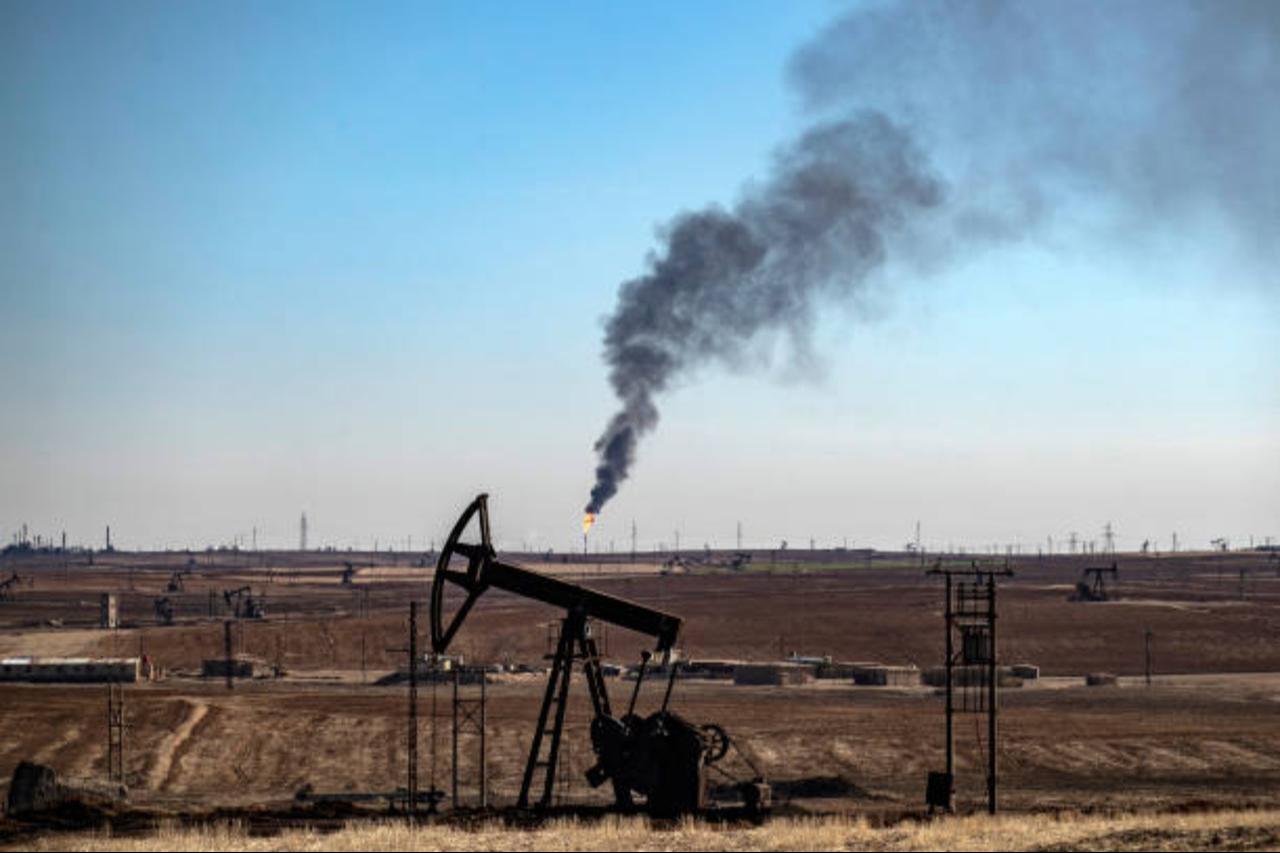
Bayraktar added that Türkiye has raised the possibility of connecting oil fields in Syria to its domestic pipeline network as part of broader diversification efforts. "We have been expressing these proposals for years. I hope this crisis will positively affect decision-making processes," he noted.
Despite the regional tensions, Bayraktar indicated that Türkiye’s dependence on energy flows through the Strait of Hormuz stands at 10%, which he described as manageable. He stated that there are no restrictions on fuel demand and no supply shortages in the country, adding that diversification policies have helped maintain stability.
However, he warned that a prolonged disruption could affect the global economy, as energy remains central to broader activity. "If it continues until the end of the year, it may reach a scale that affects the entire global economy," he said.
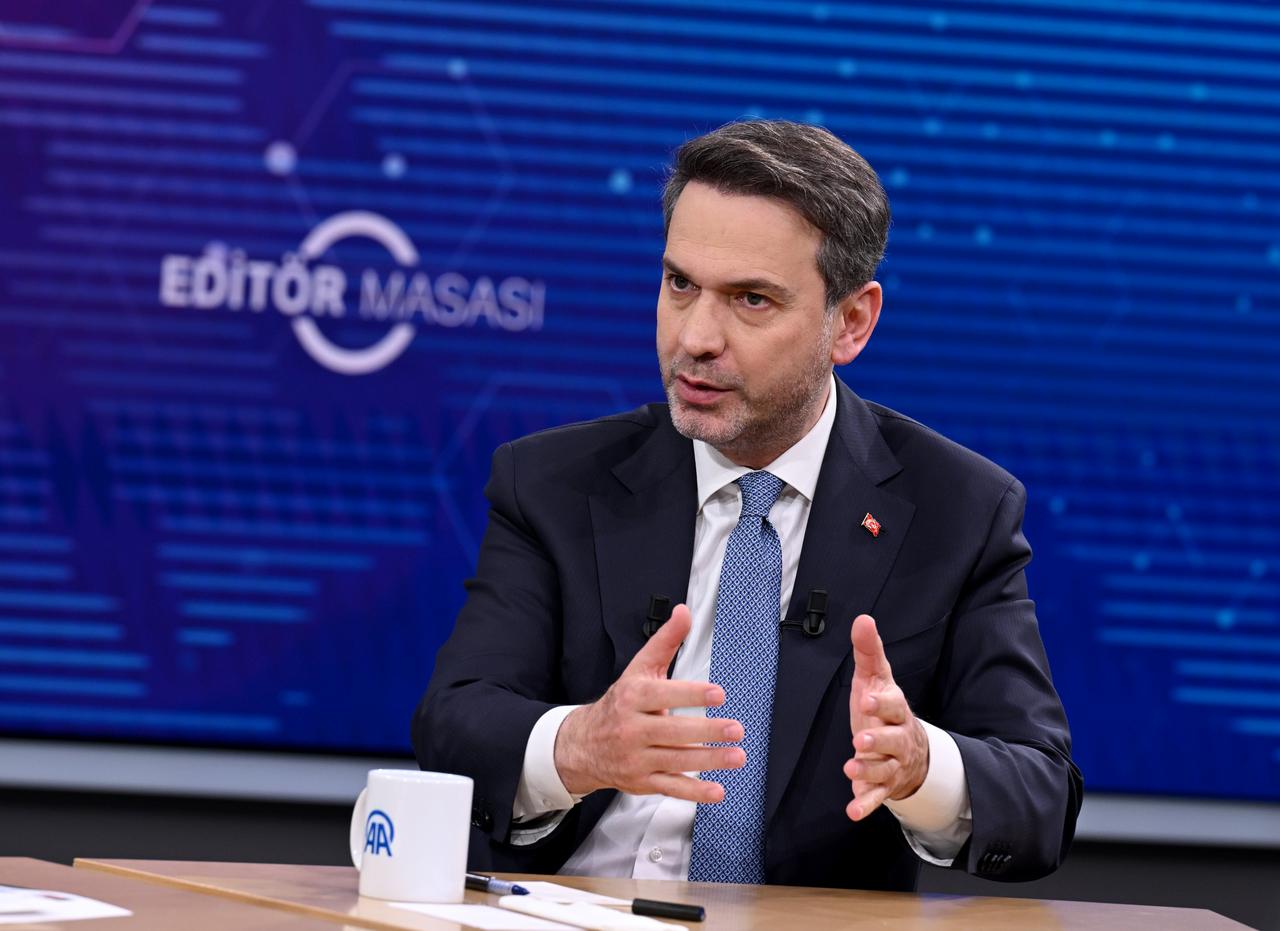
He also outlined the financial impact of rising oil prices, noting that each $1 increase in the price of a barrel adds $400 million to Türkiye’s costs, with prices rising from $60 to $100 per barrel, increasing the burden on state support programs.
Türkiye has allocated ₺305 billion ($6.87 billion) in support for electricity and natural gas in 2026, but Bayraktar said that figure could rise to ₺925 billion ($20.86 billion) if the crisis continues through the end of the year.
"We will make an evaluation in April based on these figures," Bayraktar said, adding that support measures will continue and that the cost of the global energy crisis has not been passed on to consumers.


 Set as preferred source
 Set as preferred source


 1 min read
 1 min read