Newsletters


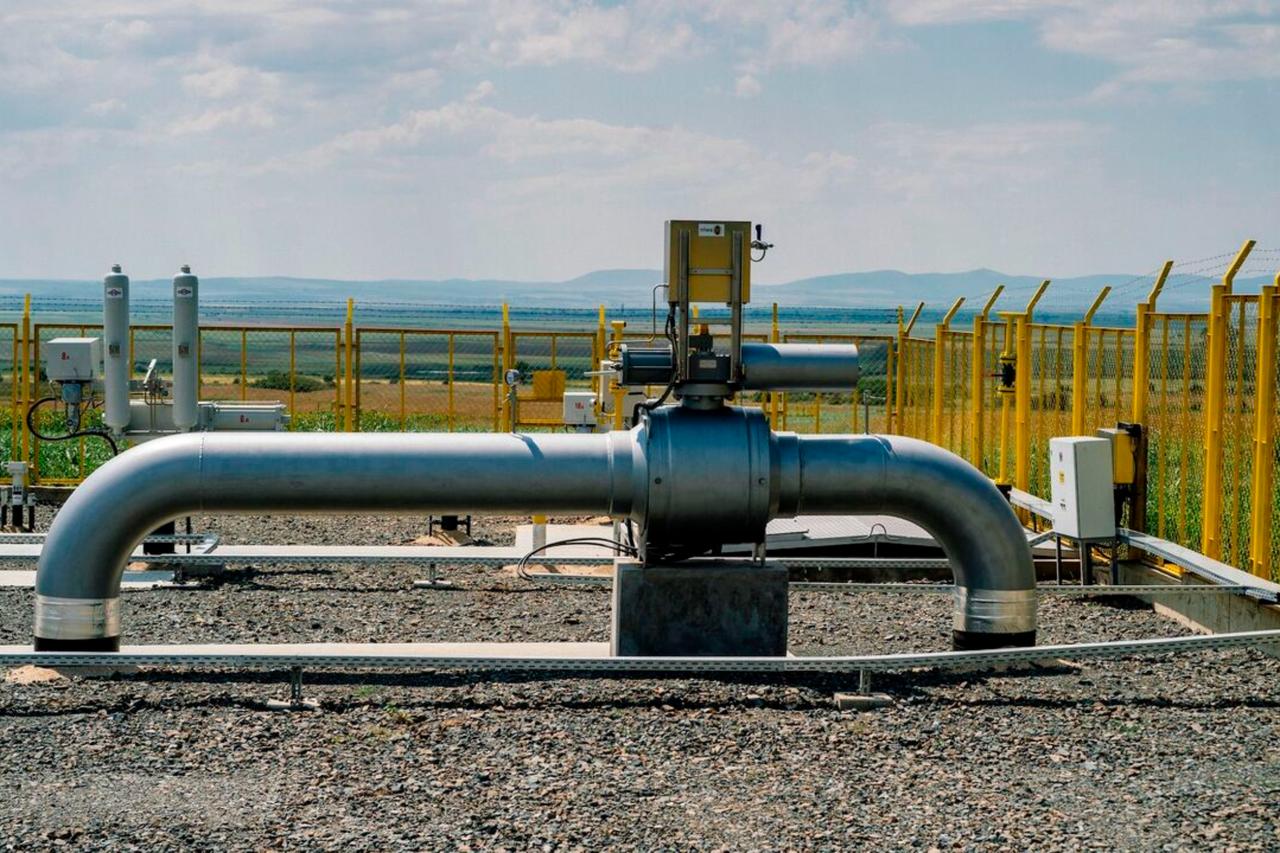


Türkiye has proposed a $1.2 billion military fuel pipeline extending through Bulgaria to Romania to secure the energy needs of NATO’s eastern flank, with a decision expected by July’s summit in Ankara, Bloomberg reported.
Ankara is proposing the new link as part of NATO's broader push to expand its military pipeline network.
The pipeline would be for military use only and not available for civilian traffic.
The people familiar with the matter who spoke to Bloomberg declined to elaborate on the pipeline's capacity or other technical details, describing them as classified.
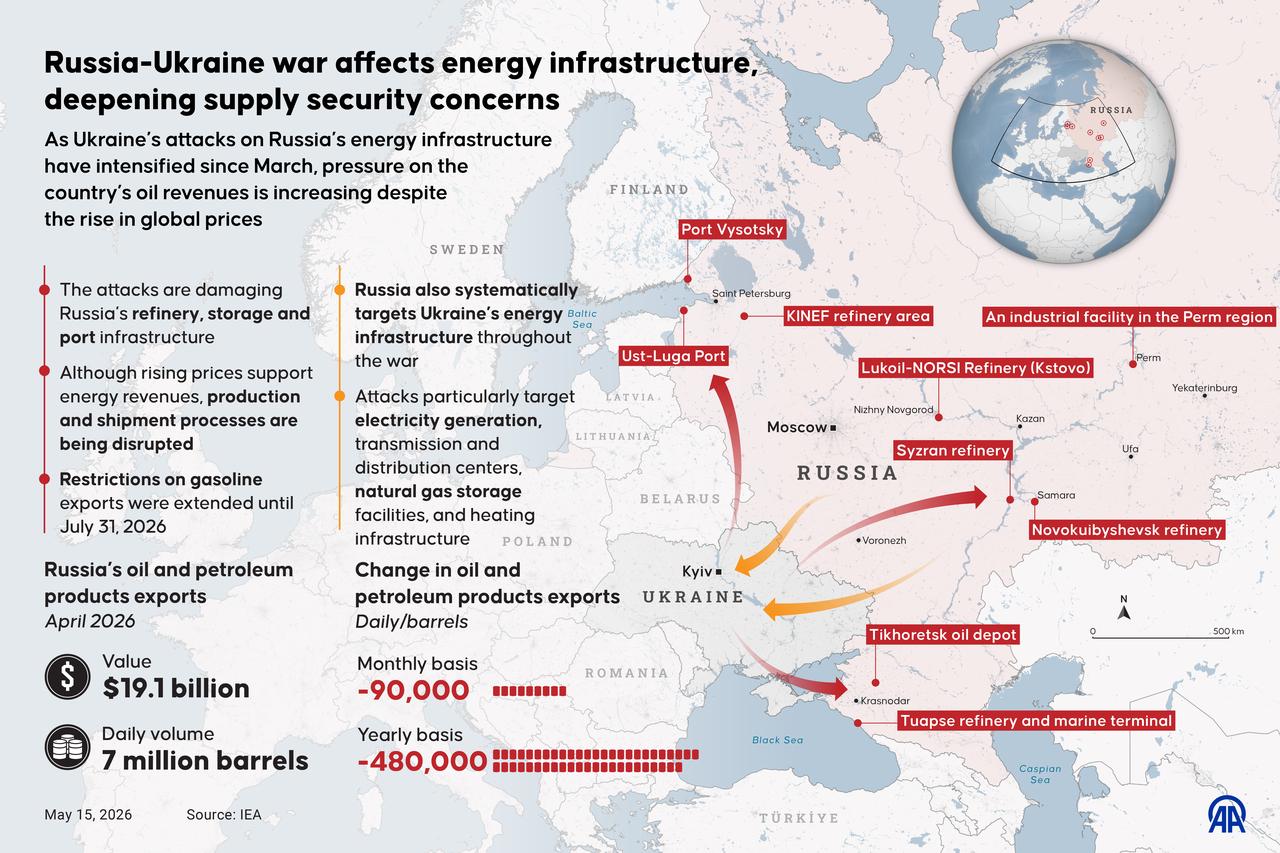
The report added that Russia's full-scale invasion of Ukraine and the disruptions to energy supplies caused by the closure of the Strait of Hormuz following U.S. and Israeli strikes on Iran had prompted NATO to strengthen its fuel supply model, underscoring the need for a resilient, cost-effective supply chain for the alliance's eastern members.

The proposed pipeline would complement parallel efforts by Poland and Romania to extend NATO's Cold War-era underground fuel pipeline network, NATO Pipeline System (NPS), further east.
That system, originally built to supply allied forces during wartime, currently extends only as far as Germany, leaving a significant gap in NATO's overland fuel supply infrastructure for its eastern flank members.
The NPS consists of 10 distinct storage and distribution systems for fuels and lubricants. In total, it is approximately 10,000 kilometers long, runs through 12 NATO countries, and has a storage capacity of 4.1 million cubic meters.
The NPS links together storage depots, military air bases, civil airports, pumping stations, truck and rail loading stations, refineries, and entry/discharge points.
The NPS consists of eight national pipeline systems and two multinational systems:
In addition to the national and multinational systems, there are also fuel systems in Bulgaria, the Czech Republic, Estonia, Hungary, Latvia, Lithuania, Poland, Romania, Slovakia, Slovenia, and Spain.
Türkiye is preparing to host the NATO summit in Ankara on July 7-8, and sources indicated the pipeline proposal could be decided upon before or during the summit.


 Set as preferred source
 Set as preferred source


 2 min read