Newsletters


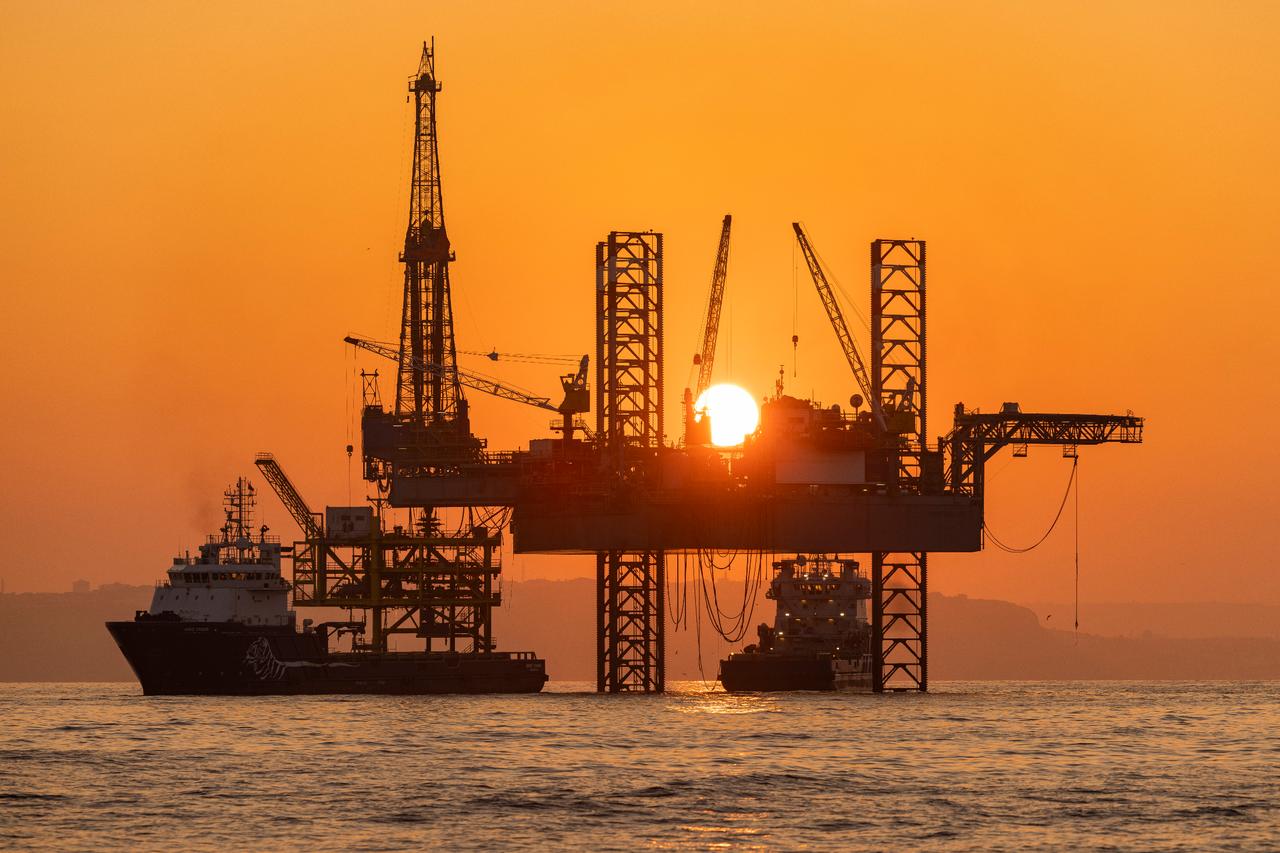


Türkiye has begun refilling its natural gas storage facilities after the winter season, with reserves currently at 71% capacity as authorities prepare for potential supply risks, Energy Minister Alparslan Bayraktar said.
Efforts are underway to restore storage sites to full levels following seasonal drawdowns, part of a broader push to strengthen resilience against global market disruptions.
Ankara is closely tracking geopolitical developments and supply conditions while stepping up refill operations, the minister explained.
Türkiye entered the winter season with full storage but relied less on reserves compared to previous years, supported by expanded liquefied natural gas (LNG) import capacity and diversified supply sources, Bayraktar stressed.
He added that increased LNG capacity played a key role in maintaining storage levels.
"By significantly increasing our LNG import capacity, we prevented our natural gas storage from being depleted," Bayraktar said.
Türkiye has not faced a significant energy disruption since the Iran war began, as the minister had earlier indicated that the country’s diversified supply structure has reduced its reliance on the Strait of Hormuz, which remains effectively closed.
The minister had also refuted claims that pipeline gas supplies from Iran, which account for 13% of Türkiye’s total imports, were disrupted following Israel’s strikes on the South Pars gas field.
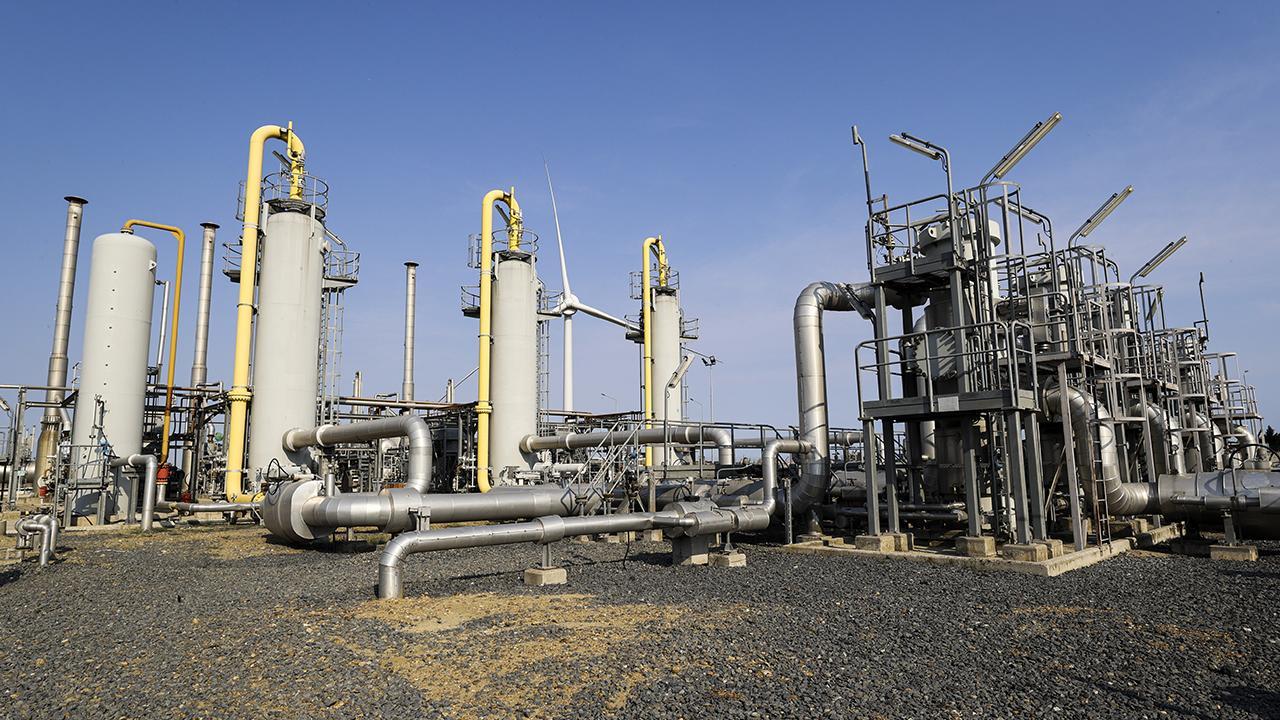

Alongside replenishment efforts, Türkiye is continuing investments to expand its storage infrastructure, Bayraktar highlighted.
The country’s two main underground storage facilities are located in Silivri, near Istanbul, and Salt Lake in central Anatolia, both of which help balance supply during periods of high demand.
Silivri currently has a capacity of 4.6 billion cubic meters, with plans to increase it to 6 billion cubic meters by 2028.
Salt Lake has reached 1.7 billion cubic meters and is expected to expand to 8.5 billion cubic meters by 2032.
Total storage capacity across both sites has reached 6.3 billion cubic meters following recent investments.
Ongoing expansion projects aim to significantly raise Türkiye’s storage capability in the coming years, Bayraktar stressed.
"With the investments we will make, we will be able to store at least 20% of the natural gas we consume by 2028," he said.
In 2025, Türkiye consumed 58.66 billion cubic meters of natural gas, according to official figures from the country’s energy market regulator.


 Set as preferred source
 Set as preferred source


 1 min read
 1 min read