Newsletters


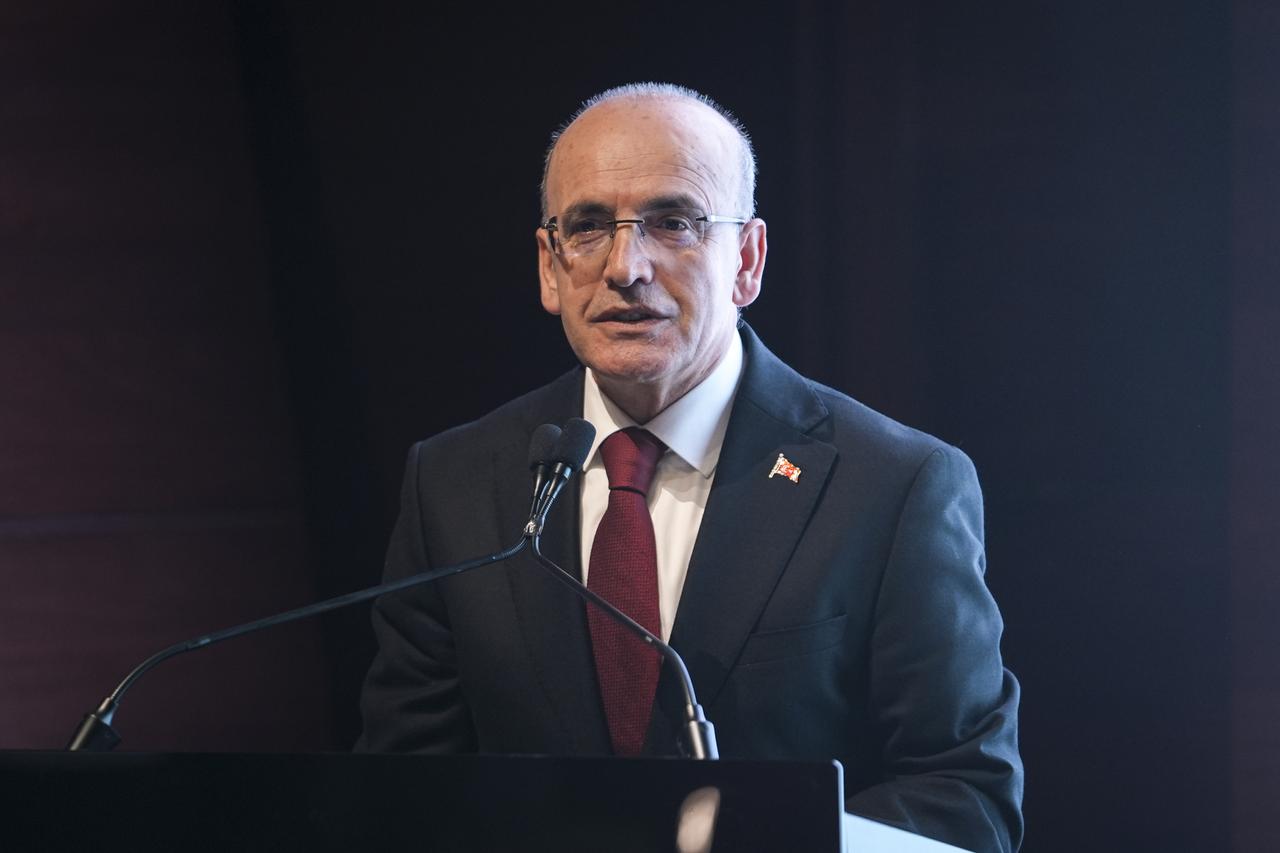


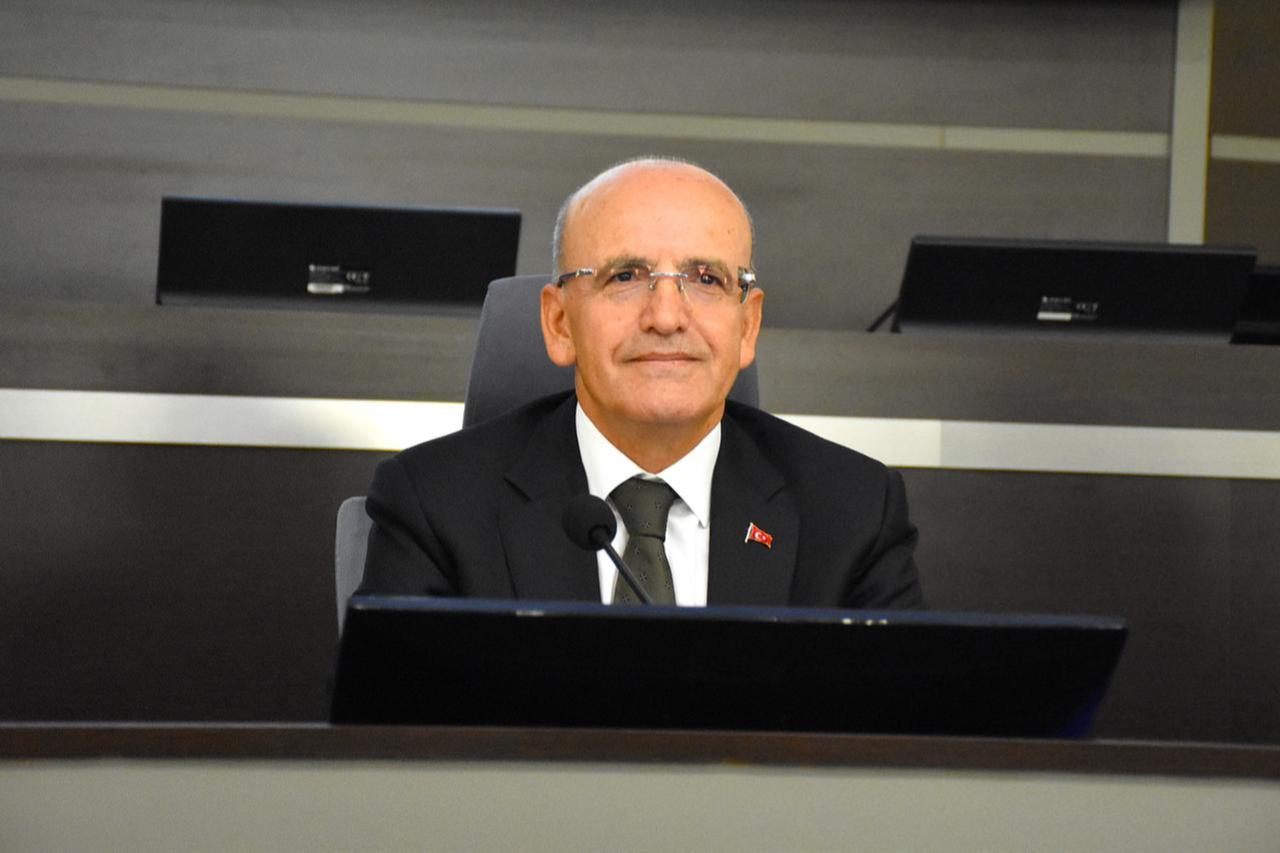
Türkiye is better placed than many economies to handle rising geopolitical strains even as global trade uncertainty remains elevated, Treasury and Finance Minister Mehmet Simsek said on Saturday.
"We are not immune, but we are relatively more protected," Simsek said, adding that the country sits at the center of expanding trade routes. "We are at the center of the main corridor stretching from China to London," he highlighted, referring to the Middle Corridor.
Investments under the Development Road Project are underway to strengthen regional connectivity, while work continues on new-generation trade agreements. He also pointed to efforts to deepen ties with Gulf countries alongside stabilization efforts in Syria.
Simsek asserted that Türkiye’s export structure gives it a cushion against global disruptions, noting that nearly two-thirds of shipments go to countries with which Türkiye has free trade agreements.
Around 80% to 85% are shipped either to those same partners or to nearby regions where Türkiye maintains close economic ties, including Central Asia, the Middle East, North Africa and the Balkans. He emphasized that this geographic concentration helps reduce exposure to protectionist policies and supply chain breaks.
However, despite some easing since last year when U.S. President Donald Trump unveiled global tariffs for the first time, global trade policy uncertainty remains elevated, Simsek cautioned. "We are facing serious restrictions in trade. Although uncertainty in trade policies peaked in April last year, it is still high," he said.
He pointed to tensions and active conflicts in different parts of the world as ongoing sources of instability. Global defense industry spending is projected to reach $6.6 billion by 2035, he drew attention, calling it a sign that countries are preparing for prolonged risk.
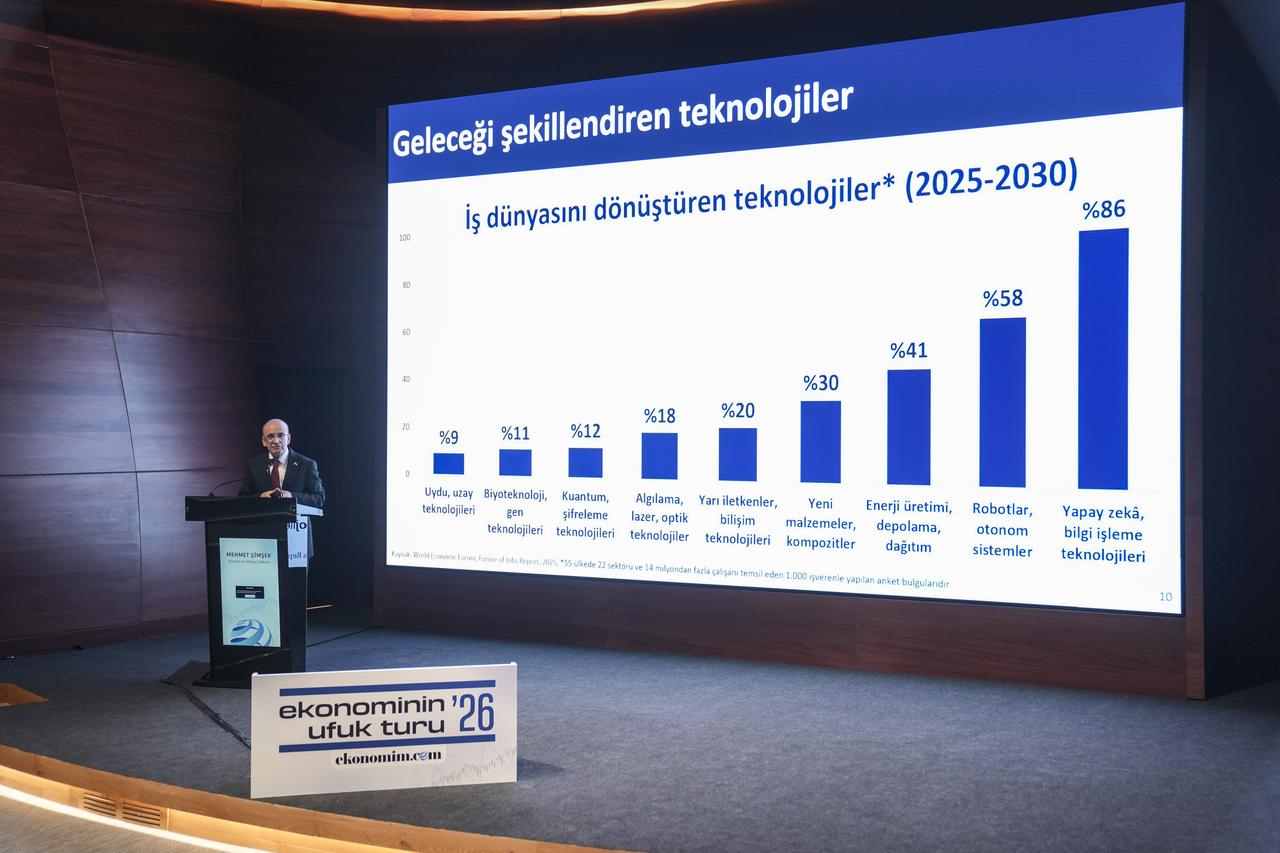

On commodity markets, Simsek said global energy prices are likely to decline over the long term, although short-term volatility persists due to tensions in Türkiye’s surrounding region, referring to the U.S.-Israel aggression involving Iran.
"Global energy prices will fall in the long term. In the short term, they are rising with tensions in our close geography," he said, adding that a broader decline in energy commodity prices would benefit Türkiye if it materializes.
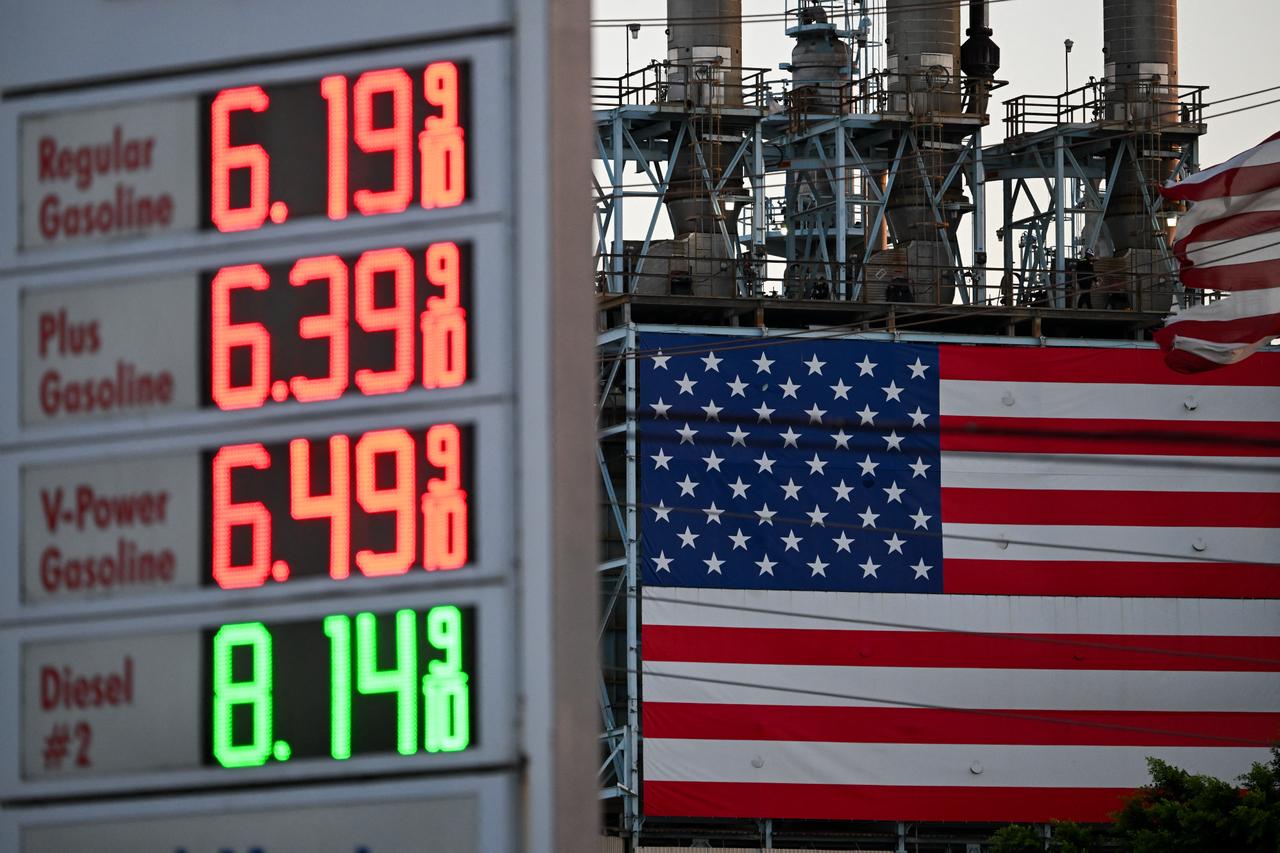
Oil prices extended their year-to-date gains beyond 20% this week after the latest round of nuclear talks between the United States and Iran ended without progress, with Brent crude closing the week at $72.90 per barrel. Following Saturday’s escalation, further upward pressure is expected when markets reopen on Monday.
Even a brief disruption in the Strait of Hormuz, which carries roughly 20% of the global oil supply, could send crude prices sharply higher, potentially toward $100 per barrel, according to an analysis by ING Global.
As a major energy importer with around $70 billion in annual energy shipments, Türkiye remains sensitive to oil price swings. Higher crude prices directly affect the country’s current account balance and feed into domestic inflation.
However, a prolonged increase in energy prices could undermine that projection, as policymakers based their forecasts on an average oil price assumption of $60.90 per barrel, and estimates suggest that a 10% rise in crude oil prices ultimately leads to about a one-percentage-point increase in headline consumer inflation over time.


 Set as preferred source
 Set as preferred source


 1 min read
 1 min read