Sign in
 Newsletters




Türkiye's government said Thursday it will have paid about 199.25 billion liras ($4B~) to investors in 122 of 131 funds put into liquidation after a wave of defaults in September, completing interim payments and ending the ordinary liquidation phase by Friday.
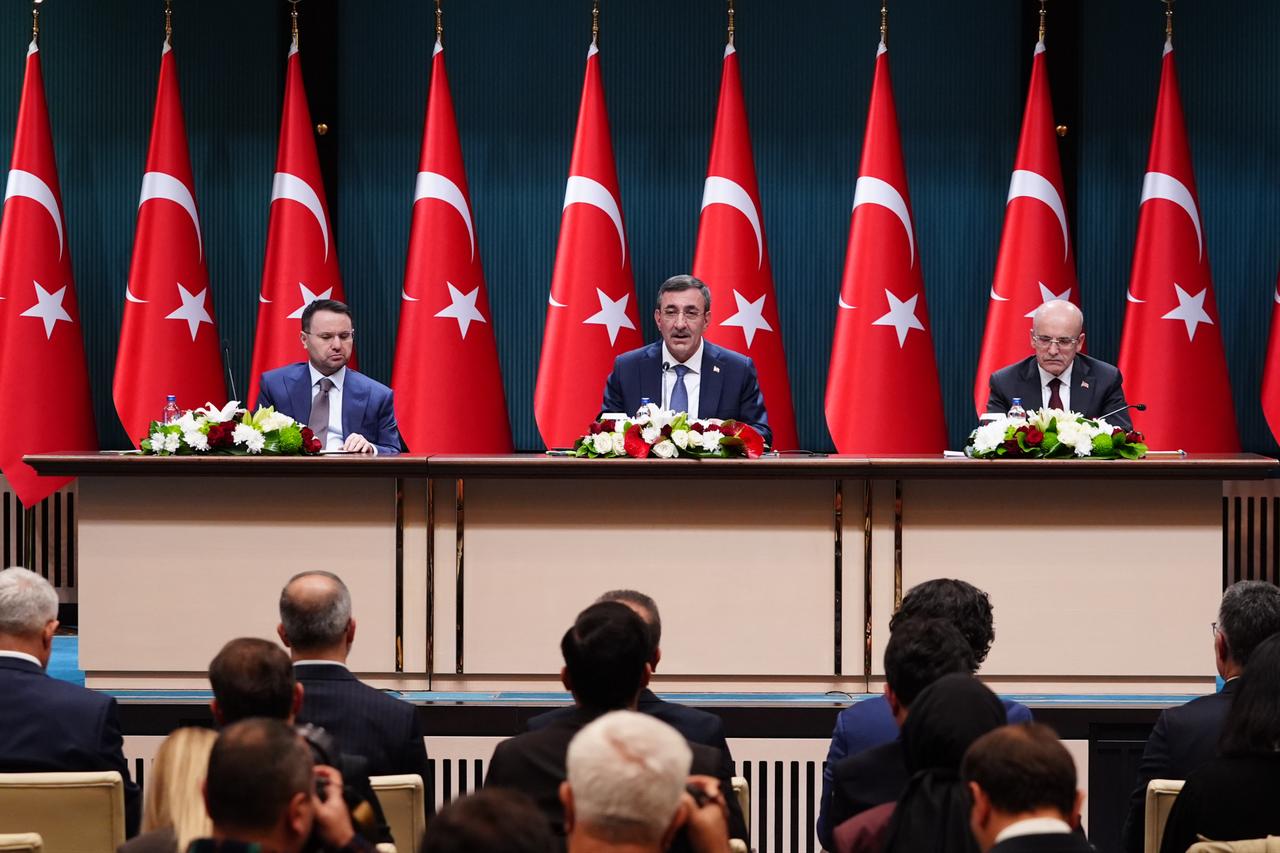
Vice President Cevdet Yilmaz, Justice Minister Akin Gurlek and Treasury and Finance Minister Mehmet Simsek outlined the payouts, the criminal investigation and planned regulatory changes at a joint news briefing at the Presidential Complex in Ankara.
Yilmaz said 444,987 of the 455,758 individual investors in the affected funds, about 98%, will have received at least one payment by Friday. Another 401,754 investors, or 88% of the total, will have been paid their full net investment amount or portfolio value, either as interim payments or through ordinary liquidation.
Yilmaz said none of the money came from the state budget or the Treasury. "Not a single kurus has been paid from our budget," he said, adding that payments were financed by liquid assets in the funds, assets converted to cash, in-kind transfers and recovery accounts.
Interim payments under the special liquidation law were capped at 1 million liras per investor. Yilmaz said 21,723 investors received the full 1 million liras in cash, a figure that rises above 40,000 when in-kind payments are counted. He rejected recent claims that nobody had received 1 million liras, calling them untrue. Investors owed less than that amount received less.
About 10,680 investors received nothing because they had already withdrawn at least as much as they put in. Under the formula, their net investment amount is treated as zero. Net investment amounts were not adjusted for inflation. For equity-heavy hedge funds, holdings were valued at the closing price the day before payment rather than at earlier, inflated prices, Yilmaz said. The interim payments will be offset against investors' entitlements when final liquidation is carried out proportionally.
The Savings Deposit Insurance Fund, known as TMSF, opened 131 recovery accounts, one per fund, plus a general account. Yilmaz said more than 45 billion liras has been collected so far from people who allegedly made unlawful or excessive gains. Gurlek put the figure at 45.36 billion liras from 95 people through voluntary returns.
Payments for three funds of Hedef Portfoy, one of the portfolio management companies that defaulted, will be made Friday once stock sales settle. Nine funds, each with very few investors, will remain in the extraordinary process. Real estate and other illiquid assets will be converted to cash over time, and further payments will follow under ordinary liquidation rules in proportion to investors' shares.
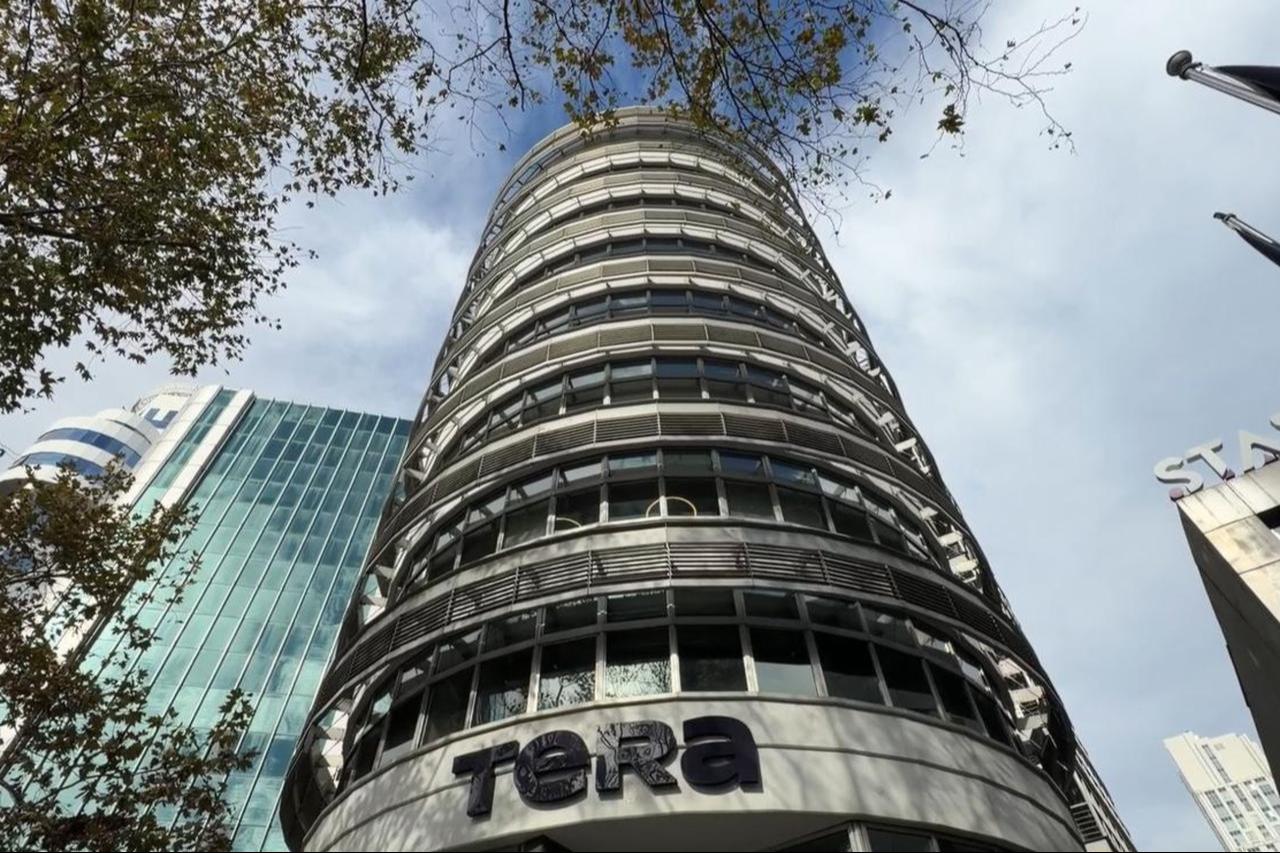

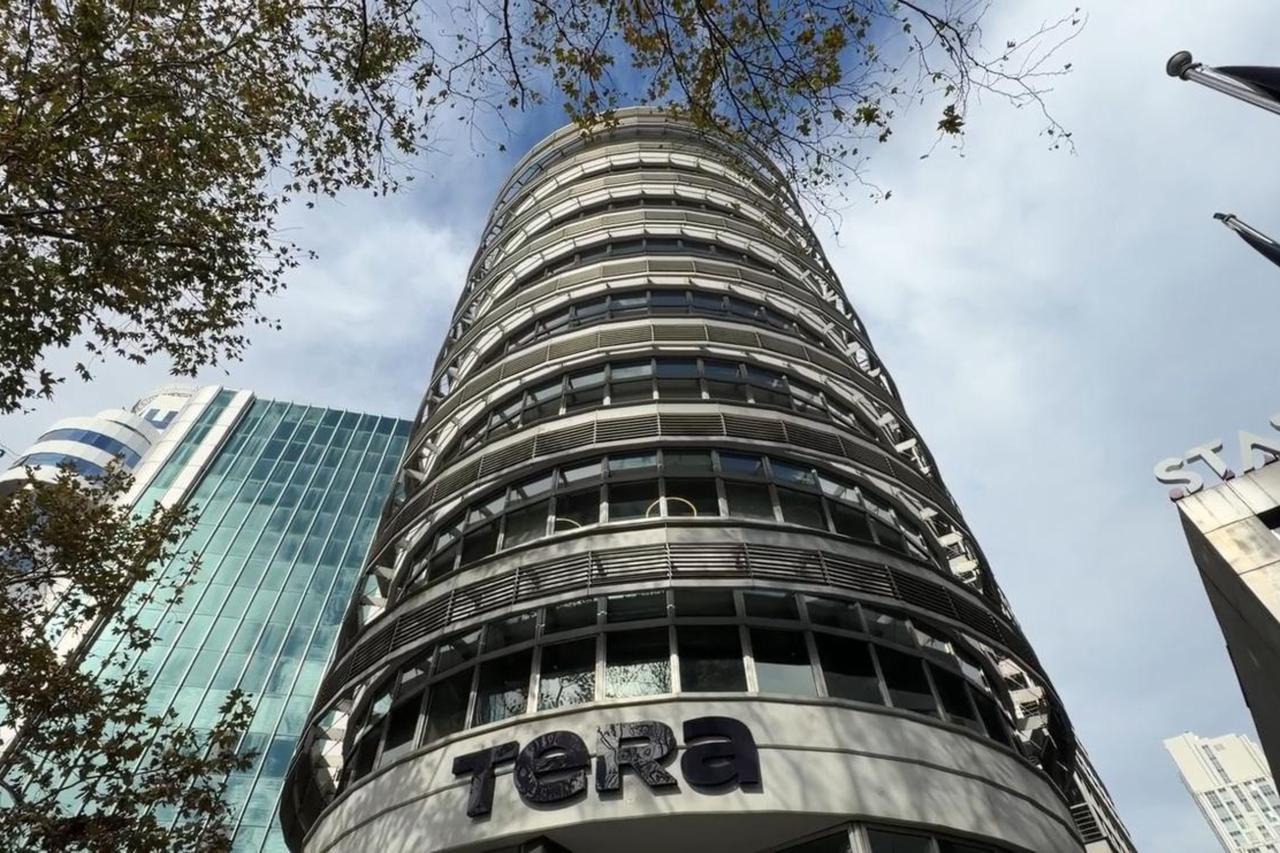
Yilmaz said the Capital Markets Board, known by its Turkish initials SPK, published a guide on investment funds on Aug. 28, effective Sept. 1, aimed at curbing manipulation and fictitious trading in thinly traded shares. Several fund companies, led by Pusula and Tera, defaulted on Sept. 15 and 16.
The Financial Stability Committee met urgently on Sept. 17, and the board ordered the liquidation of 131 funds at seven portfolio management companies. Yilmaz described the step as placing "sick structures" in quarantine so the problem would not spread through the system.
According to Central Registry Agency data cited by Yilmaz, the funds had 455,758 individual investors at the time of the decision. Their portfolio value equaled 2.4% of household financial assets. The 131 funds made up 4.6% of all funds and 7.7% of total portfolio value.
A Fund Coordination Board chaired by Yilmaz was set up on Sept. 29 on the president's instruction and has met 11 times. The State Inspection Board is auditing the process with 21 inspectors and experts, and Yilmaz said its scope has widened as the judicial investigation has grown.
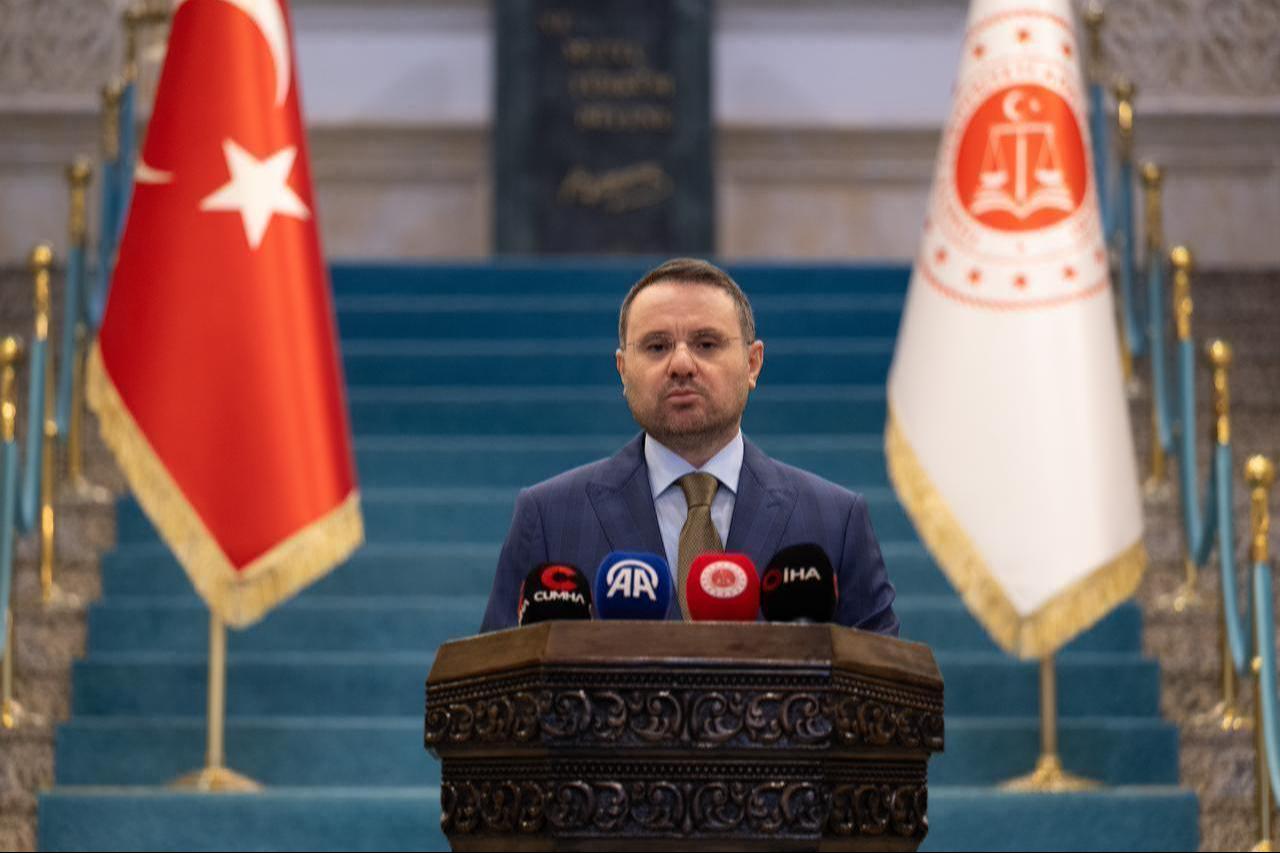
Gurlek said the Istanbul Chief Public Prosecutor's Office has 638 suspects in the fund investigations. Of those, 138 are in pretrial detention, 300 are under judicial control measures and 49 are subject to detention warrants. Assets of 550 individuals and 184 legal entities have been seized and their bank accounts frozen.
Gurlek said about 13 billion liras sent abroad has been frozen, and the ministry is pursuing its return through judicial cooperation. Yilmaz cited more than 12 billion liras identified abroad by the financial crimes investigation board MASAK.
The "main backbone" of the investigation is complete, Gurlek said, and prosecutors have reached the stage of drafting an indictment. He said new names could emerge from SPK criminal complaints and statements from suspects who have turned informant. "We will not hesitate to do what is necessary under the law, whoever they are," he said.
Simsek said the August guide imposed concentration limits on hedge funds holding stocks with low free float and capped related-party transactions at 20% of fund portfolio value. It also required weekly disclosure of hedge fund holdings, tied fund lending to collateral and widened Takasbank's guarantee for reverse repo transactions.
Money-market-type hedge funds must hold at least 10% in government lease certificates. The threshold for qualified investors rose from 10 million to 50 million liras, and the number of funds a company can issue is now linked to its number of portfolio managers.
Simsek said an SPK transformation project will introduce an artificial intelligence-assisted early warning system against manipulation, developed with institutions such as the scientific research council TUBITAK, along with a big data platform. The Tax Inspection Board has assigned 25 inspectors to the SPK.
SPK is expected to finish its fund manipulation reviews by the end of November, Simsek said. Between Sept. 16 and Nov. 26, the board scanned 56 stocks and filed criminal complaints against 551 people over 21 fund-related stocks. It imposed trading bans on 591 people and canceled the trading licenses of 319.
A draft amendment to the Capital Markets Law has been sent to the ruling party's parliamentary group. Simsek said it would give SPK powers to intervene early in troubled funds, create a permanent mechanism to recover losses from those responsible, set up a risk center and raise penalties for manipulation and fund-related crimes. He said he hopes parliament will take it up after budget talks or early next year.
The government also aims to meet concerns raised by index provider MSCI. Simsek said officials plan to meet MSCI representatives in London next week and in New York in mid-December. He said work on the free float calculation method should be finished in December 2026, well ahead of a June deadline. The disclosure threshold for direct shareholdings on the Public Disclosure Platform, known as KAP, has already been lowered from 5% to 3%.
Simsek said the fund problem was limited in scope but coincided with a global downturn that worsened expectations. He said the Istanbul stock exchange fell 19.5% between Sept. 17 and Nov. 26, compared with 15.7% for the MSCI emerging markets index. He said South Korea's market fell nearly 30% and the Nasdaq 11.5%, a loss of $4.4 trillion in value. "You cannot explain the whole of the recent drop in the stock market with the funds," he said.
Banks' direct exposure to the 131 funds is 1.3 billion liras, about 2 per 100,000 of the sector's 57 trillion liras in assets, Simsek said. Of a 1 trillion lira private sector bond market, 20 billion liras, or 2%, has defaulted. Companies' exposure to the funds totals 116 billion liras, less than 1% of private sector turnover.
Simsek said the central bank exempted affected companies from credit growth limits. The Credit Guarantee Fund will launch a package funded from its own resources, with a total guarantee limit of 35 billion liras. It offers an 80% guarantee, up to 500 million liras per beneficiary, with six months' grace on principal and terms of 24 to 48 months. Simsek said 99 companies that issued private sector bonds fall within its scope, and no Treasury funds are involved.
Money leaving funds and the stock market went almost entirely into bank deposits, which he called likely temporary. The lira's share of deposits was 61.8%. Simsek said much of the decline in central bank reserves reflects falling gold prices, since more than two-thirds of reserves are held in gold. He also pointed to expectations of faster U.S. interest rate increases, geopolitical uncertainty and doubts about returns on artificial intelligence investments. He said consumer confidence fell sharply but has begun to recover.


 Set as preferred source
 Set as preferred source


 1 min read
 1 min read