Newsletters


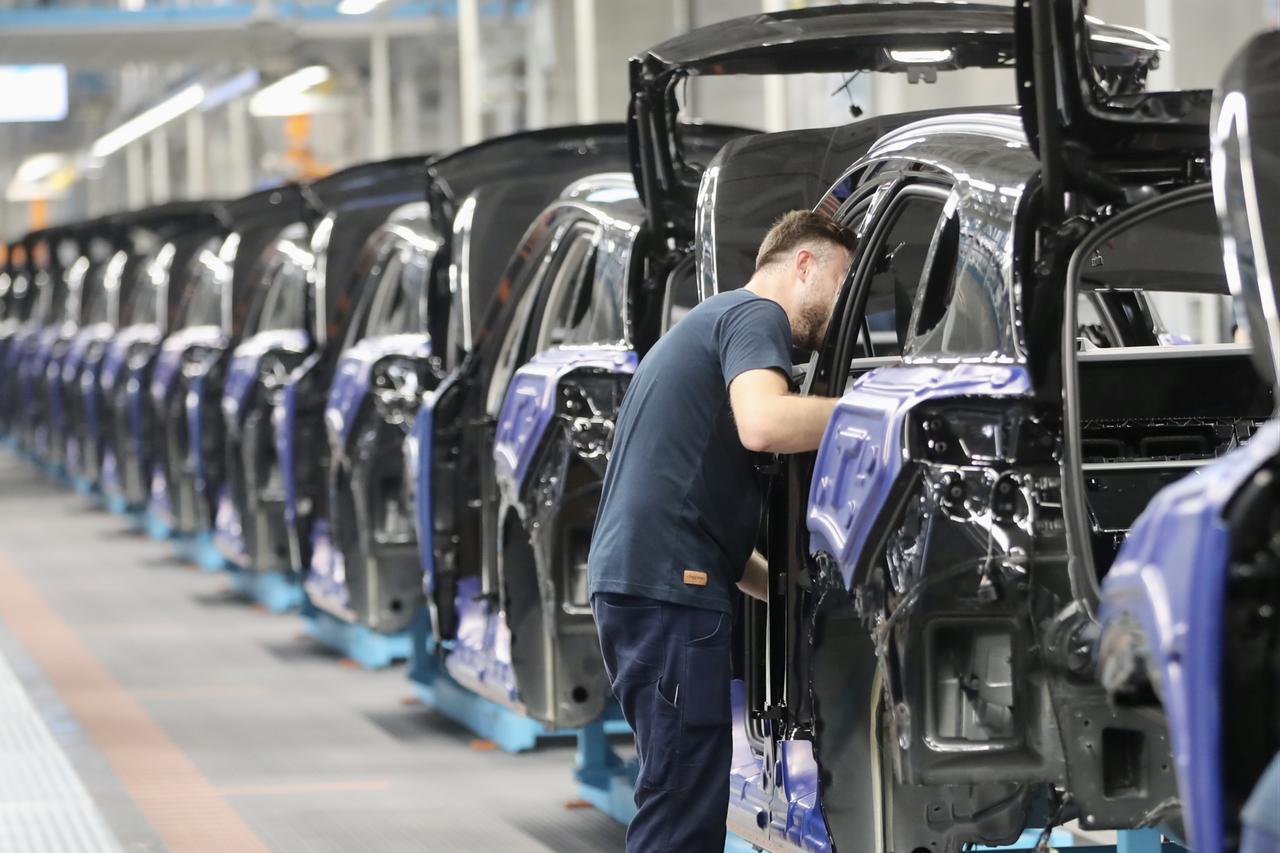


Trade Minister Omer Bolat has urged Italy to back Türkiye's inclusion in the EU's "Made in EU" framework for the automotive sector, pointing to three decades of Customs Union membership and closely intertwined supply chains.
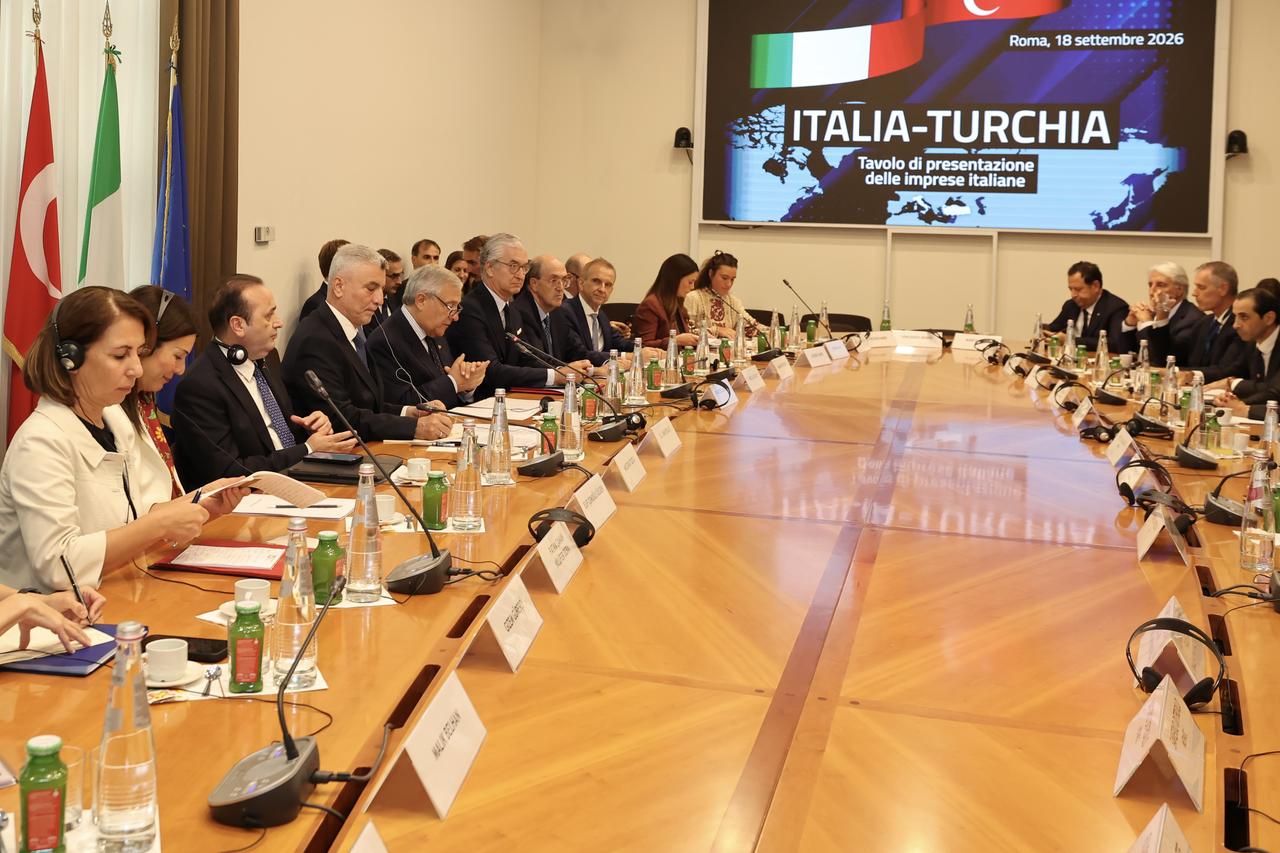
Bolat, who took part in a roundtable meeting in Rome with Italian Deputy Prime Minister and Foreign Minister Antonio Tajani and senior executives from leading Italian companies, told Türkiye's state-run Anadolu Agency (AA) that he raised EU-related matters during his contacts in Rome, underscoring the critical importance for Türkiye of the EU's industrial acceleration law and the "Made in EU" concept.
Recalling that Türkiye has been part of the Customs Union for 30 years and that Turkish and European industries maintain a very close supply chain and interdependence, Bolat said: "Due to these dependency factors, we emphasized that Türkiye's automotive sector should be included within 'Made in EU,' just like the EU's 27 member states. We sought Italy's support."
Bolat said his Italian counterpart, Tajani, told him these issues had only recently begun to be discussed within the EU.
"He said that as a government, they attach importance to working closely with Türkiye, and that Italy supports Türkiye's arguments on this matter. He said: 'We are already expressing our support for this in favor of Türkiye within the relevant EU bodies, and we will continue to do so,'" Bolat said.
The Turkish minister described his talks with Tajani as productive and constructive, saying Italy is a highly valued partner and NATO ally for Türkiye.
"It is our second-largest foreign trade partner within the EU, our fifth-largest partner globally, and our largest foreign trade partner in the Mediterranean Basin. Our total trade has exceeded $30 billion. In 2024, it even approached $32.5 billion. The shared goal of our president and the Italian prime minister is to reach $40 billion in foreign trade volume in the medium term," Bolat said.
Bolat said economic ties extend well beyond trade, noting that 1,645 Italian companies with investments exceeding $4 billion operate in Türkiye, generating employment, production, exports and tax revenue, while Turkish companies hold roughly $1 billion in investments in Italy, particularly in white goods, ceramics, defense and automotive sectors.
"There is mutual support and close cooperation between Türkiye and Italy across all international platforms. Within the EU, Italy is among Türkiye's leading supporters. In this sense, Allah willing, we agreed to further develop our relations in many areas, including trade, investment, energy, contracting cooperation in third countries, and cooperation between our Exim Bank institutions," he said.

The Turkish minister stated that Türkiye-Italy relations would continue deepening bilaterally, just as Türkiye-EU relations would continue advancing based on the Customs Union and economic integration, noting that Ankara has maintained intensive contacts both with member states and in Brussels toward this end.
He said that for roughly a year, since the industrial acceleration law and "Made in EU" issue emerged, the government, led by President Erdogan, has worked as a team with the private sector on the matter.
Bolat said Türkiye has urged the EU to make a prudent, rational decision to avoid any damage to Türkiye-EU integration.
"We are trying to explain Türkiye's scale, importance, and the fact that Türkiye-EU relations represent a major asset not just for Türkiye but for the EU as well. Over the past five years, our total trade with the EU has reached $1 trillion. Last year alone it was $233 billion. With these facts and this data, we are making the case to all our EU partners that Türkiye-EU economic integration is equally important and beneficial for both Türkiye and the EU," Bolat said.
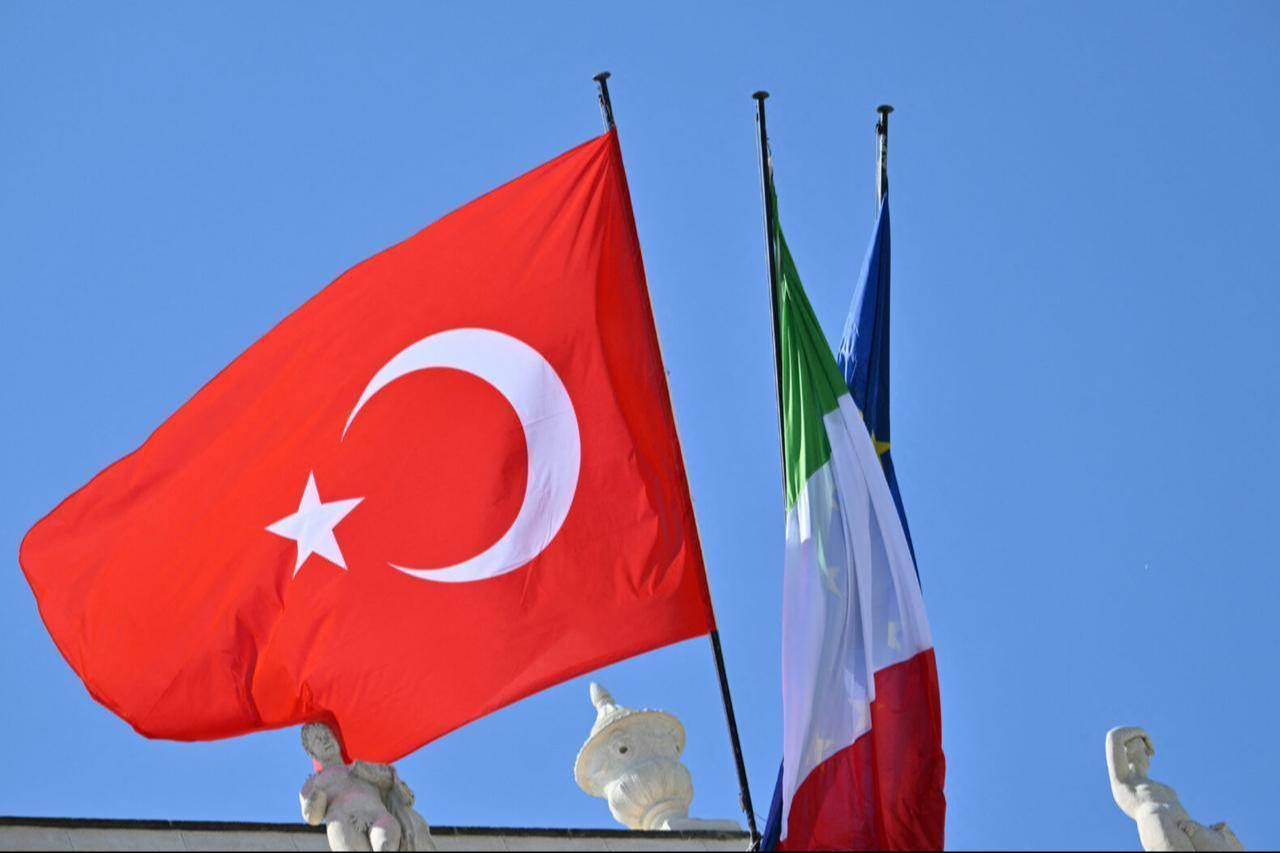
Bolat separately noted on social media that bilateral trade volume approached $30 billion in 2025, moving toward the $40 billion target set by President Recep Tayyip Erdogan and Italian Prime Minister Giorgia Meloni, adding that trade volume in the first eight months of 2026 had already exceeded $19 billion.
He said discussions with Tajani also covered bilateral trade and economic relations, mutual investments, and cooperation opportunities for Turkish and Italian companies in third countries, along with steps to advance cooperation in space and defense technologies, critical raw materials, energy, telecommunications, transportation and infrastructure.
Bolat said he and Tajani jointly affirmed that strong bilateral relations form the foundation of strong Türkiye-EU relations, and that the proper functioning of the Customs Union and the expansion of economic integration, including public procurement, digital trade and services, remain critically important.
"We emphasized that Türkiye, both as a Customs Union partner and candidate country and as a NATO ally, is an integral part of European industry and supply chains, and that preserving the strong production and supply networks built up over the years, particularly in the automotive sector, is important for the competitiveness of both Türkiye and Europe," he said.
The Turkish minister said he and Tajani met with senior representatives of roughly 15 Italian companies holding major investments in Türkiye across sectors including defense, telecommunications, space technology, energy, pipelines, automotive, port operations and Ro-Ro shipping.
"We listened to them. We answered their questions. We encouraged them to invest more in Türkiye. We explained the new incentive regulations introduced by our government to increase international direct investment in Türkiye," he said.
Bolat said he and Tajani also expressed mutual commitment to stability in the Mediterranean, the Eastern Mediterranean, the Red Sea, Bab el-Mandeb, the Middle East and Libya, alongside a shared will to further increase Türkiye-Italy cooperation.


 Set as preferred source
 Set as preferred source


 2 min read