Newsletters


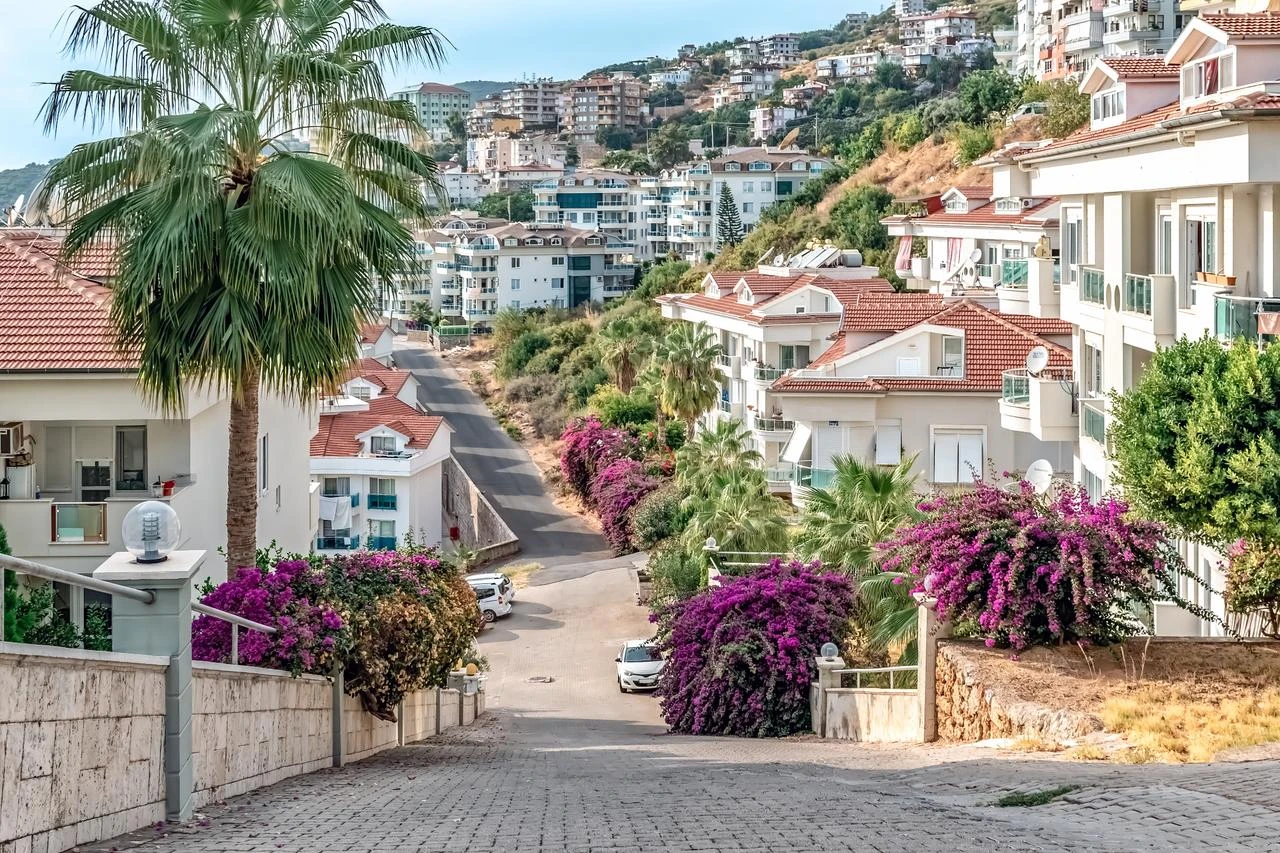


Rising geopolitical tensions in the Gulf could strengthen Türkiye's appeal among Russian property investors, with industry leaders arguing that buyers are increasingly prioritizing legal certainty, stability and long-term security over short-term returns.
Speaking at an online webinar organized by the Foreign Economic Relations Board of Türkiye (DEIK) Türkiye-Russia Business Council, Turkish Ambassador to Moscow Tanju Bilgic said Türkiye's climate, transparent land registry system, developed infrastructure, rental income potential and cultural ties continue to attract Russian buyers.
Russia remained the largest group of foreign homebuyers in Türkiye, accounting for 55% of the 3,803 homes sold to foreigners in 2025, while Russian investors made up 43% of commercial real estate acquisitions, Bilgic highlighted.
DEIK Türkiye-Russia Business Council Chair Izzet Ekmekcibasi said the U.S.-Iran tensions and developments around the Strait of Hormuz once again showed how geopolitical risks can quickly influence global markets and investment decisions.
He argued that investors increasingly look for legally secure and predictable destinations during periods of uncertainty and maintained that Türkiye's transportation links, property ecosystem and legal framework strengthen its position as an investment destination.
Real Estate Investment Partners Association (GYODER) Chair Nesecan Cekici said security has overtaken returns as the leading factor in investment decisions, with investors focusing on legal protections, market depth, liquidity, accessibility and quality of life.
She added that cooperation between Türkiye and Russia should expand beyond residential housing into tourism facilities, logistics centers, student housing, healthcare and senior living projects, data centers, commercial real estate and urban renewal developments.
Zafer Baysal, a board member at both the Housing Developers and Investors Association (KONUTDER) and GYODER, argued that citizenship programs are no longer the main driver for foreign buyers. Instead, he pointed to security, rental income, location, liquidity and living standards as the factors shaping investment choices.
Baysal also predicted that international investors in 2026 would increasingly favor countries offering legal certainty and predictable investment conditions rather than simply the lowest prices.

IGA Istanbul Airport Aviation Development Manager Gizem Colak said transportation infrastructure plays a growing role in investment decisions.
She noted that the Istanbul Airport handled nearly 40 million passengers in the first half of 2026, offering direct connections to 17 destinations in Russia and supporting around 1,100 scheduled weekly flights between the two countries.
Yekaterina Avdeeva, who heads the Real Estate Investment Commission at the Russian Chamber of Commerce and Industry's Council for Financial Markets and Investments, said Russian interest in Türkiye had climbed about 20% since the beginning of the year.
According to Avdeeva, Russian investors completed 7,989 real estate transactions in Istanbul, 7,118 in Antalya and 1,800 in Mersin, with demand remaining concentrated in major cities and tourism destinations. She added that buyers are placing greater emphasis on legal security, transparency and long-term capital protection than on price advantages alone.
Legal expert Serkan Gul highlighted Türkiye's property rights protections, equal treatment of foreign investors and access to international arbitration, while also pointing to secure payment systems, tax incentives and investment vehicles such as real estate investment funds and real estate investment trusts as factors that could strengthen the country's competitiveness.


 Set as preferred source
 Set as preferred source


 1 min read
 1 min read