Newsletters


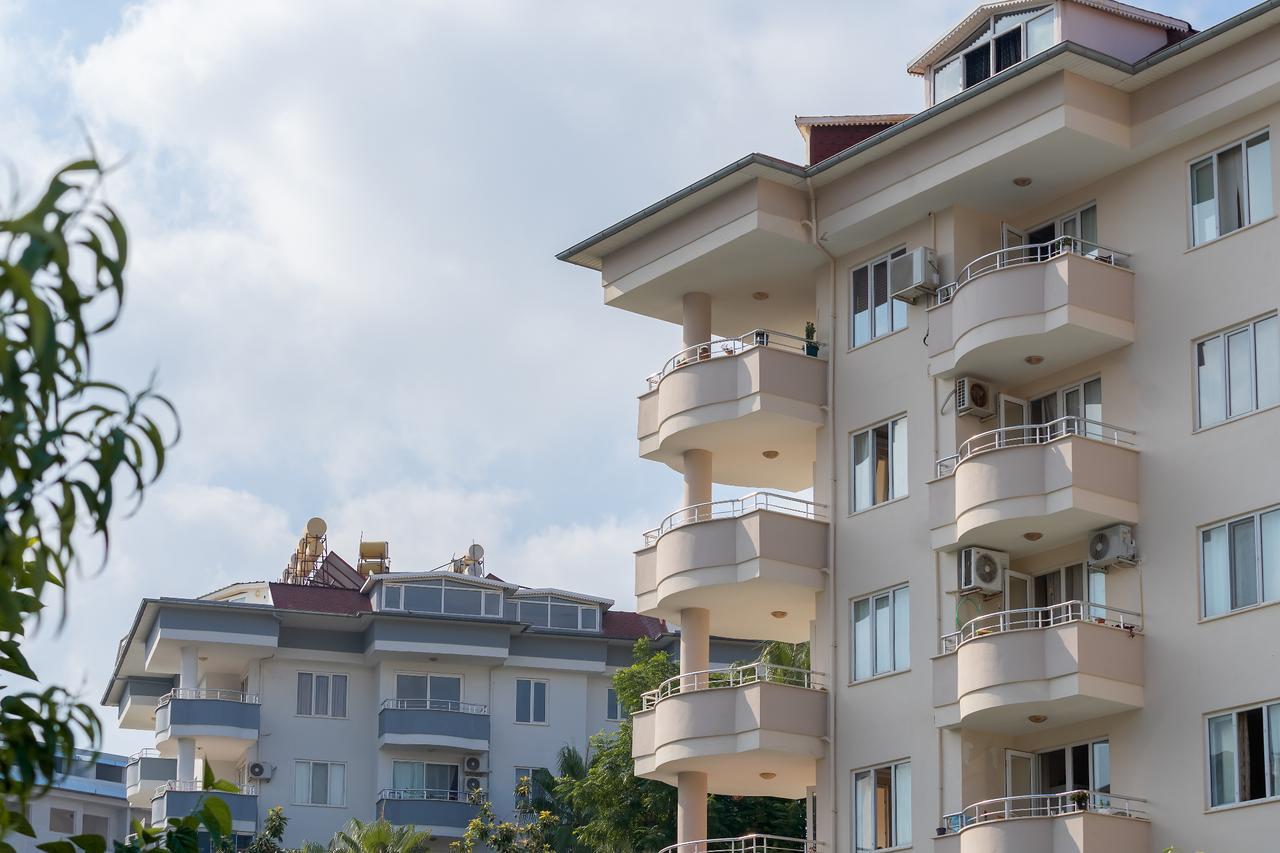


Türkiye may benefit from the ongoing slowdown in Dubai’s real estate market as geopolitical tensions in the Middle East weigh on investor activity, according to a Turkish industry representative.
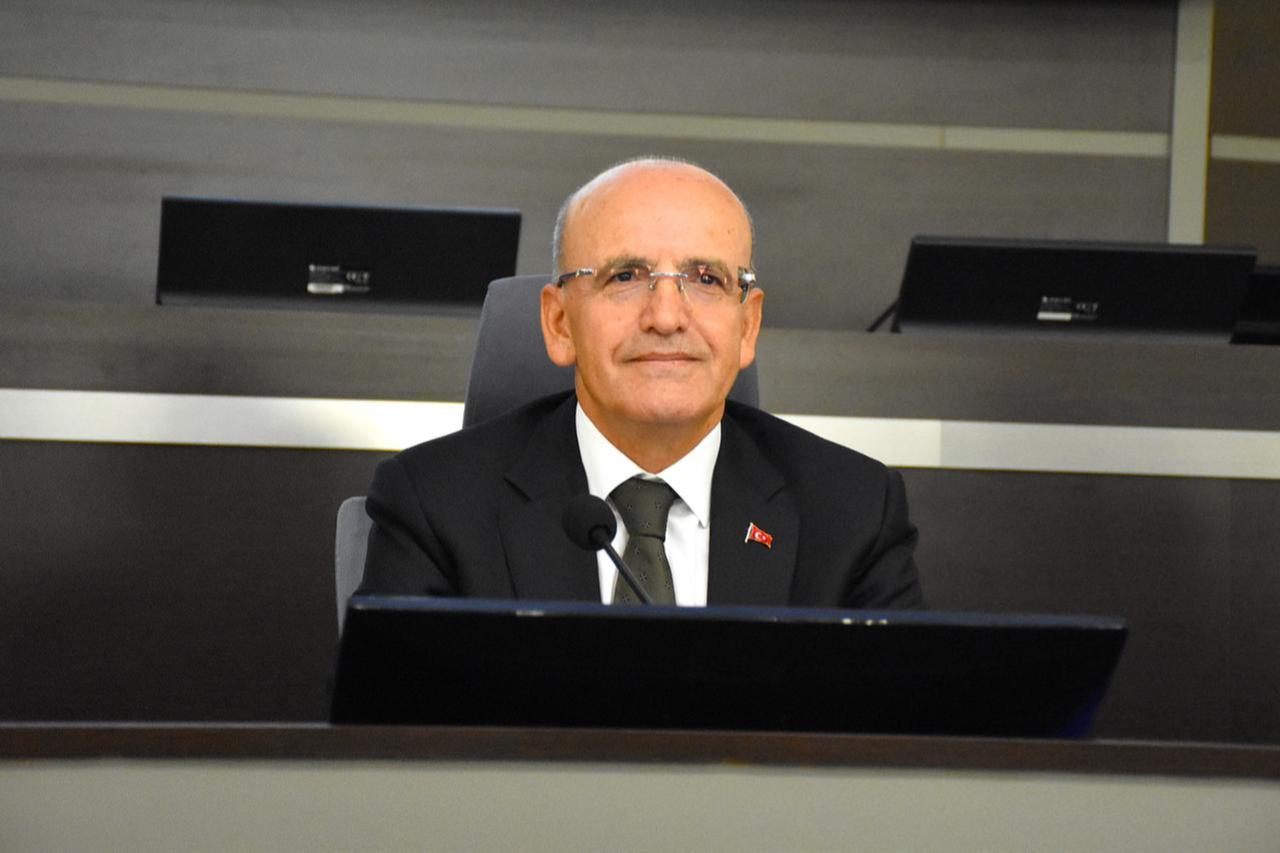
Nesecan Cekici, head of the Real Estate Investors Association (GYODER), said developments in Dubai could open a strategic window for Türkiye to attract international investors if the right policies are implemented, referring to easing access to financing, revising citizenship-by-investment thresholds, and addressing high land costs.
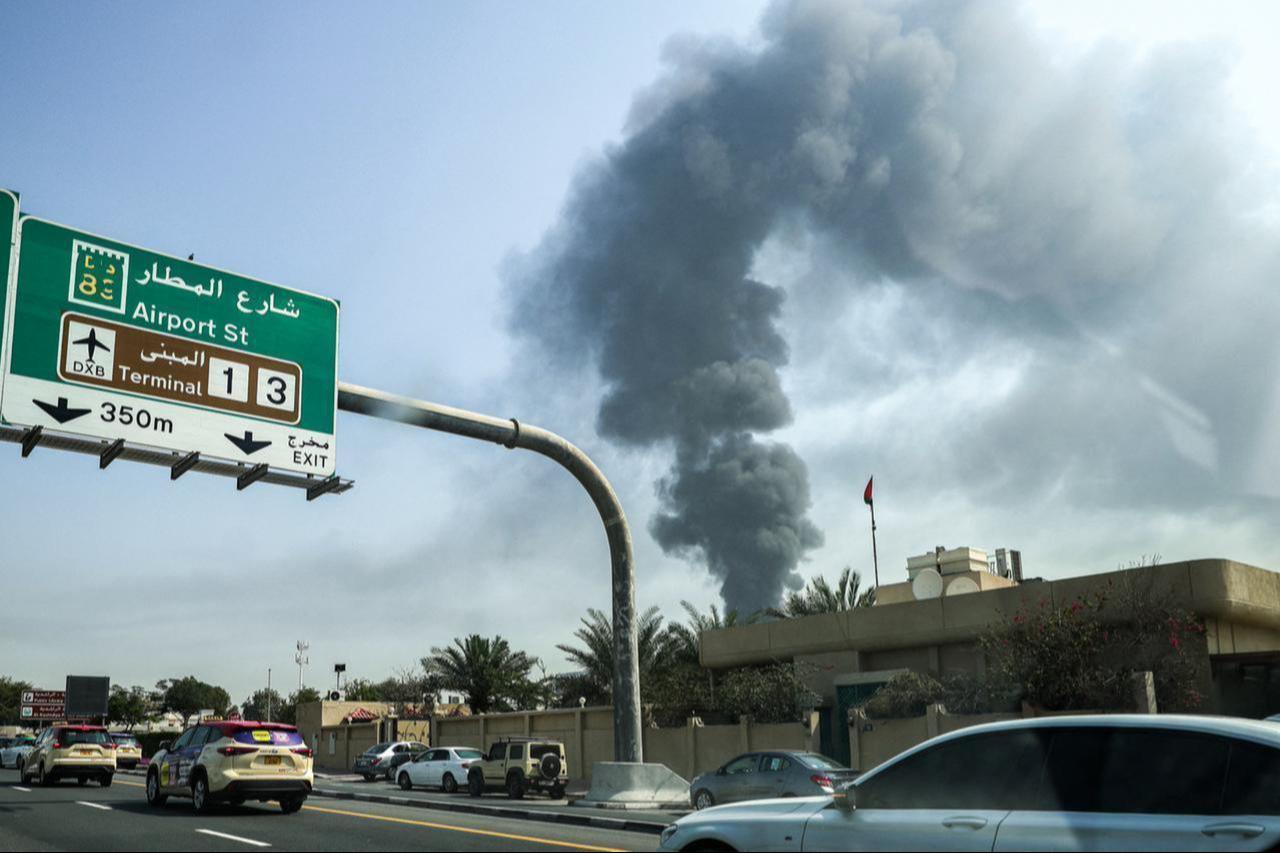
The ongoing Iran war, which began in late February following U.S. and Israeli strikes on Iranian targets, has triggered a sharp escalation across the Gulf, with missile and drone attacks reaching key economic hubs, particularly Dubai.
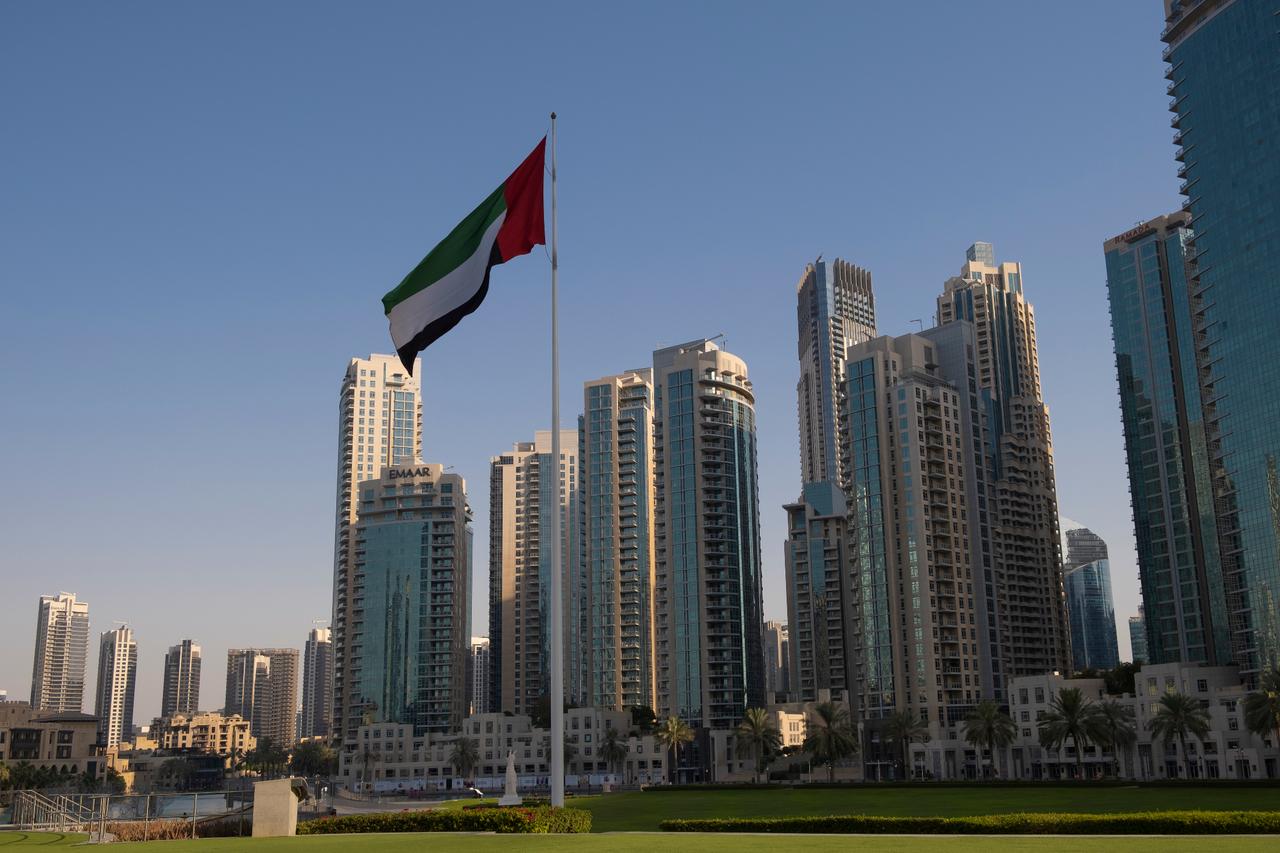
Long seen as a leading regional hub for international investment and tourism, the city is facing rising security risks and growing uncertainty as attacks on nearby infrastructure raise concerns over stability.
Property transactions in Dubai fell by 17% between March 1 and March 30, dropping to 12,451 deals, based on data from DXB Interact. Despite the decline in activity, the market maintained its pricing strength, with the median price per square foot remaining 8.1% higher on a yearly basis.

Türkiye previously experienced a surge in foreign property demand in 2022, when sales to non-residents reached 67,490 units. This surge was largely driven by lower prices in U.S. dollar terms due to the depreciation of the Turkish lira, along with a $250,000 citizenship-by-investment threshold at the time.
However, foreign demand weakened after property prices strengthened against the U.S. dollar and the minimum investment requirement for citizenship was raised to $400,000. In 2025, home sales to foreign buyers declined by 9.4% year-over-year to 21,535 units, with Russian and Iranian buyers leading demand.
Cekici said construction costs in Türkiye’s housing market have largely come under control, but land prices continue to pose a major challenge.
"The only thing that cannot be restrained is land costs," she told CNBC-e, noting that the current cost structure is not sustainable. She added that efforts are underway to develop projects that involve cooperation between the public and private sectors in land development.
Cekici also highlighted access to financing as a key factor on the demand side, stating that expanding credit opportunities could help revive market activity.


 Set as preferred source
 Set as preferred source


 1 min read
 1 min read