Newsletters


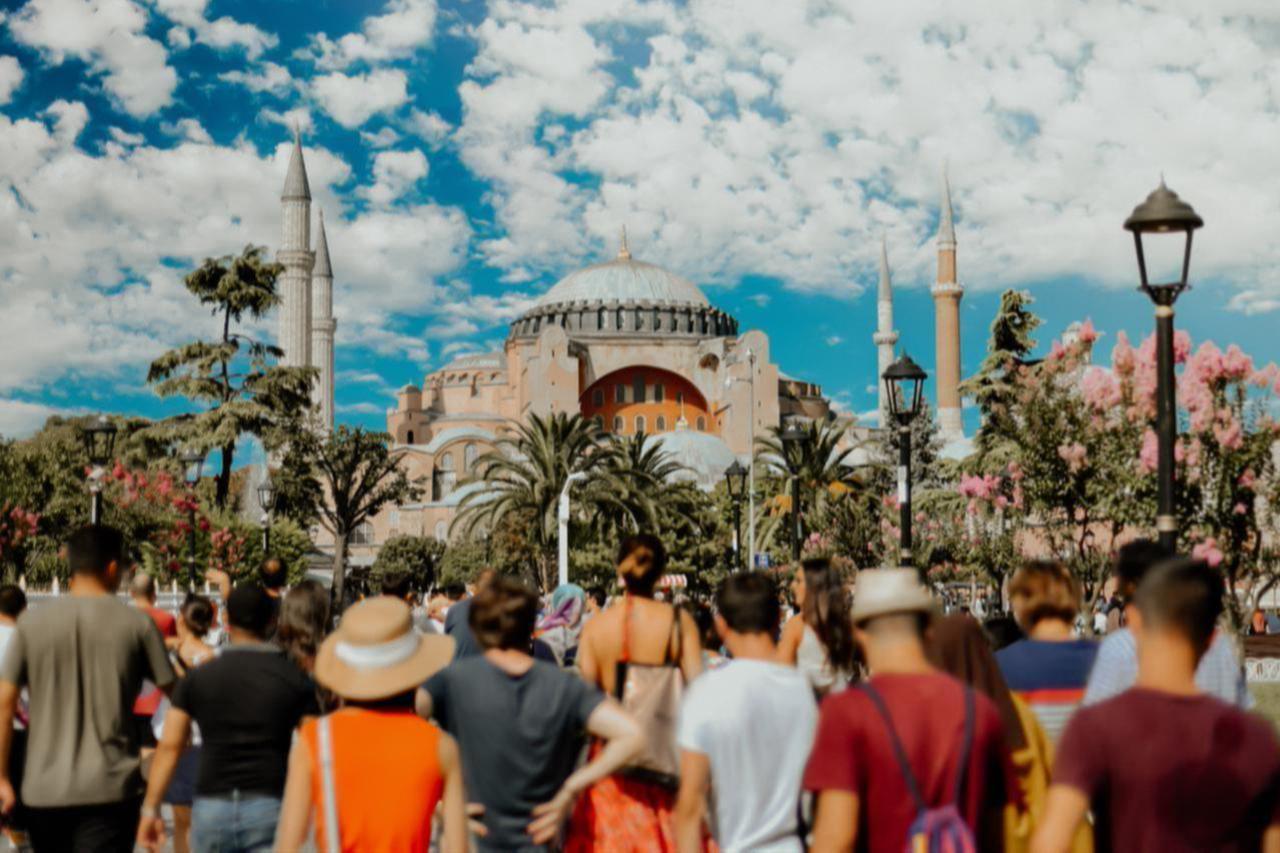


Türkiye is raising its tourism budget to $244.5 million under the 2027 central government budget draft, up from $188.4 million this year, as the government's Medium-Term Program (MTP) targets tourism revenue of $70 billion in 2027, $73.5 billion in 2028, and $78.5 billion in 2029.
The country is projected to rank sixth globally in tourism revenue in 2027, up from seventh this year, and could reach fifth place in 2028 if it meets its targets, according to global tourism revenue data from the World Tourism Organization.
Türkiye generated a record $65.2 billion in tourism revenue in 2025. However, authorities lowered the initial 2026 target of $68 billion to $65 billion amid ongoing conflicts between Russia and Ukraine and in the Middle East.
Türkiye has climbed from 15th to 7th in global tourism revenue rankings since 2017, while rising from 8th to 4th in total tourist arrivals.
Ankara expects the country to maintain its fourth-place ranking in tourist arrivals throughout 2027-2029 while improving its position in the World Economic Forum's (WEF) Travel and Tourism Development Index (TTDI).
The government targets 35th place in the index, compared with a projected 36th-place finish last year, followed by 34th place in 2028 and 33rd in 2029.
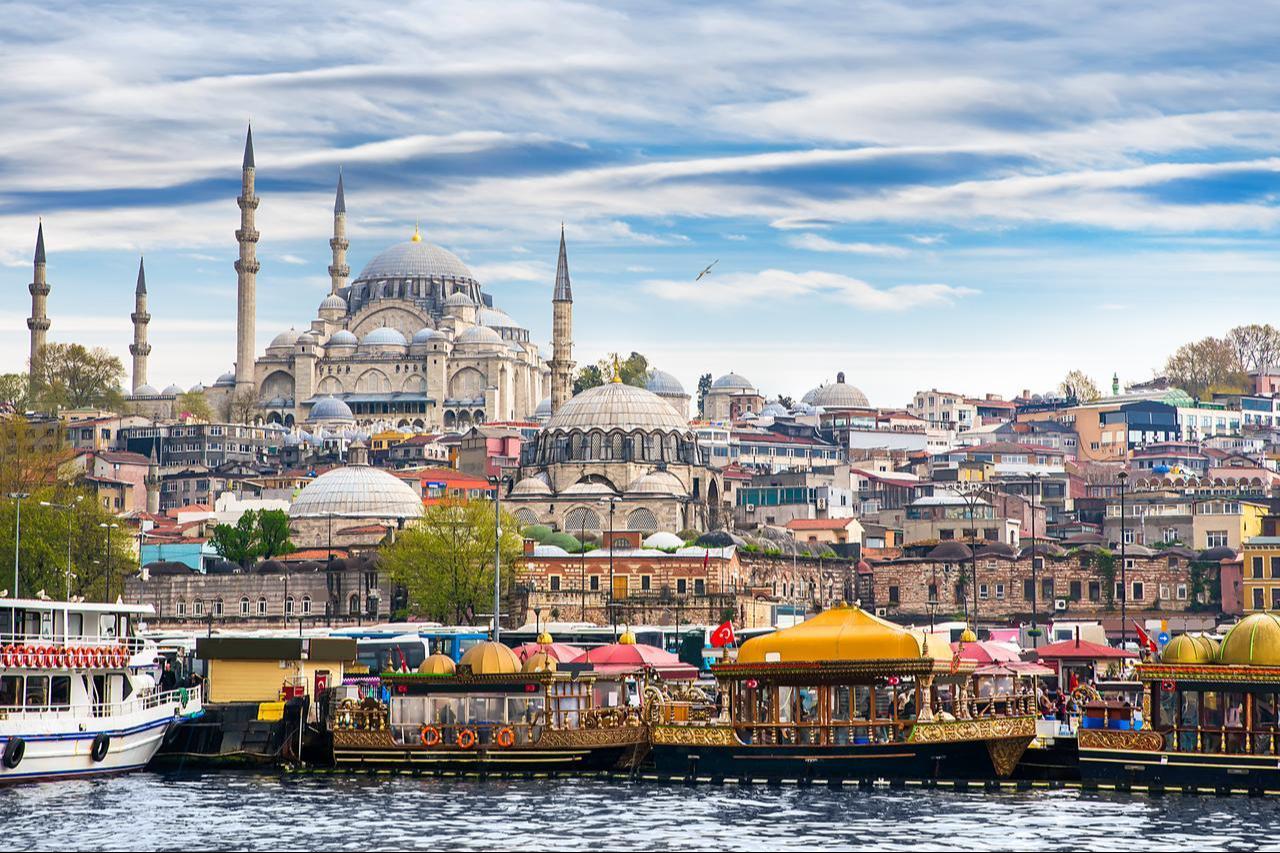

Global tourism is expanding, but rising costs, investment gaps, and geopolitical uncertainty are creating new challenges for the industry, according to the World Economic Forum's 2026 Travel and Tourism Development Index.
International tourist arrivals reached a record 1.5 billion in 2025, up 5% from 2024 and 4.4% above pre-pandemic levels. The sector's total economic contribution, including direct, indirect and induced effects, climbed to $11.6 trillion, equivalent to nearly 10% of global gross domestic product, supporting 366 million jobs worldwide.
The WEF report identifies affordability, investment gaps, labor shortages and sustainability as key challenges for the sector. Conflicts and disruptions to major aviation routes can also drive up fares, disrupt flight schedules and undermine traveler confidence, while overcrowding puts additional strain on local communities and infrastructure.


 Set as preferred source
 Set as preferred source


 1 min read
 1 min read