Newsletters


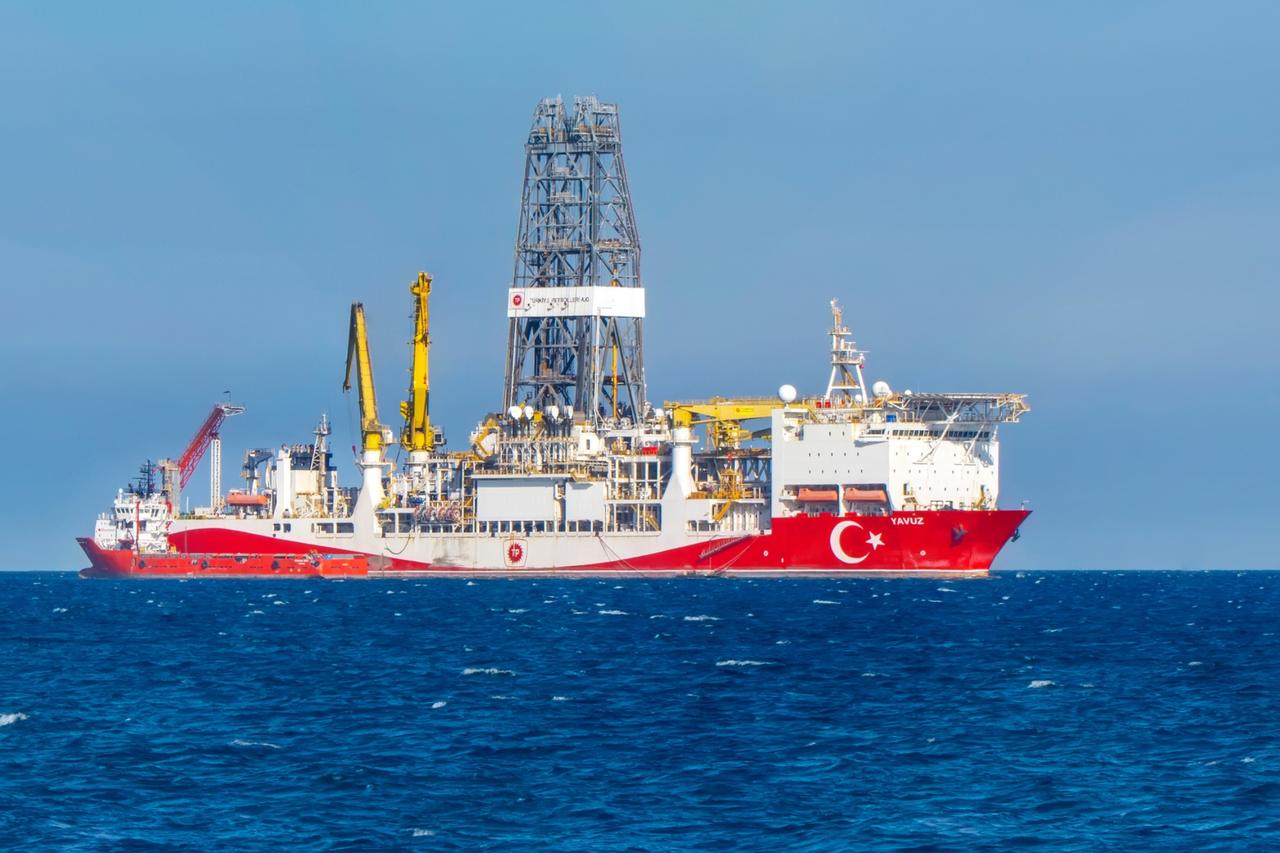


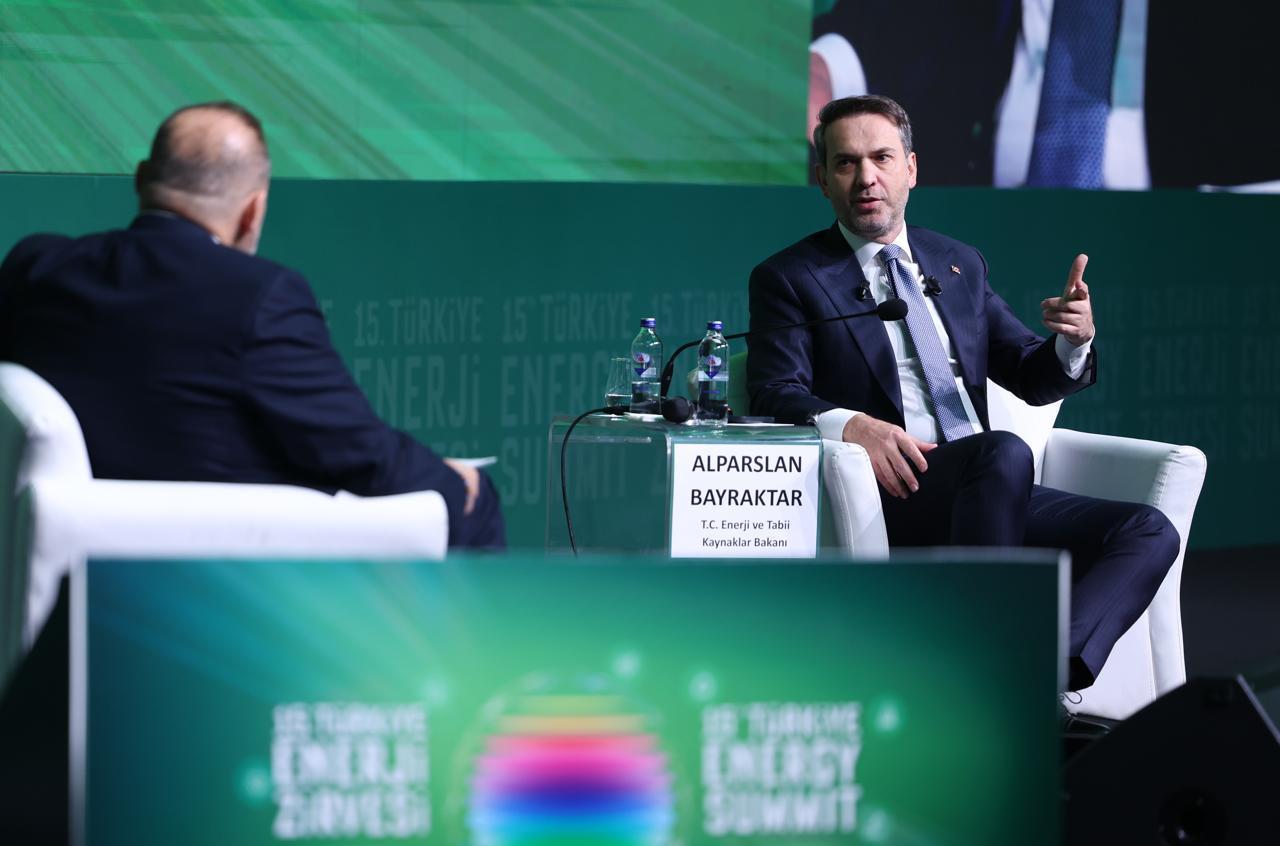
Minister of Energy and Natural Resources Alparslan Bayraktar said the country plans to sharply increase natural gas production, strengthen domestic mining oversight, and reduce external dependency on critical minerals as part of a broader push toward energy independence.
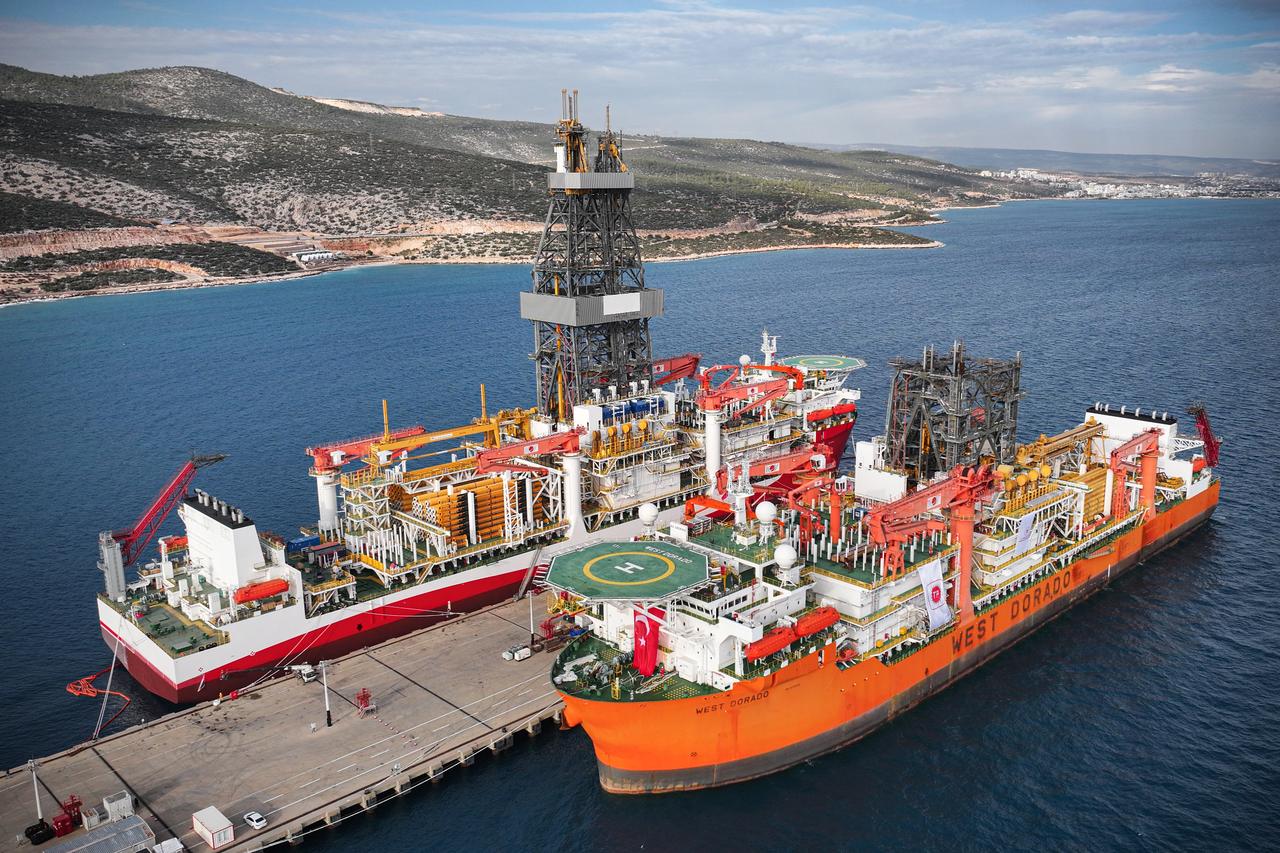
“With our new floating production platform ‘Osman Gazi,’ which we added to our fleet last year, we will increase our daily production capacity to 20 million cubic meters in 2026. In 2028, with our second floating production facility, we will raise this to over 40 million cubic meters.
And do not worry, we did not merely change the names of these ships; the people working on these vessels are our own children.
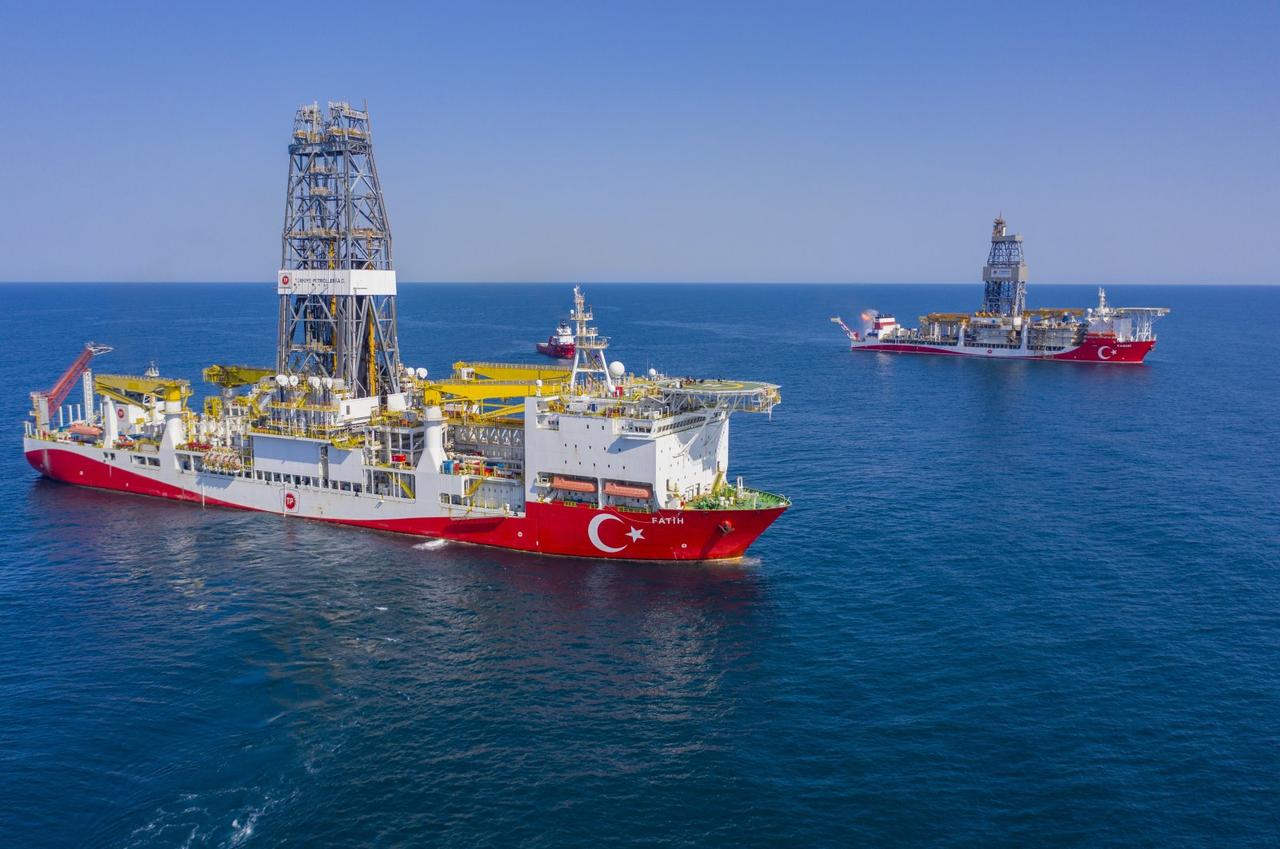
Today, the localization rate has risen from 30% to over 70%. In other words, we have 1,100 employees on our ships, including Fatiths, Yavuzs, Abdulhamits, Suleymans and Alparslans,” Bayraktar said.
Bayraktar made the remarks while attending deliberations on the 2026 Central Government Budget and the 2024 Final Accounts Bill, where he delivered a presentation to lawmakers.
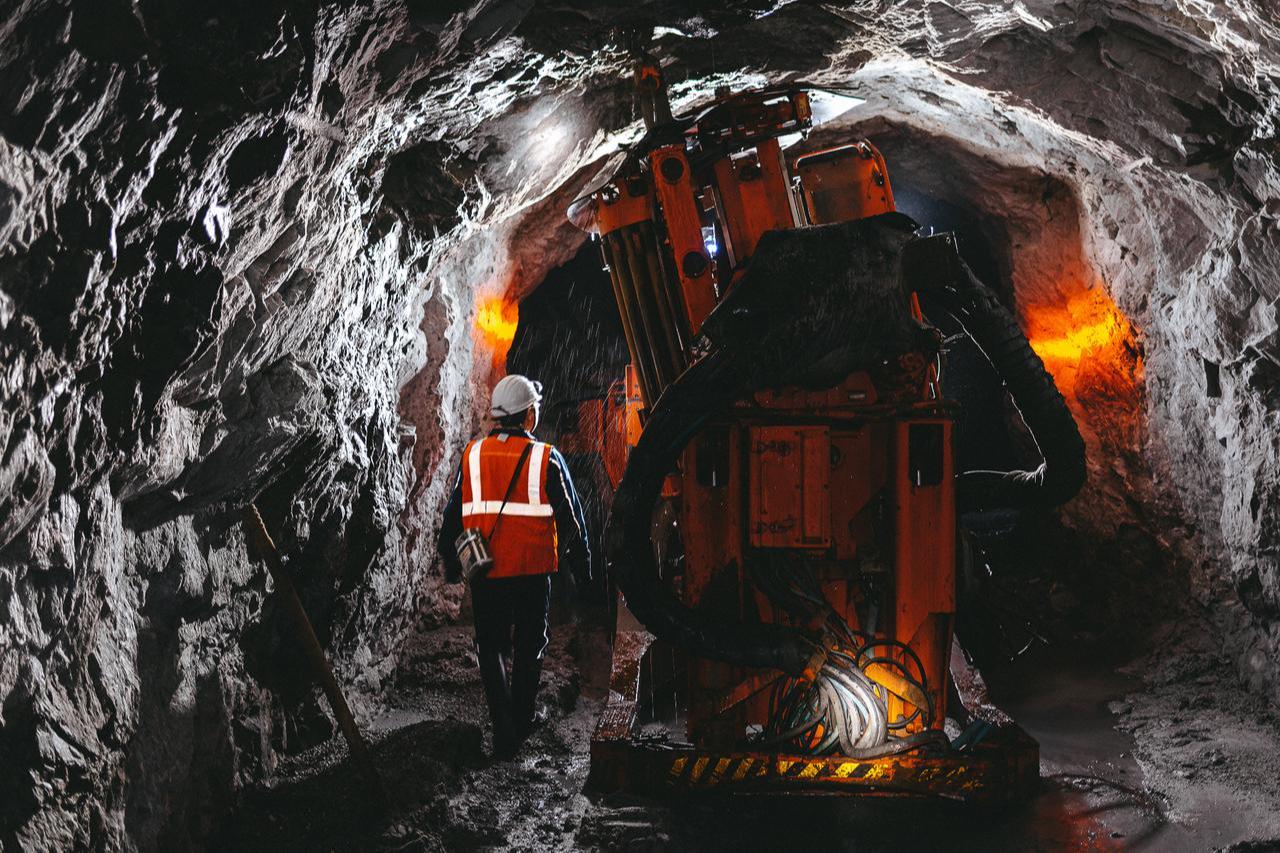
Bayraktar said the mining sector plays a key role not only in economic growth but also in employment and regional development.
“Our 150,000 mining workers are toiling across the country, strengthening the power of our production,” he said. “In mining activities, we carry out effective inspections at every stage of exploration and production to enhance occupational health, operational safety, and environmental security.”
He said that as of the end of November 2025, authorities carried out an average of 775 on-site inspections per month. During that period, administrative fines were imposed on 1,578 companies, and 2,225 activity suspension measures were implemented.
Bayraktar said a regulation introduced in July increased investors’ rehabilitation obligations and made it mandatory for rehabilitation work to be carried out simultaneously with mining activities.
He added that by doubling the rehabilitation fee collected from license holders and accruing interest on the amount, the applicability of rehabilitation efforts had been ensured.
“As a result of our sensitivity regarding restoring mined areas to nature, to date, an area equivalent to 18,000 football fields has been rehabilitated, and approximately 24 million trees have been planted,” he said.

Bayraktar said mineral imports, including gold, reached $32 billion in 2024, underscoring the need to reduce external dependency.
“Twenty-two years ago, the size of the mining sector within Gross Domestic Product, at today’s prices, stood at 117 billion Turkish lira. By 2024, we increased this to 529 billion Turkish lira, and we raised our mineral exports sevenfold over the same period to $6 billion,” he said.
He said Türkiye set a record in boron production in 2024, generating $1.3 billion in revenue from sales of 2.5 million tons, and said 2025 is expected to close at similar levels.
Bayraktar also highlighted rare earth elements as a strategic priority, citing their growing importance for electric vehicles, renewable energy systems, and advanced space and defense technologies.
“In this context, by carrying out over 125,000 meters of drilling in Eskisehir Beylikova, we discovered a 694-million-ton reserve, the second-largest single-site reserve in the world,” he said.
He noted that a pilot facility was commissioned in April 2023 and that authorities aim to lay the foundation of a 570,000-ton-capacity industrial facility next year, which will be operated by the state in line with national interests.
Bayraktar said Türkiye ranks as the world’s fourth-largest country in natural gas consumption and is working to meet demand through domestic resources.
He said daily natural gas production has surpassed 22 million cubic meters across onshore and offshore fields at home and abroad, corresponding to 42% of residential consumption, 63% of industrial consumption, and 15% of total demand.
He said investments in transmission and distribution lines, underground storage, liquified natural gas (LNG) terminals, and floating storage and regasification units have strengthened Türkiye’s gas infrastructure and diversified supply routes.
LNG investments have increased daily regasification capacity fivefold to 161 million cubic meters, enabling the country to meet nearly half of its natural gas demand through LNG. Capacity is expected to rise to 200 million cubic meters per day.
Bayraktar said Türkiye is moving toward becoming a regional gas hub, capable of exporting natural gas, and has built one of the world’s few comprehensive energy fleets.
He said two seventh-generation ultra-deepwater drilling ships were recently added, bringing the total fleet to six drilling ships, two seismic research vessels, and support units, positioning Türkiye as the country with the world’s fourth-largest exploration and production fleet.
He said gas discovered 170 kilometers (105.6 miles) offshore at a water depth of 2,100 meters, with an additional 2,500 to 3,000 meters of drilling below the seabed, was brought ashore and put into service within three years.
In 2025 alone, over 92 billion cubic meters of new natural gas reserves were discovered, with an estimated economic value of about $37 billion.
Bayraktar said production at the Sakarya Gas Field has accelerated, rising from 7 million cubic meters per day one year ago to 9.5 million cubic meters. He said the increase enabled Türkiye to meet the needs of more than one million additional homes with domestic natural gas.
“With our new floating production platform ‘Osman Gazi,’ which we added to our fleet last year, we will increase our daily production capacity to 20 million cubic meters in 2026. In 2028, with our second floating production facility, we will raise this to over 40 million cubic meters."
"And do not worry, we did not merely change the names of these ships; the people working on these vessels are our own children. Today, the localization rate has risen from 30% to over 70%. In other words, we have 1,100 employees on our ships, including Fatiths, Yavuzs, Abdulhamits, Suleymans, and Alparslans,” he said.
Bayraktar said Türkiye is also expanding domestic oil production, particularly at the Gabar field in Sirnak, where the country discovered the largest oil reserve in its history.
“To carry Türkiye into a fully energy-independent future, we are working resolutely from the depths of the Black Sea to the peaks of Gabar,” he said.
He said daily oil production at Gabar increased from 61,000 barrels around this time last year to 81,000 barrels, supported by the construction of about 700 kilometers of roads, comparable in length to the Ankara–Edirne highway.
Bayraktar said the project created employment for over 3,500 young people, most of them from Sirnak, and contributed significantly to regional employment.
“With this project that we implemented in a terror-free Gabar, I believe we have shown our esteemed nation an example of the unique opportunities that a Terror-Free Türkiye can bring,” he said.


 Set as preferred source
 Set as preferred source


 1 min read
 1 min read