Newsletters




This article was originally written for Türkiye Today’s weekly newsletter, Saturday's Wrap-up, in its December 6 issue. Please make sure you are subscribed to the newsletter by clicking here.
I spent a day at the World LNG Summit in Istanbul this week. The global LNG industry gathered here partly because Türkiye is gradually moving from being a peripheral importer to a quasi-central player in Europe’s future energy map. The atmosphere at the summit reflected this shift: Türkiye’s growing weight in the market is no longer a projection, but a reality that suppliers, traders and European policymakers now openly acknowledge.
However, not to overstate Türkiye’s role, I might say the excitement was more directed at the LNG’s exponentially rising role in world markets than Türkiye’s importance. The tension between Europeans who adamantly believe in the energy transition and realist Americans was at times visible.
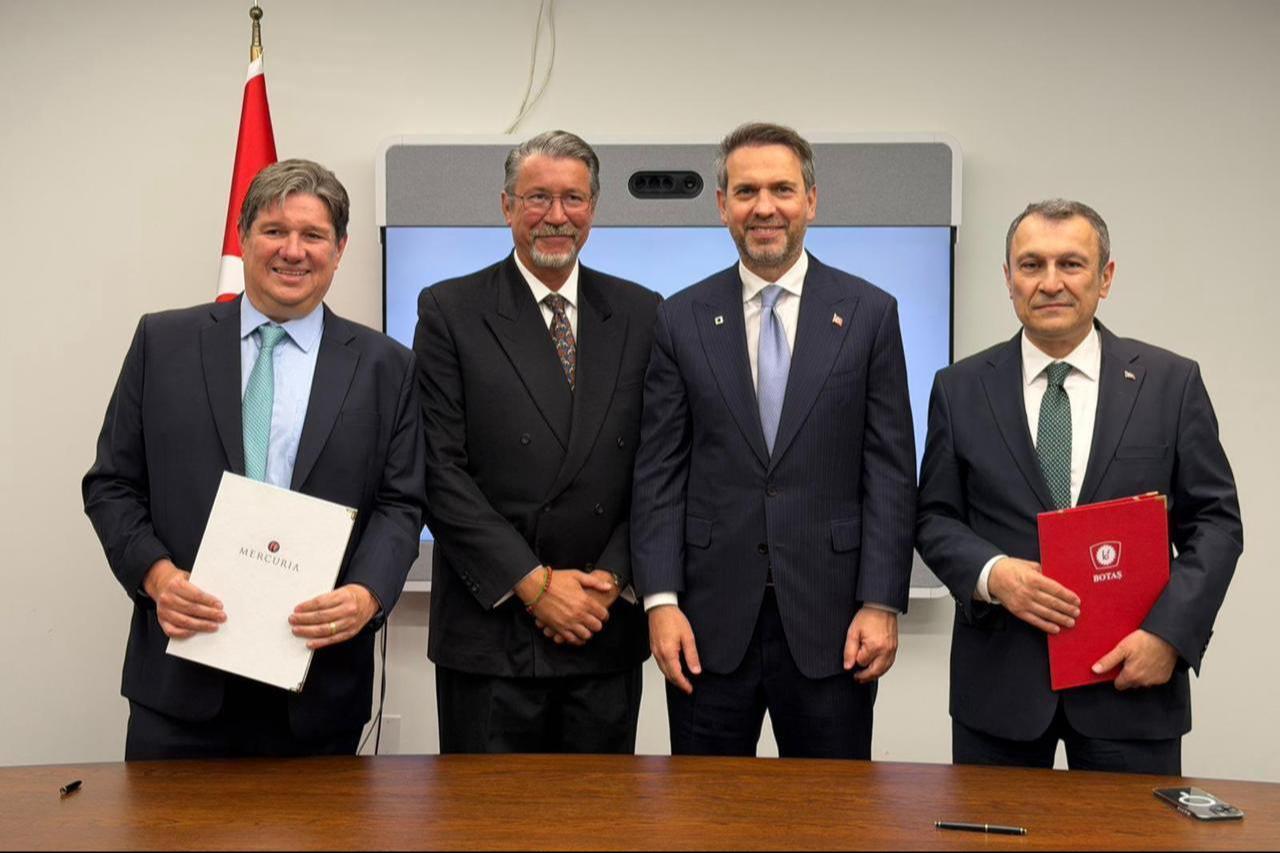

State-owned BOTAS signed long-term LNG agreements with Germany’s SEFE and Italy’s Eni for a combined 11 billion cubic meters of supply starting in 2028 during the summit. A few summit participants I spoke with also praised Energy Minister Alparslan Bayraktar’s ability to command any room he enters. His oratory, coupled with his vast experience in the private and public sectors, made a noticeable impression. He presented Türkiye’s energy strategy not as a defensive response to global instability but as an assertive plan to become a supplier and regulator of regional flows.
To share some figures: In less than a decade Türkiye increased regasification capacity from 34 million cubic meters per day to more than 160 million, expanded its fleet of FSRUs, widened its portfolio of suppliers and introduced new regulations that now allow for LNG exports. Few countries have upgraded their infrastructure this quickly.
The new European contracts reinforce that foundation and signal that Türkiye’s LNG “shopping spree” of recent years was not only about diversifying imports. It was also about building the leverage and flexibility needed to sell gas forward to its neighbors.
But this turn comes with trade-offs. If Türkiye plans to replace a significant portion of Russian pipeline gas with LNG, it may face higher exposure to volatile global prices. While Türkiye may reduce its dependence on Russian gas, it cannot fully escape its broader relationship with Moscow. The two countries remain tied through trade, tourism, nuclear cooperation and the wider geopolitical landscape of the Black Sea.
Türkiye’s focus on LNG is about energy security and strategic autonomy, and it does not mean that Ankara is bandwagoning with Western countries to isolate Russia. The war in Ukraine has shown that Russia cannot be pushed into isolation easily. Energy diversification reduces one vulnerability but does not dissolve the others in terms of Türkiye-Russia relations.
There is a new confidence in Ankara. With domestic production increasing from the Sakarya field, with multiple LNG contracts secured for the late 2020s and early 2030s, and with export rights now formalized in law, Türkiye sees itself stepping into a regional role that Europe increasingly needs. The Balkans and Eastern Europe continue to seek diversified, affordable and secure supplies. Türkiye believes it can help meet that demand while strengthening its own energy resilience.
I will continue to follow how Türkiye manages this intricate balance between strategic independence, economic stability and realpolitik.


 Set as preferred source
 Set as preferred source


 2 min read
 1 min read