Newsletters


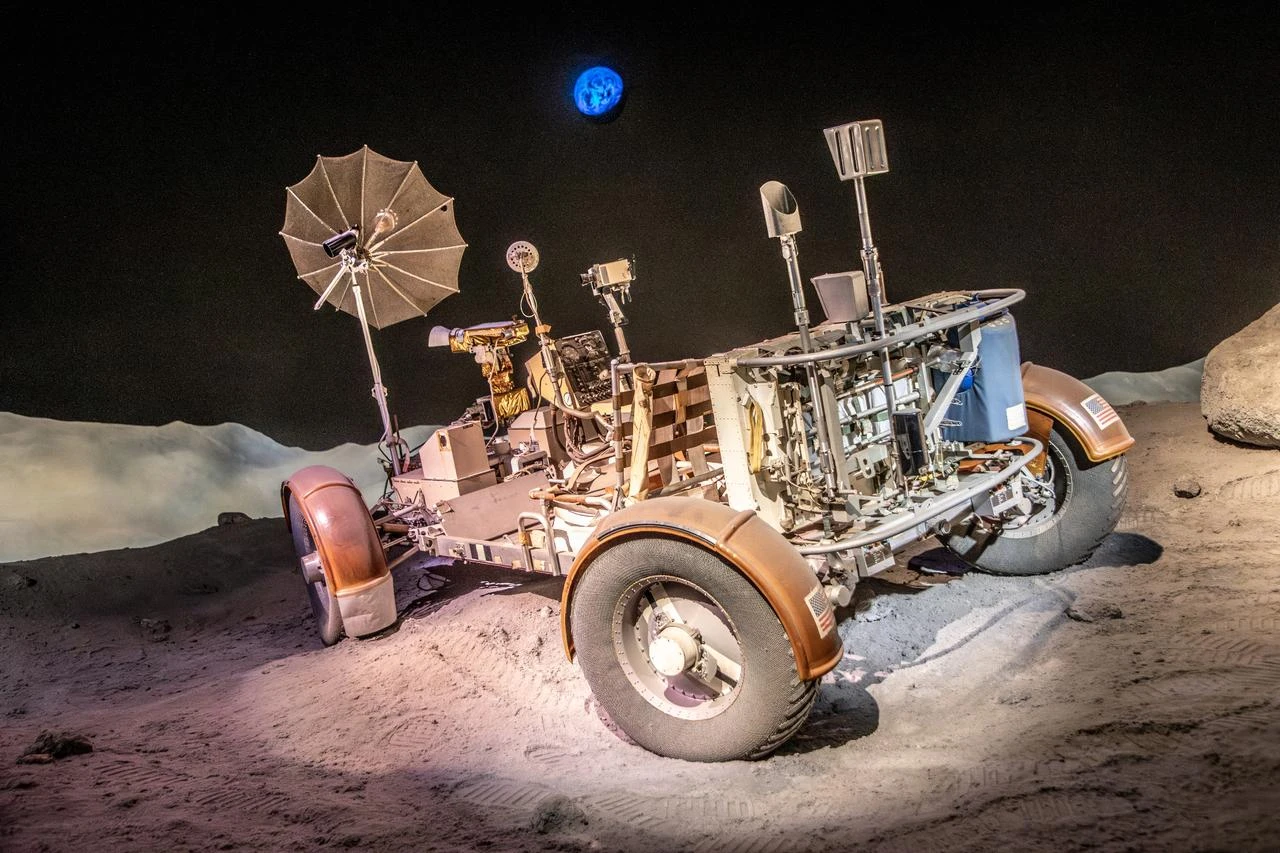


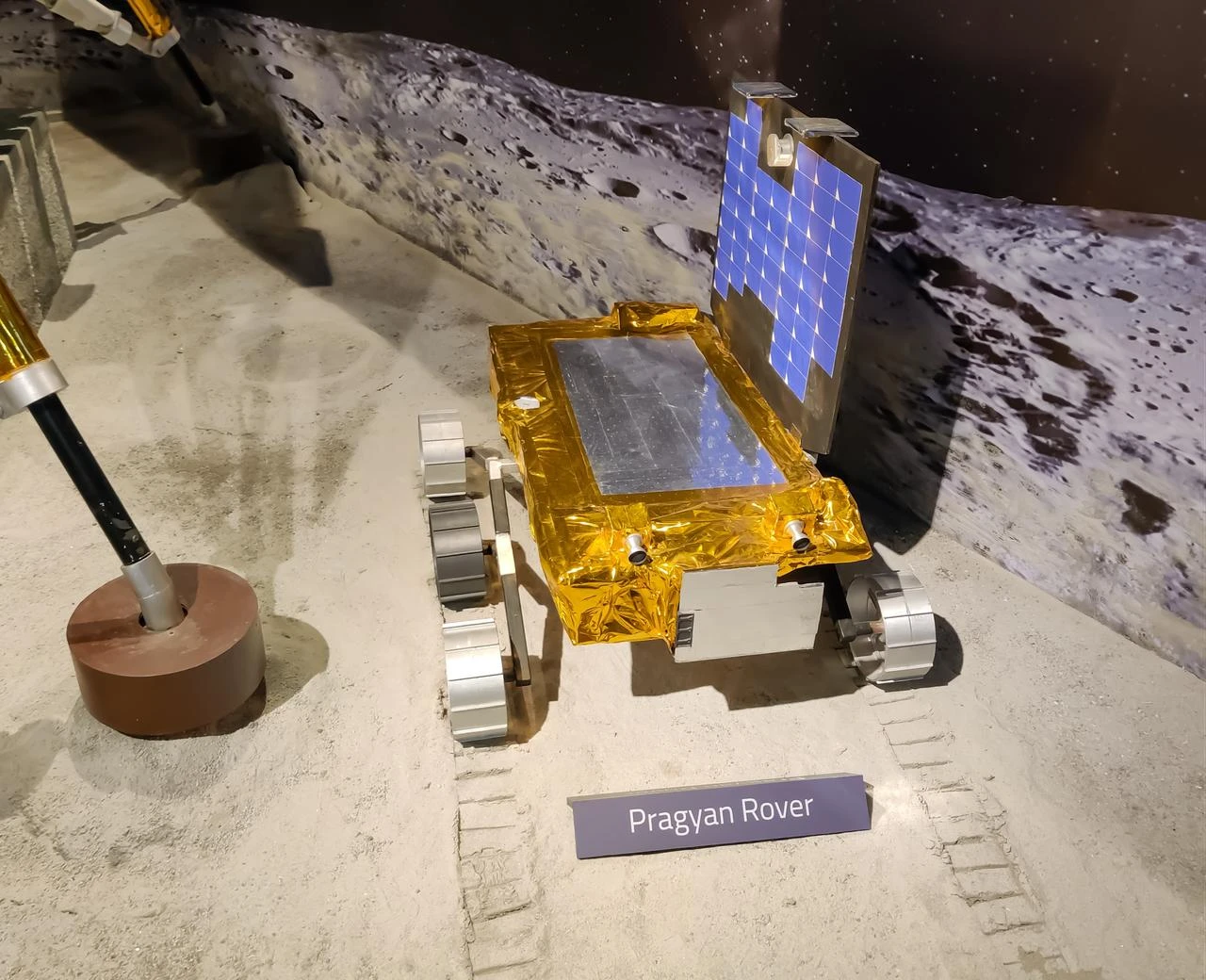
Türkiye will launch its own lunar rover into space in the first months of 2027, Industry and Technology Minister Mehmet Fatih Kacir said, adding that the launch timeline has now been finalized and all tests have been completed successfully.
"We will send our lunar rover, which has its own hybrid propulsion rocket system, into space in the first months of 2027," Kacir told reporters at the 28th TUBITAK Sky Observation Event, held at Emre Lake in Afyonkarahisar.
"The launch timeline has now been finalized. All tests have been successfully completed," the minister noted.
Kacir said space occupies a very important place in Türkiye's National Technology Initiative, calling space and space technologies among the most strategic infrastructure for critical fields such as the defense industry.
He said Türkiye has carried out critical work under President Recep Tayyip Erdogan's leadership, pointing to satellite technologies including Türkiye's first earth observation satellite BILSAT, the first observation satellite RASAT, the first high-resolution earth observation satellite of Türkiye GOKTURK-2, the country's first indigenous and national communication satellite Turksat 6A and Türkiye's first submeter resolution earth observation satellite IMECE as evidence of a significant capability built in that field.
Under the National Space Program, Kacir said Türkiye continues to pursue deep-space projects, noting, "Our engineers, researchers and scientists are developing Türkiye's own lunar rover."
"We will send our lunar rover, which has its own hybrid propulsion rocket system, into space in the first months of 2027. The launch timeline has now been finalized. All tests have been completed. Allah willing, as Türkiye, we will realize this ambition by bringing to our country a technological capability that very few countries in the world will be able to achieve," the minister said.
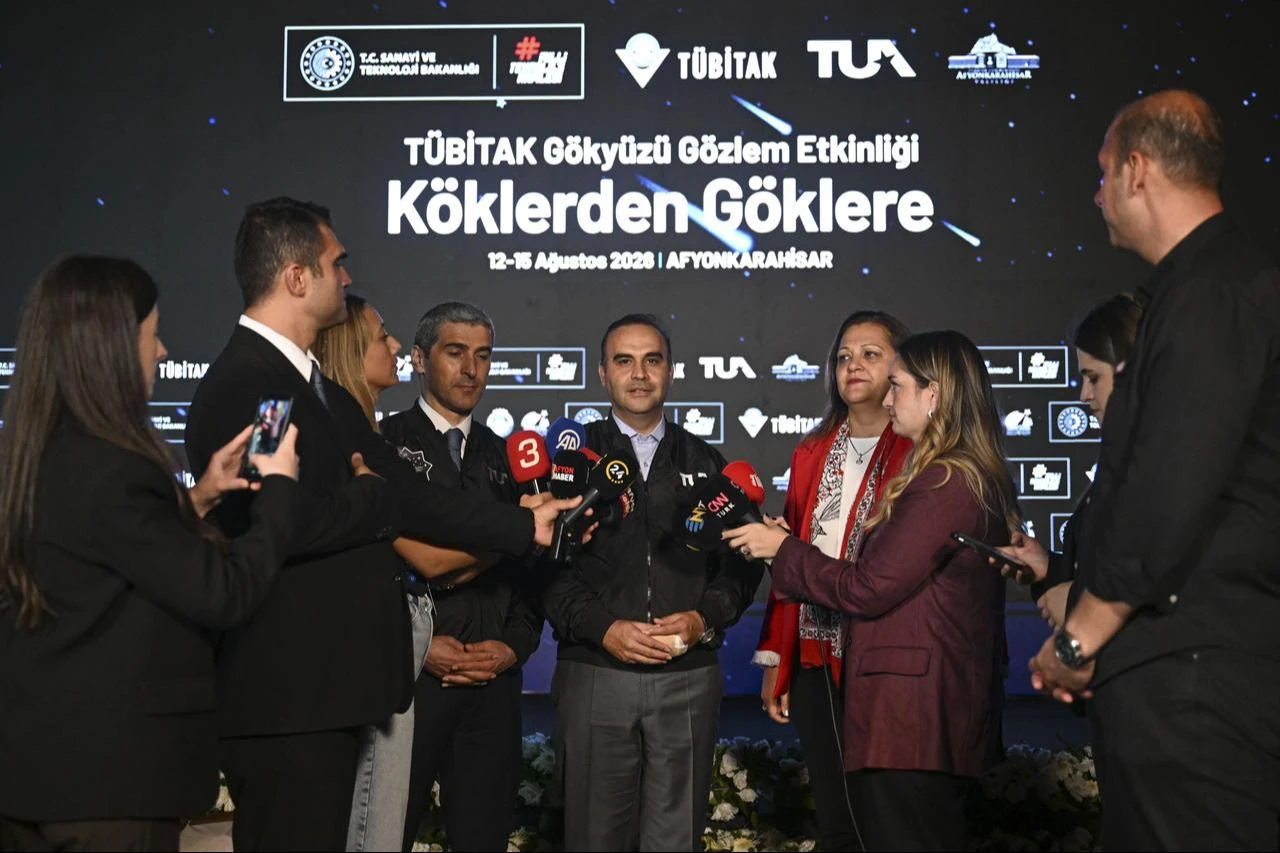

Kacir said independent access to space is a strategic goal for Türkiye, noting the country has developed significant capabilities in rocket and missile technologies.
He credited defense firm Roketsan, TUBITAK SAGE research center, and Delta V with important work in this area.
"We are approaching, step by step, the point where this work will allow us to produce the rockets with which we will send our own satellites into space using our own capabilities," Kacir said.
"We are also prioritizing having spaceport infrastructure for independent access to space. Spaceports are built in locations where access to space is most cost-effective. Equatorial regions offer more cost-effective opportunities for access to space, as they also benefit from the Earth's rotational speed. As Türkiye, we are taking a very strategic step, and we are building our own spaceport in Somalia. Allah willing, that project will also be completed quickly, and Türkiye will gain the capability to send its own satellites and spacecraft, developed with its own rockets, into space from its own spaceport," he added.
The Turkish minister said all of this is made possible by a broader ecosystem, adding that a space technopark to be established at Middle East Technical University (METU) will serve as infrastructure bringing together all institutions and companies in the field, with joint research and development activities conducted there.
Referring to Türkiye's crewed space science missions, Kacir said more will follow.
"There is more to come. Türkiye is preparing to participate in this process, Allah willing, in the coming period, as a country that develops and produces technology components for the new international space stations set to be established," he said, adding, "We are working to sign a number of international partnerships in this direction."
Kacir said Türkiye will host the 77th International Astronautical Congress (IAC 2026) in Antalya from Oct. 5-9, describing it as one of the largest scientific events in Turkish history, with more than 10,000 participants expected from over 100 countries.
He said Türkiye is excited to host such a congress for the first time and to welcome guests from around the world in Antalya, adding that the event will offer major opportunities to showcase the country's capabilities globally and open the door to new international partnerships.
Kacir said the world is currently experiencing deep divisions on many issues, and that Türkiye, in such a period, stands as a strong country sending a message of peace and stability to both its region and the world.
He said space remains a field open to cooperation, and that hosting a congress drawing participation from virtually every country in the world aligns closely with Türkiye's own international mission and ambitions in such a period.
Kacir said Türkiye will host the largest edition of the congress to date, breaking records in pre-registration statistics and scientific paper submissions. He said the congress will also feature a dedicated space for next-generation space technology startups.
"This space will make 'New Space' a platform where, as in many other fields, technology startups focused on paradigm shifts are strongly represented, not just large companies and institutions," he said.
Highlighting the strategic vision behind the initiative, the minister said, "This will give the congress a distinctive character. For the first time, a declaration will be issued from Antalya at IAC 2026. Previous congresses had no such practice. We are aiming for this declaration to specifically include messages of peace, trust and stability. We proposed this to the International Astronautical Federation."
Detailing the schedule and core mission of the event, the minister explained that a special meeting with global parliamentarians and government representatives will take place one day prior to the congress to launch the "Antalya Declaration."
"The congress in Antalya will actually allow us to send a very meaningful and powerful message to all the international diplomatic processes taking place in the world today," the minister concluded.


 Set as preferred source
 Set as preferred source



 2 min read