Newsletters


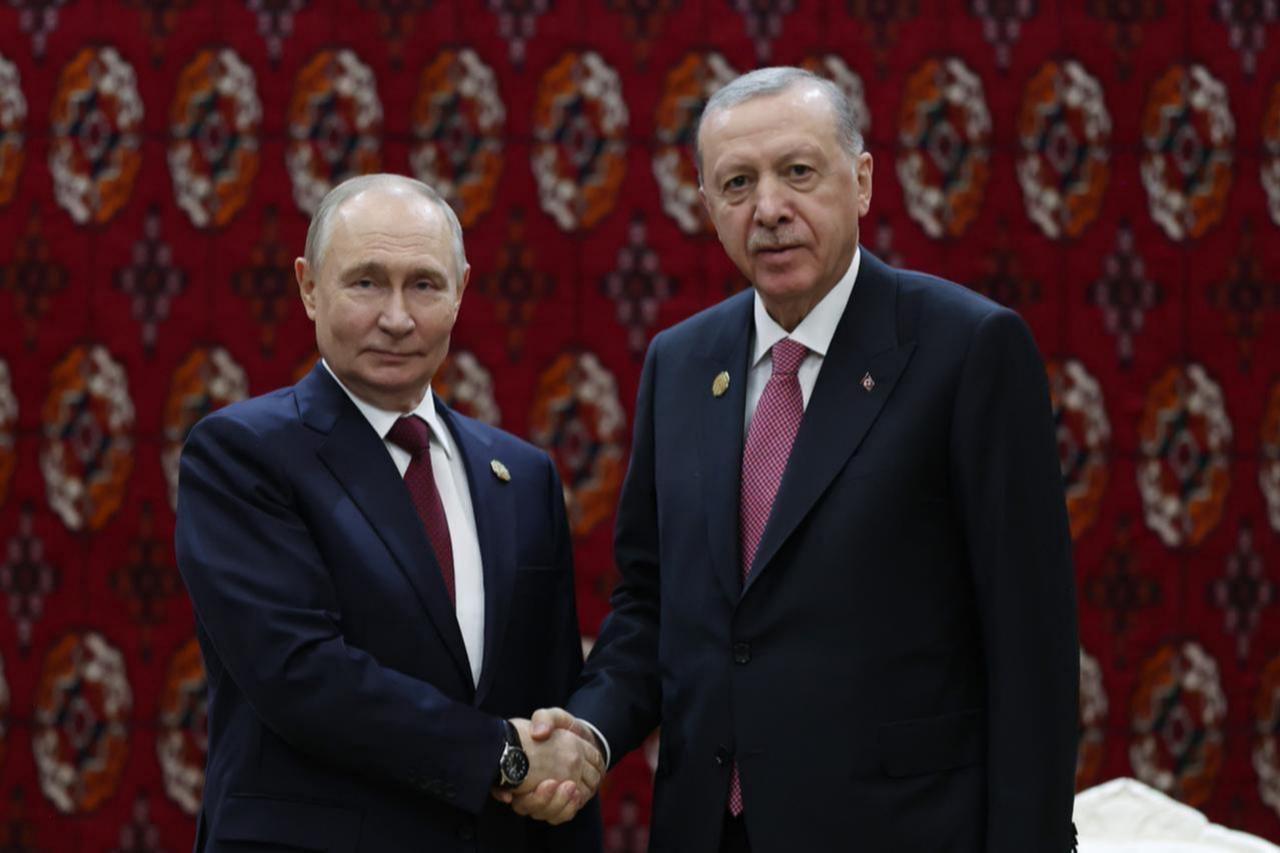


Recent essays by Gonul Tol, a DC-based Turkish think-tanker, in The New York Times and Foreign Affairs make a compelling case that Türkiye is steadily aligning its strategic interests more closely with NATO. Crucially, Tol highlights that Russia’s room for maneuver has narrowed significantly across key sectors of the Middle East.
There is evidence for that reading. Russia has less leverage in Syria than it had under Bashar al-Assad, although it remains part of the Syrian equation. Simultaneously, Ankara is actively reducing its energy exposure to Moscow and intensifying collaboration with its Western allies on critical defense files.
The conclusion, however, needs more qualification. These changes do not show that the Turkish-Russian relationship is ending. They show that an unusual phase in that relationship is losing its force.
Ankara is not returning to the alliance system it had fully left. It never did. Türkiye remained a NATO member, kept strong trade and investment links with Europe, continued to use Euro-Atlantic defense procurement channels, and maintained its legal position on Ukraine’s territorial integrity.
At the same time, Ankara kept an unusually active channel with Moscow while relations with Washington and several European capitals were strained. That never amounted to a full alignment.
It was a practical arrangement shaped by Syria, the failed coup attempt, the S-400 dispute, U.S. support for the YPG, and Türkiye’s search for more room to maneuver.
The evidence points to a narrower claim. Türkiye is not breaking with Russia. It is narrowing the unusually broad working relationship that followed 2016 and returning to a more familiar balance.
The rapprochement after 2016 rested on a hard fact. Ankara’s confidence in Western partners had been damaged, while Russia had become a central actor in the Syrian theater.
Russian influence over Syrian airspace became a practical constraint on Turkish operations. Turkish operations had to factor in Russian air control and deconfliction. Moscow also had an interest in keeping bilateral bargaining with Ankara alive.
The arrangement worked because neither side allowed one dispute to define the entire relationship. They competed in Syria, but coordinated when necessary. They stood on opposite sides in Libya, but avoided direct escalation.
Energy and nuclear cooperation with Russia continued, while certain defense ties with Ukraine also remained in place. Ankara also closed the Turkish Straits to warships under the Montreux Convention.
That pattern did not require deep confidence between Ankara and Moscow. It allowed rivalry and cooperation to coexist without turning every dispute into a bilateral crisis.
This distinction matters. A dispute in Syria did not automatically end energy cooperation. Tension in the Black Sea did not automatically close tourism or trade. This is why phrases such as “the end of the partnership” can misread the relationship's structure. There was no alliance-like partnership to end in the first place.


Türkiye’s position on Ukraine has been more consistent than many outside observers assume. Ankara does not recognize the de facto situation in Crimea and supports Ukraine’s territorial integrity, while keeping its Black Sea policy focused on escalation control. It has avoided turning the Black Sea into a direct NATO-Russia theater.
This is consistent with Türkiye’s long-standing preference for a controlled military balance in the Black Sea.
Ankara wants the military risk in the Black Sea to remain under control, without turning the region into a direct NATO-Russia confrontation. This helps explain why Türkiye joined Romania and Bulgaria in a Black Sea mine countermeasures group, while also keeping a cautious line on naval escalation.
For Türkiye, the Black Sea is not an abstract alliance space. It is a nearby basin tied directly to trade, energy and coastal security.
This is also why a posture that turns NATO cooperation into direct confrontation with Moscow would carry costs for Ankara. It could narrow the space in which Moscow treats Ankara as a difficult but workable counterpart.
Türkiye has no reason to seek that outcome. It still has active files with Russia in Syria, the Caucasus, energy, nuclear power, tourism and trade.
However, the energy picture points to a much slower and more pragmatic decoupling.
Rather than an overnight break, Ankara is pursuing a strategy of calculated diversification: it recently extended two expiring Russian gas contracts by only a single year, letting the Russian share of Türkiye’s gas mix fall below 40%. It is also buying more LNG and looking for non-Russian suppliers.
The same facts also limit any claim of rupture. Russia remains a large supplier. The Akkuyu nuclear plant keeps Russia present in Türkiye’s nuclear-energy plans over the long term, with a 60-year design life and a Russian build-own-operate model.
That is more than a routine commercial contract. It creates a durable energy link that Türkiye will have to manage carefully.
Türkiye is also not alone in making energy choices under constraint. The EU has reduced its direct dependence substantially: its reliance on Russian gas fell from 45% of imports to 12% in 2025, while Russian oil imports fell from 27% to 2%.
The European case also shows that reducing Russian energy exposure requires money, regulation, and time. Türkiye is not inside the EU’s fiscal and regulatory framework, so its energy adjustment follows a different cost structure.
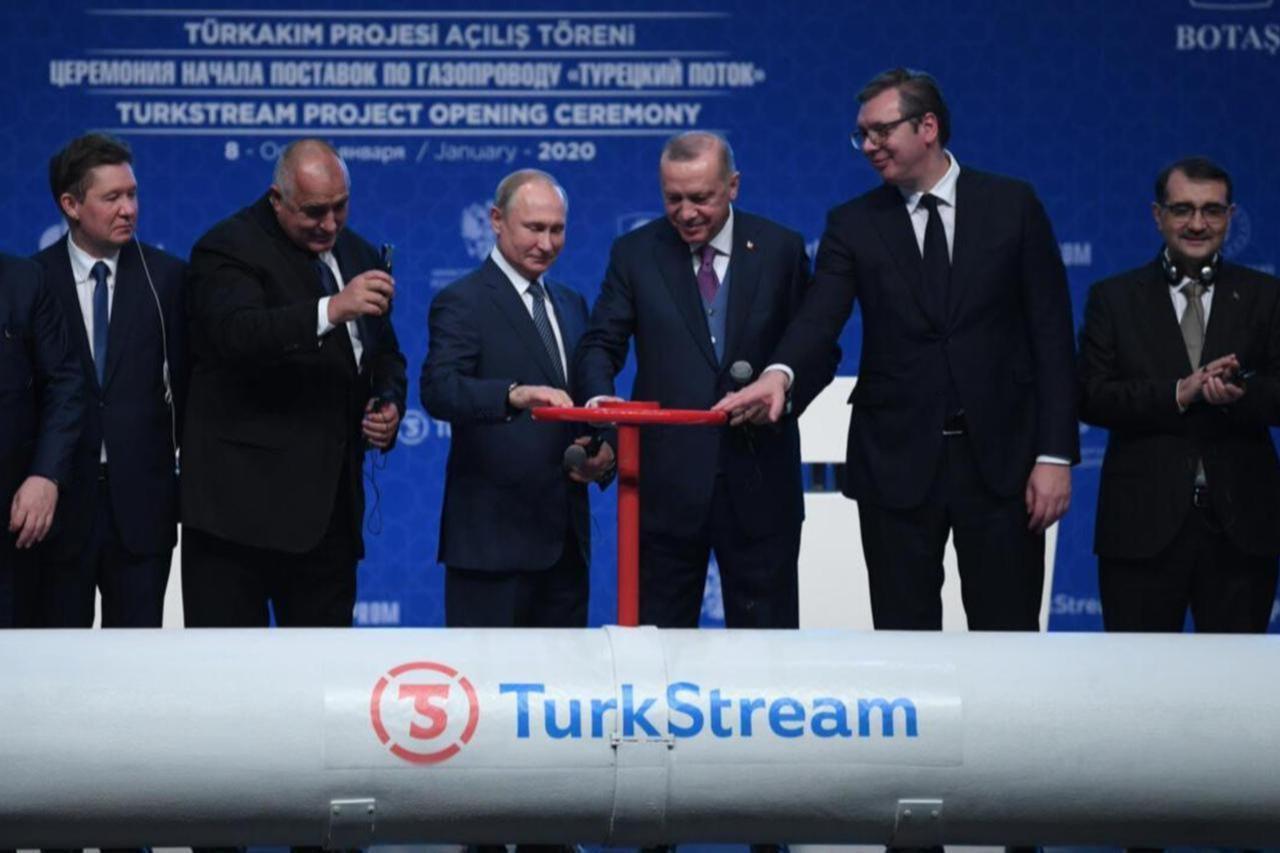
Syria offers one clear example of change. Assad’s fall reduced Russia’s leverage and widened Türkiye’s room for maneuver. Ankara has more space to work with the new authorities in Damascus. Ukraine’s contacts with Damascus are worth noting, but they do not by themselves redefine the Syrian file.
Russia, however, has not disappeared. Russian forces have pulled back from some positions, but Moscow still has a channel with Syria’s new leadership, and Russian military bases remain part of the conversation.
When Ahmad al-Sharaa visited Moscow, Russian bases were on the agenda. Türkiye has more room, but not full freedom of action.
A more cautious reading is this: Syria has weakened Russia’s leverage over Ankara, but it has not removed Russia from Türkiye’s regional calculations.
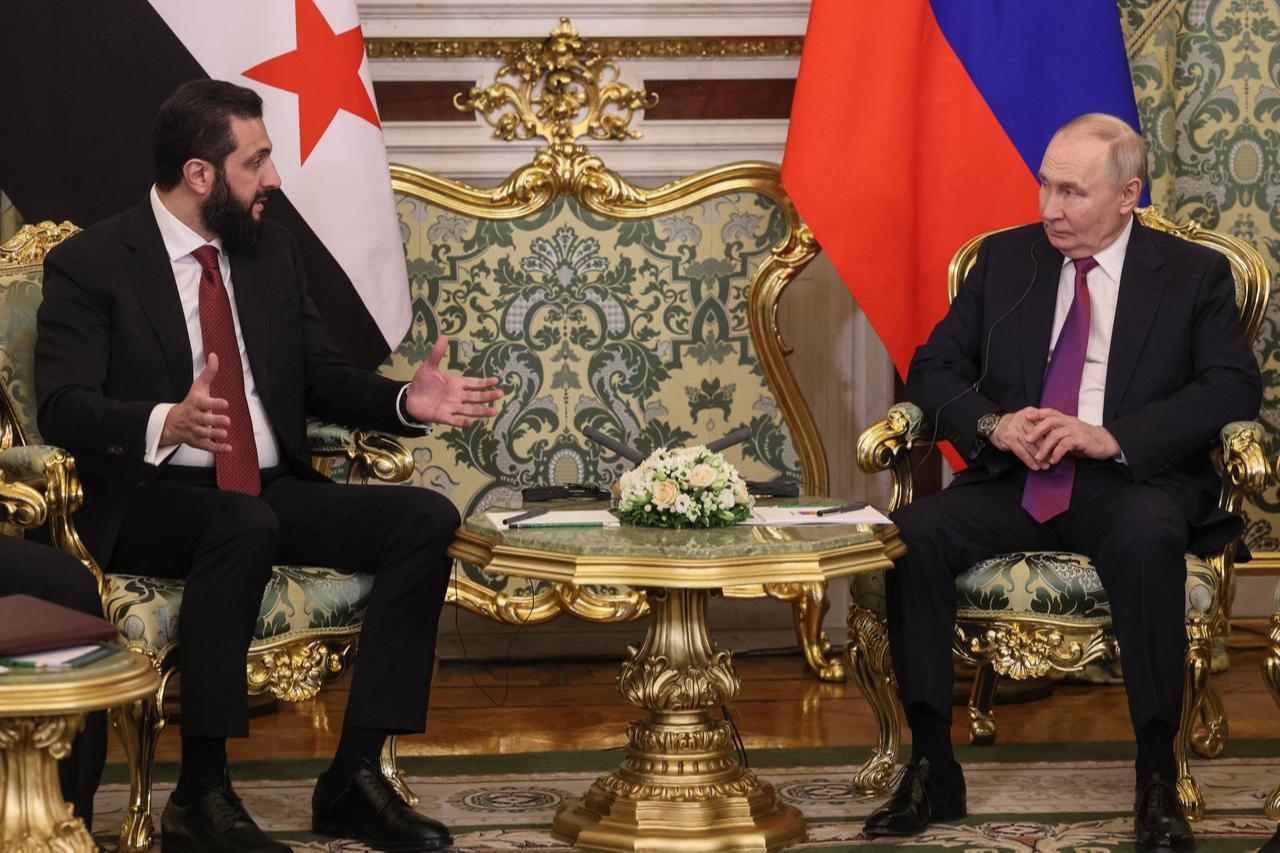
Türkiye is also doing more with NATO in practical defense terms. Germany’s decision to deploy a Patriot battery to Türkiye and Ankara’s agreement to buy 20 Eurofighter Typhoons show that Euro-Atlantic systems, components and industrial cooperation still matter for some of Türkiye’s high-end defense programs.
The S-400 case also remains unresolved. Türkiye’s defense ministry said in December 2025 that there was no change regarding the Russian system, even as talks with Washington continued.
This should not be read as a simple return to the West. It is a practical adjustment to the costs of keeping distance from allied defense channels. Türkiye’s defense industry has grown, yet several advanced programs still involve Western inputs, certification, components or financing.
Ankara has not abandoned strategic autonomy. It is trying to preserve it while keeping NATO infrastructure, interoperability and procurement channels available.
One layer missing from Tol’s reading is Iran. Russia’s response to the Iran conflict raised questions about how far Moscow was willing or able to go for a close partner under pressure.
Moscow and Tehran signed a long-term strategic partnership, but the pact does not amount to a military alliance. That fact matters for Gulf states and other regional actors watching Russian security ties closely.
Ukraine has tried to use its drone and air-defense experience in talks with regional partners. It sent air defense teams to Qatar, Saudi Arabia and the UAE, and later signed defense cooperation deals in the Gulf.
That does not make Ukraine a Middle Eastern security provider comparable to the United States, Türkiye or Russia. It does suggest that Russia’s military partnership with Iran, by itself, may not reassure some regional actors.
Türkiye’s Russia policy is changing in degree, not in kind. Ankara is using NATO channels more actively, where they serve Turkish air-defense and defense-industrial interests. It is reducing some risks in its relationship with Moscow.
It is also keeping channels open because Russia remains a neighboring power with a role in several files that directly affect Türkiye.
This is not the end of Turkish-Russian relations. It is a correction of the post-2016 assumption that strained ties with Western partners could be balanced through a much wider working relationship with Moscow.
The relationship is not collapsing. It is returning to an older pattern: difficult, transactional, shaped by geography and managed through separate files.


 Set as preferred source
 Set as preferred source


 2 min read
 1 min read