Newsletters





Treasury and Finance Minister Mehmet Simsek unveiled Türkiye's comprehensive "Powerhouse for Investment in the Türkiye Century" reform package on Monday.
He declared 2026 as the "year of reforms" and announced a series of radical measures, including a 9% single-digit corporate tax for manufacturer exporters, zero tax on transit trade for Istanbul Finance Center (IFC) companies, 100% service export tax exemption, a 20-year, non-domiciled, zero-tax regime, and an inheritance tax cut from 10% to 1%.
This will position Türkiye alongside Singapore, Hong Kong, and the Netherlands as a competitive global trade and finance hub.


Simsek described the tax reduction for exporters as a "radical step."
The standard 25% corporate tax rate will drop to 14% for regular exporters. Manufacturer exporters will pay just 9%, a single-digit rate designed to attract foreign direct investment in manufacturing.
"This radical step targets foreign direct manufacturing investment, particularly because the outsourcing trends of the 1990s no longer apply," Simsek said.
He noted that Türkiye's manufacturing value-added rate as a share of GDP stood on par with several Asian tigers and said the industrial transformation aimed to move production from medium-low technology to medium and high tech.
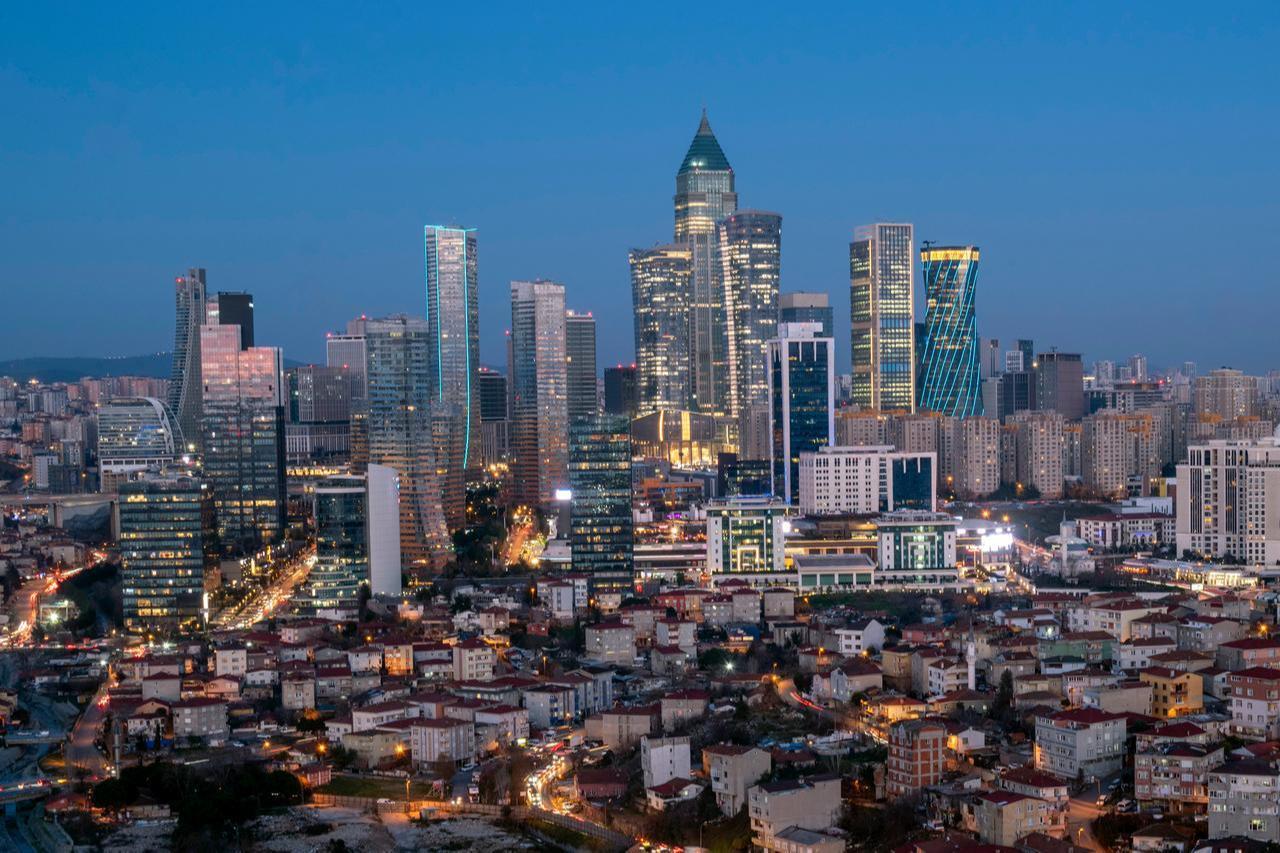
Companies based at the IFC will pay zero corporate tax on transit trade, a 100% exemption, expanded from the 50% offered when the IFC regulation was introduced in 2009.
Companies outside the IFC will receive a 95% exemption.
"This regulation aligns Türkiye's framework with Singapore, Hong Kong and the Netherlands. We are trying to establish a competitive transit trade hub and jurisdiction," Simsek said.
He cited Türkiye's position along the Middle Corridor as a structural advantage.
The tax exemption on service exports was expanded to 100% to capture high-value service categories, including software, video gaming, medical tourism, education, engineering, design, and architecture.
Simsek noted that Türkiye already had a service export surplus exceeding $60 billion.
A new 20-year non-domiciled window will offer zero tax on foreign-sourced income for Turkish citizens and global expats who have not been tax residents of Türkiye for more than six months in the past three years.
Inheritance tax will be cut from 10% to 1% for eligible individuals. Simsek said that this initiative outperforms similar 15-year programs offered in Italy and Greece.
Additionally, companies relocating regional headquarters to the Istanbul Finance Center will receive a 20-year corporate tax exemption, while those moving elsewhere in Türkiye will receive a 95% exemption.
Employees will benefit from an income tax exemption of up to $3,000, which is four times the minimum wage.
The old Ataturk Airport terminal will be converted into a startup hub called Terminal Istanbul. A full digital company formation and operation, entirely online without physical presence, will be introduced.
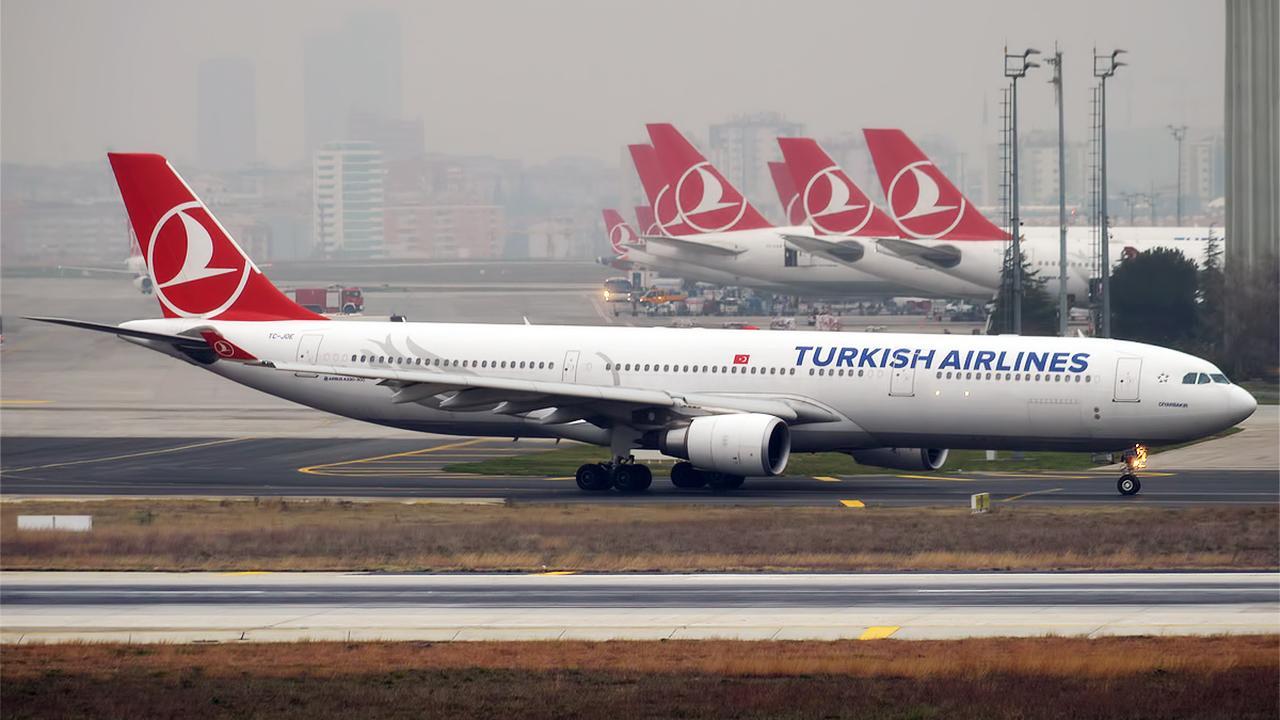
Türkiye's Vice President Cevdet Yilmaz stated that the global environment, characterized by geopolitical tensions including the Iran-Israel-U.S. war and disrupted trade routes, made stability, predictability and production capacity the defining factors for global investment flows.
"Türkiye is an increasingly central base for production, trade and distribution. Today Türkiye stands out as a stable, predictable and reliable partner for investment and industrial activities," Yilmaz said.
He emphasized Türkiye's position at the intersection of Europe, Asia, and the Middle East as a structural advantage as global supply chains were being reshaped.
"This is a comprehensive economic positioning strategy. We want to be in the top global league in tax architecture. We are providing 20-year predictability. The ultimate goal is to make the country a major regional finance and trade hub," Simsek concluded.


 Set as preferred source
 Set as preferred source



 2 min read