Newsletters


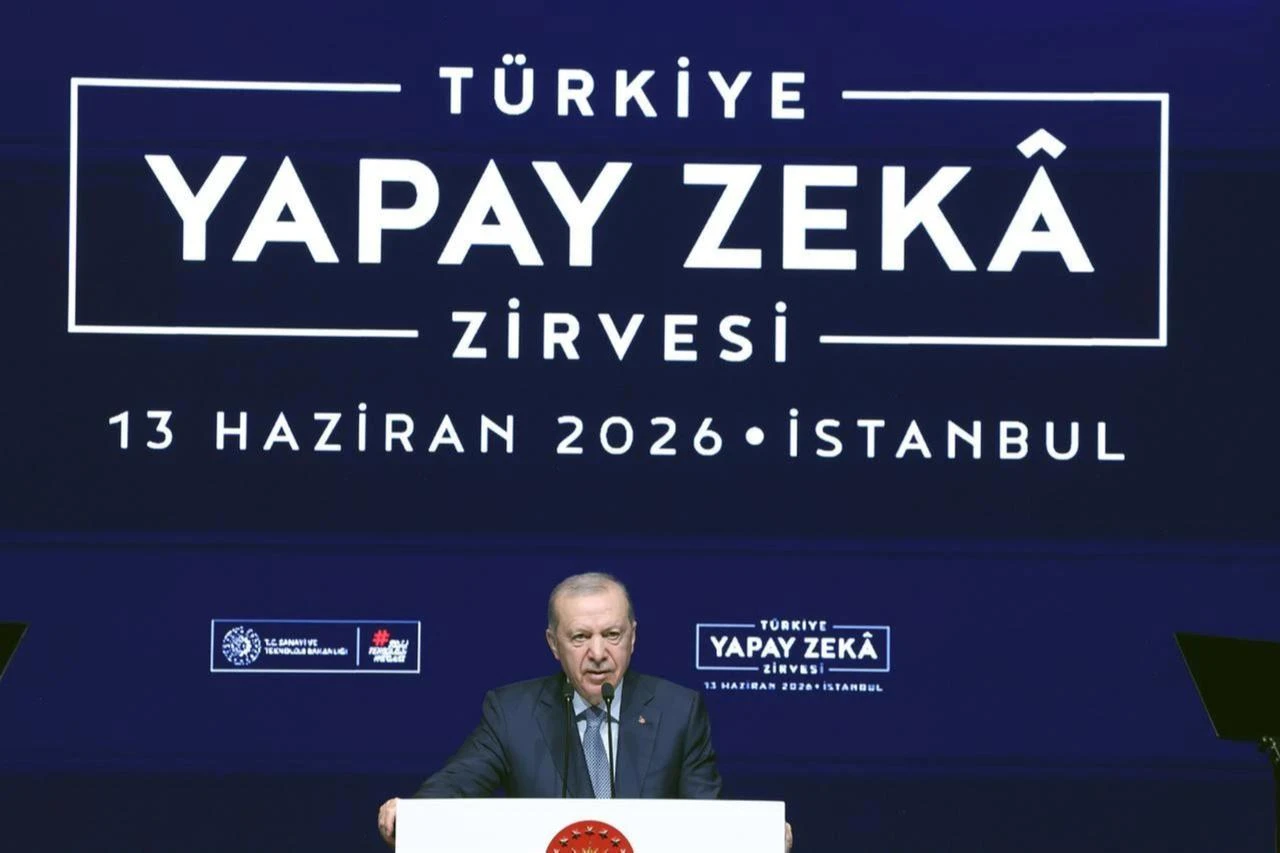


Türkiye is positioning itself at the forefront of the global tech race with a newly announced five-year artificial intelligence plan focused on data sovereignty and domestic infrastructure.
Spearheaded by the Ministry of Industry and Technology, and announced by President Recep Tayyip Erdogan in June, the 2026–2030 roadmap targets 16 high-priority actions to build local AI models and boost processing power under the theme "Notice, Benefit, Produce and Govern."
The plan includes a National Artificial Intelligence Literacy and Safe Use Program that will reach 5 million citizens in two years to encourage safe and informed use of AI.
It also features a National Artificial Intelligence Talent Program, which will assess 1 million employees for new skills by 2030 and invite 500 international experts to Türkiye for research, entrepreneurship, and training.
A National Data Library, secure data spaces, and an AI Champions Program will support these efforts. The plan will also create a National Artificial Intelligence Ethics Board, including members from government, business, universities, and civil society.
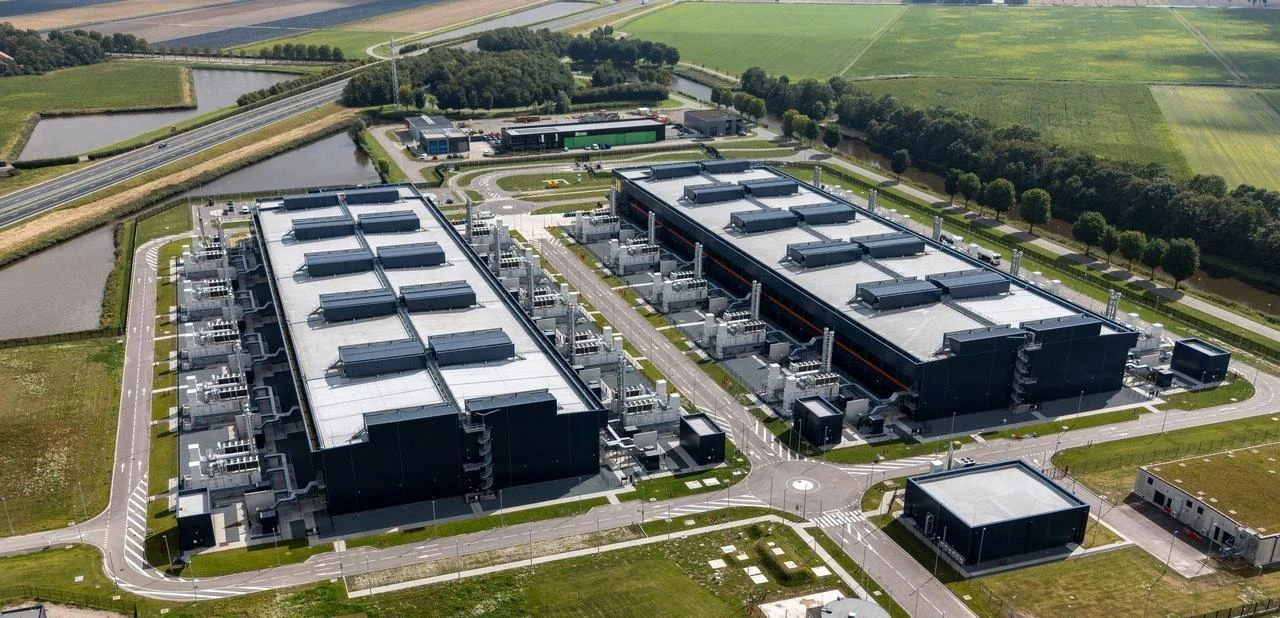

The plan aims to create a competitive, low-carbon national computing system. A National Artificial Intelligence Computing Strategy and a long-term investment plan will be ready in six months.
The plan hopes to attract at least $10 billion in mostly private investment through the HIT-30 High Technology Investment Program. It targets at least 1 gigawatt of data center capacity and 10 terawatt-hours of low-carbon electricity agreements by 2030.
The GPU for Everyone Program will give startups, small businesses, and researchers access to computing power. AI growth zones and regional centers of excellence, including shared AI factories, are also planned nationwide.

The public sector will lead by buying AI solutions, with at least 2% of its investment budget set aside for AI projects. Pilot projects are planned in healthcare, energy, manufacturing, and geographic information systems.
Two funding programs will support this work: a National Artificial Intelligence Research Fund of TL 10 billion ($208.67 million), aiming for 40% of projects to reach the pilot or prototype stage, and an Artificial Intelligence Growth Fund of TL 15 billion to help at least 20 startups reach Series A/B or scale-up investment.
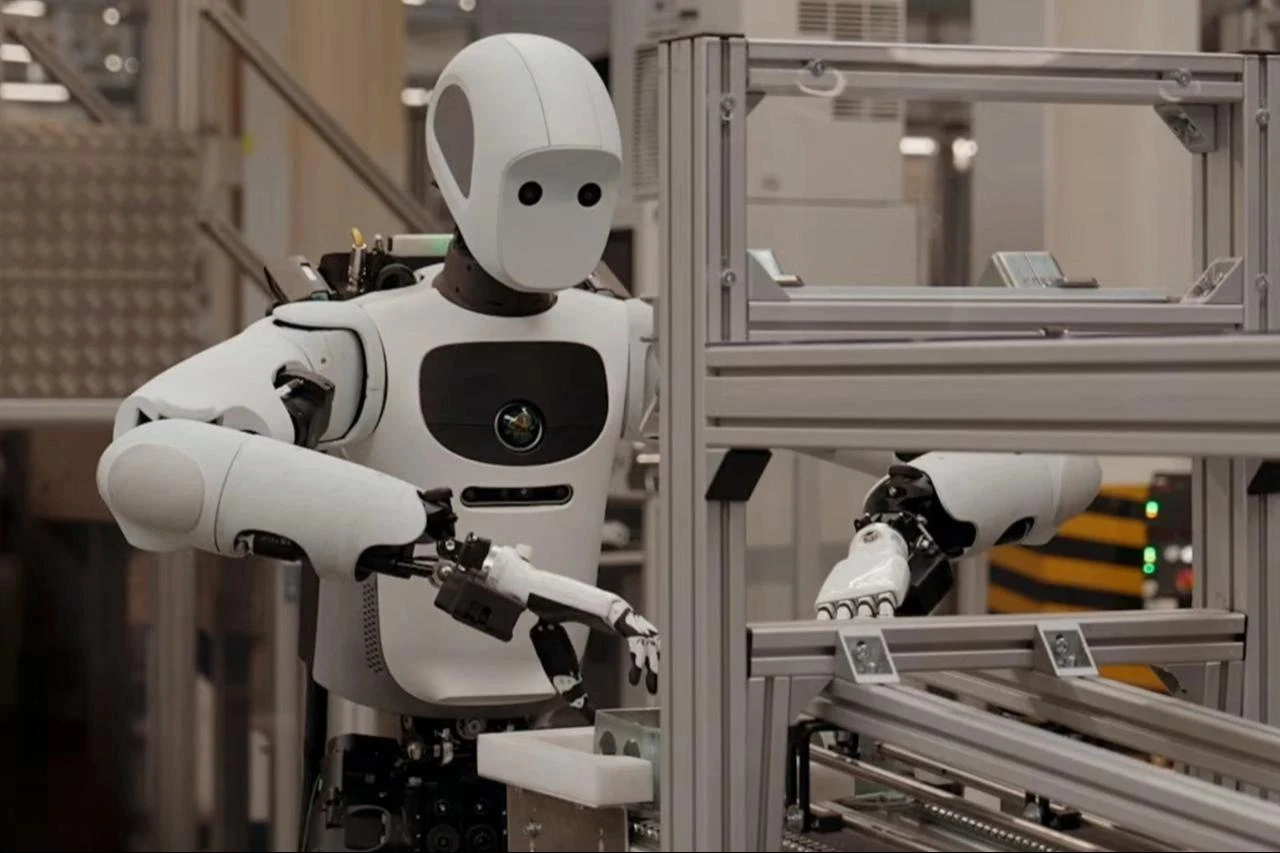
The plan also wants to use robotics and autonomous systems knowledge from the defense industry for civilian purposes. It will develop infrastructure, rules, and test sites for autonomous driving.
By the end of 2027, the plan aims for three main pilot projects, two university-industry robotics centers, three test sites, and three projects to transfer technology from defense to civilian use. By 2030, it hopes to have five export or joint development agreements.
Internationally, Türkiye plans to sign AI cooperation agreements with at least five countries by 2027 and work on joint AI infrastructure and training through regional and global partnerships.
Industry and Technology Minister Mehmet Fatih Kacir said: "As Türkiye, we will not be spectators to this transformation, but among its pioneers.
We will build a Türkiye that develops AI technologies with its own values, produces reliable products and services, and scales AI solutions in strategic fields from industry to health, and from education to public services. We will make artificial intelligence one of the new power fields of Türkiye's technological independence and economic development."


 Set as preferred source
 Set as preferred source



 1 min read