Newsletters




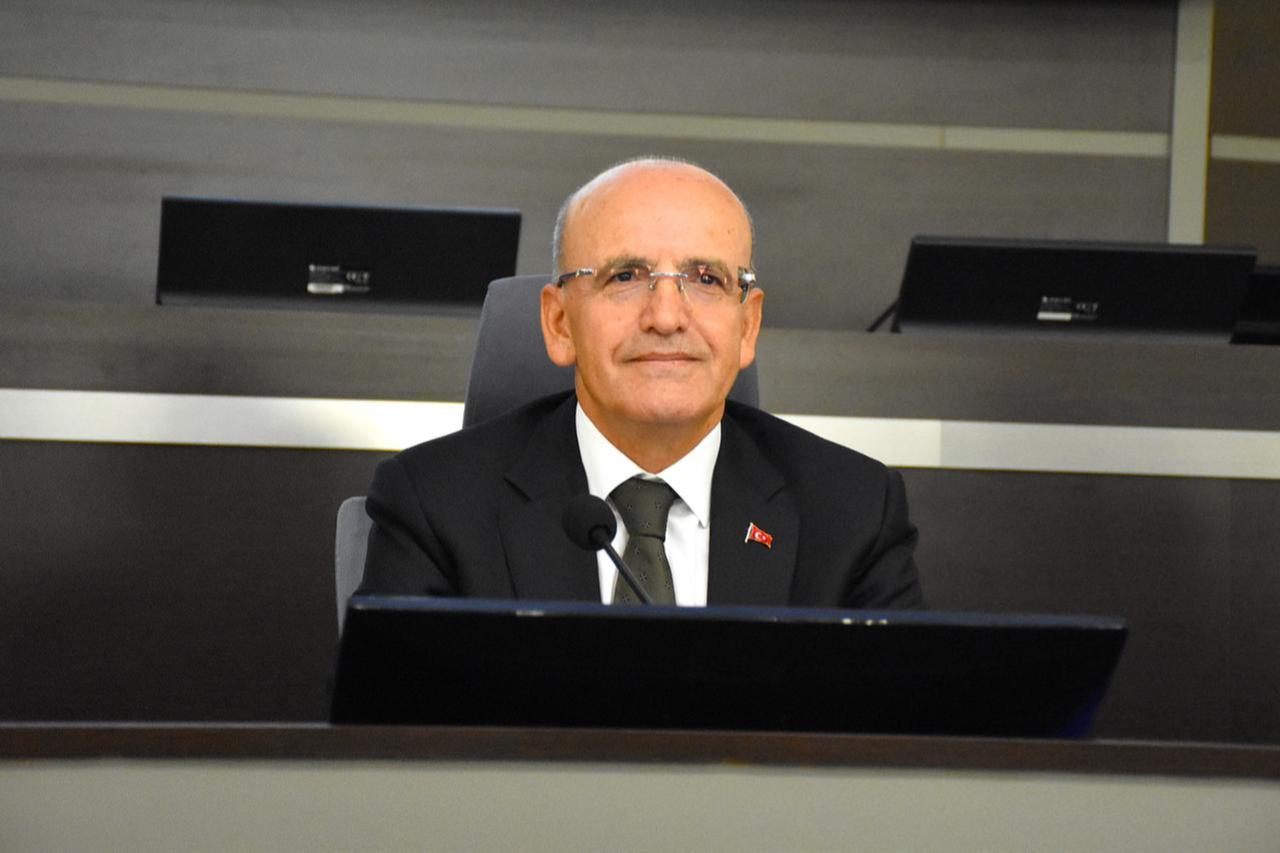
Türkiye's Transport Minister Abdulkadir Uraloglu urged European partners to cut red tape for freight operators and speed up border procedures, arguing that delays in visas and customs processing continue to hold back international trade even as countries invest heavily in transport infrastructure.
Speaking after the launch of the European Union's new Connectivity Agenda Platform in Brussels on Tuesday, Uraloglu said efficient logistics require more than physical infrastructure, pointing to administrative obstacles that can leave shipments stranded after commercial agreements have already been completed.
"If road and rail transport visas are not issued on time, if customs crossings are not facilitated, and if digital infrastructure is not established, then in fact the work you have completed is wasted at customs gates or visa procedures," he said.
The minister framed the issue as part of a broader shift in global trade, noting that modern economies depend heavily on international supply chains and cross-border cooperation. As countries become increasingly interconnected, he argued, transport networks and administrative systems must evolve together to keep goods moving efficiently, he emphasized.
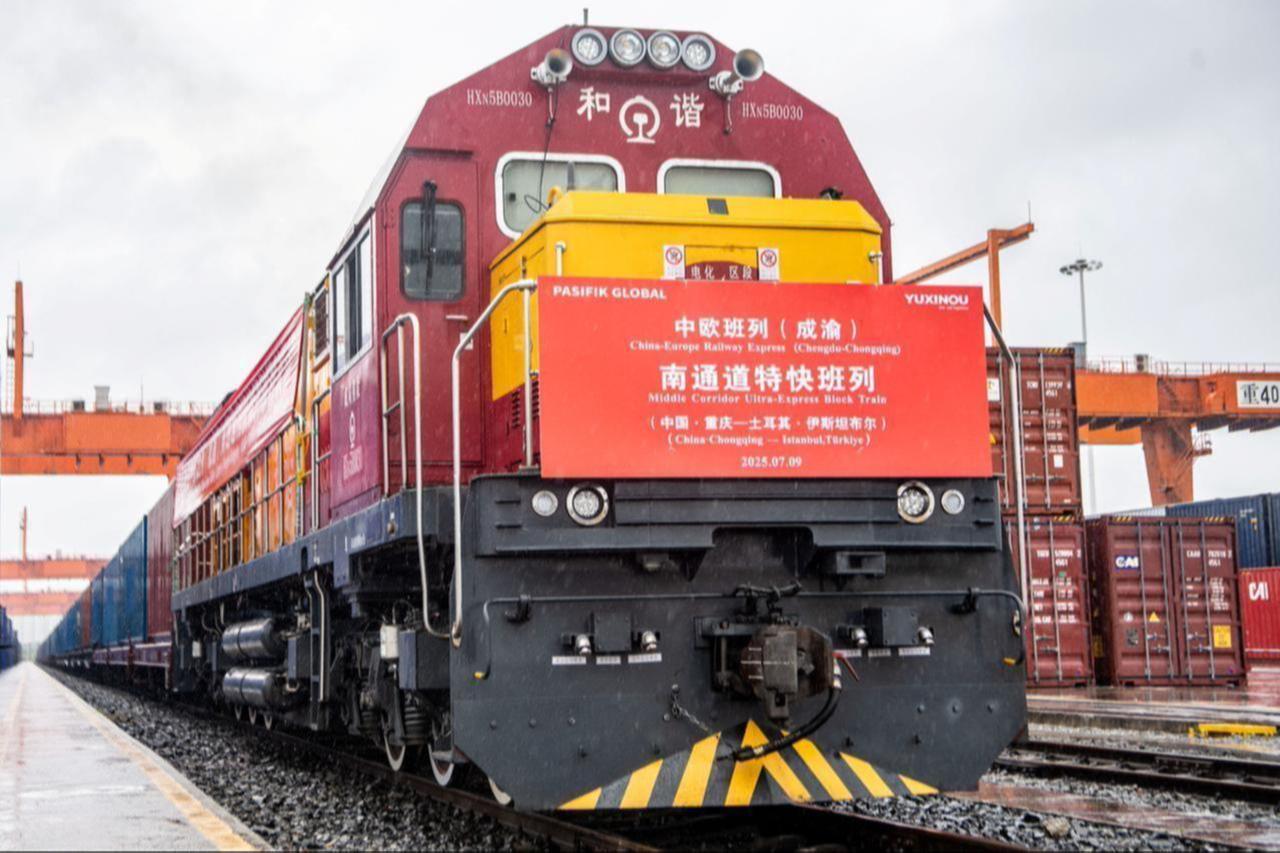
Uraloglu pointed to the Middle Corridor as a growing area of cooperation between Türkiye and the European Union. European policymakers are showing increasing interest in diversifying transport routes and reducing reliance on a single transit network, he noted, adding that this has opened the door to deeper cooperation with Ankara.
"Therefore, at this point, we see a determination and will to cooperate more strongly with Türkiye," Uraloglu said.
On the margins of the Brussels gathering, Uraloglu met with European Commissioner for Enlargement Marta Kos. He said Kos is expected to travel to Istanbul next week, where further discussions are scheduled.
The minister also met Armenian Territorial Administration and Infrastructure Minister Davit Khudatyan, with the two sides discussing efforts to reopen previously active road and rail crossings.
Uraloglu said preparatory and maintenance work is underway in both countries and noted that stronger regional links could help revive the Silk Road transport routes, pointing to restoration efforts around a historic bridge in the Kars-Ani region.
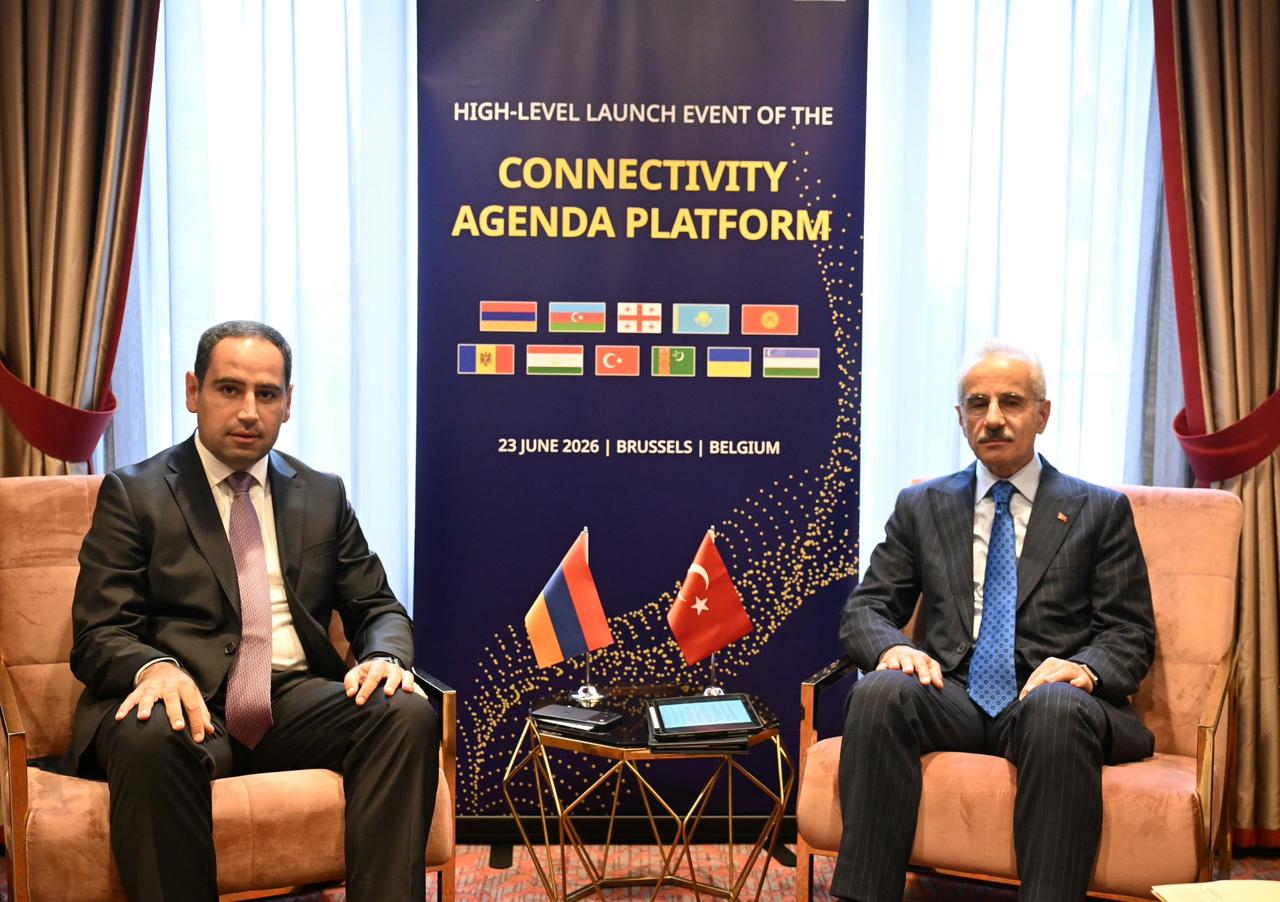

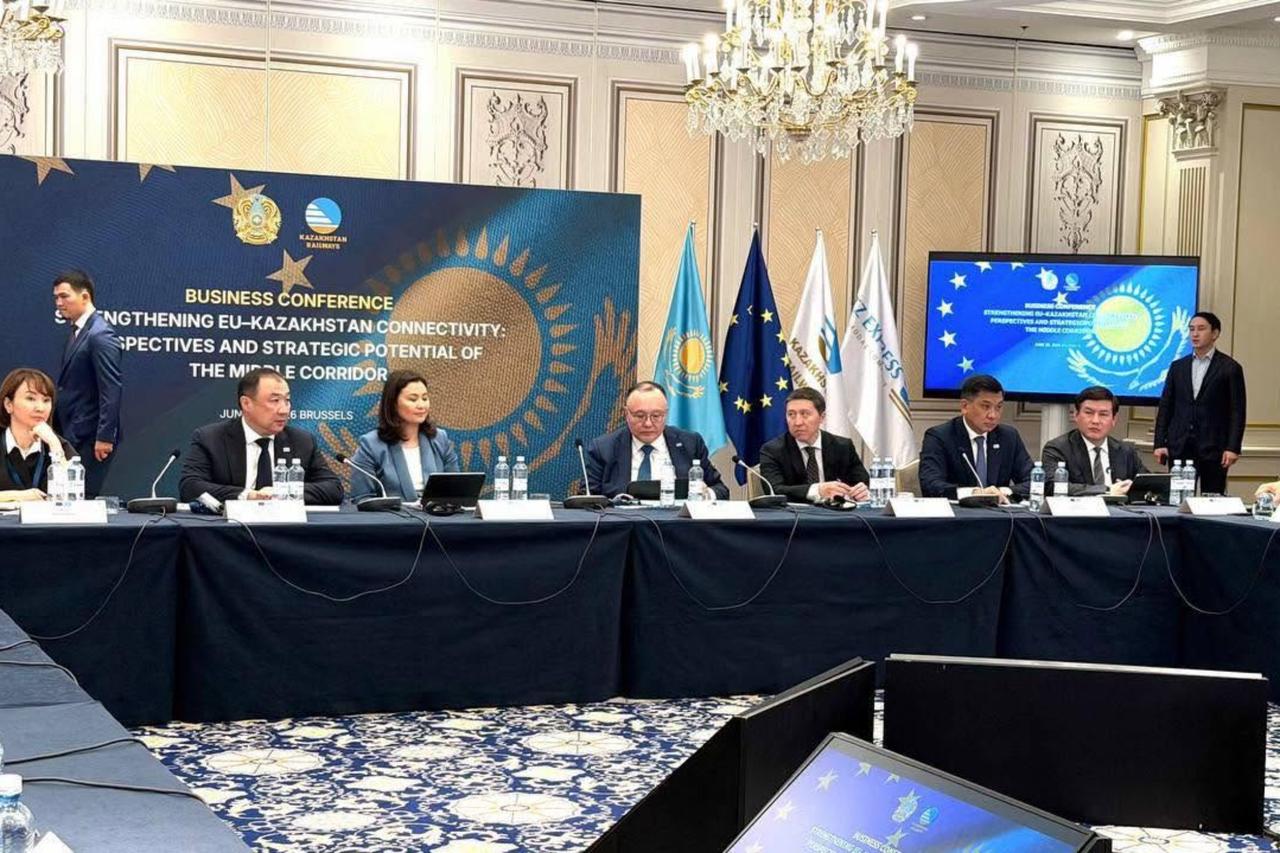
The EU's newly launched Connectivity Agenda Platform seeks to coordinate transport, energy and digital infrastructure investments along the Middle Corridor, formally known as the Trans-Caspian International Transport Route.
The initiative brings together governments, development lenders and private-sector investors to identify financing needs and accelerate projects along a route stretching from China through Central Asia, the South Caucasus and Türkiye before reaching European markets.
Commissioner Marta Kos said the platform is intended to align existing initiatives, address infrastructure gaps and develop a common pipeline of investments.
As part of the initiative, the EU announced plans to mobilize more than €80 million ($91 million) to support projects with a combined value exceeding €2 billion across participating regions, including Ukraine and Moldova.


 Set as preferred source
 Set as preferred source


 1 min read
 1 min read