Newsletters


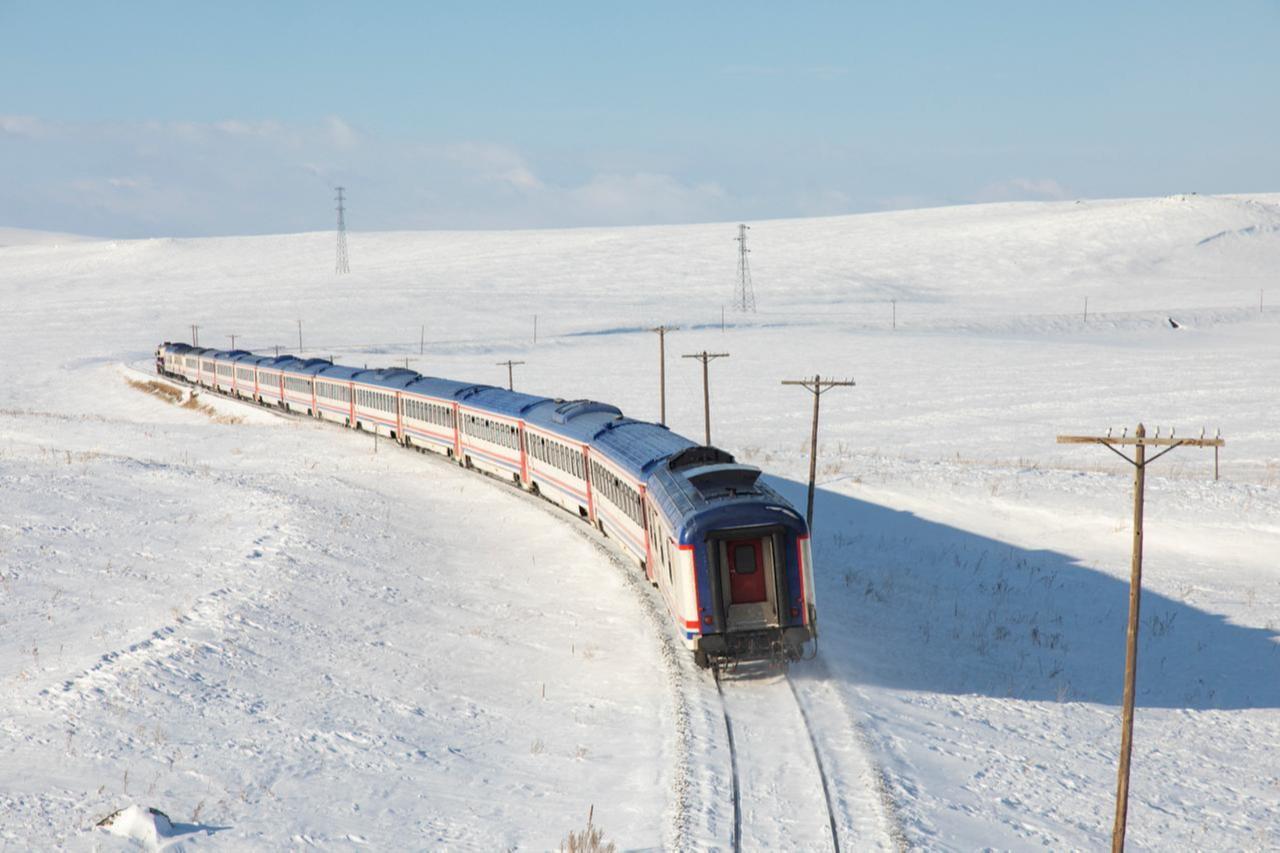


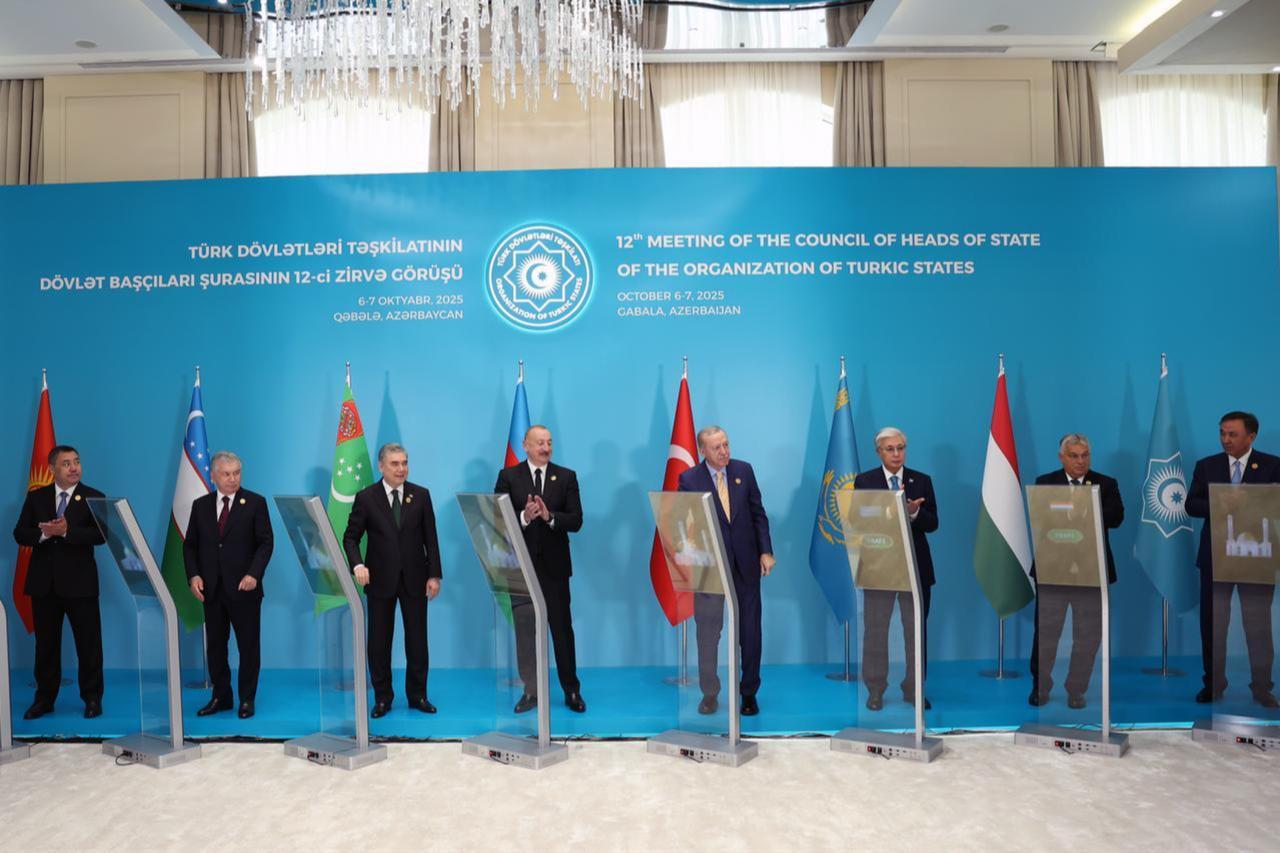
Leaders of the Organization of Turkic States (OTS) gathered in Kazakhstan’s Turkestan earlier this month for a summit that placed the Middle Corridor—also known as the Trans-Caspian International Transport Route—at the center of the regional agenda.
Türkiye, Uzbekistan, Azerbaijan, and Kyrgyzstan emphasized the corridor’s growing geopolitical and economic significance, particularly its role in connecting Asia with European markets.
A key element of the project is a 43-kilometer route through Armenia’s Syunik region, expected to significantly reduce both delivery times and transportation costs for cargo moving from China, Kazakhstan, Azerbaijan, and Türkiye toward the European Union.
For Türkiye, the Trump Route for International Peace and Prosperity (TRIPP) project creates a direct, fast, and secure railway connection to Azerbaijan and Central Asia through Armenian territory. It significantly strengthens Ankara’s position as a major energy and logistics hub linking Europe with the South Caucasus and broader Eurasia.
The integration of Armenia into a new regional transport infrastructure would also open substantial economic opportunities for Turkish companies, particularly in the construction, modernization, and management of roads, railways, and logistics centers across the South Caucasus.
At the same time, the gradual reduction of Russia’s monopolistic influence over Armenian infrastructure could create additional space for Turkish investments and commercial expansion.
Importantly, the development of the Syunik route under Armenia’s sovereign control would help reduce security risks and establish more predictable and stable operating conditions for Turkish transport and logistics operators.
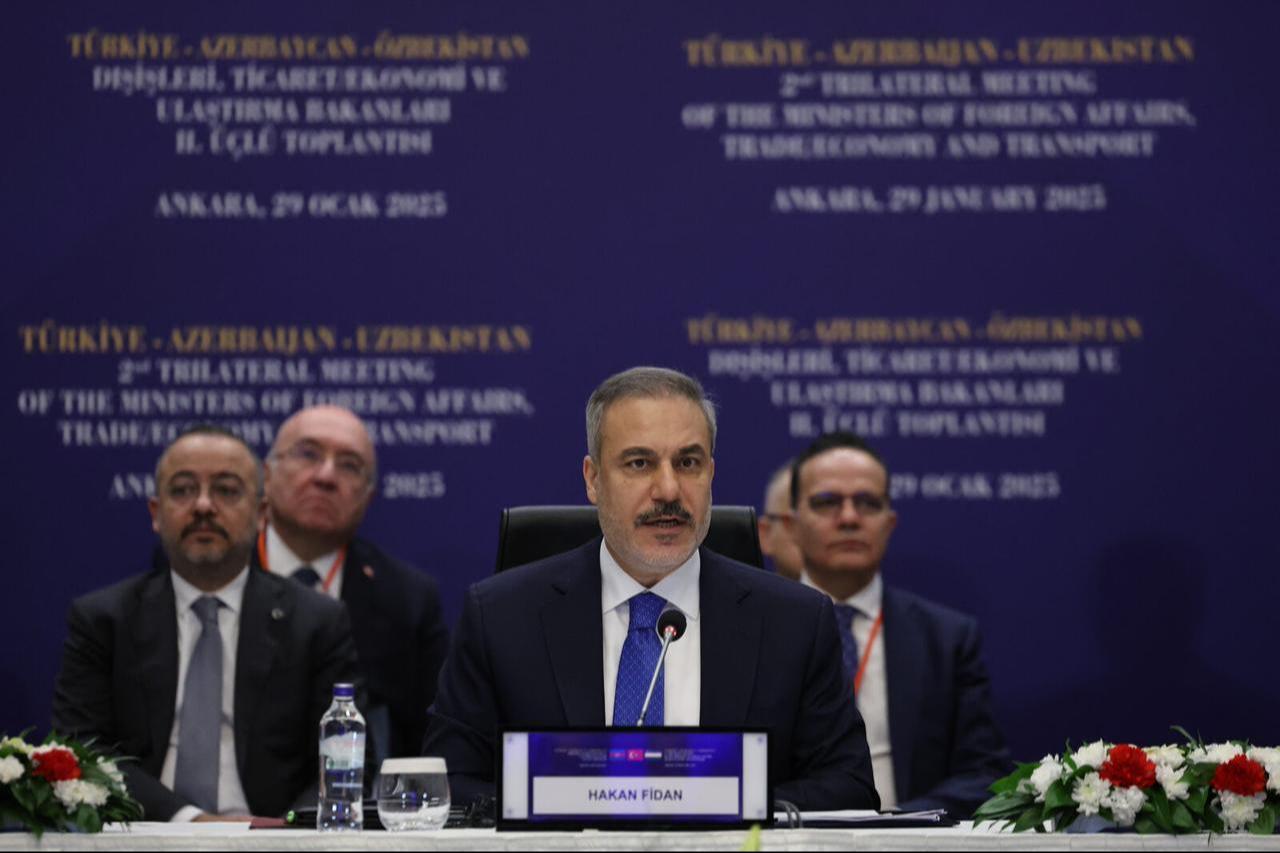

Following U.S.-mediated agreements reached in 2025 between Armenia and Azerbaijan, the development of the transit route through Armenia’s Syunik region has become a key component of the broader Middle Corridor strategy.
The arrangement, backed by international security guarantees, is expected to simplify and accelerate cargo transportation between Azerbaijan and Türkiye while significantly lowering logistical costs. For Baku, the project goes beyond infrastructure.
Azerbaijani policymakers increasingly view Armenia’s transformation into a pragmatic economic partner as the most effective long-term guarantee of regional stability.
Joint participation in international logistics and transit initiatives could open the door to billions of dollars in potential investment from both the European Union and the United States. At the same time, Azerbaijan is steadily strengthening its role as the central logistical hub of the Turkic world.
By positioning Baku as the main Caspian gateway linking Central Asia with Armenia and further to European markets, the Middle Corridor enhances the economic resilience of the OTS while gradually reducing the strategic importance of Russian-controlled transit routes.
In this context, deeper economic integration within the project also limits the ability of external actors to manipulate regional security tensions for geopolitical purposes.
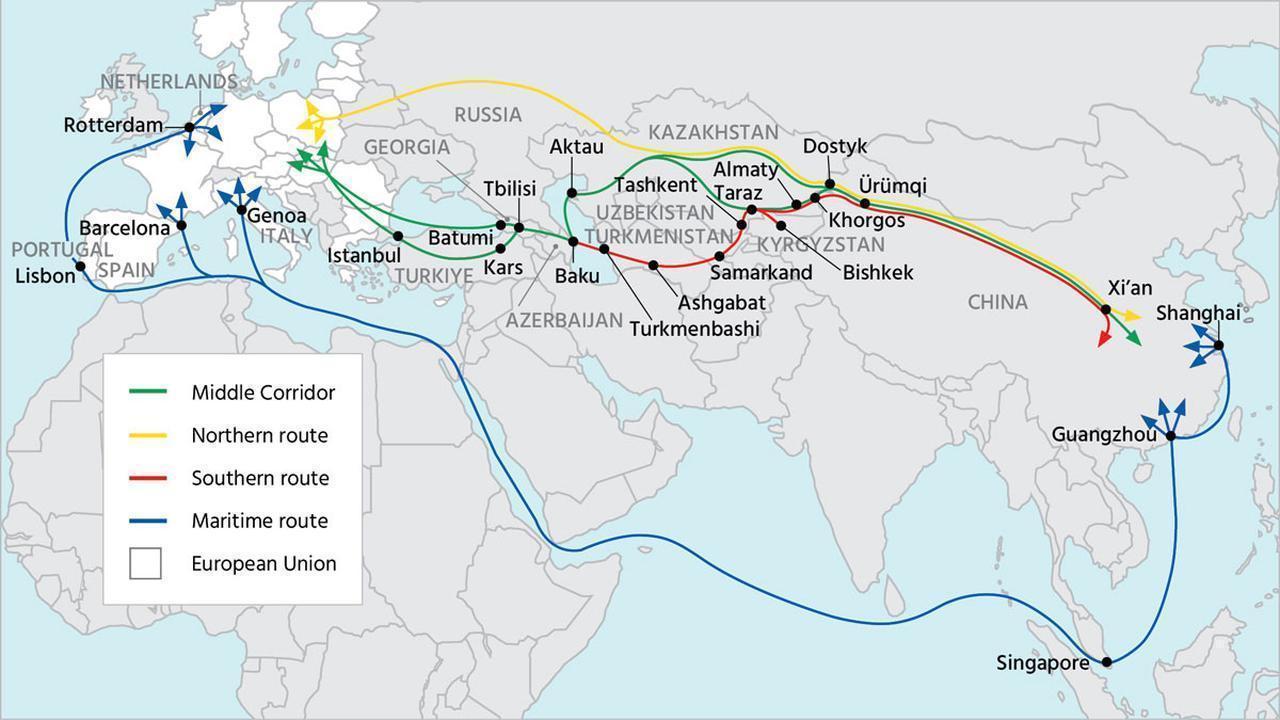
Armenia’s potential participation in the Middle Corridor and the TRIPP project is gradually transforming the country into a key transit hub linking Europe, the South Caucasus, and Central Asia.
For the member states of the OTS, the long-term vision is increasingly centered on turning the South Caucasus into a reliable logistical bridge fully integrated into the global economy.
The inclusion of Armenia in the corridor would significantly reduce transportation costs and delivery times between Asia and the European Union while strengthening the export capacity of OTS economies.
The rapid growth of cargo traffic along the Trans-Caspian route reflects this trend: freight volumes increased from 800,000 tons in 2019 to 2.76 million tons in 2023, reached 4.48 million tons in 2024, and are expected to approach 5 million tons in 2025.
Yerevan’s growing readiness for international cooperation is also creating a strategic window of opportunity for the Turkic states to reshape the Caucasus into a zone of economic cooperation rather than geopolitical confrontation.
In practical terms, Armenia’s economic interest in transit revenues could become the foundation for long-term pragmatic cooperation with OTS members.
At the same time, Western-backed infrastructure investments are increasingly viewed as a critical guarantee of regional security.
The proposed model of international management for the Syunik transit route is designed to minimize the Kremlin's influence over regional logistics while ensuring the long-term stability of the corridor.
This shift reflects a broader geopolitical reality: Russia is no longer seen as the uncontested guarantor of regional transit. As the Middle Corridor becomes the strategic priority for Eurasian trade—with cargo volumes increasing nearly fivefold over the past seven years—the creation of transport infrastructure independent from Moscow is reinforcing the corridor’s role as a major Eurasian logistics hub.
Western standards in infrastructure governance and technology are also emerging as a competitive advantage over aging transport systems historically controlled by Russia.
For many OTS countries, reducing dependence on Soviet-era and Russian-linked logistics networks is increasingly viewed not only as a geopolitical necessity but also as a pathway toward long-term economic modernization and resilience.
Against the backdrop of sanctions imposed on Russia and rising geopolitical risks, OTS states are deliberately distancing themselves from Russian influence in the transport sector.
The transition toward internationally managed infrastructure in Syunik is intended to guarantee route stability regardless of fluctuations in relations with Moscow while reducing the Kremlin’s leverage over regional trade flows.
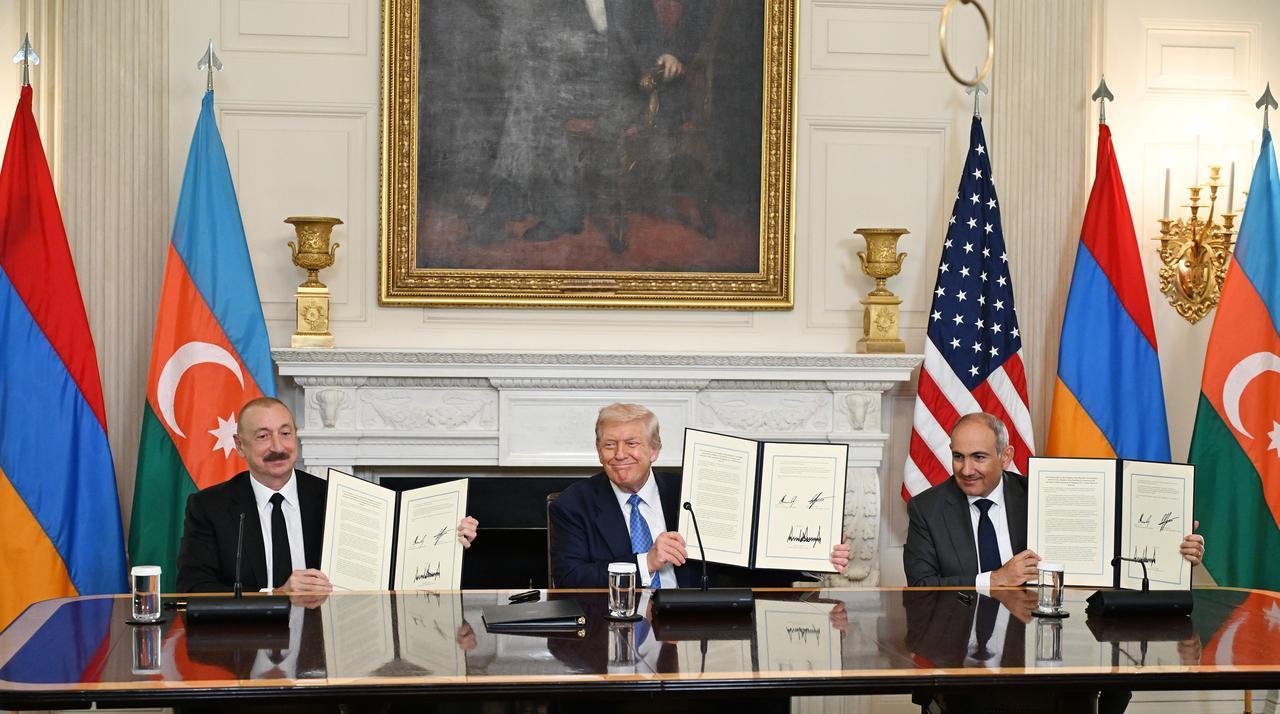
The latest OTS summit highlighted a broader geopolitical transformation: the gradual strategic distancing of Central Asian and South Caucasus countries from Russian influence.
A sustainable peace in the South Caucasus is increasingly viewed not as a frozen geopolitical issue, but as an opportunity to transform the region into a profitable transit and logistics hub for OTS member states.
Against this backdrop, Moscow’s narratives about alleged “external control” over regional infrastructure projects are widely perceived as attempts to discredit the Middle Corridor initiative and preserve Russia’s traditional sphere of influence in the South Caucasus.
Russian officials and affiliated media continue to frame Western-backed transit initiatives as geopolitical interference rather than economic modernization.
The Kremlin also relies on legal and institutional arguments to maintain leverage. Since 2008, Armenia’s railway system has remained under concession management by the Russian-owned South Caucasus Railway company until 2038.
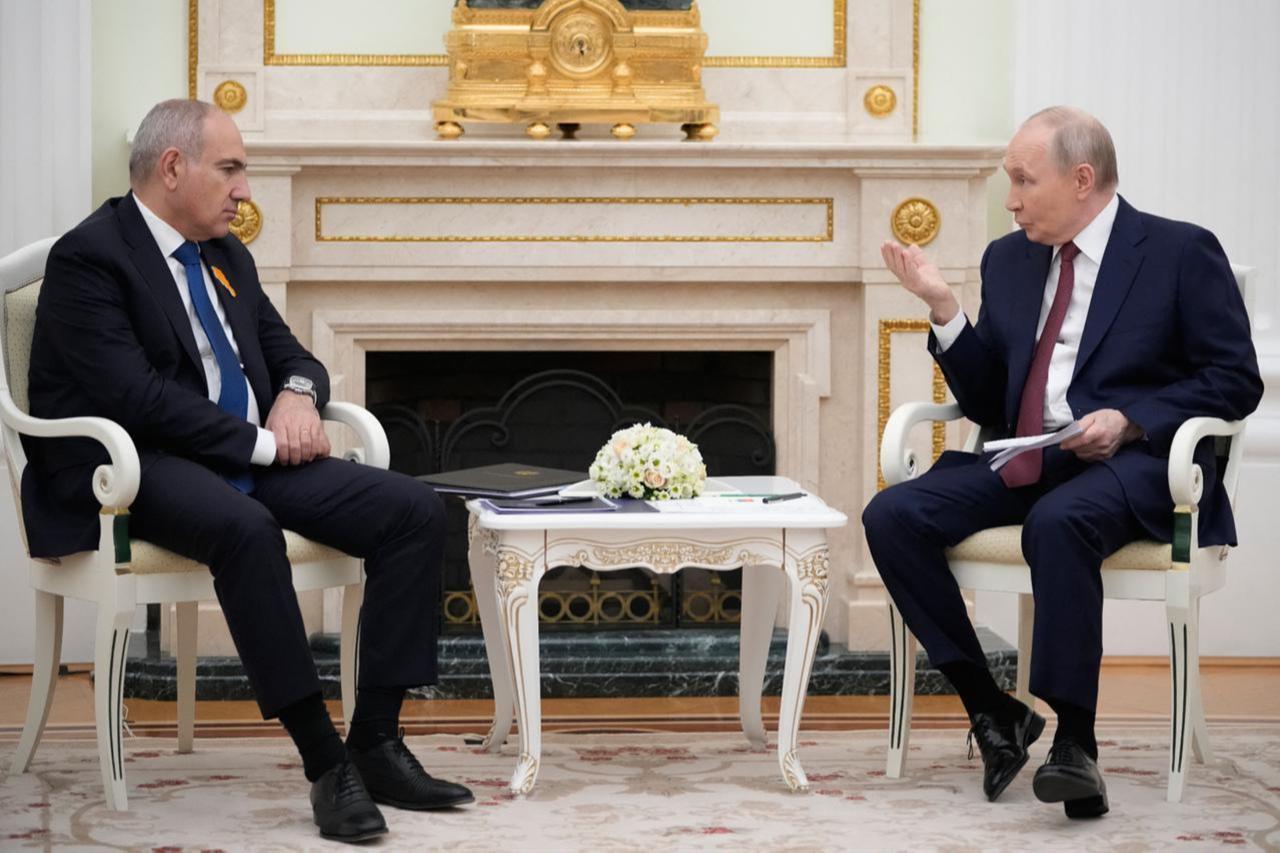
Moscow uses these agreements to question the legitimacy of decisions taken by Armenian Prime Minister Nikol Pashinyan’s government when they are not coordinated with Russia.
 2 min read
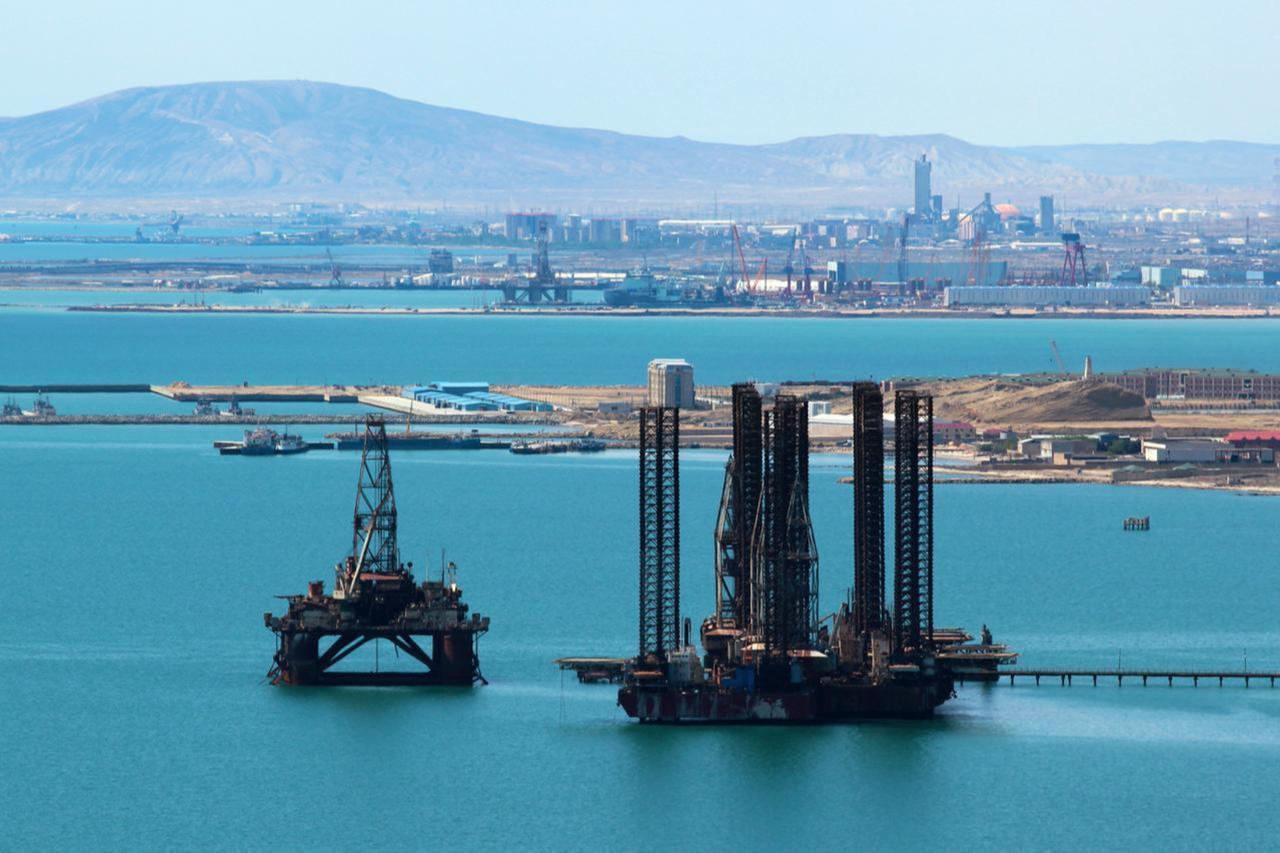
However, the rapid development of the Middle Corridor is creating an alternative logistical architecture that reduces dependence on outdated and politically vulnerable infrastructure controlled by Russian monopolies.
For OTS countries, direct access to European markets and global trade hubs bypassing Russian territory is no longer simply an economic option, but a strategic necessity.
This transition allows regional states to stabilize export routes, diversify trade partnerships, and reduce the Kremlin’s ability to exert pressure on their national economies through transport and energy dependence.
At the same time, many regional analysts believe Moscow has largely exhausted its package of economic incentives that once helped keep the South Caucasus and Central Asia within its geopolitical orbit.


 Set as preferred source
 Set as preferred source


 1 min read