Newsletters




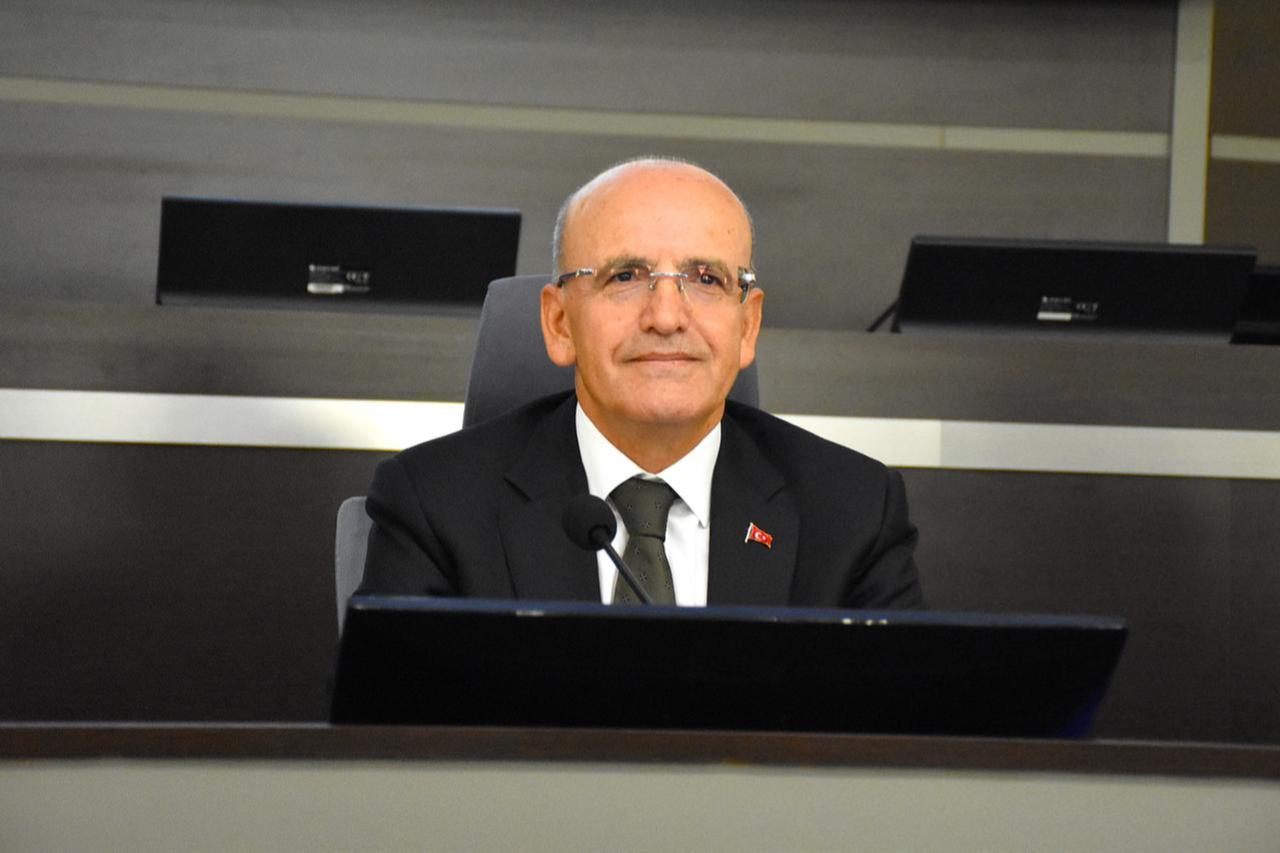
Türkiye’s participation is essential to building a strong Middle Corridor and expanding regional digital, energy and trade links, European Union Enlargement Commissioner Marta Kos said on Tuesday, underscoring Ankara’s importance in the bloc’s connectivity agenda.
Speaking before the opening of the high-level Connectivity Agenda Platform event in Brussels, Kos welcomed the participation of Turkish Transport and Infrastructure Minister Abdulkadir Uraloglu and pointed to ongoing engagement between EU and Turkish officials.
"I cannot imagine having a strong Middle Corridor and all these digital, energy and trade connections without Türkiye’s strong participation," Kos said.
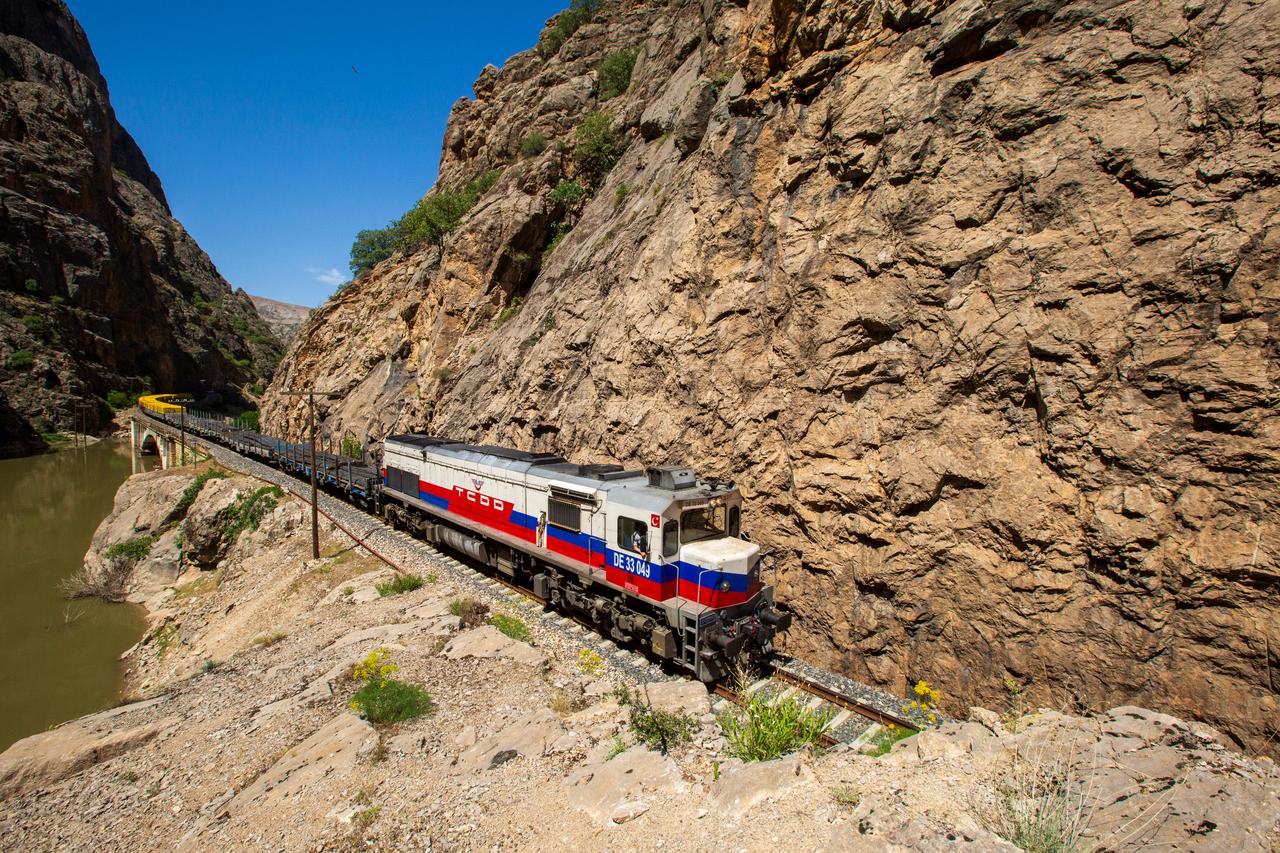
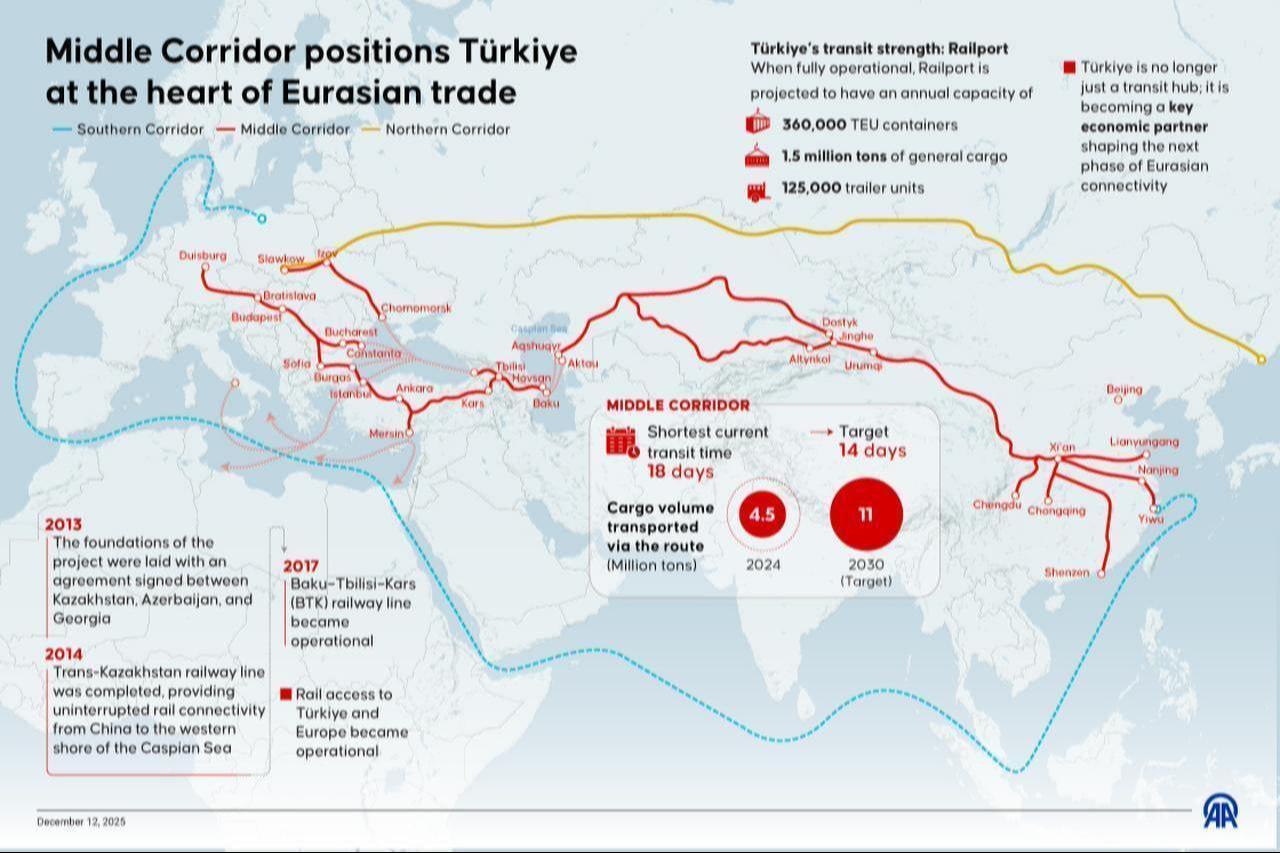
The Middle Corridor, also known as the Trans-Caspian International Transport Route (TITR), is a trade and transport network linking China and Central Asia with Europe through the Caspian Sea, the South Caucasus and Türkiye. The route can cut transit times between China and Europe to around 18 days, positioning itself as an alternative to traditional trade corridors.
Combining rail, road and maritime transport, the corridor has drawn increasing attention from governments and businesses seeking alternatives to routes passing through Russia or congested maritime chokepoints. For the European Union, it offers a way to deepen connectivity with Central Asia and the South Caucasus while diversifying trade links between Europe and Asia.
Kos also revealed that she would meet Turkish officials later on Tuesday and travel to Ankara before the end of the month alongside EU foreign policy chief Kaja Kallas and Commissioner for Internal Affairs and Migration Magnus Brunner.
"There is a lot that can still be done within the connectivity agenda," she remarked.
The EU has received a list of potential connectivity projects from Türkiye’s Foreign Ministry and is now reviewing them together with proposals submitted by other countries, according to Kos.

The commissioner also indicated that cooperation with Türkiye continues despite the lack of progress in the country's EU accession track.
Relations between the two sides are currently moving along separate paths, she noted.
Türkiye has been an official candidate for European Union membership since 1999 and opened accession negotiations in 2005.
However, the accession process has been effectively frozen since 2018, with no new negotiating chapters opened in recent years.
Despite the stalemate in membership talks, Ankara and Brussels have continued to deepen cooperation in several areas. During Kos' visit to Ankara in February, Turkish and EU officials reaffirmed Türkiye's candidate status and called for concrete progress on issues including the modernization of the Customs Union, visa liberalization and the revival of high-level dialogue mechanisms.
The EU remains Türkiye's largest trading partner, while Türkiye is a key partner for the bloc on trade, migration, security, climate and regional connectivity.


 Set as preferred source
 Set as preferred source


 2 min read
 1 min read