Newsletters


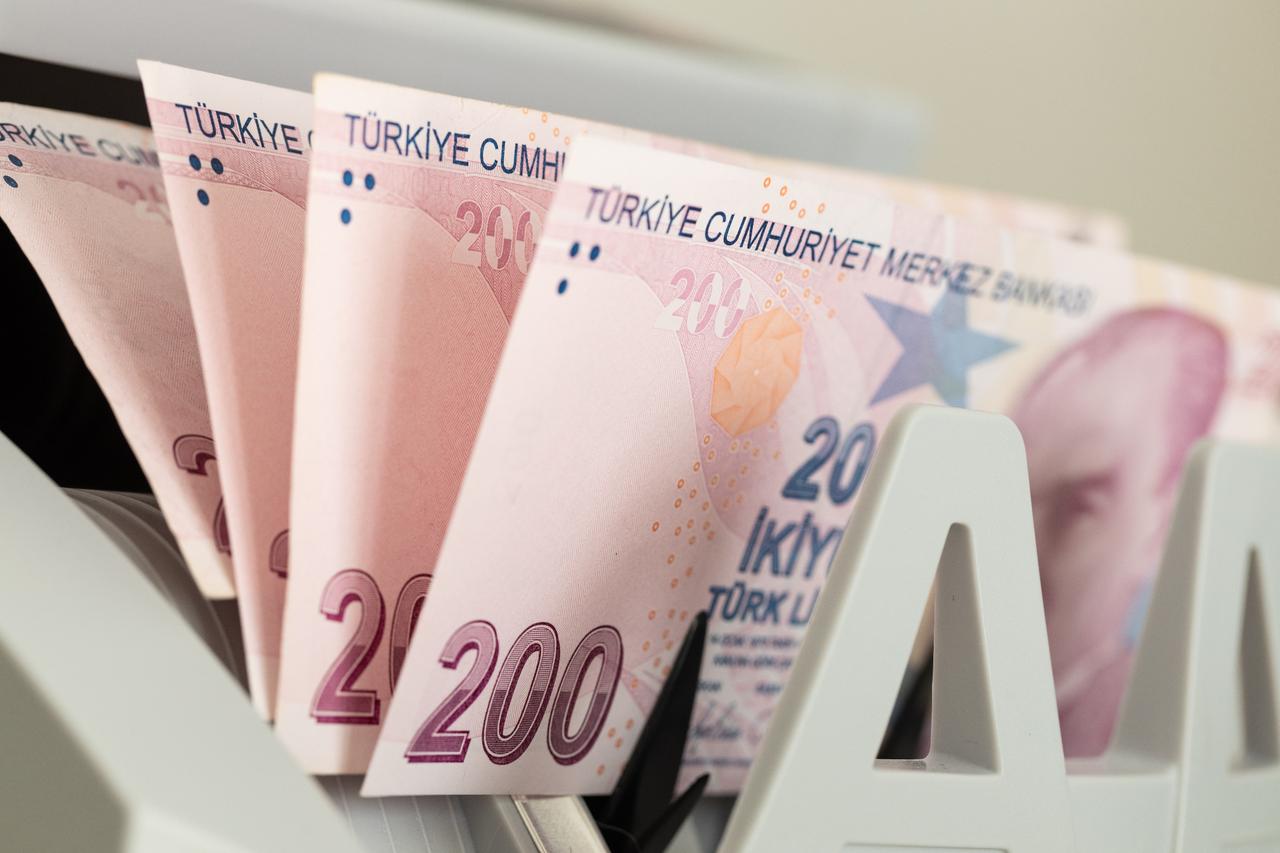


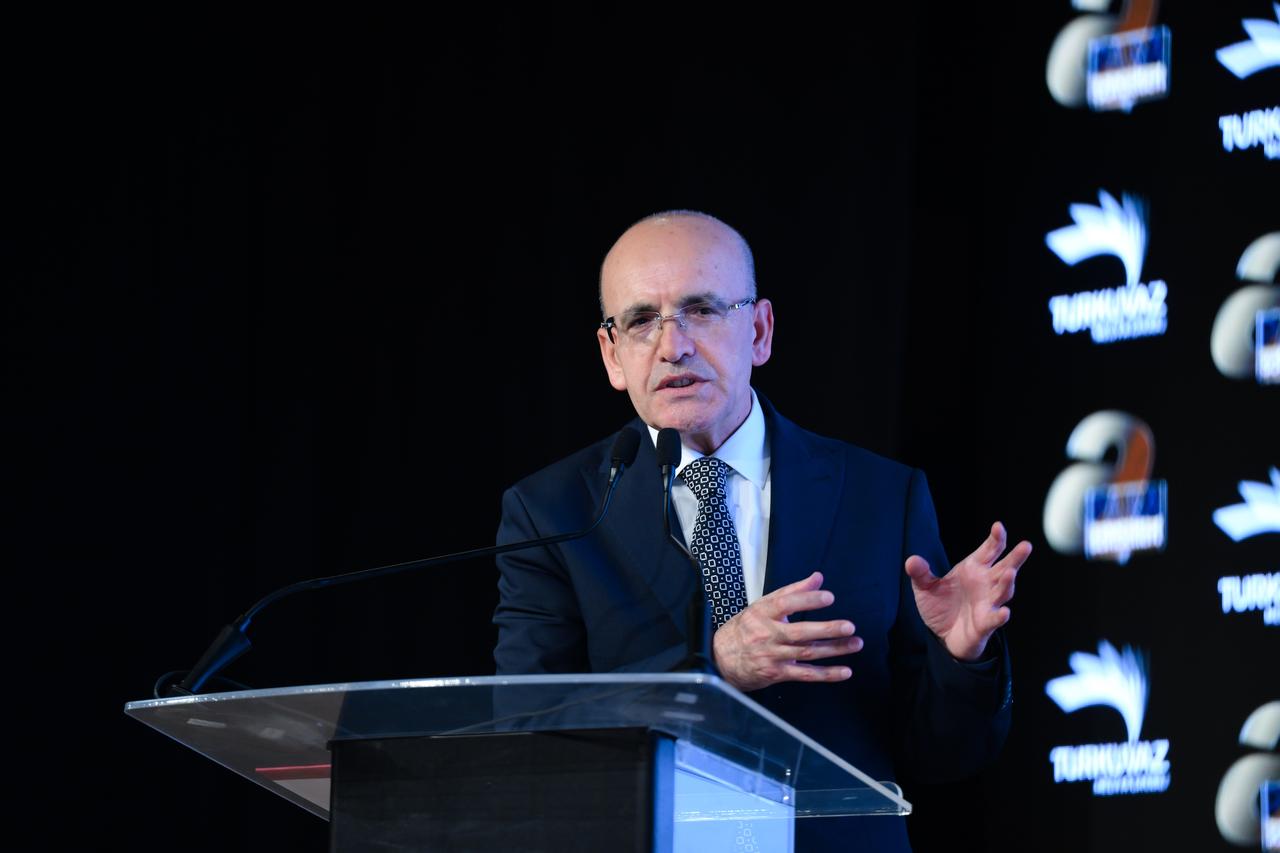
Türkiye's annual inflation is projected to fall into the 20% range by February, when January figures will be released, Treasury and Finance Minister Mehmet Simsek said Thursday, signaling progress in the government's disinflation drive.
"Even with some delay, inflation targets will at least be met at the upper end of the band. Disinflation will continue in 2026,” Simsek said at the fifth Future of Finance Summit in Istanbul.
“If you look at inflation, we went from around 64%-65% over the last three years to 44%. Then this year, it's currently at 31%,” he said. “Next year's target range is between 13%-19%, but the market expects it to be in the 20s. Let me reiterate for next year: barring any additional shocks, we see the upper end of the target range as quite achievable."
Simsek said Türkiye’s broader macroeconomic reform program is focused on reducing inflation to single digits, boosting predictability, balancing the current account, and making those gains permanent.
The finance chief outlined the country’s three-phase structural transformation plan, noting the first stage centered on controlling inflation and stabilizing the market economy.
"The rule-based market economy was largely established in the first phase,” he said. “It was important that inflation did not get out of control. There were many issues such as reserve accumulation and contingent liabilities. We managed those issues in the first year.”
The second phase targets macroeconomic imbalances, while the third focuses on ensuring long-term policy sustainability through structural reforms.

Türkiye’s central bank on Thursday lowered its benchmark one-week repo rate by 150 basis points, from 39.5% to 38%, in line with market expectations, according to a survey conducted by Anadolu Agency.
The decision came after a surprise drop in November inflation, which eased to 31.07%, down from 32.87% in October, marking a four-year low and beating market forecasts.
The bank attributed the inflation improvement partly to an unexpected drop in food prices and noted that the underlying trend of inflation declined slightly in both October and November.
“Quarterly GDP growth turned out higher than projected in the third quarter,” the bank said in its policy statement. “Leading indicators for the last quarter point out that demand conditions continue to support the disinflation process.”
However, the bank cautioned that inflation expectations and pricing behavior still pose risks, even as early signs of improvement emerge.
 1 min read
The Central Bank emphasized that tight monetary policy will be maintained until price stability is secured.
"The tight monetary policy stance, which will be maintained until price stability is achieved, will strengthen the disinflation process through demand, exchange rate, and expectation channels," the bank said.
It added that policy rate decisions will be made in alignment with inflation developments, targeting the medium-term inflation goal of 5%.
“The (Monetary Policy) Committee will make its policy decisions so as to create the monetary and financial conditions necessary to reach the 5% inflation target in the medium term,” the statement read.
The central bank raised its policy rate from 8.5% to 50% between May 2023 and March 2025. After holding the rate steady for several months, it began a series of rate cuts in late 2024.
In December 2024, the bank lowered the rate by 250 basis points to 47.5%, followed by cuts in January and March to 42.5%. In April, it reversed course with a surprise 350-basis-point hike to 46%.
After holding steady in June, the bank cut the rate to 43% in July, followed by successive cuts in August (to 40.5%), September (to 39.5%), and now October (to 38%).


 Set as preferred source
 Set as preferred source


 1 min read