Newsletters


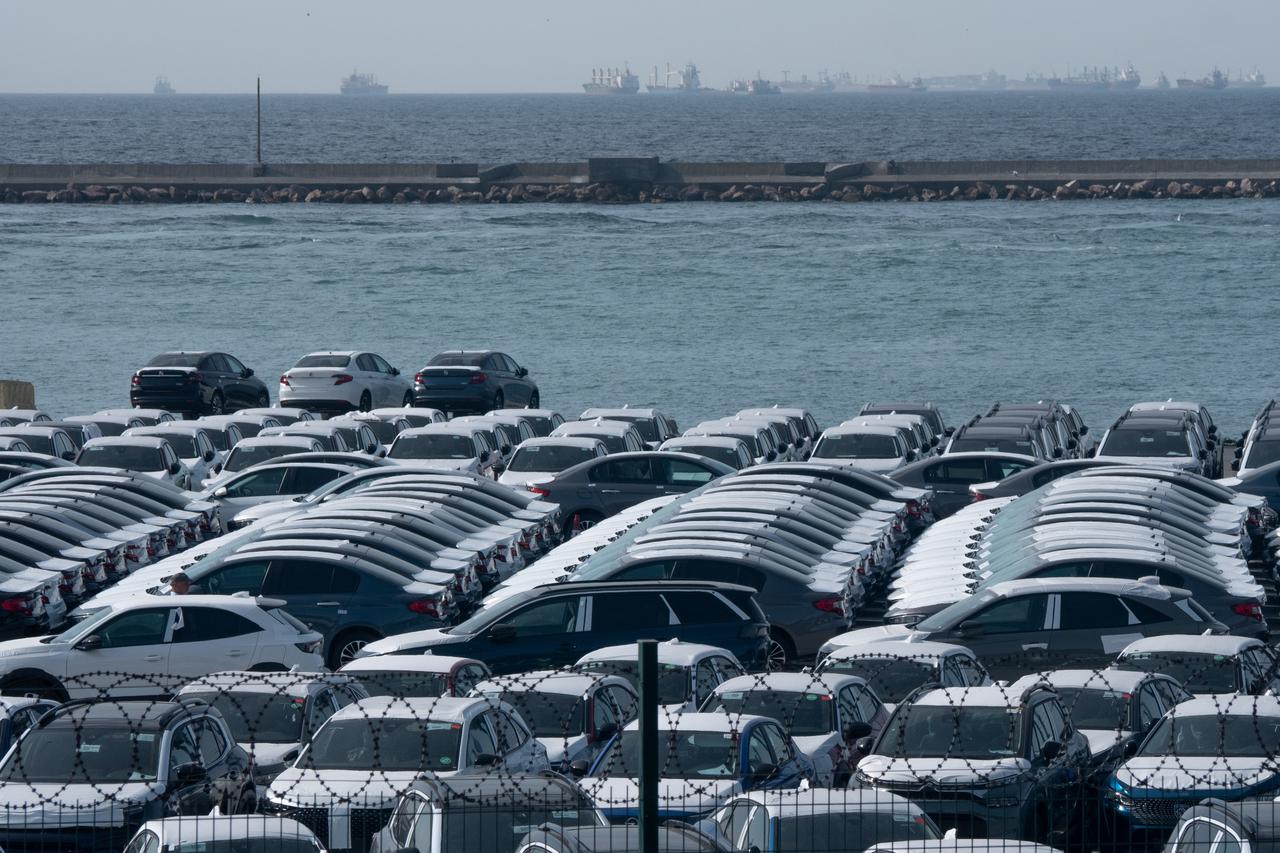


Türkiye’s automotive exports fell 17% year over year to 64,725 units in January, even as the sector generated about $3 billion in overseas revenue and retained its position as the country’s leading export industry.
Passenger car exports led the decline, falling 28% year over year, while commercial vehicle exports slipped 1% and tractor exports dropped 5% to 700 units, the Automotive Industry Association (OSD) reported.
The automotive sector began 2026 following a record year in 2025, when exports increased 12% to about $41.5 billion and shipment volumes rose 4% to 1.05 million units.
In value terms, passenger car exports dropped 12% to $763 million. During the same period, exports from vehicle manufacturers declined 2% in dollar terms, while shipments from automotive suppliers increased 4%.
According to figures from the Turkish Exporters Assembly, the automotive industry accounted for 17% of Türkiye’s total exports in January, maintaining its position as the country’s top export sector.
Despite the weaker start to the year, the automotive industry continues to play a central role in Türkiye’s export structure and overall manufacturing activity, as the country’s total exports reach $20.3 billion in January, down 3.9% year over year, while cumulative exports over the past 12 months stand at $272.5 billion.
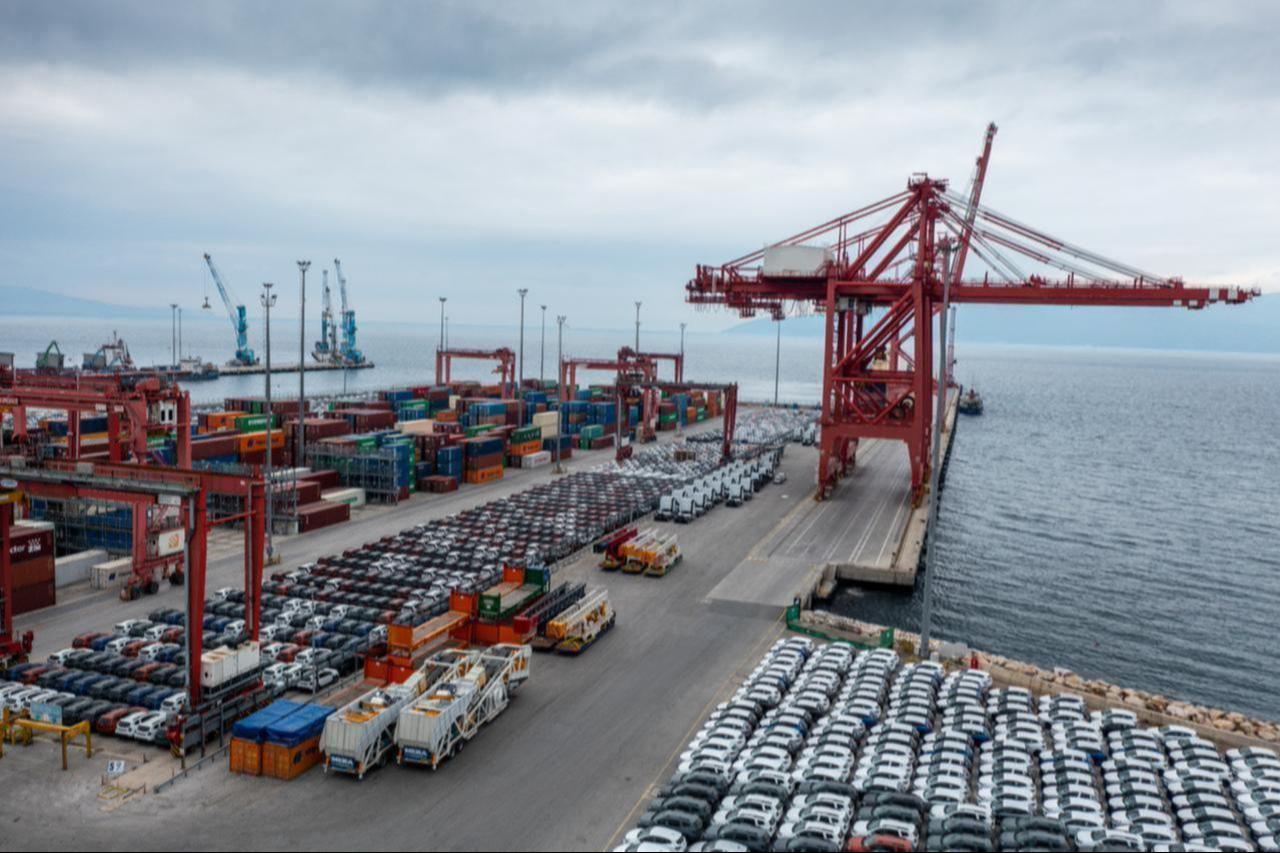

Total vehicle production fell 5% year over year to 99,247 units in January, while passenger car output dropped 17% to 55,504 units. Including tractors, total production reached 100,864 units.
Commercial vehicle production rose 16%, driven by a 14% increase in light commercial vehicles and a 47% jump in heavy commercial vehicles.
Capacity utilization across the sector stood at 56%, including 57% for passenger cars and light commercial vehicles, 44% for trucks, 63% for buses and midibuses, and 26% for tractors.
Domestic demand increased during the same period, with total vehicle sales rising 10% to 77,590 units. Passenger car sales grew 9% to 61,055 units, while the commercial vehicle market expanded 14%, including gains of 13% in light commercial vehicles and 23% in heavy commercial vehicles.
Locally produced models accounted for 37% of passenger car sales and 25% of light commercial vehicle sales.


 Set as preferred source
 Set as preferred source


 1 min read
 1 min read