Newsletters


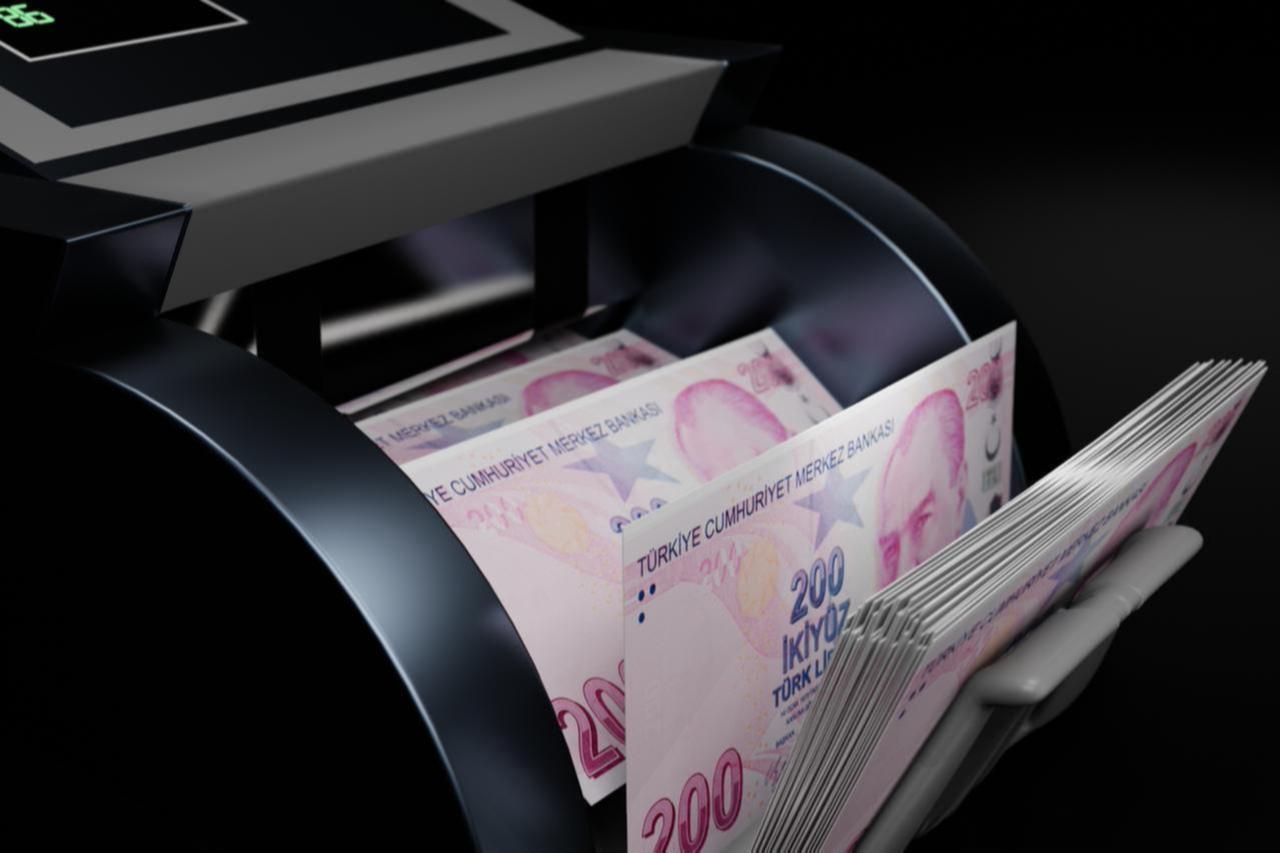


Cheap access to offshore Turkish lira loans has drawn the attention of Turkish authorities after a surge in transactions by local lenders to secure low‑cost funding abroad, as the Banking Regulation and Supervision Agency (BRSA) warned banks to curb such practices, Bloomberg reported on Tuesday.
According to people familiar with the matter, the BRSA sent a formal notice to domestic banks this week, urging them to stop engaging in synthetic swap transactions, a type of deal that enables banks to obtain lira funding offshore at rates below Türkiye’s benchmark interest rate at 37%.
The regulator’s warning follows a series of high-level meetings between Türkiye’s central bank and finance ministry officials and international investors in London and New York. During these meetings, officials raised concerns over the rising use of such transactions and their potential to undermine monetary policy goals, the report suggested.
In synthetic swap deals, Turkish banks sell foreign currency to offshore counterparties and simultaneously engage in local FX transactions that allow them to repurchase the same hard currency. This setup lets them access lira abroad at around 30%, implying a huge spread over 7%, Bloomberg data shows.
Because these transactions are not formally recorded as swaps, they fall outside of existing limits imposed by Turkish authorities. The structure has raised concerns among policymakers because it enables banks to sidestep restrictions on offshore swap volumes, creating a backdoor funding channel that can weaken domestic monetary tightening.
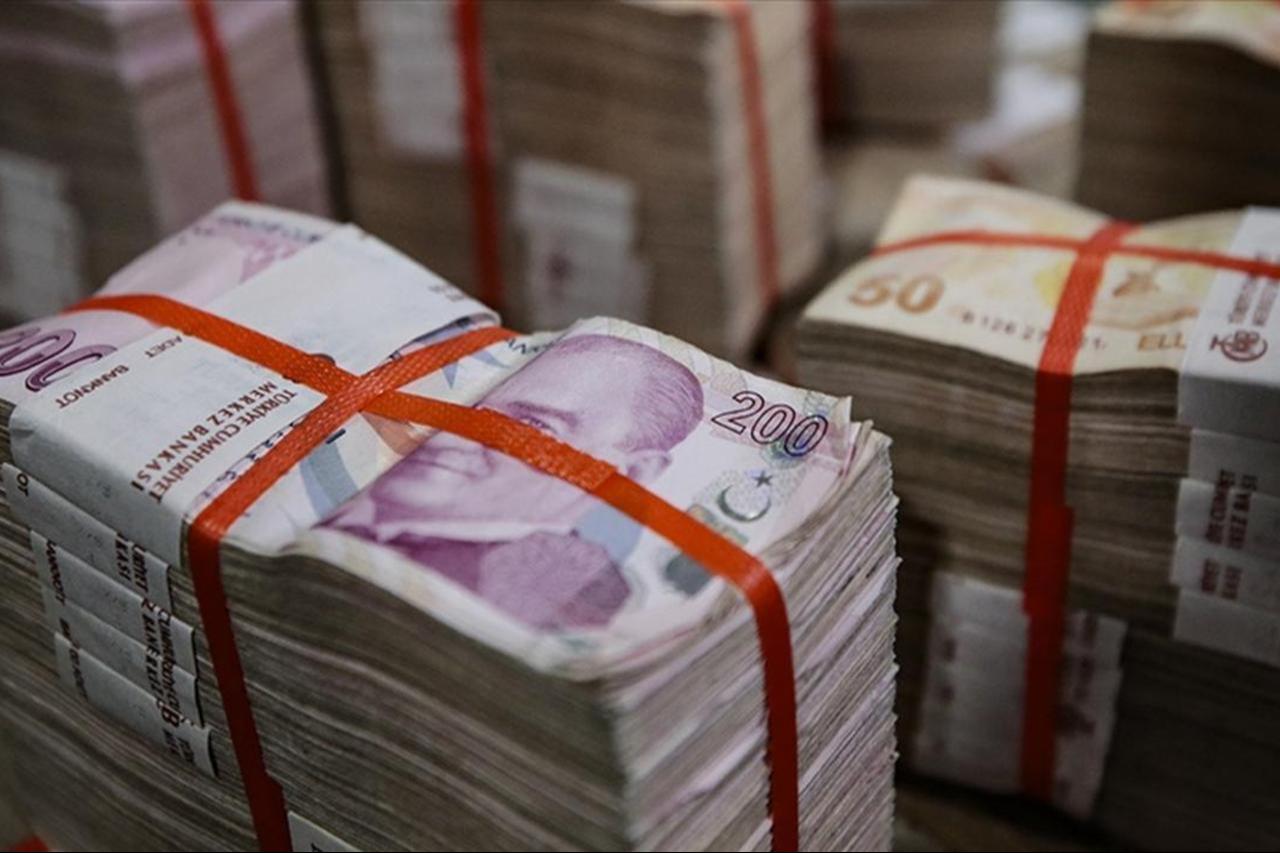

On the other hand, the practice also fuels the offshore lira carry trade, a strategy in which investors borrow low-yielding currencies to invest in high-yielding lira positions, often through forwards. The carry trade, while attractive to foreign investors due to Türkiye’s high interest rates, poses a risk of sharp reversals that could inject volatility into local markets.
Carry trade volume in Türkiye rose to around $59.77 billion as of the week ending Jan. 16, according to the calculations based on official figures.
In an official move to slow carry trade inflows into Turkish assets, the Central Bank of the Republic of Türkiye (CBRT) raised reserve requirement ratios on offshore Turkish lira loans last week. According to the measure, reserve requirements on lira-denominated external borrowings were raised by 2 percentage points to 20% for maturities up to one month, 16% for up to three months, and 14% for up to one year.


 Set as preferred source
 Set as preferred source


 1 min read
 1 min read