Newsletters


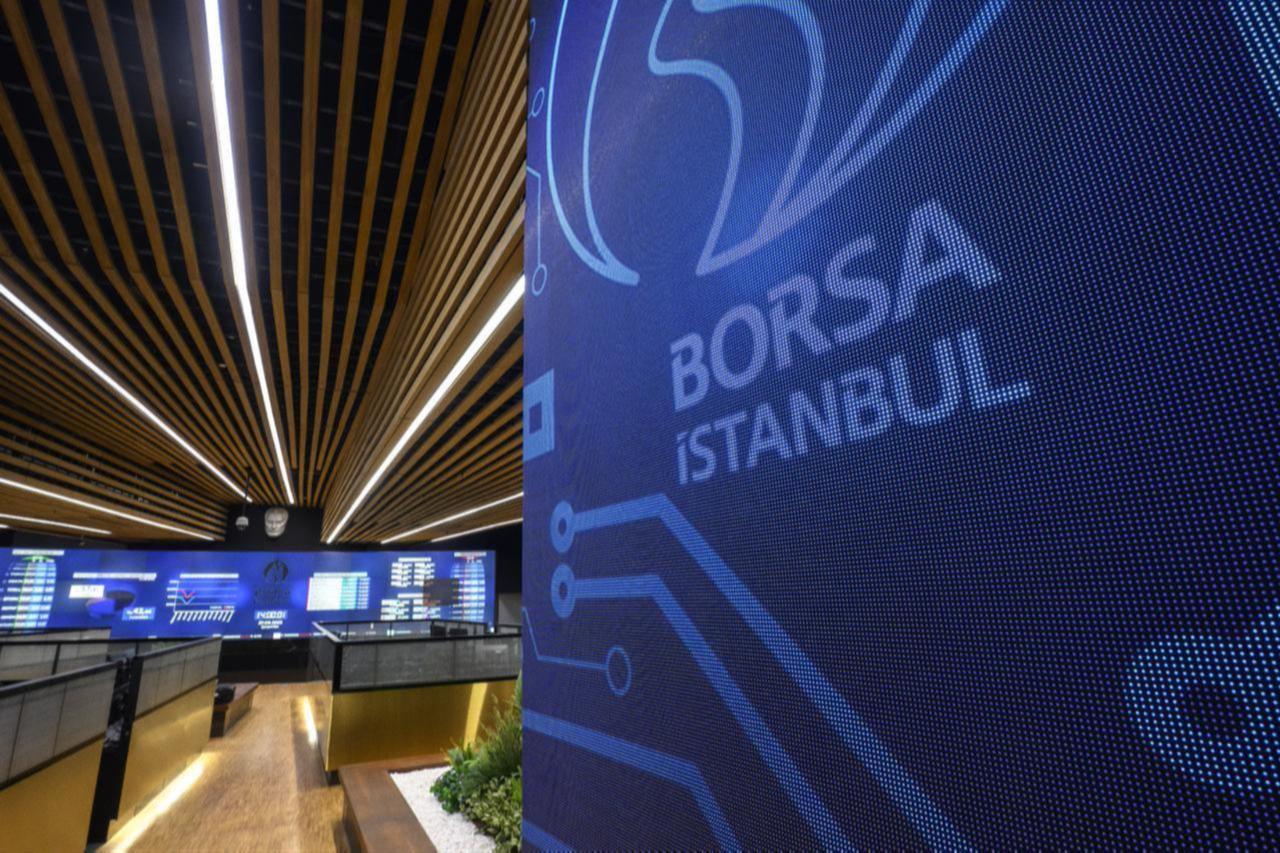


Türkiye's benchmark stock index shattered its all-time record on Thursday, blowing past the 14,000-point barrier for the first time in its history as a rally in banking shares and growing confidence in the central bank's inflation strategy fueled broad-based buying across the market.
The Borsa Istanbul BIST 100 index closed at 14,180.48 points, a gain of 392.66 points or 2.85 percent from the previous session. The index touched an intraday high of 14,196.85 before pulling back slightly into the close. The BIST 30, which tracks the exchange's largest companies, posted an even stronger session, surging 3.89 percent to finish at 15,684.58.
The breakout capped a remarkable start to the year for Turkish equities. The BIST 100 opened 2025 at 11,261.52 points and finished January at 13,838.29, delivering returns of nearly 23 percent in a single month, its best January performance since 1997. The buying momentum has carried into February with no signs of slowing.
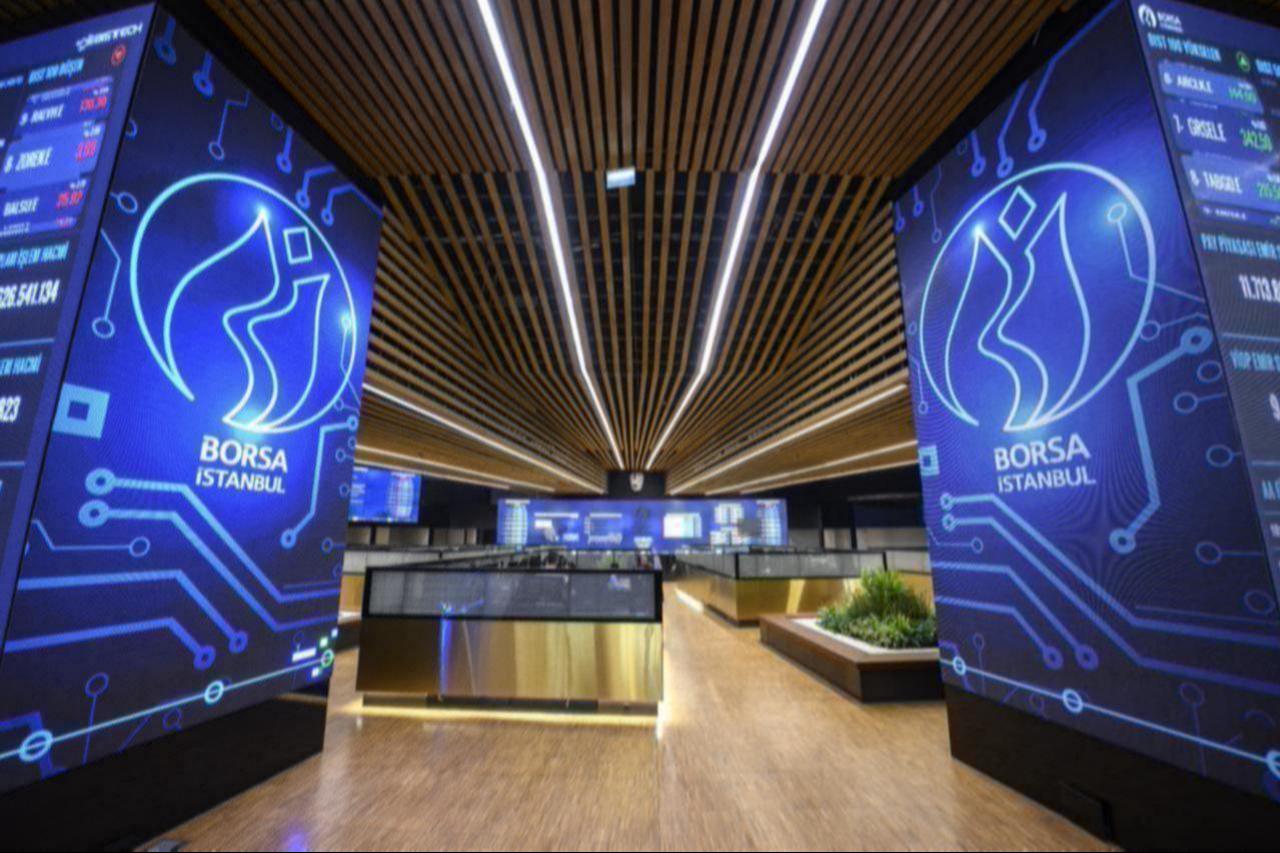

Thursday's gains were led decisively by the banking sector, whose index jumped 6.96 percent on the session, far outpacing every other industry group. The financial sector index rose 3.06 percent, while industrials gained 2.61 percent, technology added 2.49 percent, and services climbed 1.44 percent. Of the 100 stocks in the benchmark, 93 closed higher and only five declined. Turkish Airlines, Turkiye Is Bankasi, Akbank, Koc Holding, and Sasa Polyester were among the most actively traded names.
Total trading volume on the exchange reached 274.6 billion liras, roughly $6.3 billion, underscoring the breadth of participation in the rally. The total market capitalization of the BIST 100 stood at approximately 14 trillion liras, or $322.3 billion.
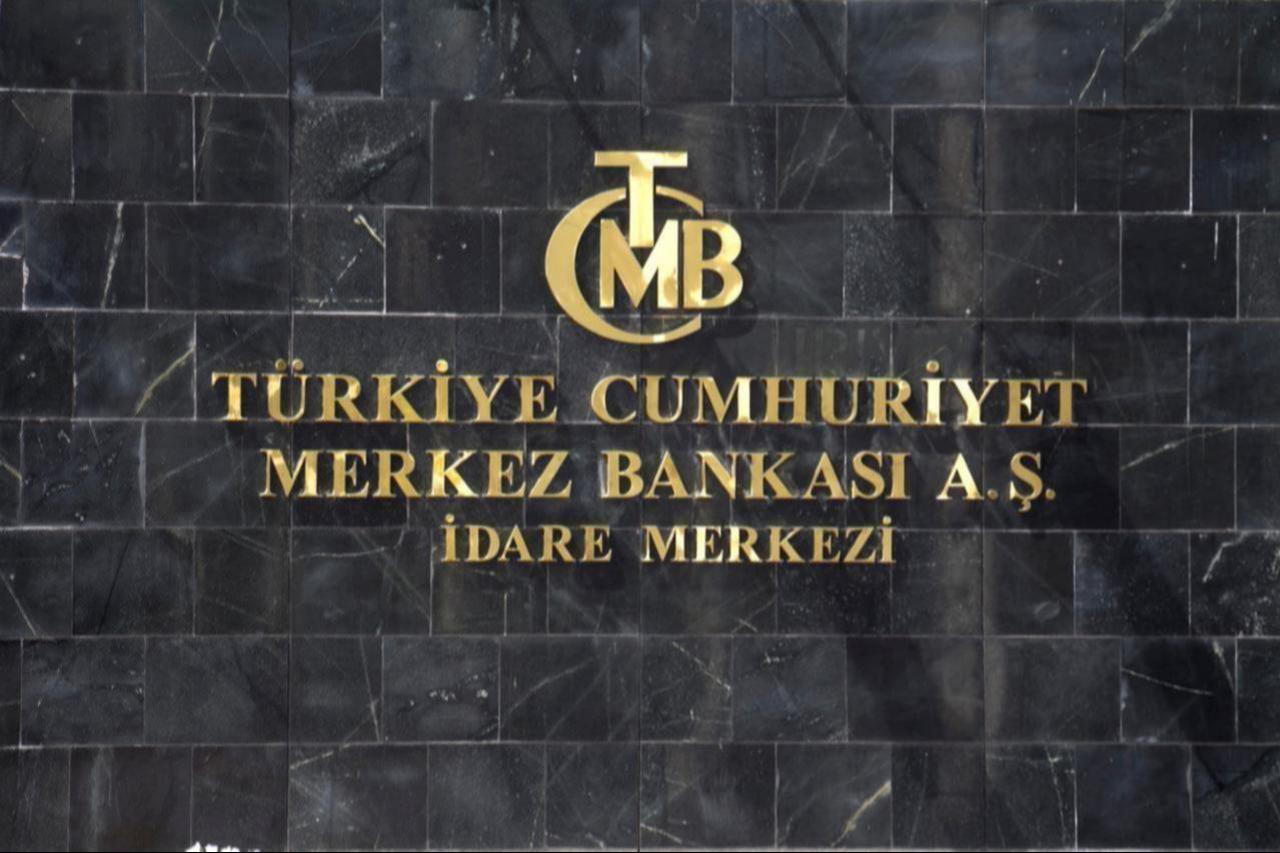
The catalyst for Thursday's breakout was the Central Bank of the Republic of Türkiye's inflation report briefing, where Governor Fatih Karahan laid out a set of forecasts that analysts interpreted as a signal the bank would maintain a cautious approach to monetary easing.
Karahan told reporters that the bank projects inflation will fall to between 15 and 21 percent in 2026, declining further to a range of 6 to 12 percent by the end of 2027. The interim inflation targets were kept at 16 percent for 2026 and 9 percent for 2027, with a new 2028 interim target set at 8 percent.
Markets read the forecasts as an indication that the central bank is unlikely to accelerate the pace of its interest rate cuts, a development that proved particularly bullish for bank stocks. Higher lending rates for a longer period tend to support banking sector profitability.
Ozlem Derici Sengul, an economist and founding partner at Spinn Danismanlik, said the central bank's tone was a key driver of Thursday's move. "The central bank signaled at today's meeting that it will not cut rates too quickly," she said, adding that this was "positive for the banking sector" because it implies credit rates will remain elevated, supporting bank margins.
Sengul noted that the interest rate cutting cycle has been motivating domestic investors to rotate out of deposits and into equities. "We are seeing the rate-cut process motivate retail investors, in terms of shifting from deposits into stocks," she said, while also observing that foreign participation in the market is gradually building after a year in which the index traded under pressure partly due to limited overseas interest. Despite cheap valuations, she said, "we had not seen sufficient demand from either domestic or foreign investors" until recently.
Ismet Demirkol, founder of Pariterium Danismanlik, said the revisions in the central bank's inflation report raised the probability that policymakers could skip a rate cut at their March meeting. He argued that the continuation of tight monetary policy would support the lira's value, reduce currency risk, and sustain the upward trend in equities. Strong expectations that the central bank will take the necessary steps to support the disinflation process, he said, are giving the market confidence.
Sengul pointed to several factors, including the ongoing fight against inflation, the prospect of continued rate cuts over the medium term, sustained foreign inflows, and strengthening central bank reserves, as elements that should continue to support corporate earnings and market sentiment. Brokerage forecasts now project the BIST 100 could reach the 15,000 to 16,000 range, she noted, but cautioned that "the market has come here on a very fast rally" and that even though "there is still further to go, this move is already significant."
Analysts identified 14,300 and 14,400 points as the next resistance levels for the BIST 100, with support seen at 14,000 and 13,900.
On the macroeconomic front, the central bank's total reserves fell by $10.676 billion in the week of February 6 to $207.482 billion, a data point that will be closely watched alongside Friday's releases of the current account balance and a market participants survey domestically, as well as eurozone growth figures and U.S. inflation data abroad.
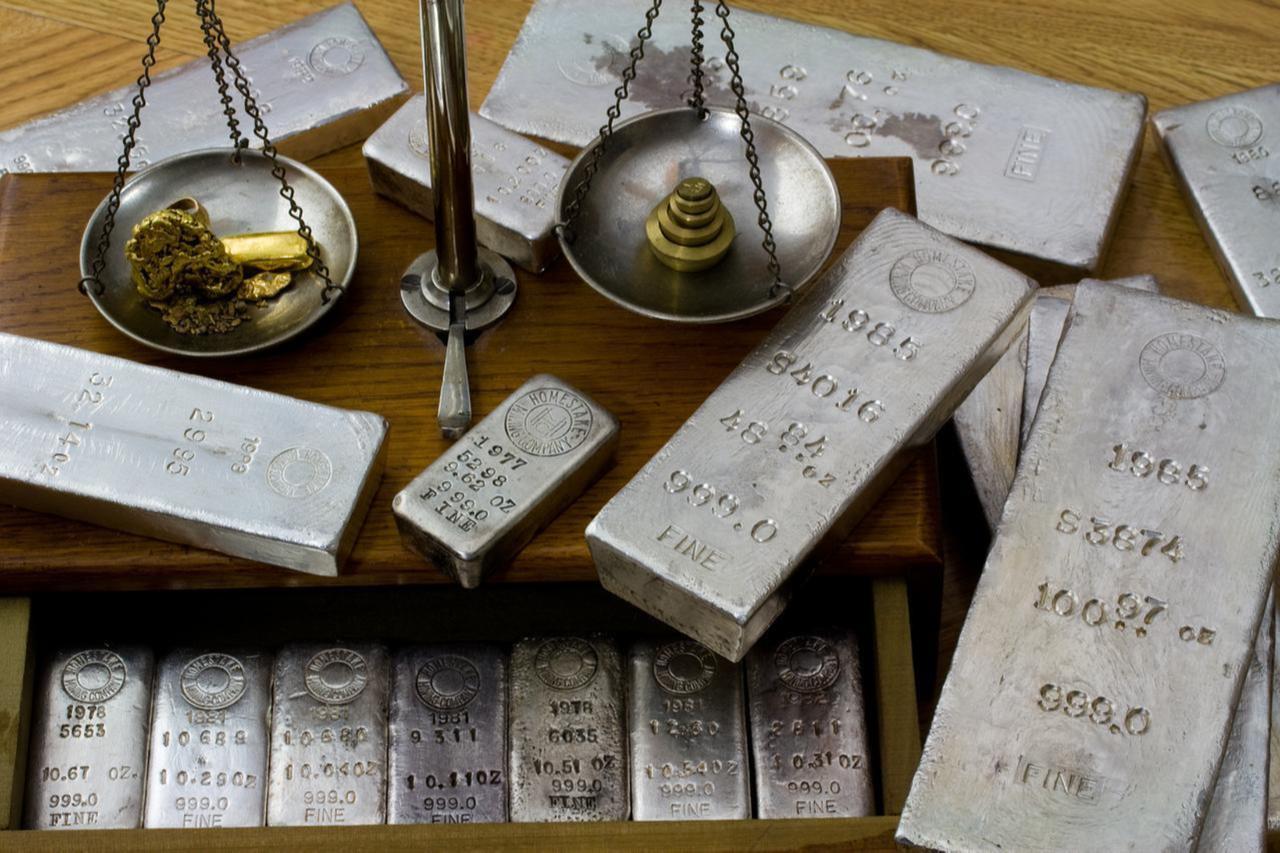
In commodity markets, gold traded at $5,071 per ounce on international markets as of 6:30 p.m. local time, while the kilogram price of standard gold on Borsa Istanbul's gold market slipped 0.6 percent to 7.31 million liras. Brent crude fell 1.6 percent to $68.30 per barrel.
On the currency front, the central bank set the dollar's effective exchange rate at 43.5397 liras on the buy side and 43.7142 on the sell side, virtually unchanged from the previous session. The euro traded at a parity of 1.1886 against the dollar, while sterling stood at 1.3668 and the dollar/yen pair was at 152.921.
The benchmark government bond maturing in July 2027 posted a simple yield of 33.07 percent and a compound yield of 35.81 percent.


 Set as preferred source
 Set as preferred source


 1 min read

 1 min read