Newsletters


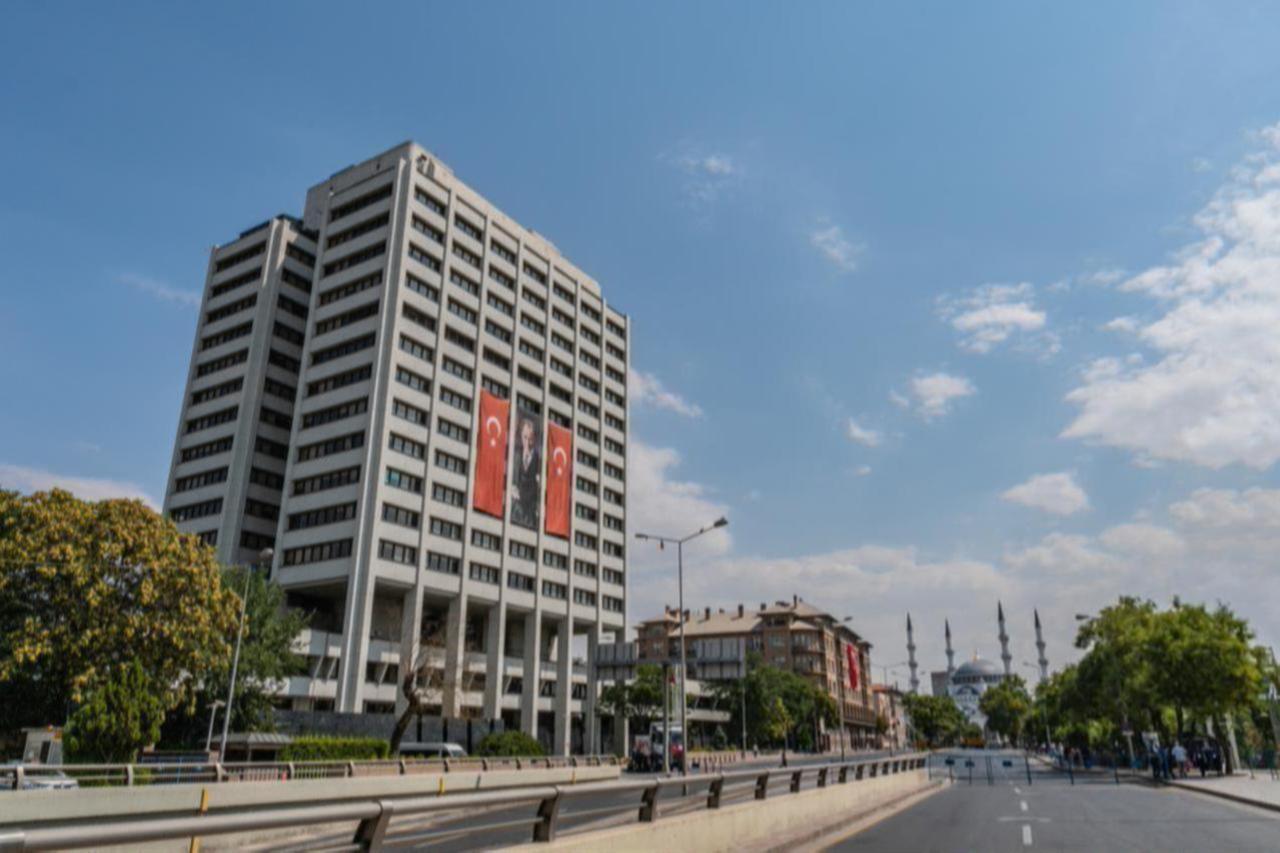


The Central Bank of the Republic of Türkiye (CBRT) on Tuesday launched foreign exchange (FX)-for-Turkish lira swap transactions, opening three seperate auctions combining $10 billion as part of efforts to ease pressure on the lira amid the Iran conflict.
The auctions include one $5 billion one-week auction dated March 31 and two $2.5 billion auctions dated April 1, marking the central bank’s first dollar-for-lira swap operations since March 2025.
The move comes as rising geopolitical tensions in the Middle East increase global market volatility and push energy prices higher, adding pressure on Türkiye’s inflation and driving capital outflows. Rising oil prices have also strengthened the U.S. dollar globally, further weighing on the Turkish lira.
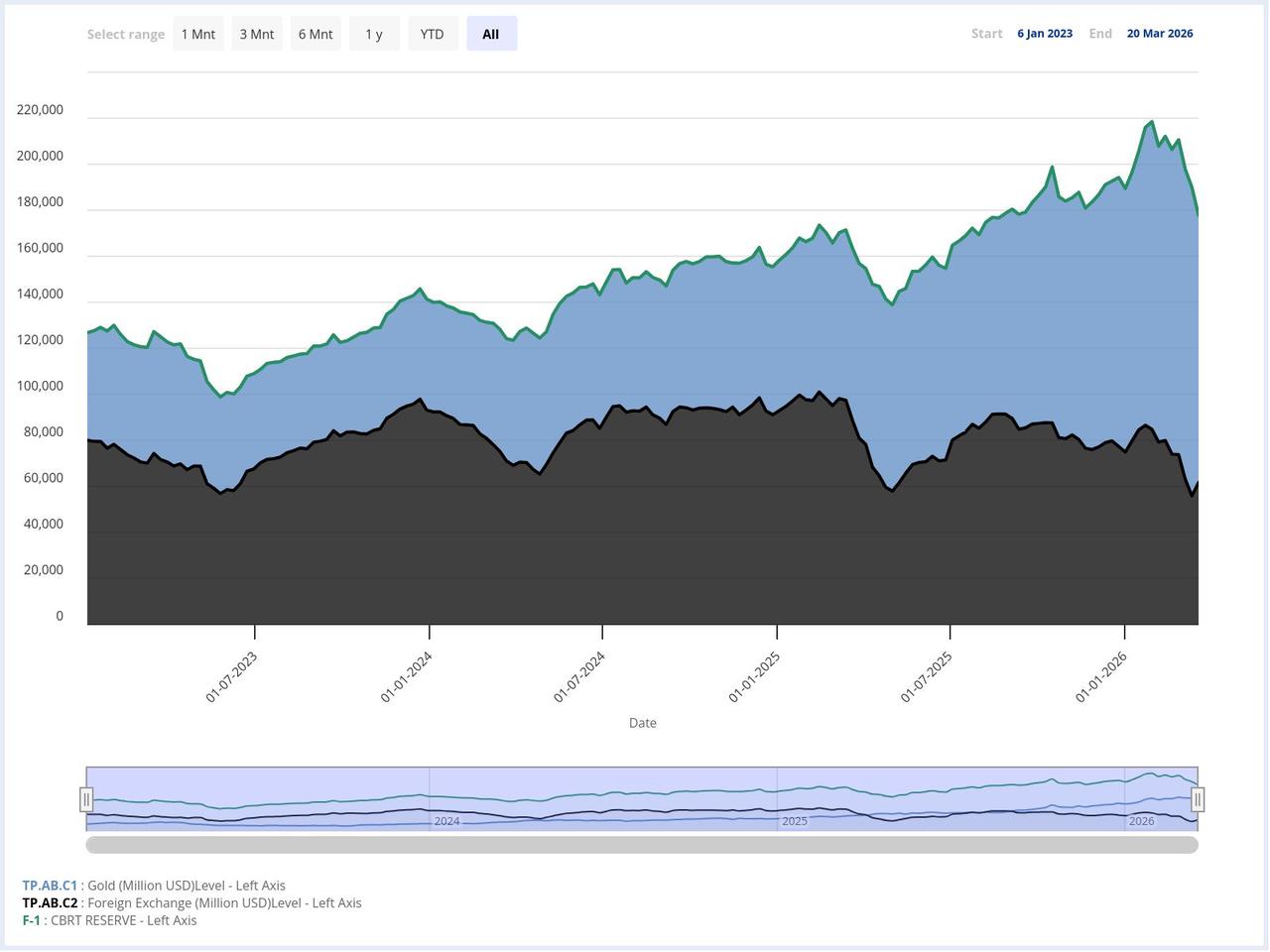
To shield the currency from shocks, the central bank has provided U.S. dollar liquidity from its reserves, while also drawing on gold holdings—worth $135 billion before the war—through dollar-for-gold swap transactions and partial sales.
The measures were effective in keeping the U.S. dollar–Turkish lira exchange rate steady, as it rose only 1.3% in March.
During the first three weeks of the conflict, the bank offloaded a net $35 billion from its reserves, bringing swap-excluded reserves down to $43 billion.
Governor Fatih Karahan told Anadolu Agency the central bank is using FX swaps and gold-based transactions to limit the conflict’s economic impact, adding that renewed swap demand signals no FX liquidity shortage and a functioning exchange rate regime.
He said gold now accounts for over 60% of total reserves as of March 2026, making it a key liquidity tool, and stressed such operations should be assessed in terms of financial stability, not profit.

Karahan warned that rising energy prices are driving cost-based inflation, with a permanent 10% increase in oil prices expected to add about 1.1 percentage points within a year, though government measures have helped limit the impact.
Türkiye’s inflation rose 31.5% in February after consecutive months of decline, largely driven by a seasonal supply shock that pushed up food prices in January and February. The war’s impact on inflation will become clearer on Friday, April 3, with the release of monthly data by the Turkish Statistical Institute (TurkStat).
He added that the same increase could reduce growth by 0.4 to 0.7 percentage points, while any deterioration in the current account is expected to remain manageable despite higher energy costs and weaker external demand.
CBRT Deputy Governor Osman Cevdet Akcay said the bank’s recent actions have been "proactive and appropriate," adding that authorities are evaluating measures on a daily basis and are prepared to take additional steps if needed.
He emphasized that policy decisions should be viewed as part of a broader package rather than isolated actions, noting that global uncertainty and regional developments could pose risks that affect economic fundamentals.


 Set as preferred source
 Set as preferred source


 2 min read

 1 min read