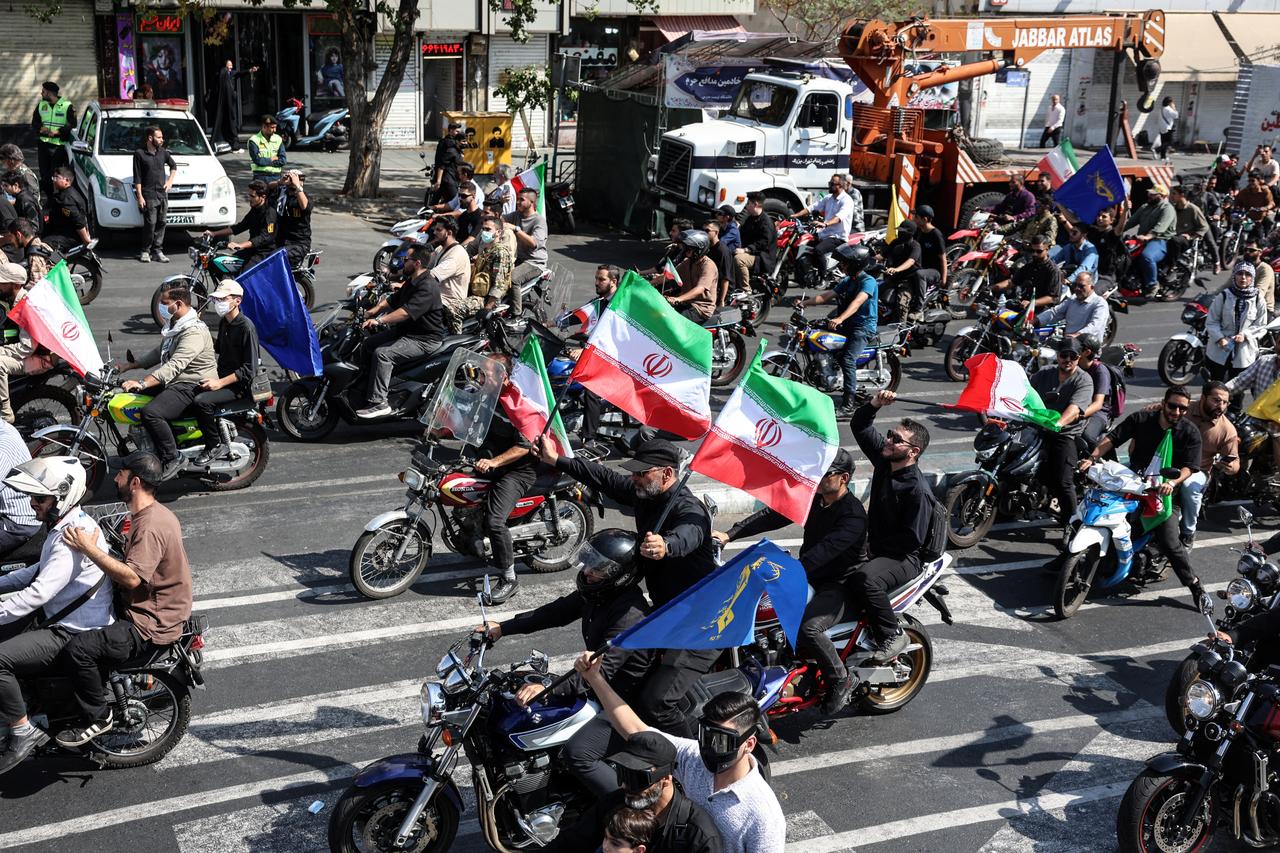
The outbreak of the Gulf war presents clear economic, political and security risks to Türkiye.
Despite recent and relatively successful efforts to diversify the economy, it is still largely dependent on energy imports. Higher energy prices will impact the Turkish economy by widening trade and current account deficits, putting pressure on foreign exchange (FX) reserves and the Turkish lira, and adding to inflationary pressures.
The rough rule of thumb is that each $10 a barrel increase in the oil price adds $3 billion to the current account deficit, and adds around 1.2% to inflation. If oil prices remain around the current levels, this could push the current account deficit higher by around $10-12 billion and add 4-5 points to inflation.
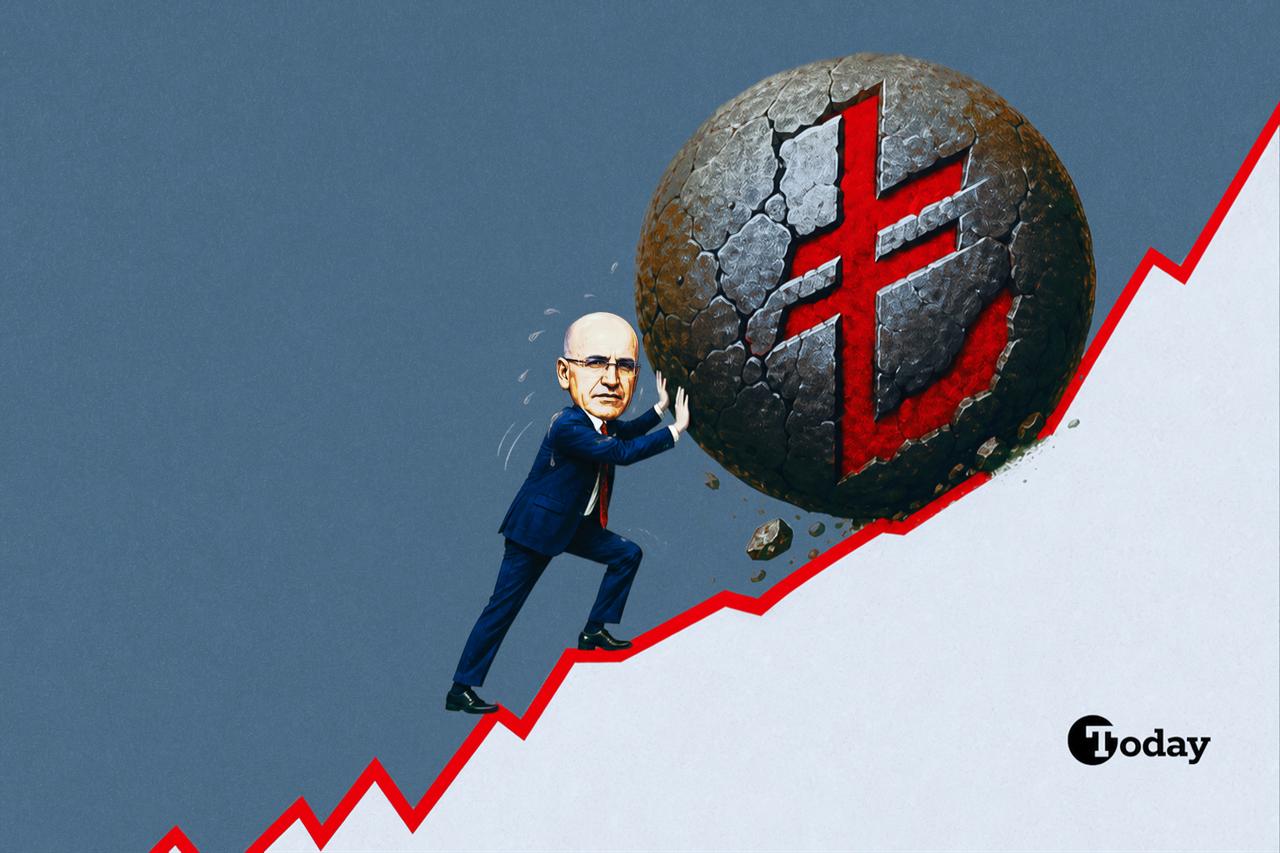
Keep in mind that the current account deficit was already projected to exceed $30 billion this year, while inflation has remained stuck at around 30%. This development will only make the tasks facing the Treasury and Finance Minister Mehmet Simsek, the Governor of Central Bank Fatih Karahan, and the Central Bank of the Republic of Türkiye (CBRT) even more challenging. Additionally, several uncertainties on the economic front could cause additional strain.
Importantly, this is no longer just about oil and energy. Over the past two decades, Gulf states have diversified their economies through ambitious “vision” development programs and are now deeply embedded in global supply chains—from fertilizer to helium, as well as logistics more broadly. As a result, this could mean higher import prices for Türkiye and widespread supply disruptions, potentially weighing on the economy across multiple fronts.
While much has been made of the CBRT’s FX reserves approaching record highs of nearly $200 billion, a significant share of these holdings is in gold and has been boosted by valuation effects.
However, heightened geopolitical risks have revived the dollar’s appeal as a safe haven, leading to a decline in gold prices—and, in turn, a reduction in the value of the CBRT’s gold reserves.
There was a well-grounded hope that the country would see some progress on the Kurdish peace process front. This development would bring significant gains from reduced broader risk perception, improved relations with key neighbors, and economic recovery and reconstruction wins.
Simsek has spoken about a peace windfall worth tens of billions of dollars, a prospect that once appeared realistic but looks less so now if Iran unravels into civil war and acquires failed-state status.
Nevertheless, Türkiye still has some key strengths.
First, it is fortunate that Simsek and the team executed a 180-degree pivot in monetary policy, reversing the unorthodox 2023 policy. Markets appear to place considerable trust in Simsek, Karahan and their colleagues.
There is a belief in the markets that if the lira comes under pressure via higher energy prices, weakening the balance of payments, Simsek and his team will respond appropriately.
The expectation is that they will use FX reserves initially to assure macro financial stability until it is clear whether the crisis and its effects will endure. If it is clear that a more permanent shock to the economy is on the horizon, the CBRT should conserve FX reserves, allow the lira to weaken, and then use higher policy rates to counter any inflationary impacts. This pretty orthodox response should help stem capital flight both from locals and foreigners.
Second, the hefty buffer of FX and gold reserves will certainly help, as will the much lower stock of foreign portfolio investments. Recent CBRT FX intervention has allowed these funds to be gradually drawn down and to exit smoothly.
If the CBRT continues to act in a credible and orthodox way, these funds will return.
Third, Türkiye benefits from well-established structural anchors. Its banking sector—and the professionals who run it—ranks among the strongest in emerging markets: profitable, well-capitalized, and effectively managed. Public finances are in good order, with a low public sector debt/gross domestic product (GDP) ratio of less than 30% and a budget deficit this year likely around 3% of GDP, much lower than most of its European peers.
Türkiye also has a young, dynamic, and entrepreneurial population and business culture. It is stress-tested, durable, and used to operating in difficult geopolitical settings—even benefiting from those, as with the war in Ukraine and both prior Gulf Wars.
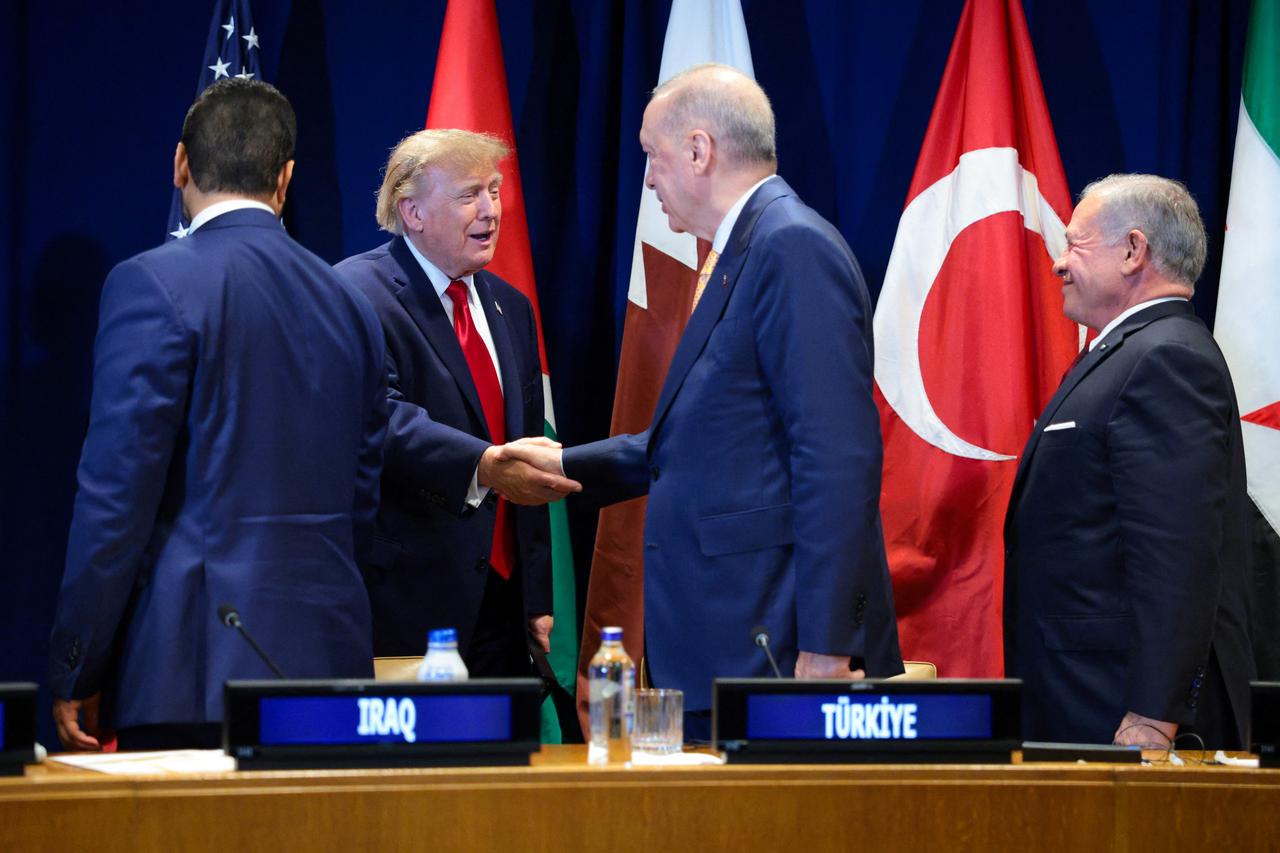
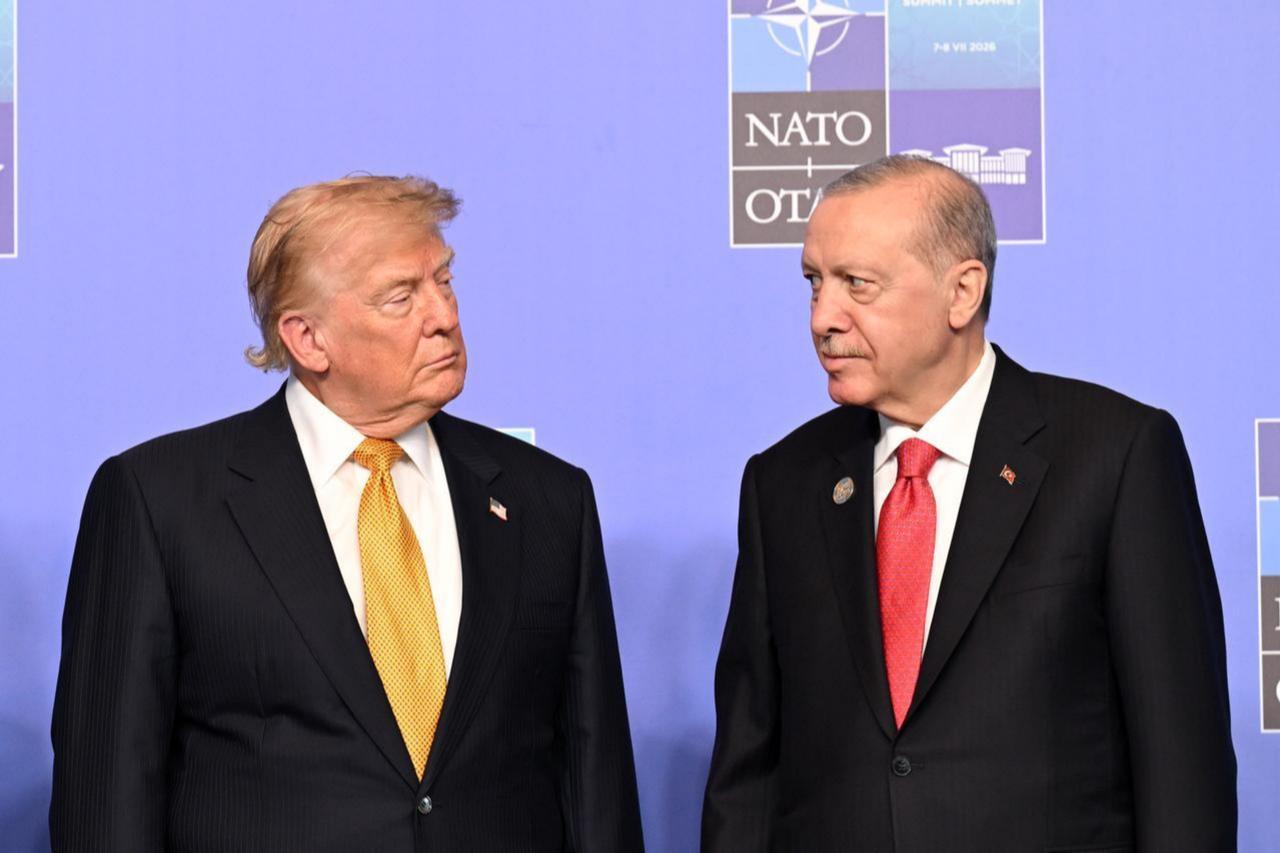
Third, and perhaps more controversially, many Turks across the political spectrum may bristle at this, but—like it or not—Erdogan is a highly astute geopolitical operator. He may be able to leverage Türkiye’s relationships with Iran, Trump and Russia to help the country navigate the current turbulence.
Moreover, for the first time in many years, Türkiye benefits from improved ties with a wide range of counterparts—its neighbors, Europe, the Gulf states, Egypt, Syria and the United States. Its diplomatic efforts to help de-escalate what some are calling “Gulf War III” could earn it international credit and, if necessary, even unlock financial support.
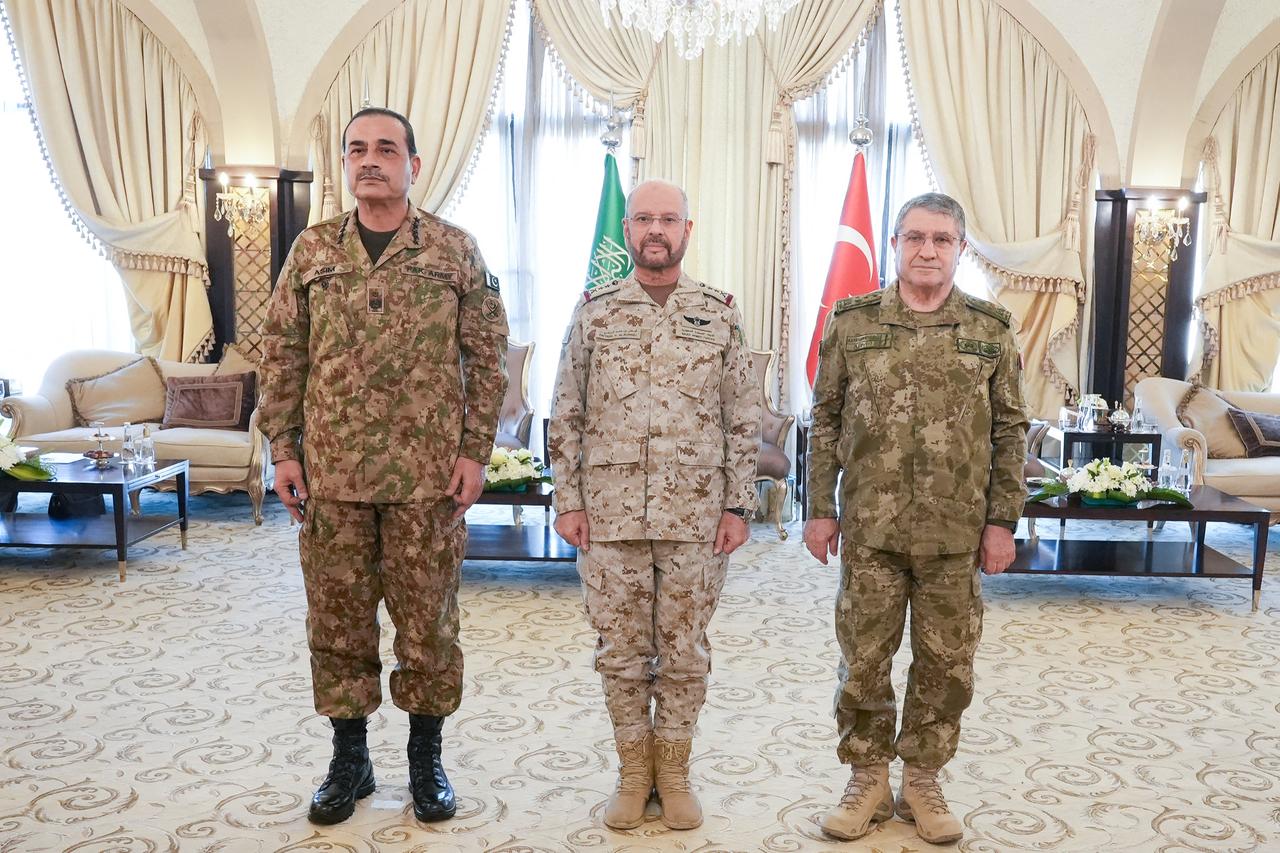
Türkiye has geopolitical assets to bring into play and leverage—its military capability and diplomatic reach.
Fourth, among the negatives that get a lot of attention, there are also many "wins." Türkiye could benefit from a diversion of tourism flows away from the Gulf, while its relatively safe haven status may encourage foreign multinationals to relocate operations in the country. Moreover, unlike countries such as Egypt, Uzbekistan, Sri Lanka, and Pakistan, Türkiye is not significantly exposed to fluctuations in worker remittance outflows.
Fifth, and perhaps a silver lining, higher oil prices could ultimately trigger demand destruction, leading to lower energy prices over the medium term. In that scenario, Türkiye—much as it benefited in the aftermath of COVID-19—could see a decline in its energy import bill a year or two down the line, supporting the current account and easing inflationary pressures.
That is likely what the CBRT will be hoping for, even as it weighs whether it can afford to look past the near-term risks associated with “Gulf War III” while keeping policy rates and the lira broadly unchanged.