Newsletters


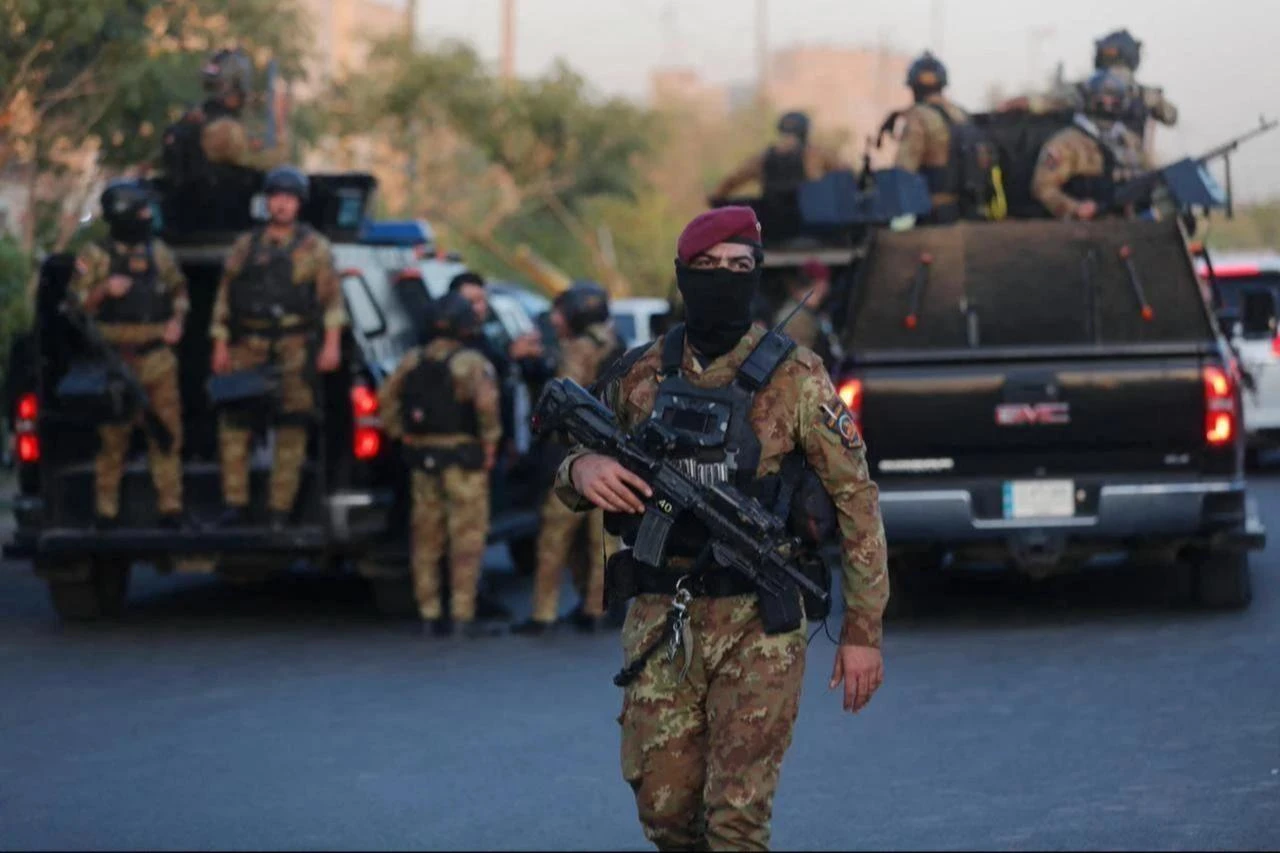


In some Middle Eastern countries, Iran's influence runs so deep that, while it may appear limited to armed groups, many have penetrated state institutions to such an extent that, regardless of who comes to power, how well-intentioned they are, or what the public wants, dismantling these entrenched structures is virtually impossible. As in Lebanon's relationship with Hezbollah, Iraq's government coexists uneasily with Iran-backed militias.
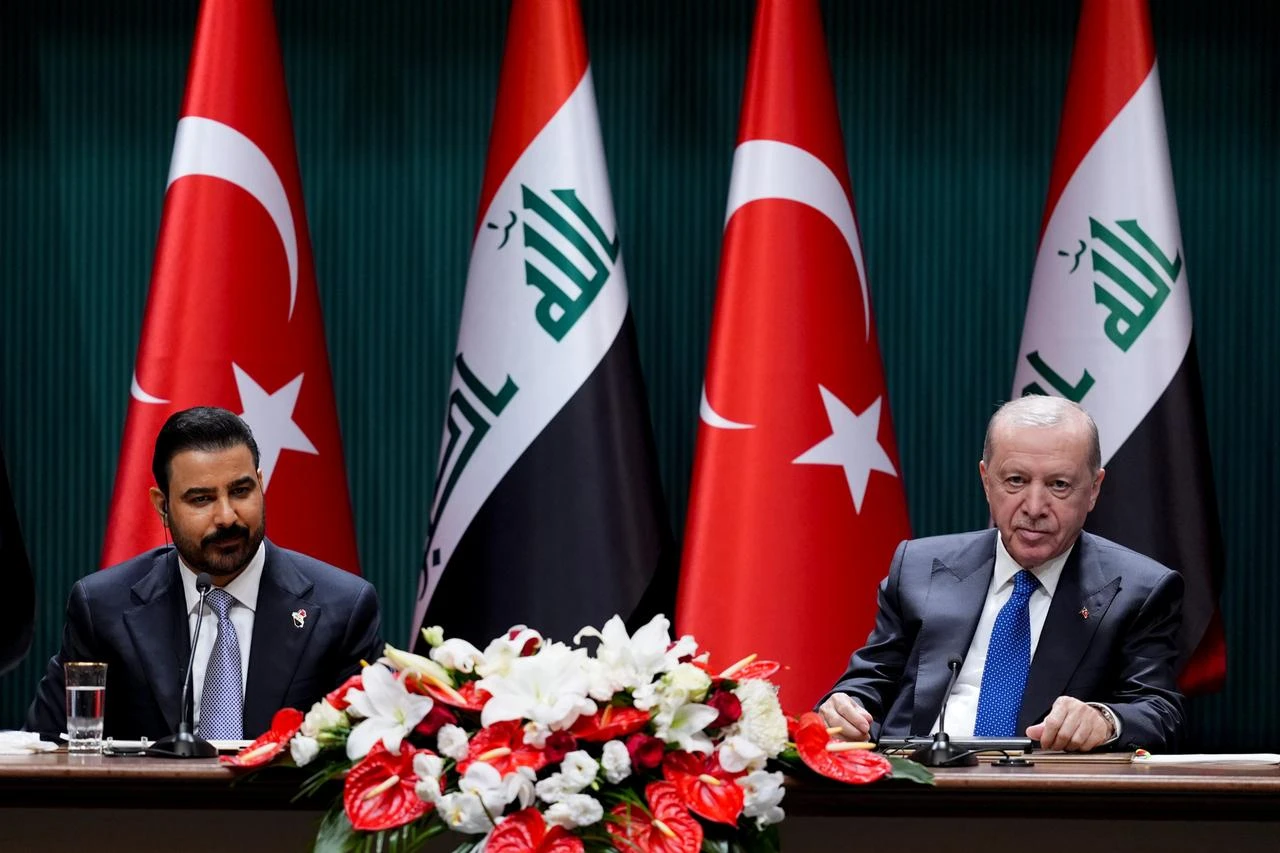
Difficult times and decisions await Iraq's new leader Ali al-Zaidi. A businessman with no political background, he secured the approval of both the United States and Iran before taking office and later visited Washington and Tehran.
Like his predecessors, Zaidi's greatest challenge is balancing Iraq's relations with the United States and Iran. Since the defeat of Daesh and the collapse of the Iran nuclear deal, successive Iraqi governments have found themselves caught between these two countries and have struggled to maintain this balance.
Now, the war between Iran and the U.S.-Israel coalition is making this even more difficult. Baghdad aims to stay out of the conflict, reduce Iranian influence, and strengthen ties with the United States and Gulf states. Recent developments, however, have made these goals increasingly difficult to achieve, and Iraq is being pulled further into the war.
After Iran-aligned militias attacked Saudi oil facilities and U.S. forces, U.S.-Saudi strikes targeted militia positions across Iraq, killing Iran-backed fighters and Iranian advisers. Far from diminishing Iran’s influence in Iraq, the recent war reinforced the view in Tehran that militias remain a powerful means of challenging U.S. interests and Iraq’s neighbors, especially after Israeli military operations severely diminished the capabilities of Hezbollah, the regime’s principal proxy in Lebanon.
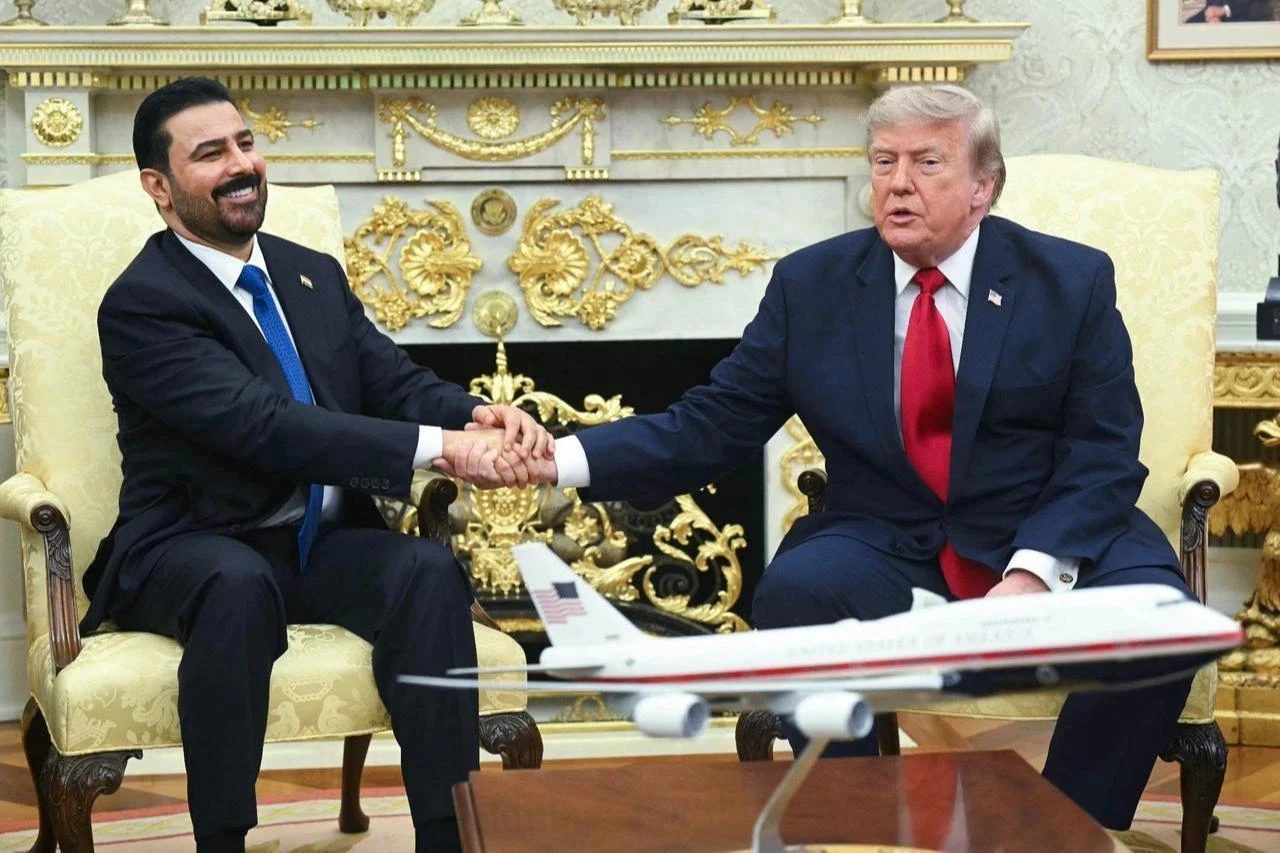

Although often overlooked, Iraq has been among the countries hardest hit by the war. Iraq's oil-dependent economy was severely hit by disruptions in the Strait of Hormuz, causing oil revenues to fall by 70% as most oil production in Basra Province was halted.
Beyond its economic impact, Iraq has become a launchpad for attacks against U.S. forces and Gulf states, including hundreds of reported drone attacks by factions within the Iran-backed Popular Mobilization Forces (PMF)—the umbrella organization of several Iran-aligned militias—against Gulf states since the war began.
Iran has also reportedly used Iraqi territory to launch ballistic missiles toward the Gulf.
Last week, a turning point occurred in the war. Saudi Arabia abandoned its cautious approach by joining U.S. strikes against Iran-backed militias in Iraq after new attacks on its oil facilities. The strikes sent a clear message to Iran that future attacks originating from Iraq would no longer go unanswered and underscored Saudi Arabia's growing security cooperation with the United States.
Formed in 2014 to fight Daesh and incorporated into Iraq's security forces in 2016, the PMF remains an umbrella organization whose most powerful factions retain close ties to Iran, receive its financial and military support, and operate with considerable autonomy. Some PMF factions also operate under the banner of the Islamic Resistance in Iraq, part of Iran's Axis of Resistance.
Besides attacking foreign targets, PMF factions have also clashed with other Iraqi security institutions. The PMF and the Islamic Resistance underscored this animosity in March by launching drone and rocket attacks on Iraq's intelligence and counterterrorism services, accusing them of cooperating with the United States and its regional partners. In response to attacks by pro-Iranian militias, which have carried out hundreds of strikes against U.S. targets in Iraq and Syria since the Gaza war began in October 2023, the United States has also repeatedly targeted these groups inside Iraq.
Under U.S. pressure, Zaidi launched a program to disarm groups operating outside state control and integrate them into Iraq's security forces by Sept. 30, coinciding with the scheduled withdrawal of the U.S.-led Operation Inherent Resolve, under the Global Coalition to Defeat Daesh. The militias’ deep integration into Iraq’s political and economic systems makes this a formidable challenge, and excessive pressure on them could trigger internal instability. Some groups within the PMF, such as Iraqi Shiite cleric Muqtada al-Sadr’s Saraya al-Salam and Asaib Ahl al-Haq, responded positively to this call.
Refusing to disarm, some factions cite the lack of guarantees regarding their future security, political status, and the withdrawal of U.S. forces from the country. Experts believe that the government is unlikely—and lacks the capability—to disarm or dissolve the most powerful groups, such as U.S.-designated terrorist organizations including Kataib Hezbollah and Harakat al-Nujaba, which reject the government’s call to integrate into the Iraqi armed forces.
While President Trump argued otherwise, the Iraqi government announced that the U.S.-Saudi strikes targeting pro-Iranian militias in Iraq were not coordinated with Baghdad. Describing the strikes as a violation of Iraqi sovereignty, Iran-aligned militias gave the government a deadline of several days to respond, warning that they would act independently if no decisive measures were taken.
Although no Iraqi militia has claimed responsibility for the attacks on Saudi Arabia, the U.S.-Saudi strikes have provided reluctant PMF factions with another justification for refusing to disarm. Their threats to respond to the attacks can be interpreted as a sign that they intend to continue the escalation.
Although Zaidi pledged to prevent Iraqi territory from being used to attack neighboring states and ordered an investigation, similar previous inquiries have not produced results.
If these groups continue attacking regional countries or cause American casualties, Iraq could face serious consequences. Washington could again suspend Iraq's access to oil revenues held in U.S. accounts, as it did in April, or impose economic sanctions. Such measures would undermine Baghdad's economic development plans in cooperation with the Gulf states and increase the risk of further military escalation. Even if the government cannot disarm all militias, it must at least prevent attacks on regional countries and U.S. personnel.
Baghdad's efforts are further complicated by its limited control over Iran-backed militias, the approaching end of Operation Inherent Resolve in September 2026, and uncertainty over the future U.S. and NATO military presence. Whether the recent attacks lead to a broader confrontation between the militias and the United States and its Gulf partners remains to be seen. But if the Iraqi government fails to restrain these groups, Washington may increasingly see military action as its only remaining option.


 Set as preferred source
 Set as preferred source


 1 min read
 1 min read