Newsletters


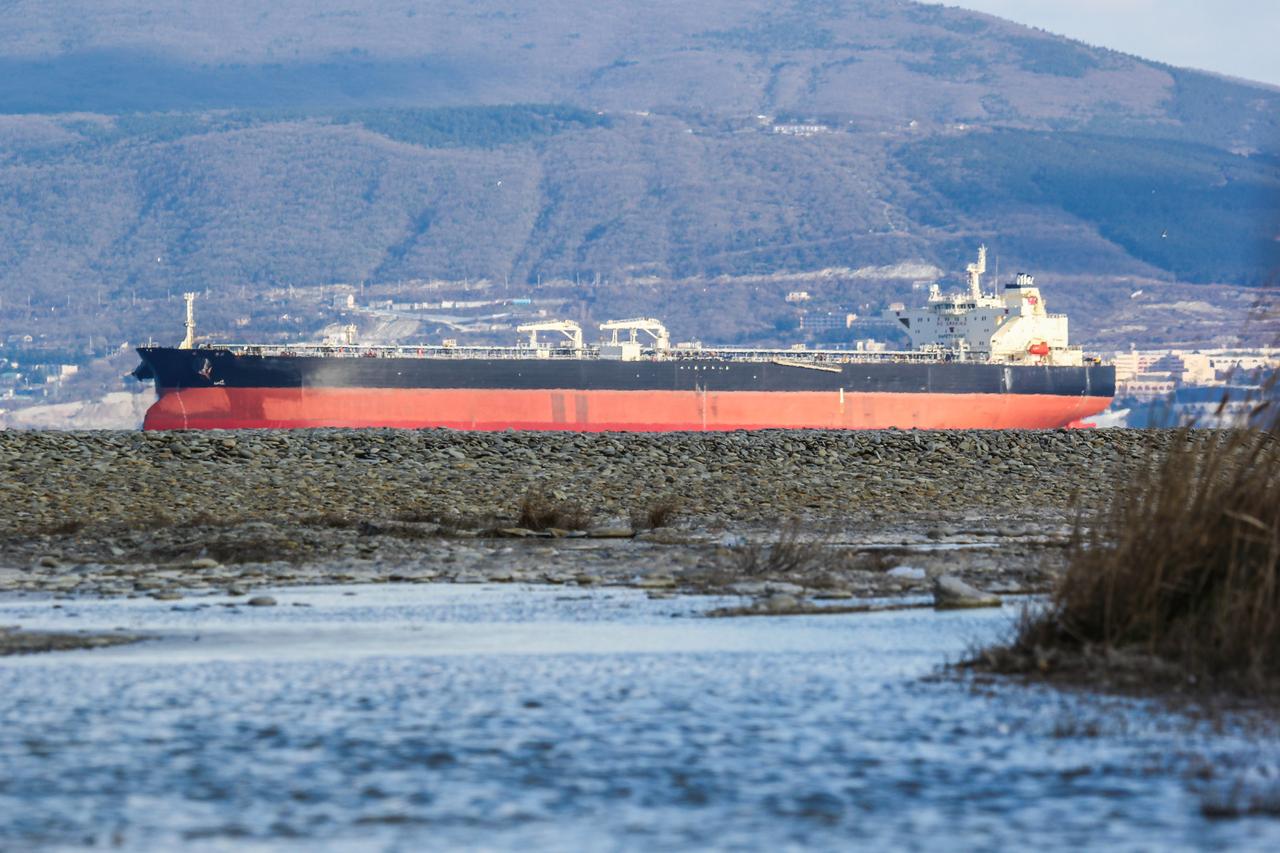


Türkiye’s energy imports fell steeply in both oil and natural gas volumes in July, but total energy import costs rose more than 10% amid elevated global prices, official data showed.
Natural gas imports fell 21.72% from a year earlier to about 3.1 billion cubic meters in July. The country’s total imports of oil and petroleum products also declined 6.9% year on year to 4.5 million tons, according to data from the Energy Market Regulatory Authority (EPDK).
Meanwhile, the country’s total energy import costs rose 13.2% from a year earlier to $5.8 billion, according to the central bank’s balance of payments figures released earlier this month. Brent crude prices averaged $83.8 per barrel during the month, $17.9 higher than a year earlier, central bank data also indicated.
In natural gas, pipeline deliveries accounted for 2.9 billion cubic meters of July imports, while LNG facilities handled 194 million cubic meters. Azerbaijan supplied 1 billion cubic meters of pipeline gas, ahead of Russia with 948 million and Iran with 919 million. Algeria supplied all 194 million cubic meters of LNG.
Household consumption reached 376 million cubic meters in July, while natural gas stocks stood at 5.6 billion cubic meters at month-end. Underground storage accounted for 5.4 billion cubic meters, with another 225 million cubic meters held at LNG terminals.
On the oil side, crude imports bucked the broader trend, edging up 0.3% to 2.9 million tons and making up the largest share of petroleum imports. Diesel imports, however, fell 16.3% to 1.1 million tons, with gasoline, fuel oil, aviation and marine fuels and other products making up the rest.
Russia remained Türkiye’s top supplier of crude oil and petroleum products, providing 1.7 million tons. Iraq followed with 653,543 tons, while Kazakhstan supplied 507,965 tons.


Domestic fuel demand moved higher in July, with sales increasing across the main products. Gasoline sales rose 10.4% year on year to 616,717 tons, while total petroleum product sales climbed 7.2% to 3.4 million tons. Diesel sales also picked up, rising 6.9% to 2.7 million tons.
The stronger domestic market came as petroleum exports moved in the opposite direction. Total exports fell 30.7% to 889,044 tons, with diesel shipments taking the biggest hit, plunging 77.3% to 53,988 tons. Marine fuel, aviation fuel and gasoline exports also declined during the month.
Refinery output was relatively steady by comparison, edging down 0.4% to 3.5 million tons. Aviation fuel production fell 7% to 578,570 tons, while gasoline output rose 17.5% to 567,697 tons. Diesel production also increased, gaining 4.4% to 1.5 million tons.


 Set as preferred source
 Set as preferred source


 1 min read

 1 min read