Newsletters


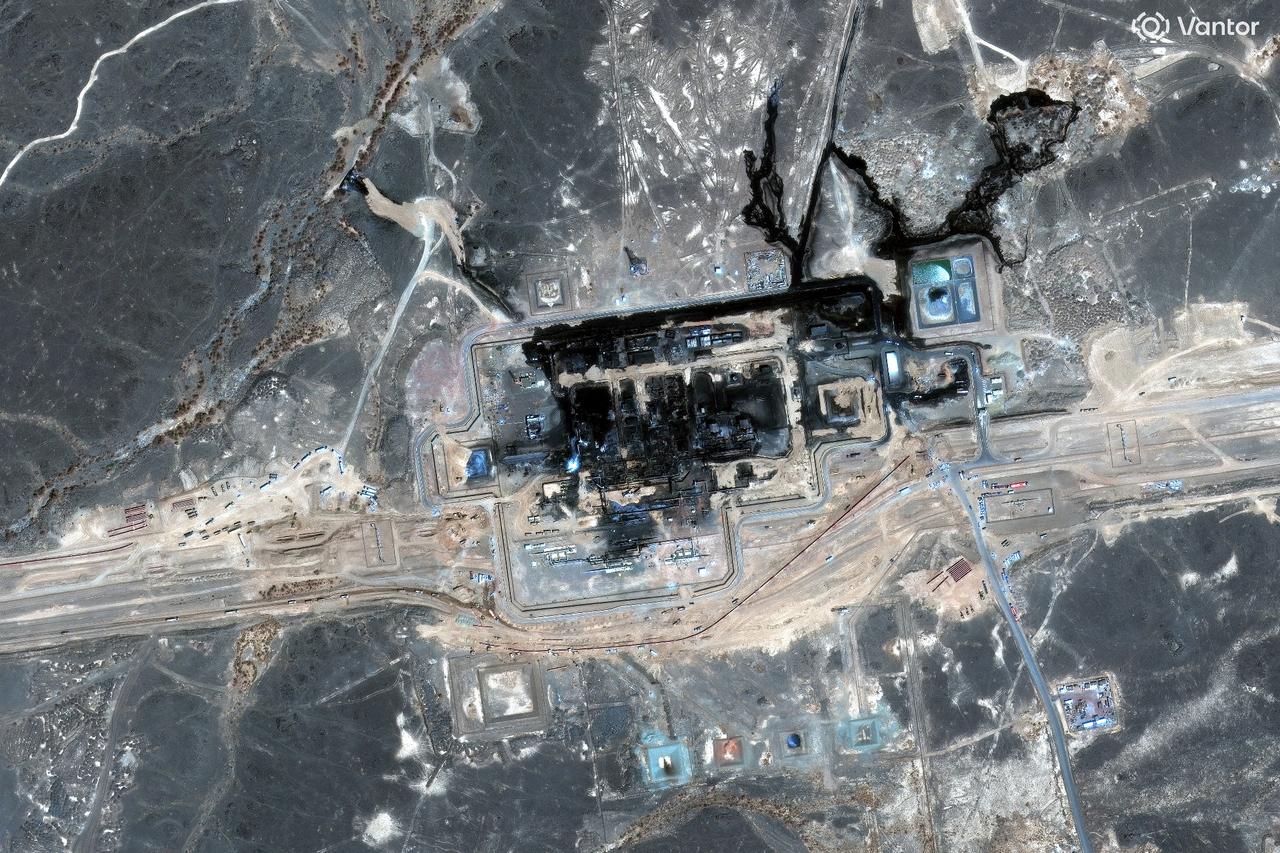


Oil prices kept climbing on Tuesday, with Brent crude rising toward $110 a barrel as Saudi Arabia’s East-West oil pipeline, also known as Petroline, remains offline after a drone attack last week disrupted a major route for moving crude.
International benchmark Brent is up 1.5% at $107.3 after rising as high as $109.80 a barrel before ending the previous session at $105.68. U.S. benchmark West Texas Intermediate is also higher, gaining 1.6% to around $103 a barrel.
The pipeline was shut after multiple drones targeted the system on Sept. 10 in Saudi Arabia’s Riyadh and Madinah regions. Saudi authorities said the drones were launched from Iraq, causing injuries and damage before the pipeline was closed as a precaution.
Regional officials told The Associated Press that repairs are expected to take three to five weeks, including work at a major pumping facility, although part of the pipeline could resume operations while repairs continue.
Iraq has launched an investigation into the attack and dismissed a military commander after determining that the drones were launched from Maysan province. No group has claimed responsibility for the strikes.
However, U.S. Energy Secretary Chris Wright told Bloomberg on Monday that the pipeline is expected to resume operations soon. "I think you'll see the pipeline back running very soon," Wright said. "This is not new for strikes on this energy infrastructure. And, of course, unfortunately, Iran's done a ton of that, but they've proven resourceful in the past."
Wright added that he has remained in continuous contact with Saudi authorities since the strike. Technical teams are assessing the damage, and he said "more clarity" on the restoration timeline is expected soon.
The shutdown comes as Yemen’s Houthi forces have announced control over several western coastal districts and Red Sea islands, including Mayun in the strategic Bab el-Mandeb Strait.
Wright said a few million barrels of oil transit the area each day but added that most commercial tankers do not use Bab el-Mandeb. Instead, they move through the Suez Canal and the pipeline network in Egypt, he said.
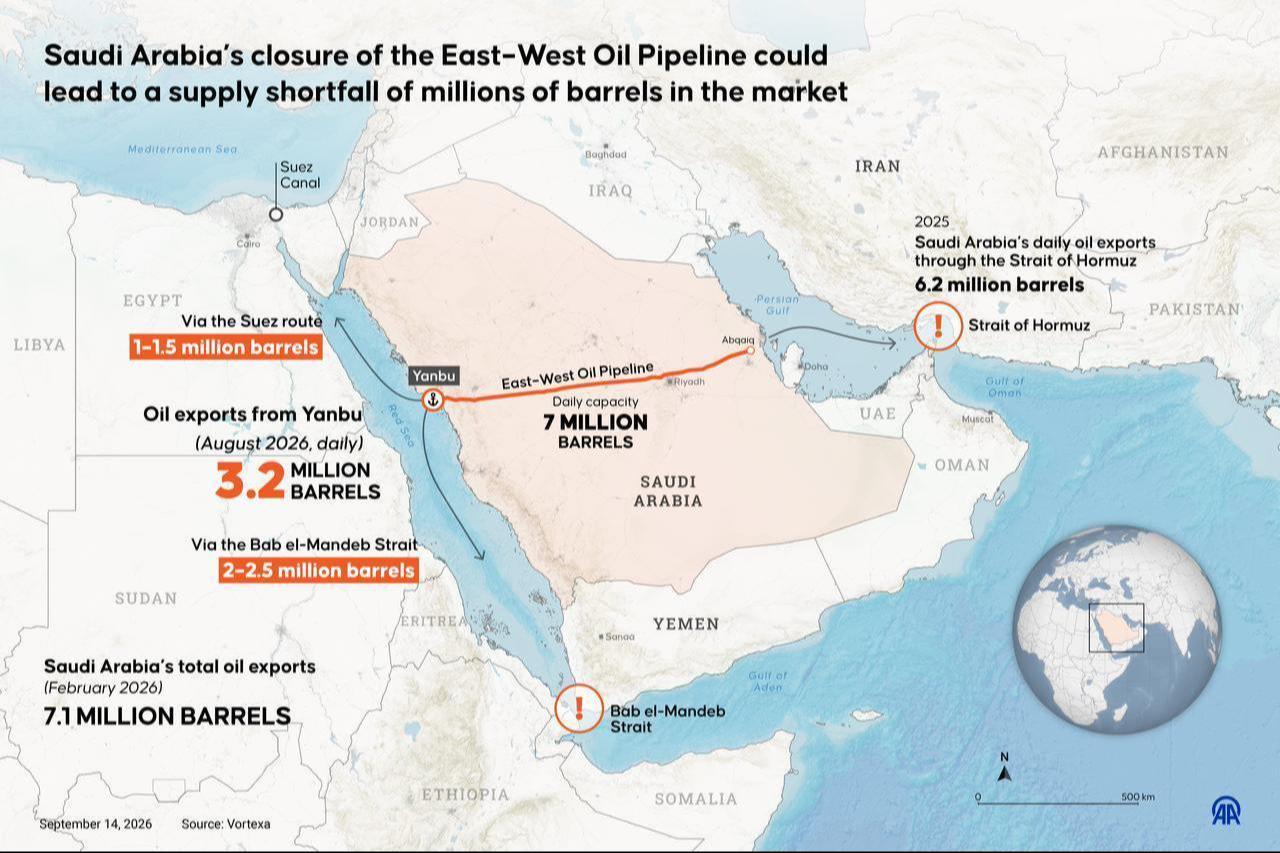

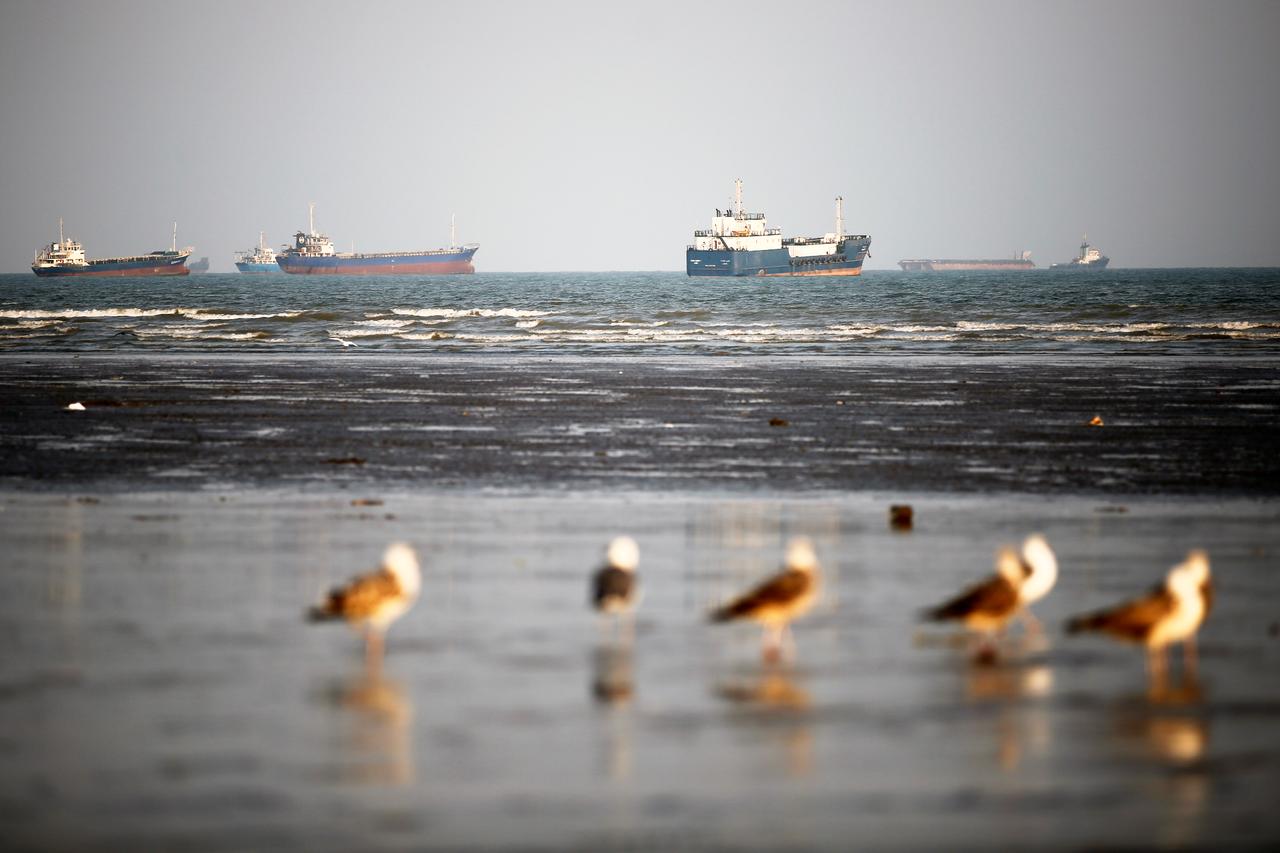
Wright also asserted that substantial volumes of oil and petroleum products continue to pass through the Strait of Hormuz, with 12 million barrels of oil passing a day earlier, despite conflicting claims from Washington and Tehran over the status of the waterway.
"Every morning, I get a report of every single ship, the ship name, exactly what its cargo was, and then it transited," he added, stressing that U.S. assessments are based on ship manifests rather than estimates.
Wright also highlighted constraints in global refining capacity, saying U.S. efforts are focused on increasing exports of refined products from the Middle East to help ease shortages. He attributed part of the pressure to a sharp decline in Russian diesel exports. Russia was previously a major supplier but is now "not exporting any" diesel, Wright said.
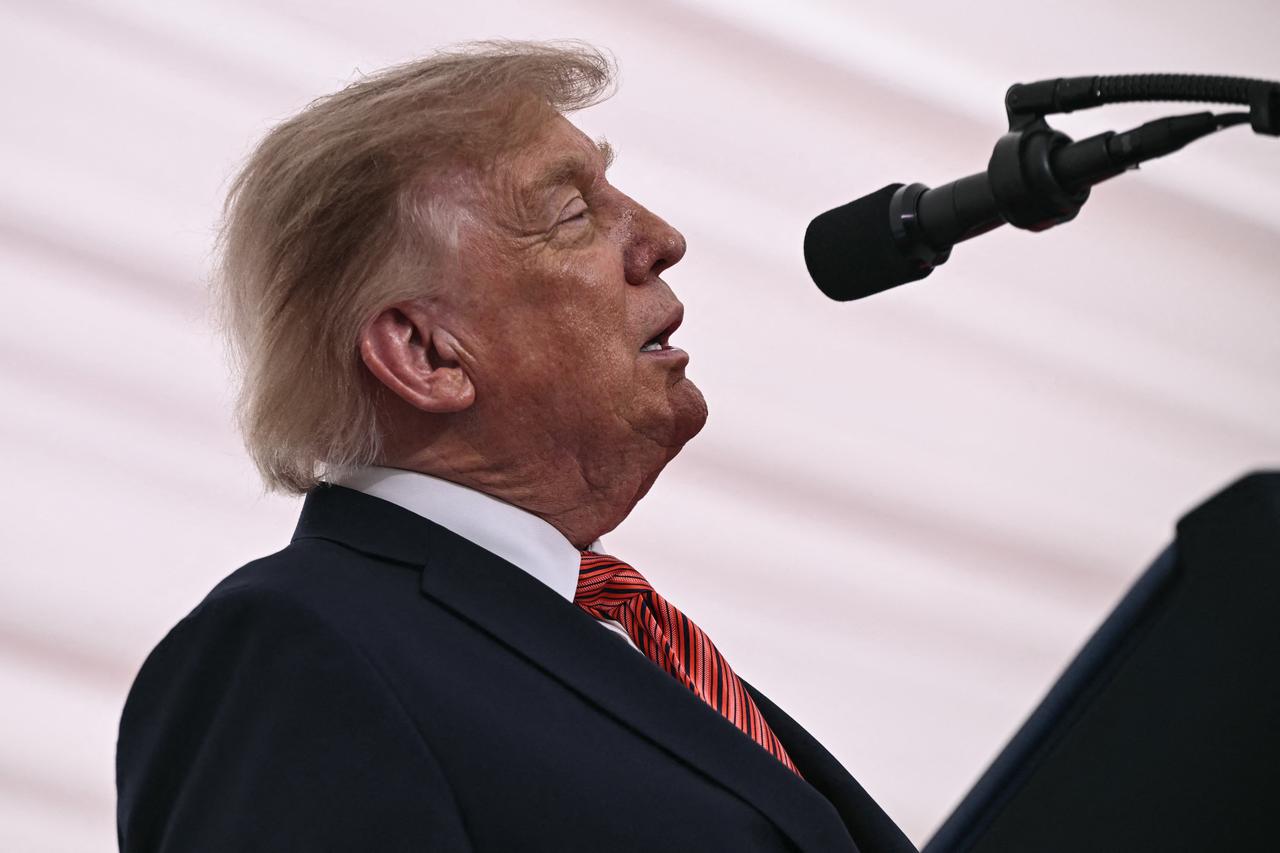
U.S. President Donald Trump urged Ukrainian President Volodymyr Zelenskyy on Sunday to halt strikes on Russian refining infrastructure, arguing that the attacks were contributing to a global diesel shortage.
The warning followed a sharp rise in U.S. diesel prices, with the national average surpassing $6 a gallon for the first time as tighter fuel supplies add to inflationary pressure and raise the prospect of a Federal Reserve rate hike.
Last week’s inflation data has already strengthened expectations for a rate increase, with markets pricing in more than a 90% probability of a quarter-point hike at the Fed’s Sept. 16 meeting. The move would lift the federal funds target range to 3.75%-4% and mark the first rate hike since 2023.


 Set as preferred source
 Set as preferred source


 2 min read
 1 min read