Newsletters


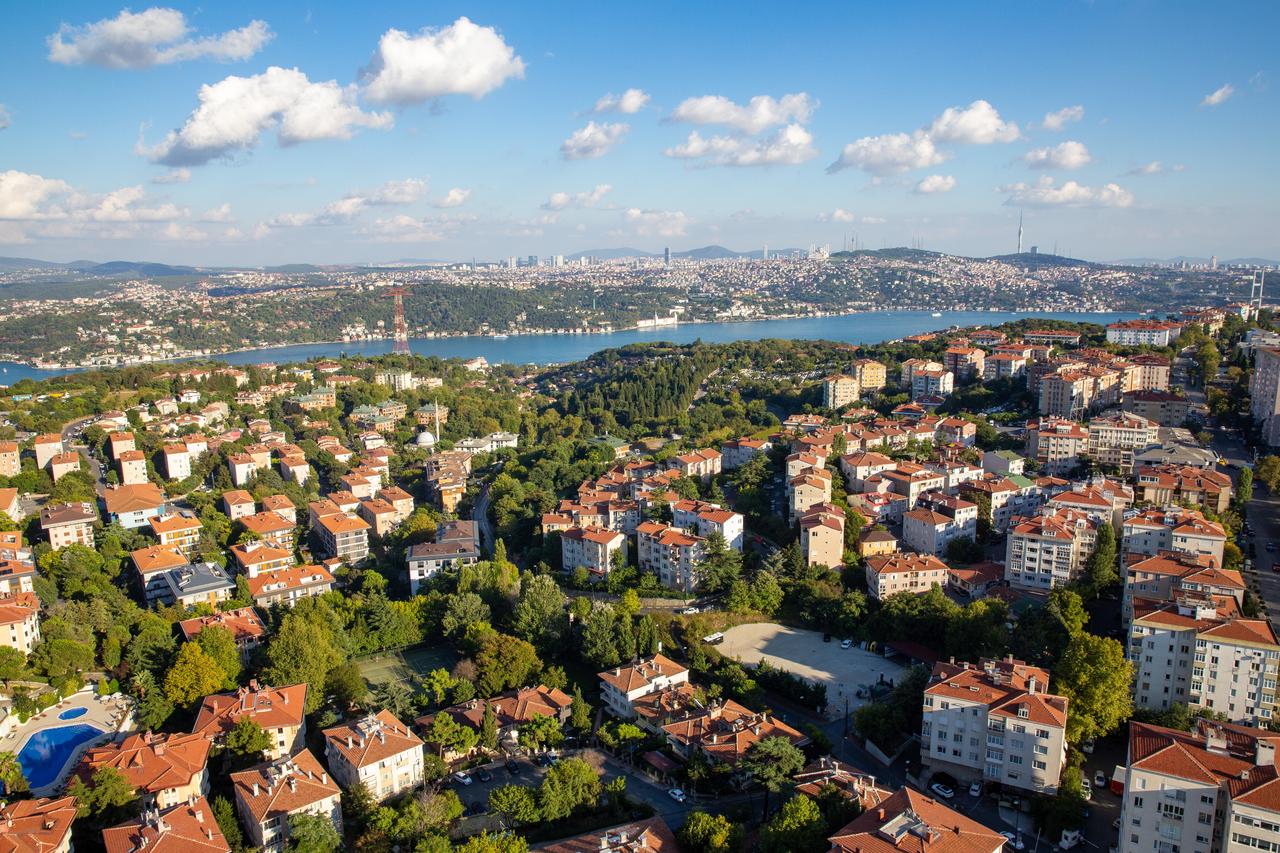


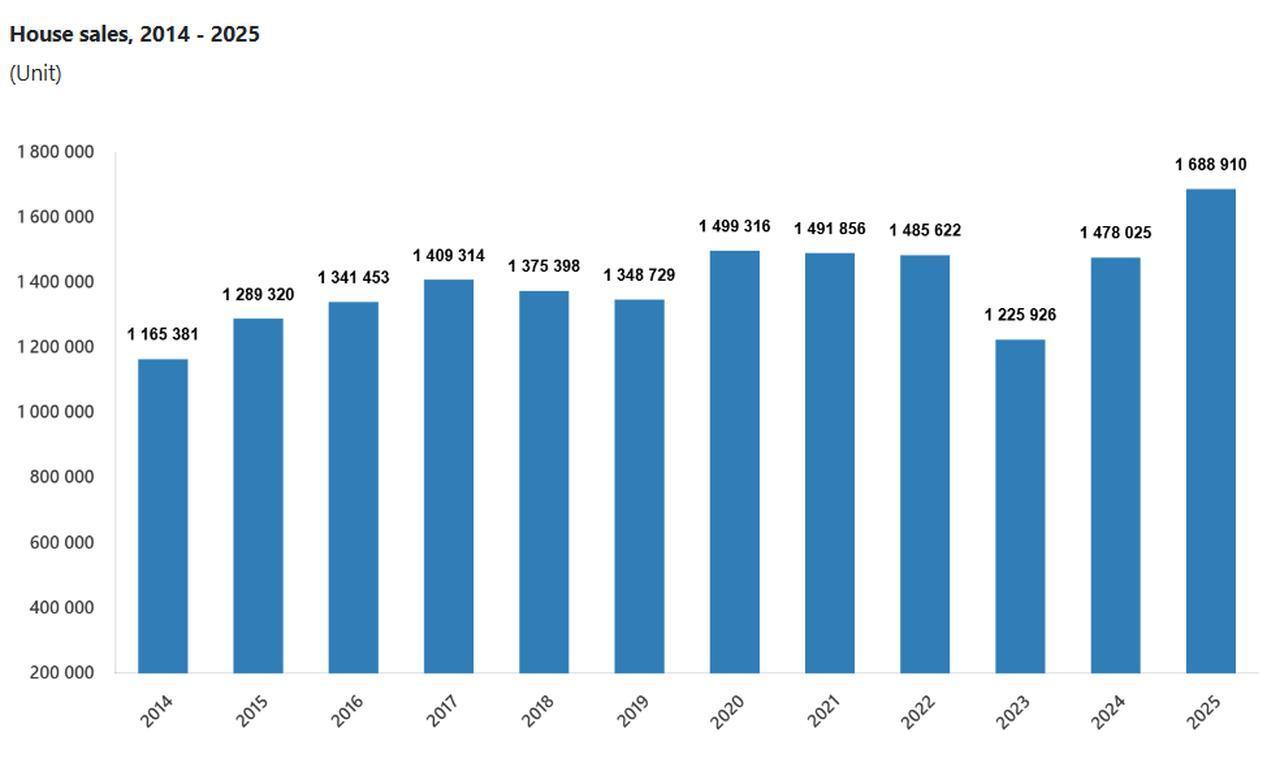
House sales across Türkiye rose 14.3% in 2025 from the previous year to a record 1.68 million units, driven by second-hand and cash transactions, while foreign interest remained sluggish, according to official data.
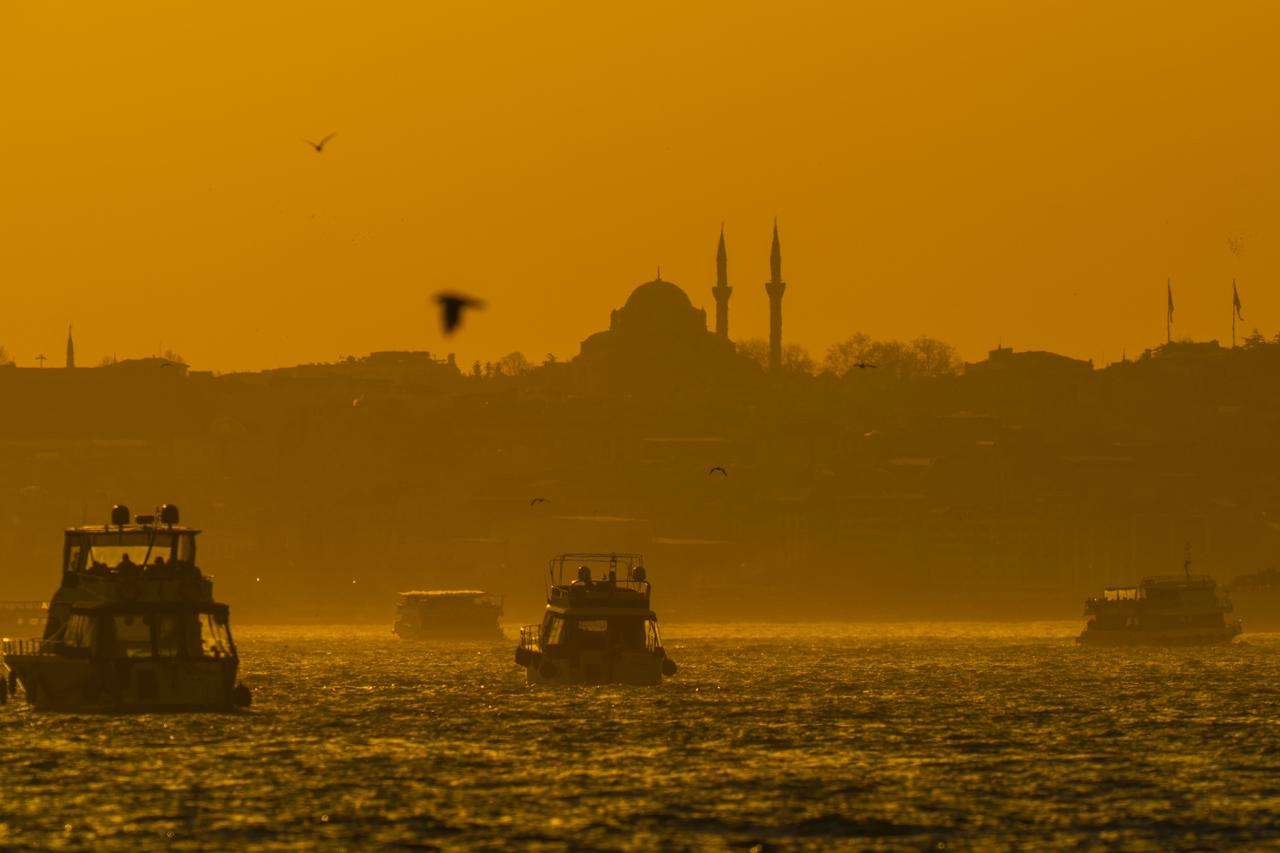
Istanbul remained the country’s largest housing market, accounting for 280,262 transactions over the year, the highest among all provinces, the Turkish Statistical Institute (TurkStat) reported on Tuesday
In December, monthly sales climbed 19.8% year-on-year to 254,777 units.
Throughout 2025, mortgage-backed home sales in Türkiye rose 49.3% year-on-year, reaching 236,668 units. Mortgage transactions accounted for 14% of total home sales during the year, while their share stood at 11.4% in December.
Second-hand home sales rose 15.6% annually, totaling 1,148,124 units in the January–December period.
House sales to foreigners continued to decline by 9.4% compared to 2024, falling to 21,534 units in 2025, representing 1.3% of all residential property transactions nationwide. In December, 2,541 homes were sold to foreign nationals, up 5.1% from the same month a year earlier.
Istanbul led the market for foreign buyers with 7,989 units sold in 2025, followed by Antalya with 7,118 units and Mersin with 1,800.
By nationality, Russian citizens purchased the most properties last year with 3,649 units, followed by Iranians with 1,878 and Ukrainians with 1,541. In December, Russians again topped the list with 504 units, ahead of Iranians (232) and Ukrainians (193).

Meanwhile, housing prices in Türkiye returned to a pattern of real decline in December, after briefly rising above inflation in November for the first time in 21 months, according to central bank data released on Jan.19.
The Residential Property Price Index (RPPI) rose 0.2% month-on-month in December and 29% year-on-year in nominal terms but declined 1.4% in real terms, marking the 22nd inflation-adjusted drop in the past 23 months.
Compared to the same month in 2024, housing prices in Türkiye’s top three cities by sales rose by 28.5% in Istanbul, 34.9% in Ankara, and 30.8% in Izmir, central bank figures showed.


 Set as preferred source
 Set as preferred source


 1 min read
 1 min read