Newsletters


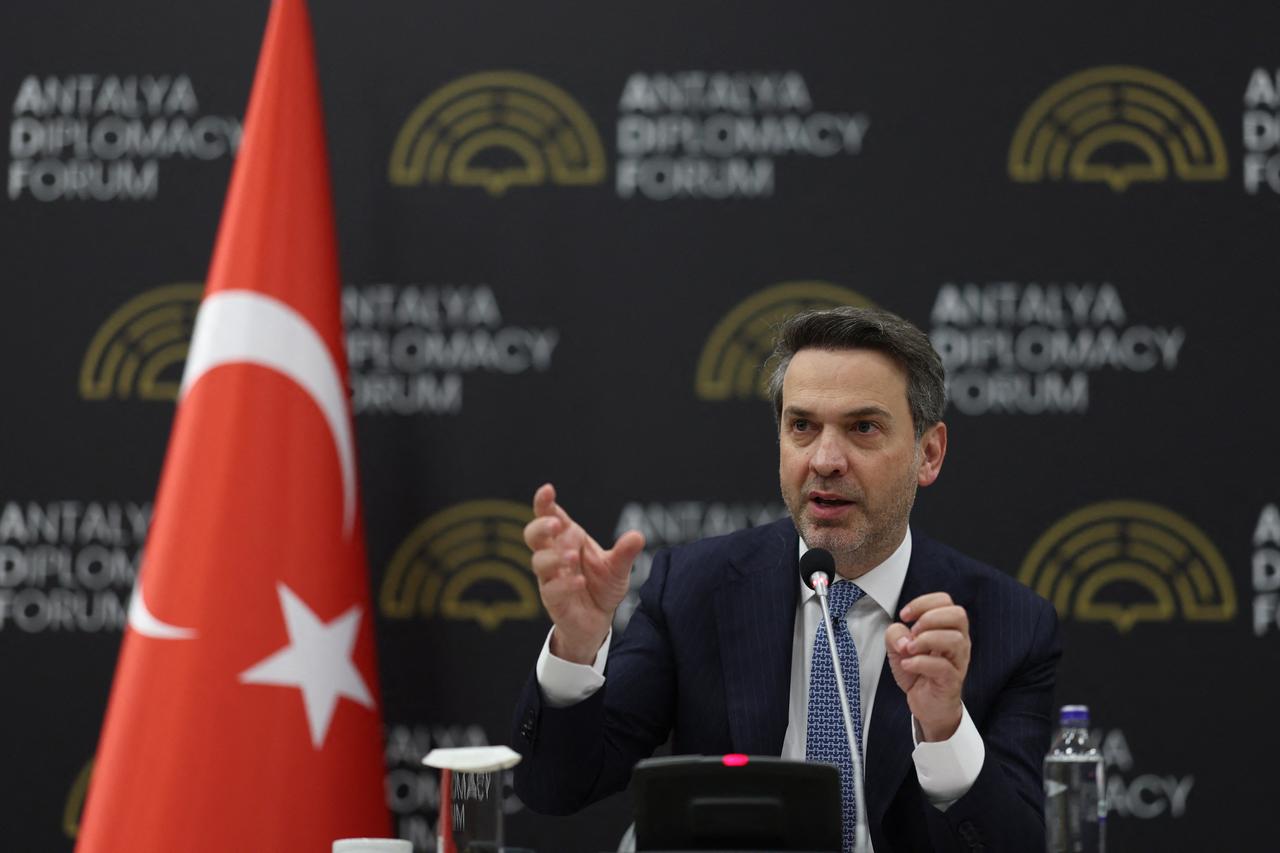


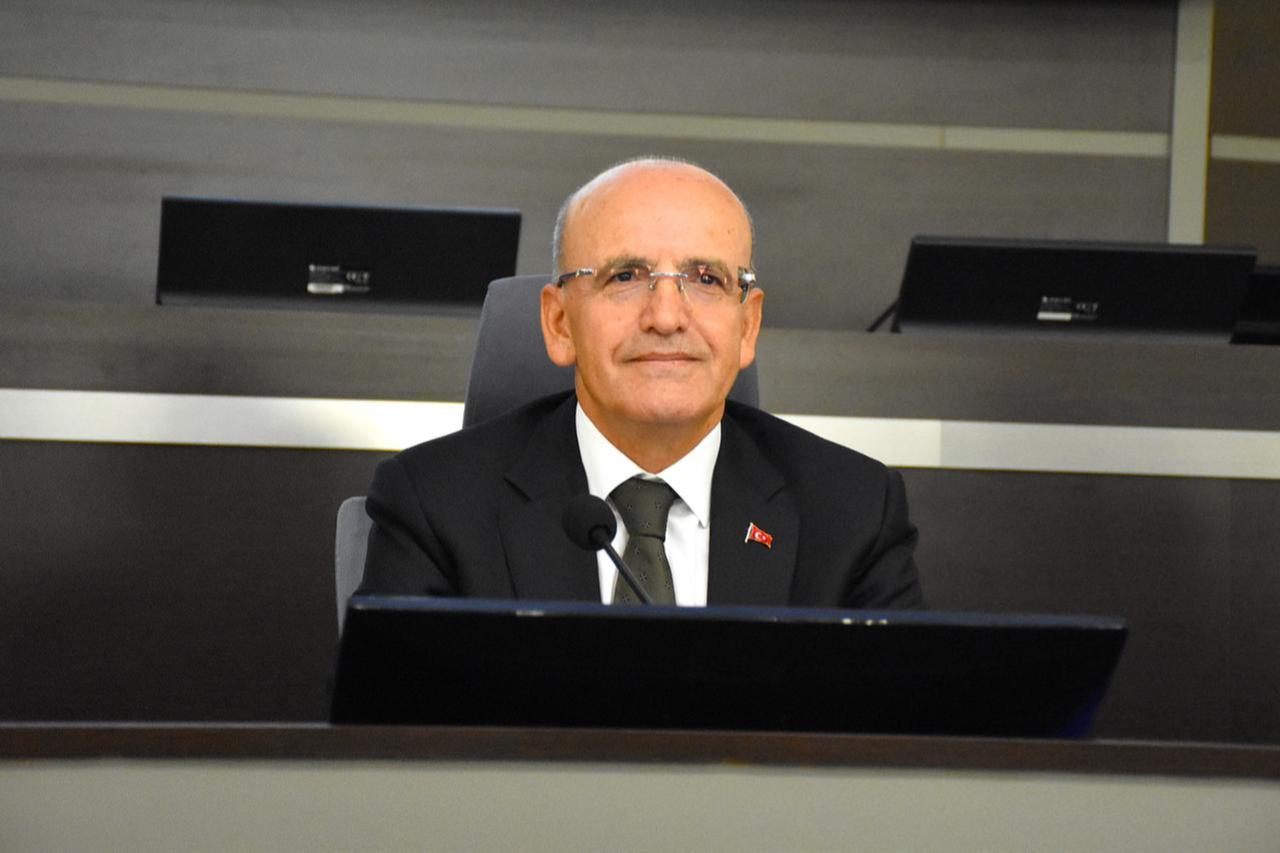
Turkish Energy and Natural Resources Minister Alparslan Bayraktar stated on Saturday that Ankara's long-term natural gas contract with Iran is set to expire in July and no negotiations on a possible extension are currently underway.
Though he noted that the talks could happen, even as Türkiye pursues supply diversification, including a new 10-year LNG import license for Russian gas.
Bayraktar told reporters on the sidelines of the Antalya Diplomacy Forum that the contract's expiry raised a potentially important question of supply security for Türkiye.
"According to our forecast, we might need this gas pipeline or the gas flow from Iran for the security of supply of Türkiye. There is no negotiation right now ongoing. I think they are busy with so many other things. But we might sit and discuss a potential extension," Bayraktar stated.
He attributed the absence of talks to the current regional circumstances.
"We haven't started a negotiation during the current circumstances in the region," he said, referring to the Iran war.
The contract provides for the delivery of 9.6 billion cubic meters (bcm) of gas per year, though actual flows have frequently fallen short.
Türkiye imported 7.6 bcm from Iran last year, accounting for 13% of total gas imports. Regulator data showed the pipeline last hit the contracted volume in 2022.
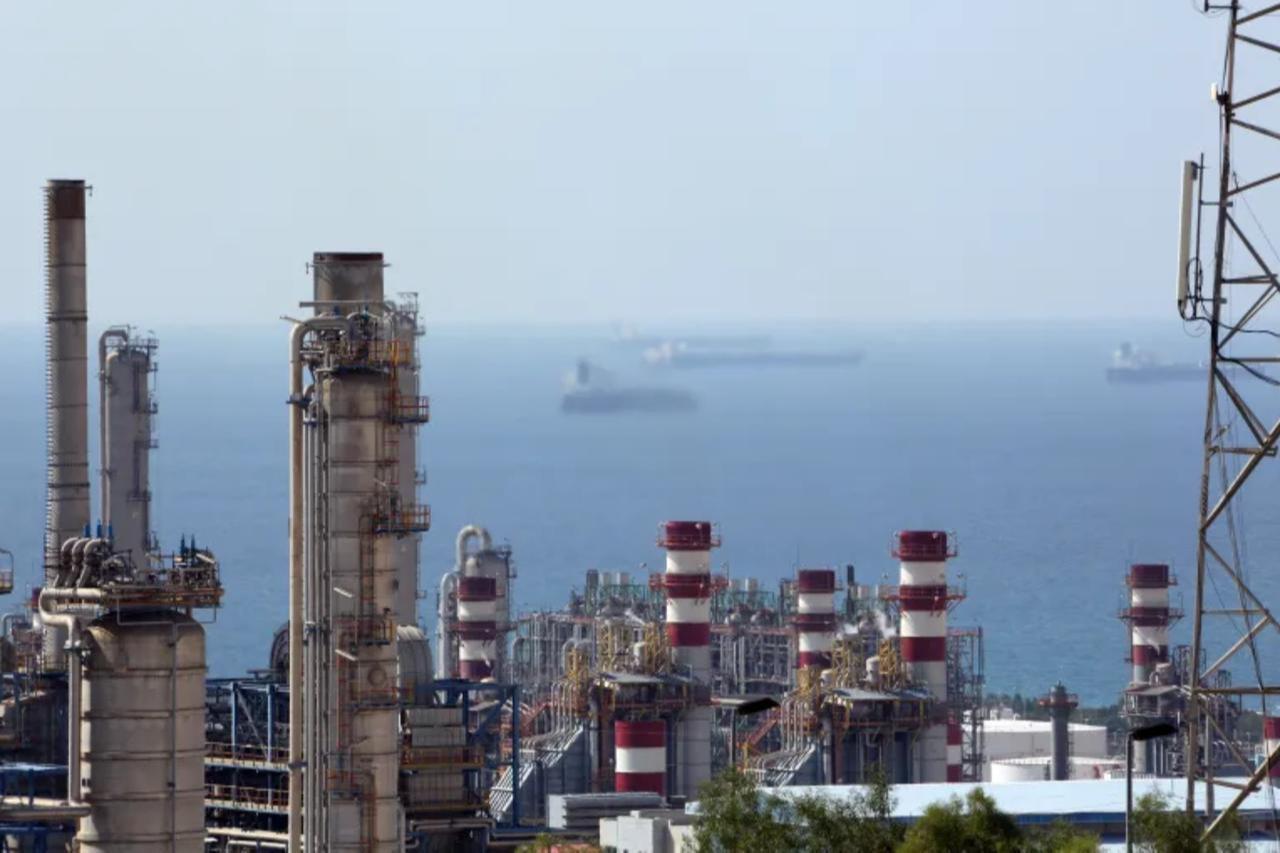

Bayraktar confirmed Türkiye was actively diversifying its gas supply, including through Russian liquefied natural gas.
There were reports that Ankara had issued a 10-year long-term LNG import license for Russian gas to pipeline operator BOTAS, a license category previously granted only to countries with which Türkiye holds existing long-term LNG contracts, including Algeria and Oman.
Asked directly about Russian LNG imports, Bayraktar said Türkiye had not yet started importing LNG from Russia.
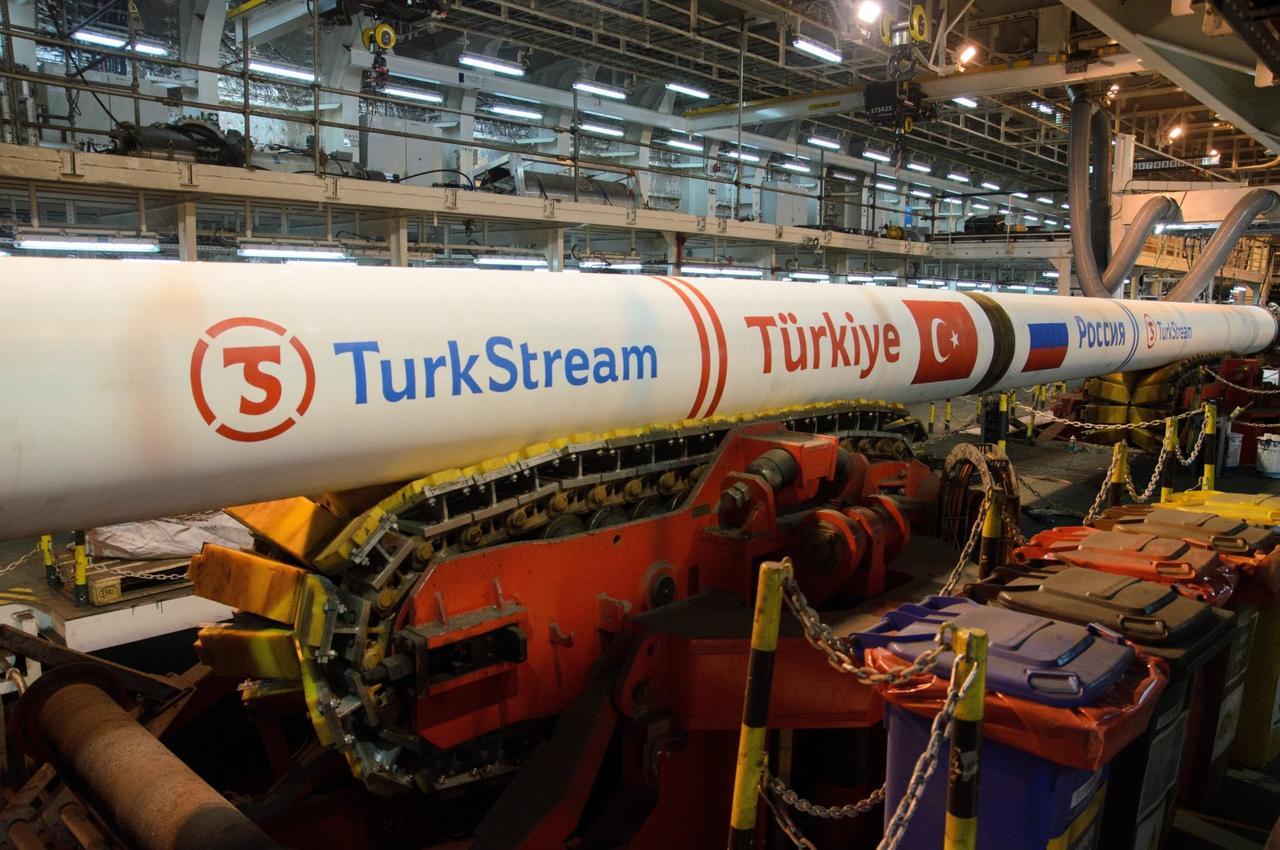
Türkiye currently imports Russian gas via the BlueStream and TurkStream pipelines, which together account for approximately 35% of its overall gas mix.
The contract's expiry in July, ahead of the winter heating season, adds sensitivity to the timeline from a domestic supply security perspective.
As Türkiye pursues its regional energy hub ambitions, the balance between long-term pipeline gas and spot LNG, and between Iranian, Russian and Azerbaijani sources, will define the country's energy negotiating posture in a region where both Hormuz and Bab el-Mandeb remain contested.


 Set as preferred source
 Set as preferred source


 1 min read