Newsletters


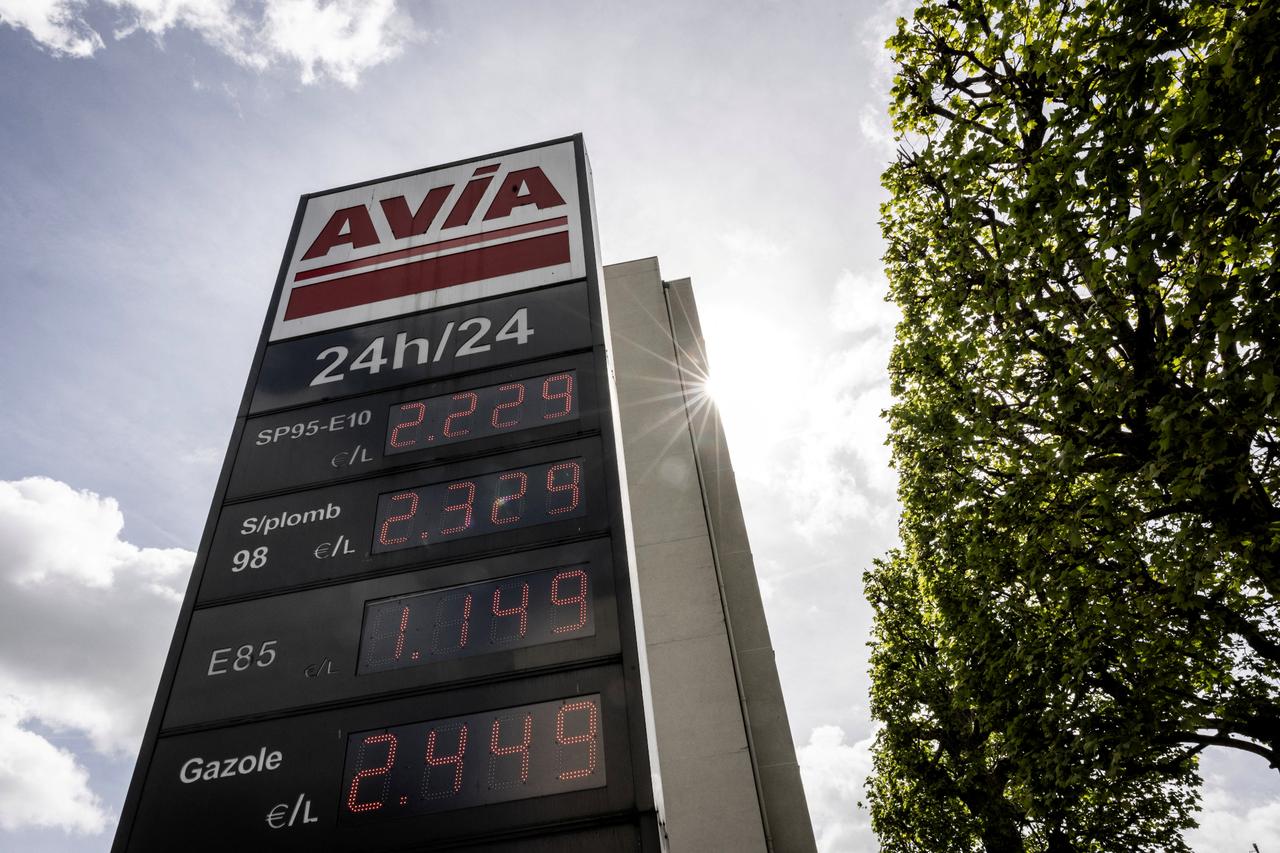


Oil prices dropped sharply Friday after Iranian Foreign Minister Abbas Araghchi said the Strait of Hormuz would remain fully open to all commercial vessels for the rest of the ceasefire period, easing concerns over one of the world’s most critical energy transit routes.
International benchmark Brent North Sea crude fell 10% to $89.11 a barrel after earlier dropping 5% on hopes for a U.S.-Iran peace deal.
The main U.S. contract, West Texas Intermediate, fell 11% to $84.11 a barrel.
In a post on X, Araghchi said that, in line with the ceasefire in Lebanon, all commercial ships would be allowed to pass through the Strait of Hormuz for the remainder of the truce.
“Parallel to the ceasefire in Lebanon, through the coordinated route already announced by the Iranian Ports and Maritime Organization, the passage of all commercial vessels through the Strait of Hormuz has been declared completely open for the remaining duration of the ceasefire,” he said.
His statement signaled that commercial tanker and cargo traffic would be able to move through the waterway during the ceasefire period.
The announcement triggered a steep decline in oil prices, with both global and U.S. crude benchmarks posting double-digit losses.
Brent crude dropped to $89.11 a barrel, while West Texas Intermediate fell to $84.11.
The fall came after earlier declines driven by expectations of a U.S.-Iran peace deal, with Araghchi’s remarks adding to market relief over the status of the strait.
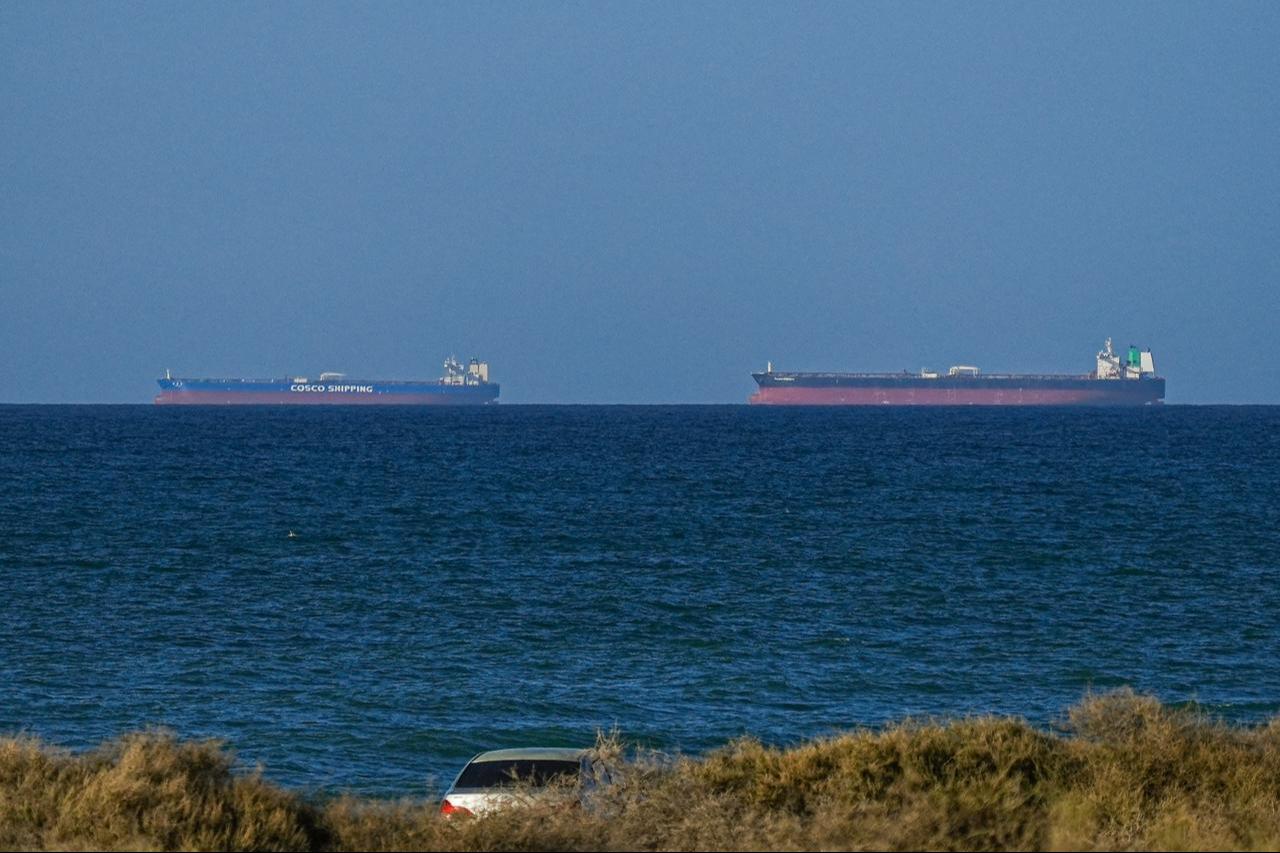

Iran had closed the Strait of Hormuz to vessels linked to the United States, Israel and their allies since the start of the war launched on Feb. 28 by the U.S. and Israel, which was halted by a temporary ceasefire on April 8.
Araghchi’s statement marked a shift during the ceasefire period, with Tehran saying the strait would stay open to all commercial shipping until the truce ends.


 Set as preferred source
 Set as preferred source


 1 min read

 1 min read