Newsletters


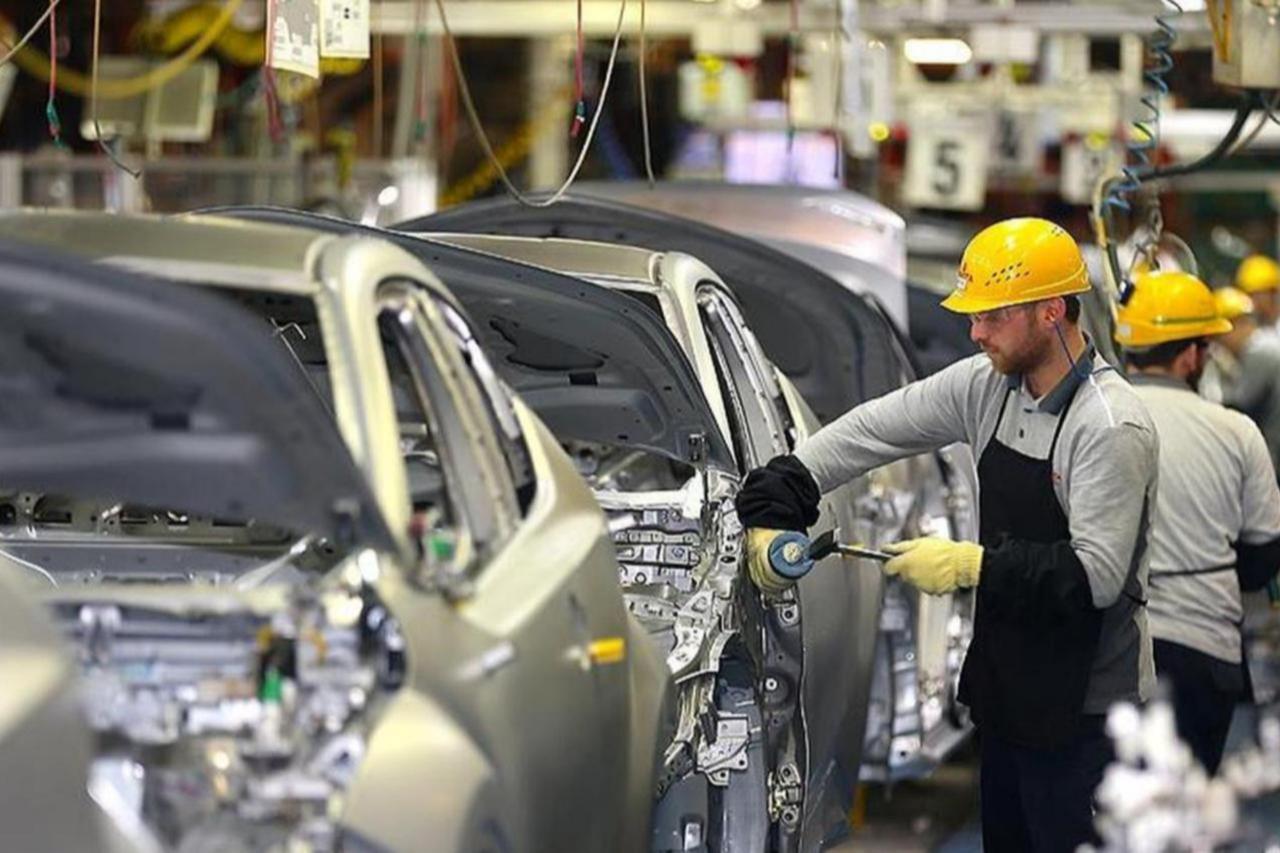


Türkiye’s manufacturing sector closed 2025 with signs of limited recovery, as the Istanbul Chamber of Industry (ISO) Manufacturing Purchasing Managers’ Index (PMI) rose for a second consecutive month in December, reaching 48.9, up from 48.0 in November.
While the index remained below the neutral threshold of 50.0, the pace of deterioration in business conditions was the slowest in a year.
Remaining in contraction territory for the 21st consecutive month, the December PMI figure reflected a gradual deceleration in the downturn of production and new orders.
According to ISO, some firms reported modest improvements in customer demand, with the slowdown in new orders, both domestic and export, reaching the lowest level since March 2024.
Purchasing activity and employment also declined at a slower pace compared to previous months. Input and final goods inventories saw a noticeable drop, pointing to a cautious production environment amid weaker demand.
Input costs surged sharply in December due to increased raw material prices, resulting in the steepest monthly rise in selling prices since April 2025. Inflationary pressures, which had eased in November, regained momentum by year-end, as manufacturers passed higher costs on to customers.
Employment cuts slowed to the weakest rate since March 2025, suggesting growing stability in workforce trends. However, concerns over inflation resurfaced as cost-driven pricing remained a potential risk to demand.
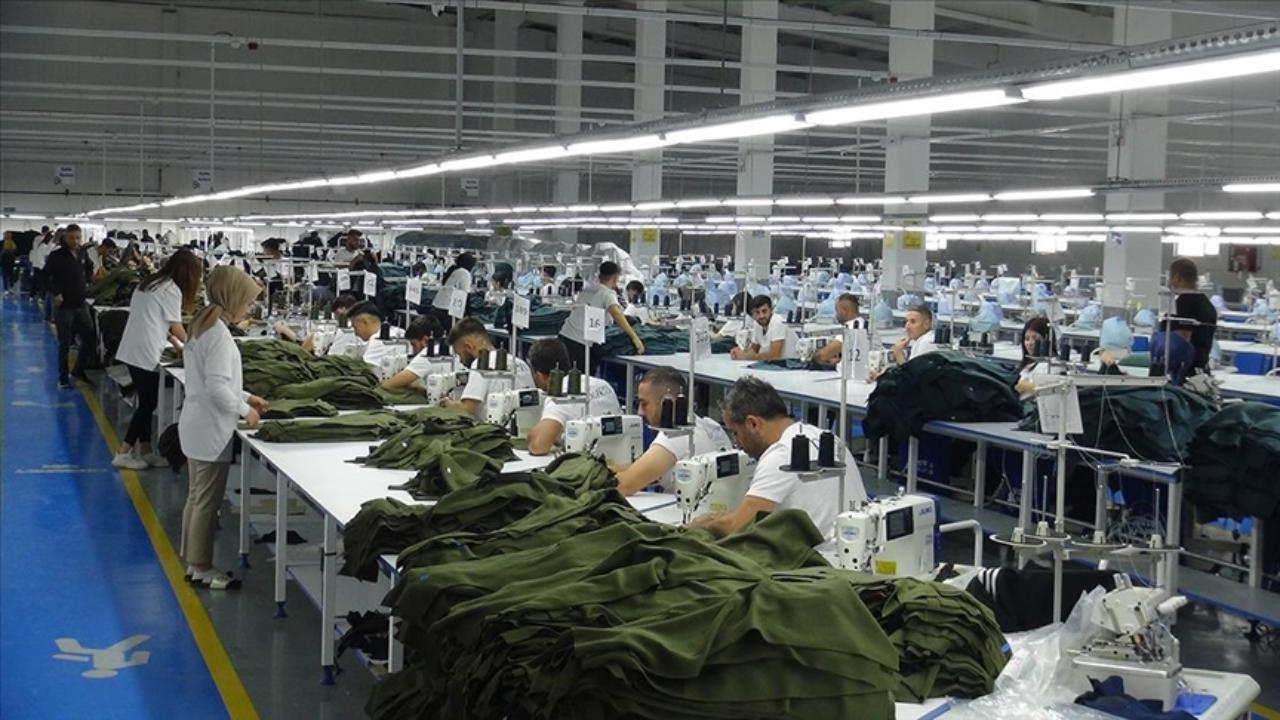
Three out of 10 manufacturing sub-sectors expanded in December, led by electronics, wood and paper, and food. Machinery and metals saw the steepest contraction, while textiles began to recover and non-metallic minerals slipped into decline.

Andrew Harker, Economics Director at S&P Global Market Intelligence, commented that the improvement in the headline index suggested the sector was entering 2026 with a degree of momentum.
He noted that some survey participants had observed signs of improved customer demand by the end of the year, helping to temper contractions in output and employment.
While inflationary pressures had intensified again, Harker stated that the levels of input cost and output price increases remained below the peaks seen in recent years. "The current level of price pressures is not expected to significantly suppress demand at this stage," he noted.
Treasury and Finance Minister Mehmet Simsek welcomed the improvement in the headline PMI, calling it the highest reading of 2025 and a sign of continued recovery in manufacturing.
"A more favorable global outlook, the disinflation process, supportive domestic financial conditions, and active industrial policies are expected to underpin industrial production in 2026," Simsek added.


 Set as preferred source
 Set as preferred source


 1 min read

 1 min read