Newsletters




Türkiye’s manufacturing sector showed tentative signs of stabilization in November 2025, as the Manufacturing Purchasing Managers’ Index (PMI) rose to 48.0 from 46.5 in October, its highest level in nine months, the Istanbul Chamber of Industry (ISO) reported on Monday.
The PMI, compiled by S&P Global, is a key gauge of business conditions across the manufacturing sector, with readings above 50 indicating improvement and those below 50 signaling contraction.
Although still below the neutral threshold of 50, the latest reading marks the softest deterioration in operating conditions since February.
According to the sector-specific breakdown, three out of ten monitored sub-industries returned to output growth in November, compared to none in October.
The strongest recovery was seen in the electrical and electronics sector, which posted its first expansion in four months.
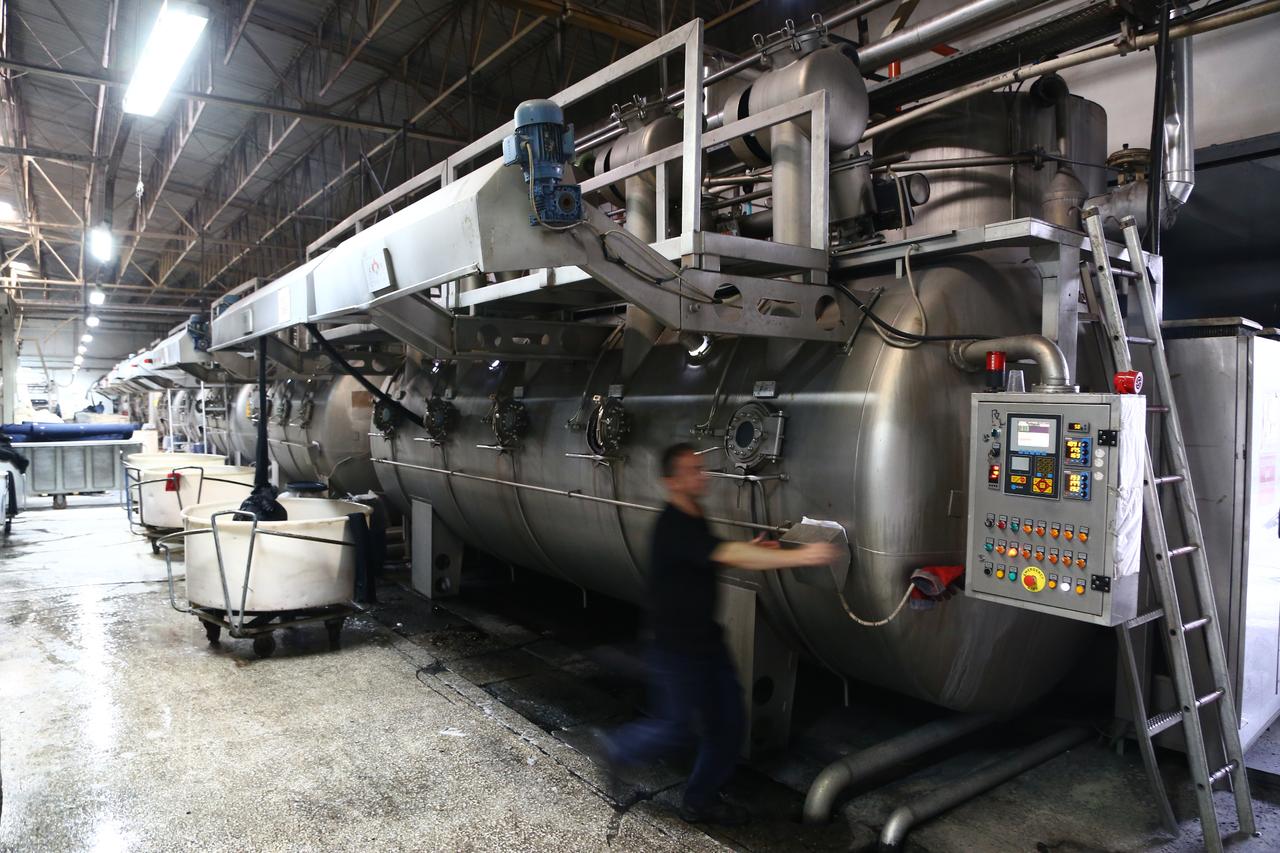
The non-metallic mineral products and wood and paper products sectors also recorded a rise in production volumes. By contrast, the sharpest contraction was observed in the textile sector, where both domestic and export demand remained subdued.
The headline data showed that while production volumes and new orders declined again, the rate of contraction was the weakest in nine months.
Firms reported that sluggish demand continued to weigh on output, although the deceleration in new order inflows was the mildest since August.
However, new export orders saw a more pronounced drop, with respondents citing intensified price competition in international markets as a factor dampening overseas demand.

The survey found that inflationary pressures continued to ease in November. Input costs rose at their slowest rate in nearly a year, largely due to more stable raw material prices.
As a result, manufacturers raised their output prices only marginally, with some opting to pass on cost savings to customers through direct discounts.
The moderation in cost inflation was welcomed by firms, who noted that it helped them curb the pace of final price increases and remain competitive.
Reflecting the softer downturn in output and orders, employment levels decreased only slightly in November, recording the smallest workforce reduction since March.
Meanwhile, purchasing activity fell at a faster pace, and both input and finished goods inventories declined more rapidly than in the previous month.
Suppliers’ delivery times lengthened modestly following a slight improvement in October, as firms continued to adjust procurement in line with weaker demand.
Andrew Harker, Economics Director at S&P Global Market Intelligence, commented on the findings by noting that easing inflationary pressures had a positive impact on the manufacturing sector in November.
"Input costs and output charges both rose at the slowest rates seen so far in 2025. This coincided with a slowdown in the rate of decline across key indicators such as production, new orders, and employment," Harker said.
"In particular, the near-stabilization in employment offers hope that the sector may be on a path to recovery as the year draws to a close."


 Set as preferred source
 Set as preferred source


 2 min read

 1 min read